Yemen’s varied landscape — from coastal plains and volcanic highlands to desert basins — has long held a hidden wealth of raw materials that supported local crafts and regional trade. Recent surveys and historical records make it clearer which deposits matter for industry, reconstruction, and planning.
There are 13 Minerals in Yemen, ranging from Clay / Kaolin to Sulfur. For each entry you’ll find below the data organized by Category,Location (Governorate),Estimated resource (tonnes), so you can quickly scan what is found where and in what quantities — you’ll find below.
Which governorates hold the most economically significant mineral deposits?
Sana’a, Al Hudaydah, Ma’rib and Al Jawf commonly appear in surveys for larger deposits (industrial minerals, metals and sulfur), but significance depends on accessibility, infrastructure and current estimates; check the Location (Governorate) and Estimated resource (tonnes) columns for context on scale and development potential.
How should I treat the estimated resource figures when planning or researching?
Treat them as indicative rather than definitive: estimates come from varying survey methods and ages, so use them to prioritize areas for follow-up fieldwork, feasibility studies and updated assessments rather than as final extractable reserves.
Minerals in Yemen
| Mineral | Category | Location (Governorate) | Estimated resource (tonnes) |
|---|---|---|---|
| Crude oil | energy | Marib, Shabwah, Hadhramaut (Masila, Marib fields; ~15.45N,45.33E) | 400,000,000 (approx) |
| Natural gas | energy | Balhaf (Shabwah) and Masila (Hadhramaut); Balhaf LNG terminal (~14.7N,48.6E) | unknown |
| Limestone | building | Widespread highlands and plateau quarries (Dhamar, Ibb, Marib) | unknown |
| Gypsum | industrial | Hadhramaut and southern provinces; local quarries near coastal plains | unknown |
| Rock salt (halite) | industrial | Coastal sabkhas and evaporite pans (Aden area, Hadhramaut coast) | unknown |
| Dimension stone / Marble | building | Quarries near Taiz, Sana’a highlands and Aden foothills | unknown |
| Sand and gravel (silica) | building | Riverbeds, wadis and coastal plains across Yemen | unknown |
| Clay / Kaolin | industrial | Highland weathering horizons (Sana’a, Dhamar) and river terraces | unknown |
| Sulfur | industrial | Volcanic island sites and hydrothermal areas (e.g., Red Sea islands like Jabal al-Tair) | unknown |
| Gold | metallic | Scattered occurrences in Hajjah, Marib and Hadhramaut highlands; artisanal workings reported | unknown |
| Copper | metallic | Polymetallic vein and skarn occurrences in Hadhramaut and eastern Yemen | unknown |
| Lead-Zinc | metallic | Polymetallic occurrences in central and eastern Yemen (Hadhramaut region) | unknown |
| Gemstones (agate, garnet, assorted) | gemstone | Occasional finds in highland alluvials and weathered zones (various governorates) | trace |
Images and Descriptions
Crude oil
Primary hydrocarbon produced in Yemen with major fields in Marib and Hadhramaut. Historically the country’s main export and fiscal driver, reserves have declined but remain economically important where secure production continues.
Natural gas
Associated and non-associated natural gas fuels domestic industry and fed the Balhaf LNG export plant. Significant gas plays underpin power, fertilizer feedstock and previously exported LNG when facilities operated.
Limestone
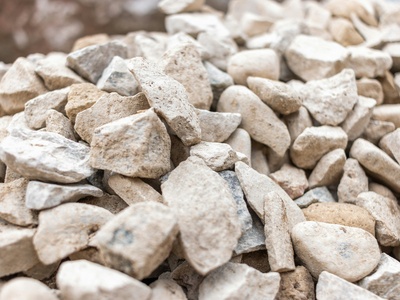
Common sedimentary rock quarried across Yemen for cement manufacture, construction aggregate and dimension stone. Local cement plants and building industry rely on extensive limestone outcrops near population centers.

Gypsum
Soft sulfate mineral used in cement, plaster and construction products. Gypsum deposits are quarried for local construction needs and as a cement raw material across Yemen.
Rock salt (halite)
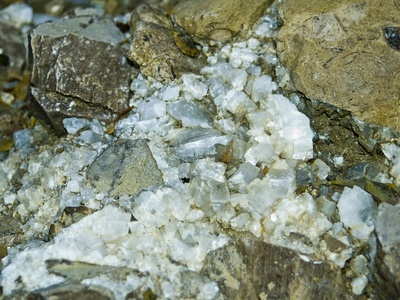
Sea-evaporated and inland salt pans provide halite for local salt production and small-scale industry. Coastal flats are exploited by simple evaporation methods for table and industrial salt.

Dimension stone / Marble
Polished decorative limestones, marbles and ornamental stones are quarried for local architecture and monuments. Stones vary regionally and are used in interior finishes, tiles and building facades.
Sand and gravel (silica)
Widely available quartz-rich sands and gravels used as construction aggregate, concrete and mortar ingredients. Easily accessible deposits support widespread informal and formal building activity.
Clay / Kaolin
Fine-grained clays used for pottery, bricks, ceramics and some industrial applications. Local communities extract clay for traditional crafts and brickmaking; kaolin occurrences reported in weathered profiles.
Sulfur
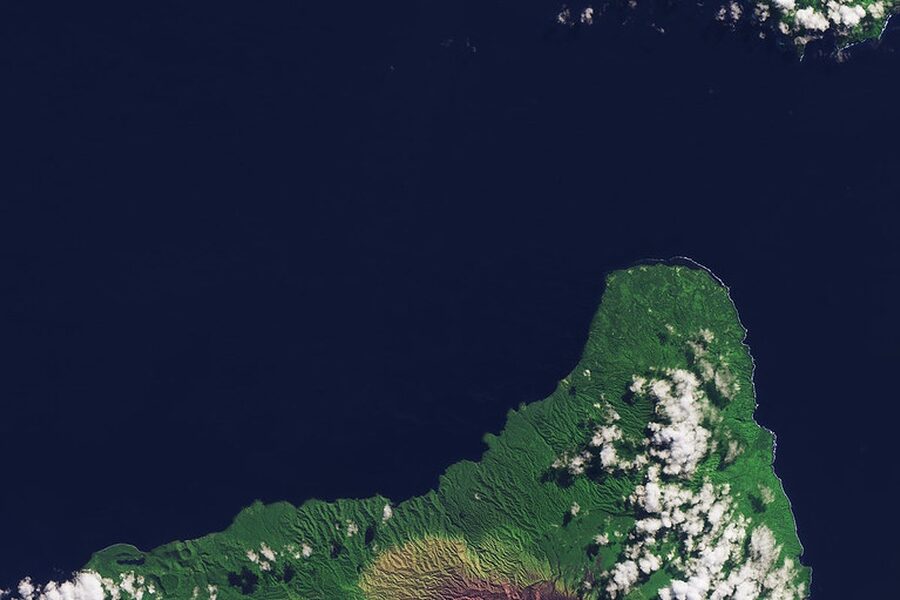
Elemental sulfur occurs near recent volcanic and fumarolic activity on Yemen’s Red Sea islands and was historically collected around vents. Industrial sulfur is primarily derived from oil/gas processing rather than mining.
Gold
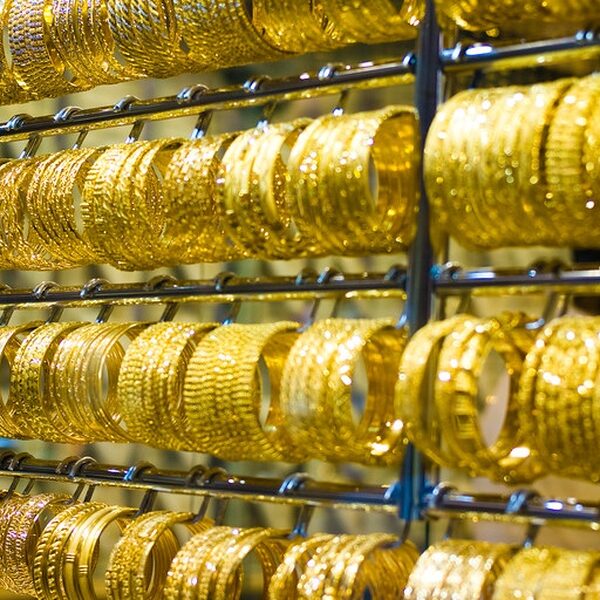
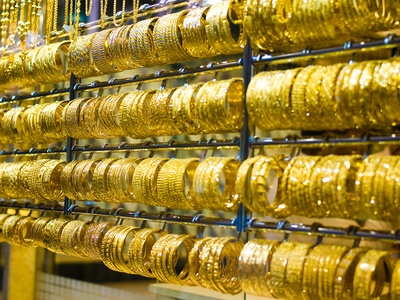
Gold has been found in epithermal veins and alluvial deposits; artisanal mining occurs in several highland districts. Documented occurrences have attracted exploration interest although large-scale production is limited by security and logistics.
Copper
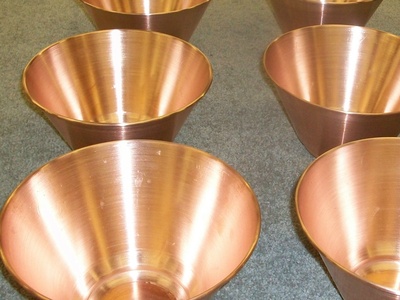
Copper shows up in several hydrothermal and skarn-style deposits associated with regional tectonics. Historical and modern exploration has identified occurrences; development constrained by infrastructure and security challenges.
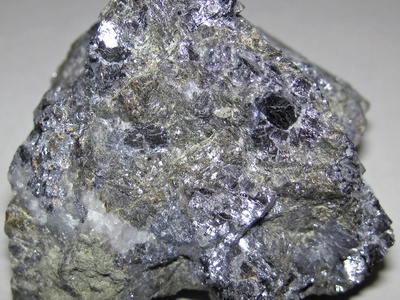
Lead-Zinc
Lead and zinc occur with copper and silver in vein and replacement deposits. Small-scale mine workings and exploration reports indicate mineralization, but sizable reserves remain undeveloped.
Gemstones (agate, garnet, assorted)
Small, locally collected gem and semi-precious stones such as agate and garnet occur in alluvial gravels and weathered host rocks. Mostly of artisanal interest and used locally or sold in small markets.