If you enjoy wandering parks, hedgerows or the edges of woodlands, common edible species are closer than you think — from the nuts tucked under oaks to the green shoots pushing through leaf litter. A little familiarity makes foraging safer and more rewarding, whether you’re harvesting for a meal or just curious about what grows around you.
There are 49 Edible Plants, ranging from Acorn (oak) to Wild garlic (ramsons). For each entry you’ll find below the Scientific name,Edible part(s),Season / location to help with identification and timing you’ll find below.
How can I safely identify edible plants like acorns and wild garlic?
Start with reliable field guides or region-specific apps and compare multiple traits: leaves, flowers, habitat, and season. Learn common lookalikes (and which parts to avoid), do small taste tests only when you’re certain, and when in doubt, consult an experienced forager or local expert.
When and where is it best to forage these plants?
Focus on legal, clean areas—avoid roadsides and treated lawns—and learn each plant’s season and preferred habitat from the table below; spring bulbs and greens appear early, nuts and fruits later in the year. Harvest sustainably: take small amounts and leave enough for wildlife and plant reproduction.
Edible Plants
| Name | Scientific name | Edible part(s) | Season / location |
|---|---|---|---|
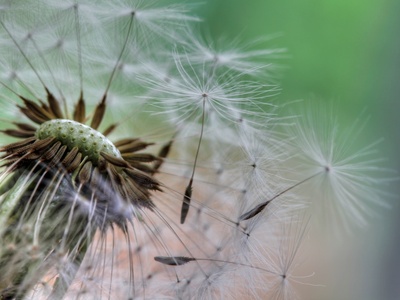
| Dandelion | Taraxacum officinale | Leaves, flowers, roots | Spring–fall; lawns, meadows, disturbed ground |
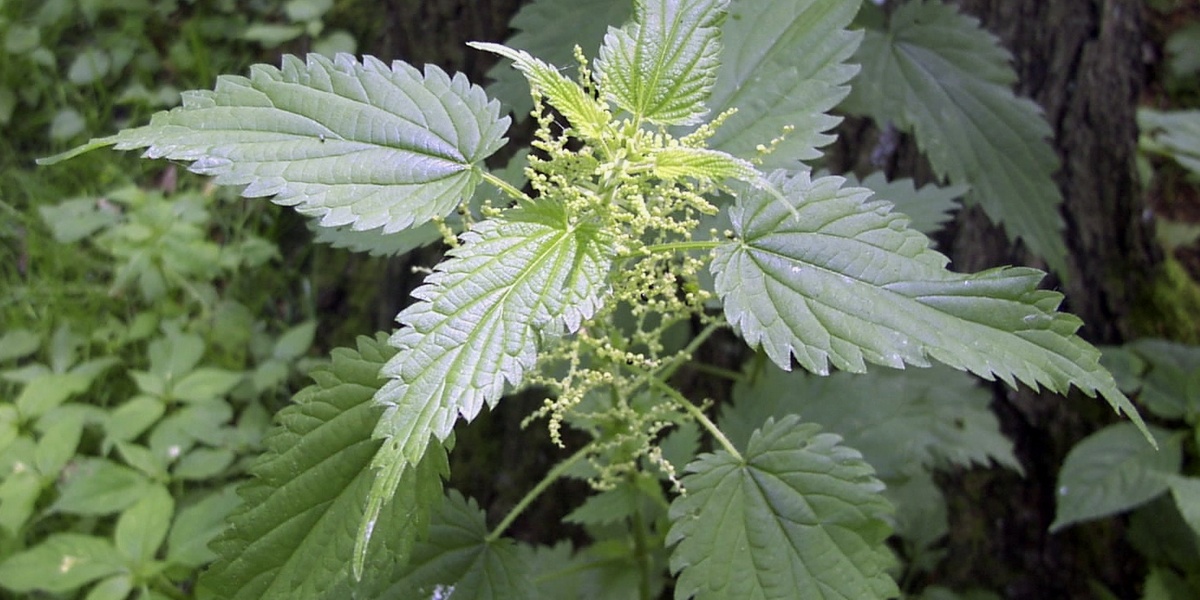
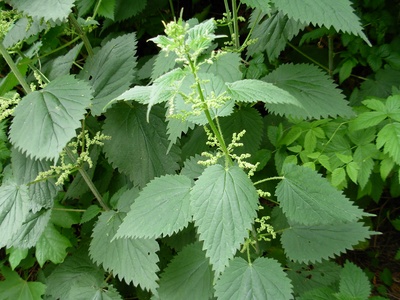
| Stinging nettle | Urtica dioica | Leaves, shoots | Spring; moist woodlands, hedgerows, riparian areas |
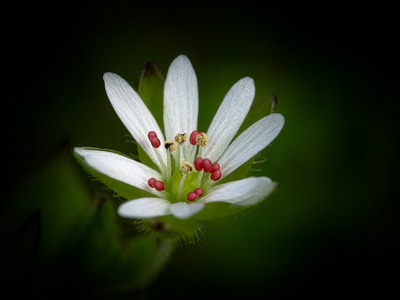
| Chickweed | Stellaria media | Leaves, stems, flowers | Spring–summer; gardens, lawns, disturbed soils |
| Lamb’s quarters | Chenopodium album | Leaves, young shoots, seeds | Spring–fall; disturbed ground, gardens, fields |
| Purslane | Portulaca oleracea | Leaves, stems, seeds | Summer; sunny disturbed ground, gardens |
| Plantain (broadleaf) | Plantago major | Leaves, seeds | Spring–fall; lawns, paths, disturbed soils |
| Garlic | Allium sativum | Bulb, leaves, flowers | Year-round cultivation; gardens, farms |
| Onion | Allium cepa | Bulb, leaves | Year-round cultivation; gardens, farms |
| Chive | Allium schoenoprasum | Leaves, flowers | Spring–summer; gardens, meadows |
| Ramps (wild leek) | Allium tricoccum | Leaves, bulbs | Spring; rich deciduous forests in temperate North America |
| Wild garlic (ramsons) | Allium ursinum | Leaves, bulbs | Spring; shady woodlands in Europe and parts of Asia |
| Spinach | Spinacia oleracea | Leaves | Spring–fall cultivation; gardens, farms |
| Kale | Brassica oleracea | Leaves | Cool-season cultivation; gardens, farms |
| Broccoli | Brassica oleracea | Flower heads, stems, leaves | Summer–fall cultivation; gardens, farms |
| Cabbage | Brassica oleracea | Leaves, head | Cool-season cultivation; gardens, farms |
| Carrot | Daucus carota | Root, greens | Late spring–fall; cultivated gardens and fields |
| Beet | Beta vulgaris | Root, leaves | Summer–fall; gardens, farms |
| Potato | Solanum tuberosum | Tubers | Late summer–fall harvest; cultivated fields |
| Sweet potato | Ipomoea batatas | Tubers, leaves | Late summer–fall; warm climates and gardens |
| Corn (maize) | Zea mays | Kernels, young shoots (tender) | Summer; fields and gardens |
| Pea | Pisum sativum | Pods (snap), seeds | Spring–summer; gardens, fields |
| Bean | Phaseolus vulgaris | Pods, seeds | Summer; gardens and fields |
| Almond | Prunus dulcis | Seed (nut) | Late summer; orchards, cultivated |
| Walnut | Juglans regia | Nut (seed) | Fall; orchards, woodlands |
| Hazelnut | Corylus avellana | Nut (seed) | Fall; hedgerows, woodlands |
| Chestnut | Castanea sativa | Nut (seed) | Fall; woodlands, orchards |
| Apple | Malus domestica | Fruit | Late summer–fall; orchards, gardens |
| Pear | Pyrus communis | Fruit | Late summer–fall; orchards, gardens |
| Grape | Vitis vinifera | Fruit | Late summer–fall; vineyards, wild vines |
| Strawberry | Fragaria × ananassa | Fruit, leaves | Spring–summer; gardens, wild patches |
| Raspberry | Rubus idaeus | Fruit | Summer; brambles, hedgerows |
| Blackberry | Rubus fruticosus | Fruit | Summer; brambles, hedgerows |
| Blueberry | Vaccinium corymbosum | Fruit | Summer; acidic soils, heathlands, forests |
| Elderberry | Sambucus nigra | Flowers, cooked berries | Summer; hedgerows, woodlands |
| Sumac (staghorn) | Rhus typhina | Berries (drupes) used as spice | Late summer–fall; open woods, roadsides |
| Acorn (oak) | Quercus robur | Seeds (acorns) after processing | Fall; woodlands, forests |
| Sunflower | Helianthus annuus | Seeds, sprouts, petals | Late summer; fields, gardens |
| Nasturtium | Tropaeolum majus | Leaves, flowers, seeds | Summer; garden beds, containers |
| Calendula | Calendula officinalis | Petals | Summer; gardens, sunny beds |
| Watercress | Nasturtium officinale | Leaves, stems, flowers | Spring–summer; clean streams, damp ditches |
| Mustard greens | Brassica juncea | Leaves, seeds | Spring–fall; cultivated and wild fields |
| Coriander / Cilantro | Coriandrum sativum | Leaves (cilantro), seeds (coriander) | Spring–summer; gardens, pots |
| Basil | Ocimum basilicum | Leaves, flowers | Summer; gardens, greenhouses |
| Mint | Mentha × piperita | Leaves, stems, flowers | Summer; damp soils, gardens |
| Rosemary | Salvia rosmarinus | Leaves | Year-round in mild climates; gardens, rocky soils |
| Thyme | Thymus vulgaris | Leaves, flowers | Summer; rocky soils, gardens |
| Oregano | Origanum vulgare | Leaves | Summer; Mediterranean climates, gardens |
| Sage | Salvia officinalis | Leaves, flowers | Summer; gardens, Mediterranean climates |
| Avocado | Persea americana | Fruit (pulp) | Year-round availability; tropical/subtropical orchards and markets |
Images and Descriptions
Dandelion
A common wild green with toothed leaves and bright yellow flowers. Young leaves are bitter-sweet in salads, flowers for fritters or syrups, roots roasted as coffee substitute. Avoid polluted sites and overharvest; moderate bitterness can be blanched to soften flavor.
Stinging nettle
Recognizable by serrated leaves and stinging hairs; cook, dry or steam to neutralize nettles’ sting. Used like spinach or in soups and teas. Harvest young shoots; wear gloves when picking and avoid contaminated waters or pesticide-treated areas.
Chickweed
A low, mat-forming edible weed with small white star-like flowers. Mild-flavored leaves and stems work well raw in salads or lightly cooked. Best harvested young; avoid areas treated with herbicides or heavy pollution.
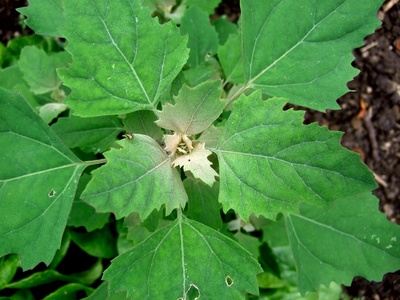
Lamb’s quarters
Also called wild spinach, triangular-mealy leaves are nutritious cooked or raw when young. Seeds can be ground or popped. Avoid excessive consumption raw due to oxalates; identify carefully to avoid similar-looking toxic species.
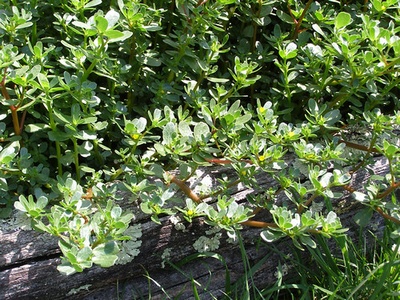
Purslane
A succulent with smooth, spoon-shaped leaves and a lemony, slightly sour flavor. Great raw in salads or lightly cooked. Rich in omega-3s. Harvest from clean sites; may be considered invasive in some areas.
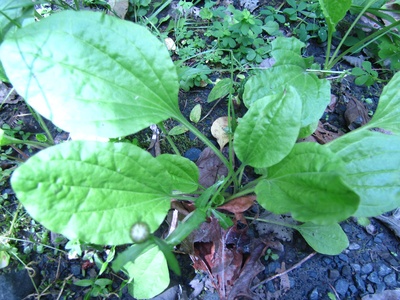
Plantain (broadleaf)
Low rosette with broad oval leaves and ribbed veins. Young leaves are edible cooked or raw; seeds can be used like a mild grain. Avoid pesticide-treated lawns and mature, fibrous leaves which are less palatable.
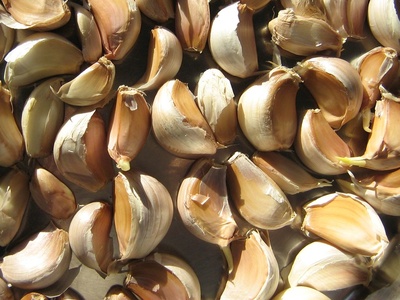
Garlic
Pungent bulb used worldwide for seasoning, roasted, sautéed, or raw. Scapes and young leaves are also edible. Store bulbs cool and dry. Rare allergies exist; avoid excessive medicinal doses during pregnancy without guidance.
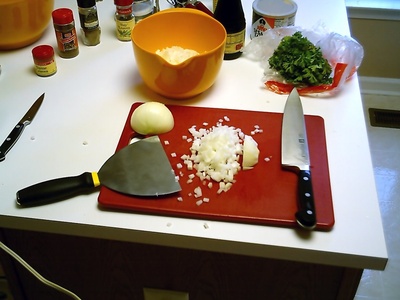
Onion
Common aromatic bulb used raw or cooked in countless dishes. Green tops also edible. Store in cool, dry conditions. Be cautious: wild lookalikes are uncommon, but Allium family members can be confused with toxic species in some regions.
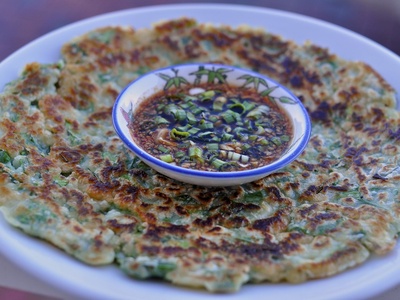
Chive
Grass-like leaves and purple flowers with a mild onion flavor, perfect chopped onto dishes or as garnish. Easy to grow and harvest repeatedly. Avoid bitter or bolting plants; flowers are decorative and edible.
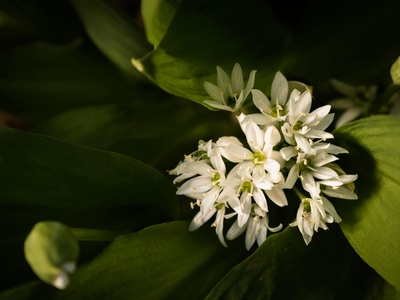
Ramps (wild leek)
Garlicky-oniony wild spring green prized for its flavor. Harvest sparingly and by taking leaves rather than whole clumps to protect populations. Confuse with toxic lookalikes; ensure correct identification before consumption.
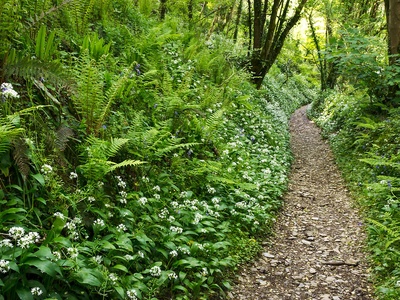
Wild garlic (ramsons)
Broad, aromatic leaves with a distinct garlic scent; used raw in pesto or cooked like spinach. Beware of poisonous lookalikes such as lily-of-the-valley; only harvest where identification is certain.
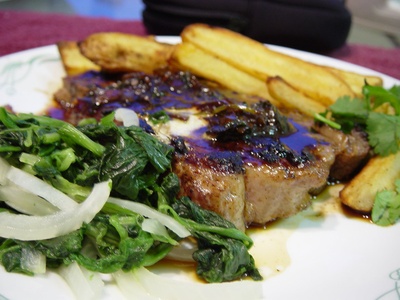
Spinach
Tender leafy green used raw in salads or cooked. Mild, slightly sweet to bitter taste depending on maturity. Cook to reduce oxalates if needed and avoid consuming large quantities raw if prone to kidney stones.
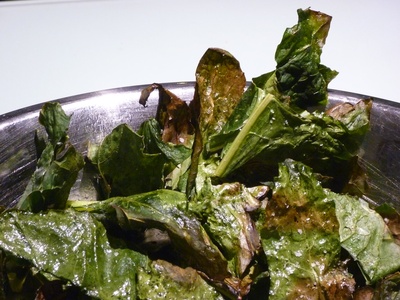
Kale
Hardy leafy brassica with curly or flat leaves. Versatile raw in salads, sautéed, or baked as chips. Rich in vitamins; older leaves can be tough and bitter, so use younger growth for best texture.
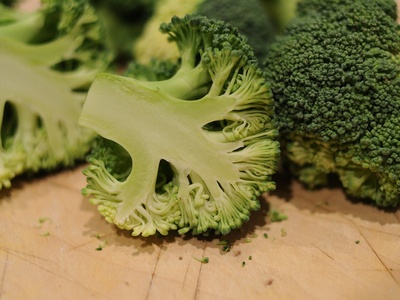
Broccoli
Dense green flower clusters and tender stems eaten raw, steamed, or roasted. Harvest before flowers open. Leaves are also edible. Avoid eating broccoli that has turned bitter or moldy.
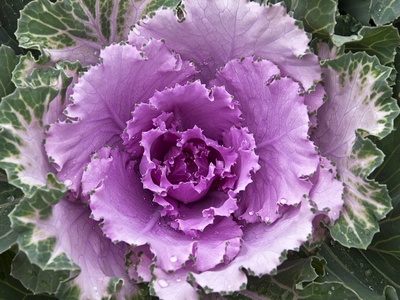
Cabbage
Tightly packed leafy head eaten raw in slaws or fermented, or cooked. Watch for slug damage in fields; store in cool conditions. Some people experience digestive gas; cook to soften and aid digestion.
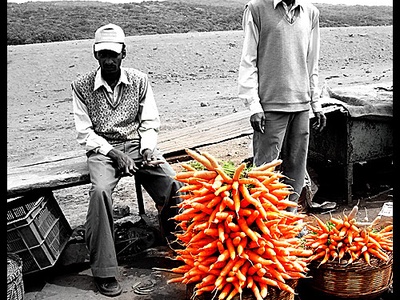
Carrot
Orange taproot sweet when harvested young; tops edible as herb. Distinguish from poisonous wild carrot lookalikes (poison hemlock) by smell and leaf structure. Store roots cool and dry; avoid green, bitter roots.
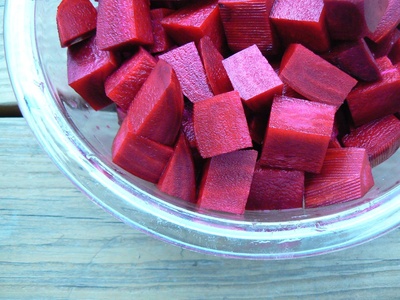
Beet
Round or elongated roots with earthy flavor; leaves (chard-like) are edible. Roasted, boiled, or raw shredded for salads. Beet greens are nutritious; check for soil contaminants when foraging near roads.
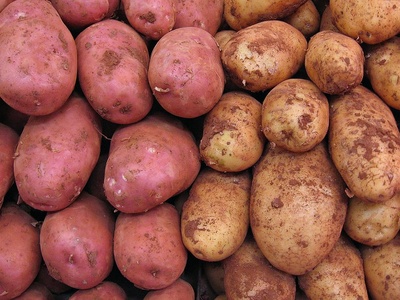
Potato
Staple tuber eaten cooked—boiled, baked, mashed. Avoid green, sprouted, or damaged tubers due to solanine toxicity. Wild relatives may be toxic; use only cultivated potatoes and cook thoroughly.
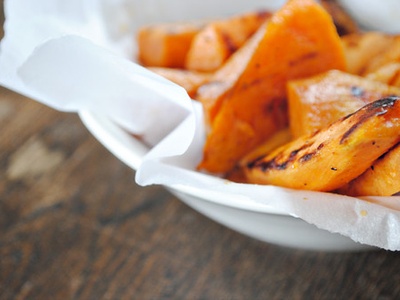
Sweet potato
Starchy tuber with sweet flavor; leaves and shoots also edible when cooked. Store tubers in cool dry place; avoid eating raw for best digestion and flavor. Varieties vary in sweetness and texture.
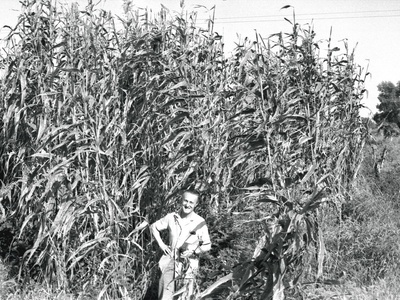
Corn (maize)
Sweet kernels eaten fresh, roasted, or dried into meal. Harvest ears when kernels are plump and milky. Young shoots and silks are sometimes used; avoid moldy kernels which can harbor mycotoxins.
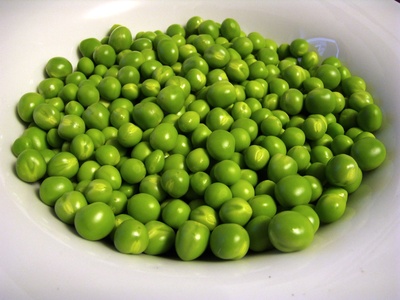
Pea
Tender pods eaten whole when young (snap peas) or shelled for peas. Fresh peas are sweet; can be eaten raw or cooked. Harvest before pods harden for best texture and flavor.
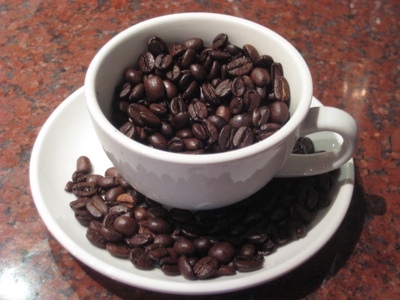
Bean
Green beans eaten whole when young; mature seeds are dried or cooked. Avoid raw mature kidney beans—contain lectins and require thorough cooking. Identify pod type before consuming raw.
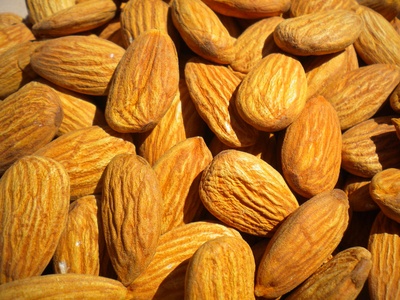
Almond
Sweet almonds are edible raw or roasted; bitter almonds contain cyanogenic compounds and require processing. Harvest and dry nuts fully; check for rancidity. Avoid consuming bitter varieties without proper processing.

Walnut
Round nuts in hard shells with rich oily kernels used raw, toasted, or pressed for oil. Harvest when husks split; store in cool dry conditions. Some individuals have tree-nut allergies; test cautiously.

Hazelnut
Small round nuts with sweet kernels eaten raw, roasted, or ground. Harvest fallen nuts or shake shrubs. Store dry to prevent mold. Be aware of nut allergy risks for some people.
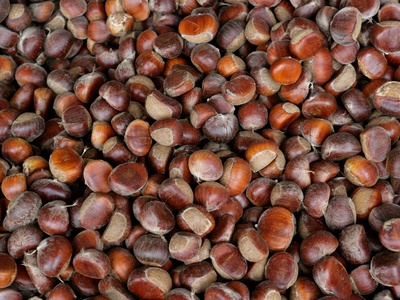
Chestnut
Sweet starchy nuts roasted or boiled; shell and inner skin removed before eating. Avoid moldy or worm-infested nuts. Some horse chestnuts are toxic—identify true edible chestnuts carefully.
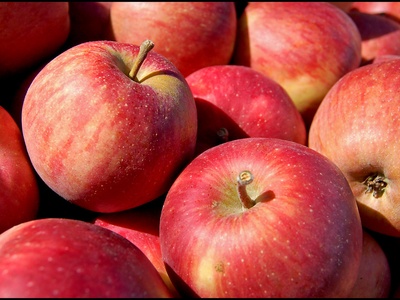
Apple
Fleshy pomes eaten fresh, baked, or preserved. Identify shopping or foraging locations to avoid sprayed trees. Some wild varieties are tart; cook or sweeten as desired. Seeds contain trace cyanide—avoid eating large quantities.
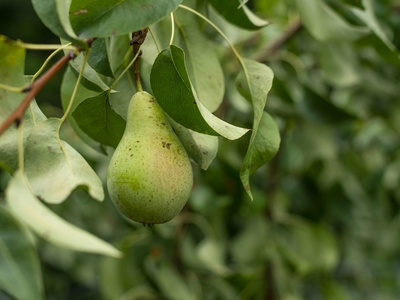
Pear
Juicy pome fruit eaten fresh or cooked; harvest when slightly firm and ripe off-tree if needed. Some varieties store well in cool conditions. Check for insect or rot damage before consuming.
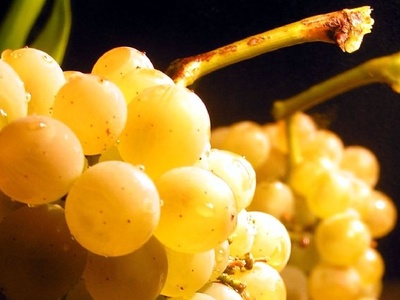
Grape
Clusters of sweet or tart berries used fresh, dried or fermented. Taste to confirm edibility and avoid pesticide-sprayed vines. Some wild grapes are sour and better cooked into jams or juices.
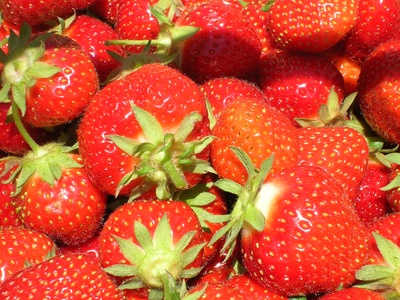
Strawberry
Small red aggregate fruit sweet and aromatic, eaten fresh or preserved. Leaves can be used in teas. Harvest ripe berries promptly; avoid berry patches near roads or contaminated soils.
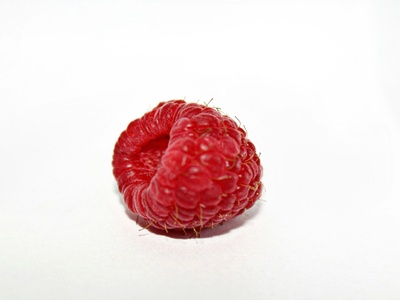
Raspberry
Red conical aggregate berries that detach easily when ripe. Sweet eaten fresh, in desserts or preserves. Brambles have thorns; harvest carefully. Avoid unripe or moldy berries to prevent stomach upset.
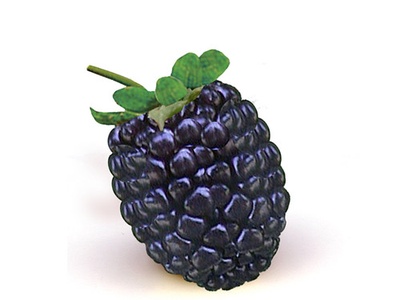
Blackberry
Dark, juicy aggregate berries used fresh or cooked. Thorns on canes make harvesting a challenge. Look for plump, glossy berries and avoid overripe or insect-damaged fruit.
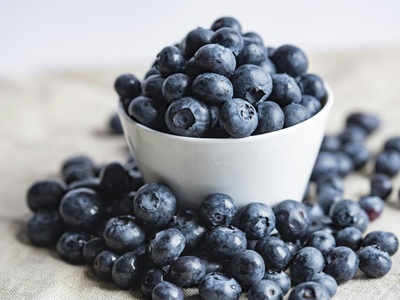
Blueberry
Small blue berries sweet or tart depending on species; eaten fresh or in baking/preserves. Grow on acidic soils; wild blueberries often have intense flavor. Wash thoroughly to remove soil and debris.
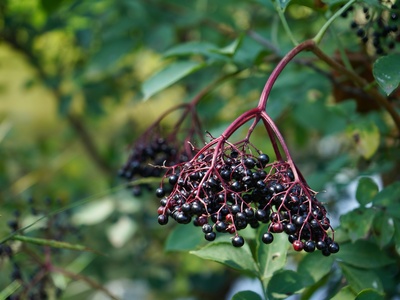
Elderberry
Umbel of white flowers and dark berries used for syrups, jams, and cordials—but raw berries, leaves, and seeds contain cyanogenic glycosides and must be cooked. Avoid raw consumption and verify species.
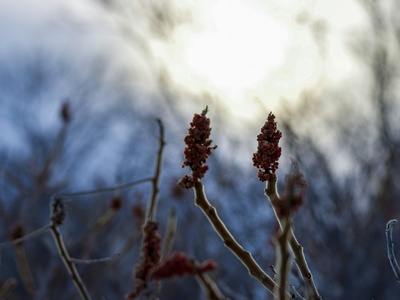
Sumac (staghorn)
Clusters of tart red drupes used dried and ground as a lemony spice. Identify carefully: do not confuse with poison sumac. Test small amounts and avoid contaminated roadside specimens.
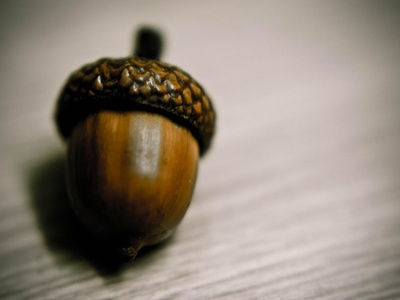
Acorn (oak)
Acorns are high in tannins and require thorough leaching (cold or hot water) to become palatable. Once leached, acorns can be ground into flour or roasted. Avoid bitter or moldy acorns.
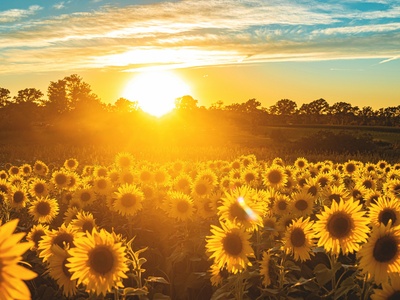
Sunflower
Large seed heads produce edible seeds eaten raw, roasted, or pressed for oil. Young shoots and petals are also edible. Harvest dry heads to collect mature seeds and avoid moldy or insect-damaged seeds.
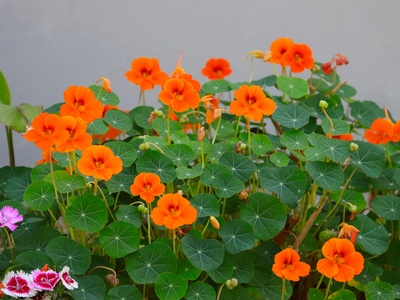
Nasturtium
Bright, peppery-flavored leaves and flowers add spice to salads; seeds can be pickled as caper substitutes. Easy to grow; avoid if allergic to Tropaeolaceae and harvest from pesticide-free areas.
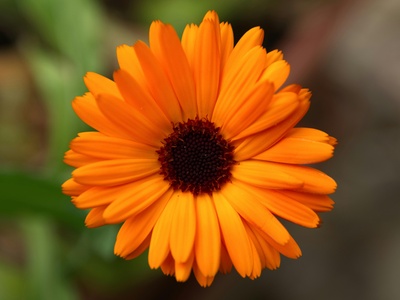
Calendula
Vivid orange-yellow petals used fresh or dried as a garnish or mild flavoring. Edible petals brighten salads, but avoid if allergic to Asteraceae. Harvest before flowers fade and ensure pesticide-free sourcing.
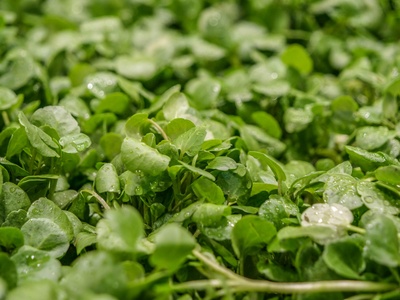
Watercress
Peppery aquatic green used raw in salads or sandwiches. Harvest from fast-flowing, clean water to avoid pathogens and pollutants. Cook lightly for soups; avoid watercress from contaminated waterways.
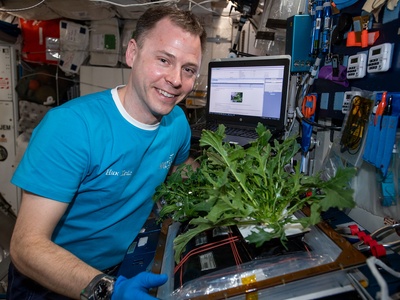
Mustard greens
Spicy, pungent greens used raw or cooked; seeds make mustard spice. Young leaves milder; older leaves can be strong. Avoid eating in very large amounts if sensitive to thyroid issues.
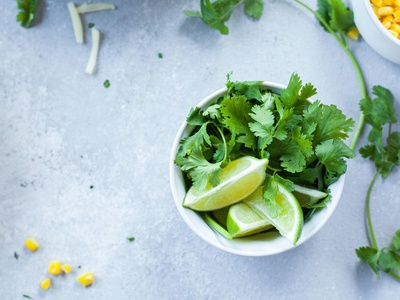
Coriander / Cilantro
Dual-purpose herb: fresh leaves for bright citrusy flavor, dried seeds for warm spice. Leaves lose flavor when overheated; seeds are used whole or ground. Some people have genetic aversion to the leaf flavor.
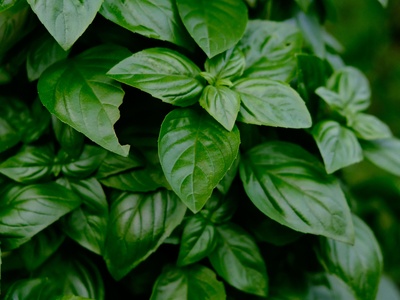
Basil
Aromatic soft-leaved herb with many cultivars. Fresh leaves are key in pesto, salads, and cooking; flowers are edible. Harvest regularly to encourage growth. Avoid spoiled or pesticide-exposed plants.
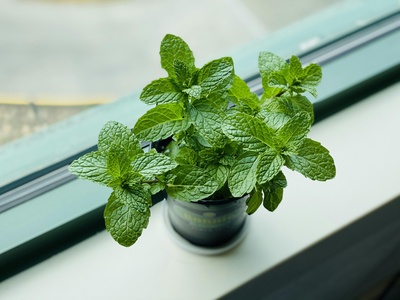
Mint
Cooling, aromatic herb used fresh or dried in drinks, sauces and desserts. Vigorous spreader—harvest to control growth. Some people experience gastrointestinal upset from large quantities.
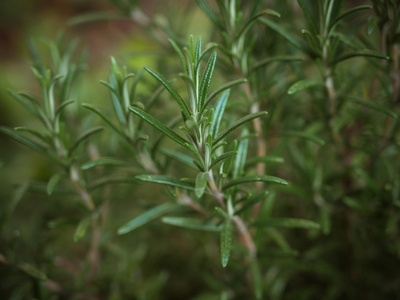
Rosemary
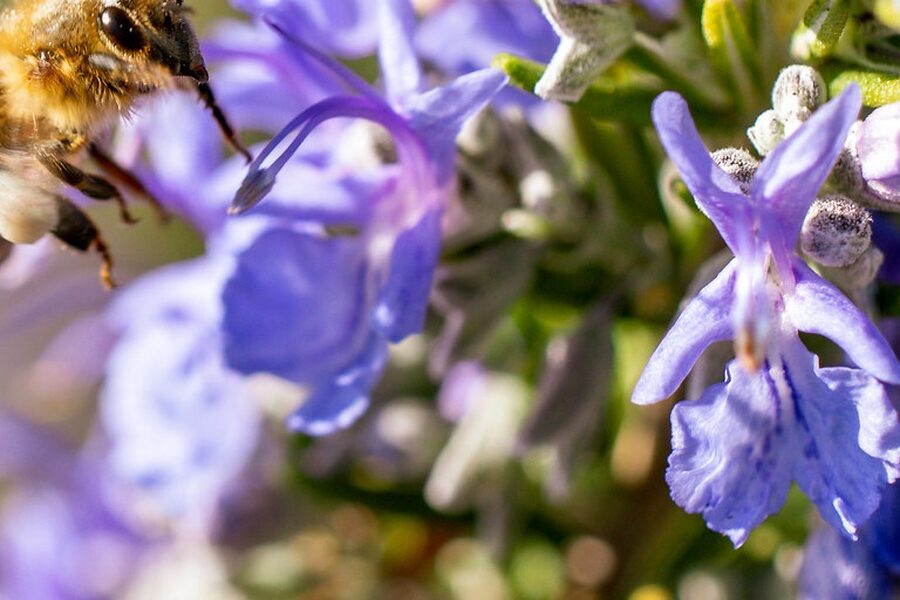
Woody aromatic herb with needle-like leaves used sparingly to flavor meats and stews. Strong flavor—use small amounts. Avoid large medicinal doses during pregnancy without medical advice and ensure fresh, clean sourcing.
Thyme
Small aromatic leaves used fresh or dried to season many dishes. Flowers are edible and flavorful. Harvest before full bloom for best flavor and dry for storage.
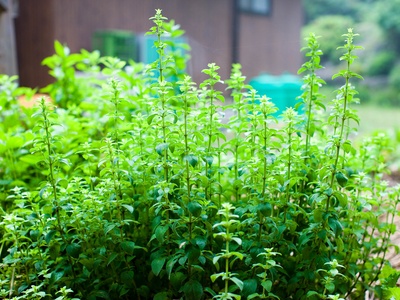
Oregano
Pungent herb used fresh or dried in Mediterranean cuisine. Leaves are aromatic; best dried for concentrated flavor. Harvest in dry weather for best oil content and flavor retention.
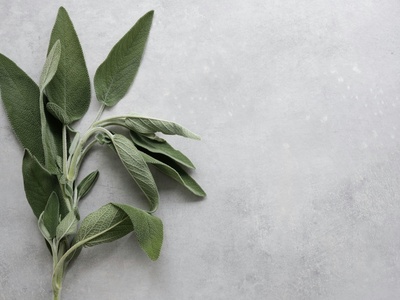
Sage
Strong, savory leaves used sparingly to flavor meats, stuffing, and sauces. Fresh or dried. Avoid large medicinal doses during pregnancy or if on certain medications; cook to mellow intense flavor.
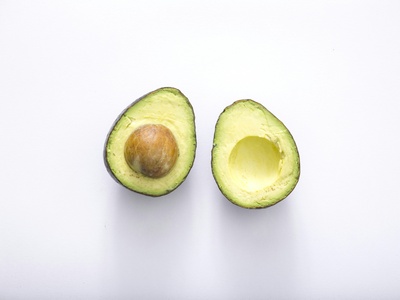
Avocado
Creamy, high-fat fruit eaten raw in slices, mashed or blended. Ripeness matters—press gently to test. Avoid skin and large seed; some people have latex-fruit allergy reactions. Store unripe to ripen at room temperature.