Iceland’s mix of volcanic geology, long coastline and clean energy infrastructure shapes the goods and services the country draws from land and sea. From fish landed in small harbors to hot springs used for heating, the island’s resources are tied closely to everyday life and industry.
There are 25 Natural Resources of Iceland, ranging from Arctic char to Wind energy. For each resource, data is organized with Category,Renewable,Primary locations so you can quickly see type, whether it’s renewable, and where it’s found — you’ll find below.
How do Iceland’s natural resources support its economy?
Iceland relies on a few key sectors: fisheries (including Arctic char and other species) supply food and exports, geothermal and hydropower provide low-cost electricity and heating that attract industry, and mineral and freshwater resources support local use and tourism. Together these resources drive exports, jobs and energy independence while keeping import needs lower than in many countries.
What climate or development risks could affect these resources?
Fisheries, freshwater ecosystems and glacial-fed hydropower are sensitive to temperature and precipitation shifts, while land-use changes can impact soils and habitats; wind energy and regulated geothermal fields are more resilient but still need planning. Monitoring, adaptive management and diversified use help reduce risk to supply and ecosystem health.
Natural Resources of Iceland
| Resource | Category | Renewable | Primary locations |
|---|---|---|---|
| Geothermal energy | Energy | Yes | Reykjanes Peninsula,Hengill,Krafla,Svartsengi |
| Hydropower | Energy | Yes | Central highlands,and rivers Þjórsá,Skjálfandafljót |
| Glacial meltwater | Freshwater | Yes | Vatnajökull,Langjökull,Hofsjökull and outlet rivers |
| Groundwater | Freshwater | Yes | Porous lava fields,river gravels,coastal plains |
| Atlantic cod | Marine/Biotic | Yes | Coastal shelf waters,especially northwest and east |
| Haddock | Marine/Biotic | Yes | Continental shelf around Iceland |
| Herring | Marine/Biotic | Yes | Coastal and shelf waters,south and west |
| Capelin | Marine/Biotic | Yes | Seasonal runs off north and east coasts |
| Northern shrimp | Marine/Biotic | Yes | Continental slopes around the island |
| Langoustine (Nephrops) | Marine/Biotic | Yes | Westfjords,south coast and fjords |
| Icelandic scallop | Marine/Biotic | Yes | Westfjords and northern waters |
| Kelp/Seaweed | Marine/Biotic | Yes | Sheltered bays and fjords around coasts |
| Whales | Marine/Biotic | No | North and east offshore waters |
| Puffin (seabird) | Marine/Biotic | Yes | Coastal cliffs and islands such as Vestmannaeyjar |
| Volcanic soil (topsoil) | Agricultural/Soil | Yes | Lava fields,lowland plains and river terraces |
| Peat | Agricultural/Soil | No | Lowland bogs across Iceland |
| Basalt | Mineral | No | Ubiquitous across island;lava fields and quarries |
| Pumice/Scoria | Mineral | No | Near explosive eruption sites and young lava fields |
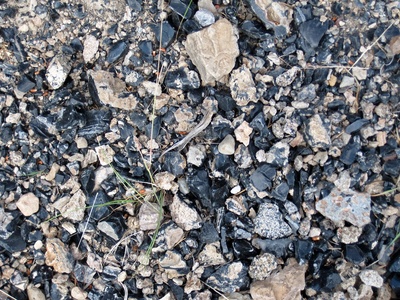
| Obsidian | Mineral | No | Localized lava fields(e.g.,Hrafntinnuhraun) |
| Sand and gravel | Mineral | No | Glacial outwash plains(sandurs) and riverbeds |
| Diatomite | Mineral | No | Limited lake deposits(lacustrine basins) |
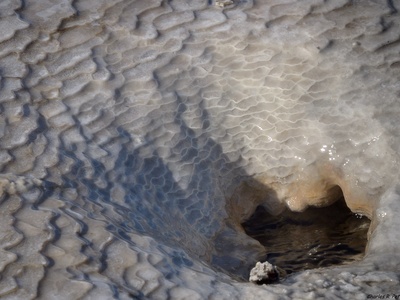
| Silica sinter | Mineral | No | Hot springs and geyser fields(e.g.,Geysir area) |
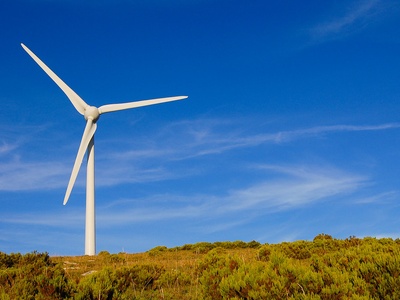
| Wind energy | Energy | Yes | Coastal ridges,exposed highlands and hilltops |
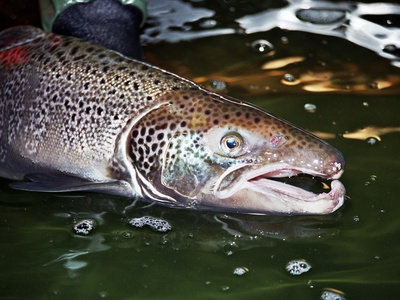
| Atlantic salmon | Freshwater | Yes | Rivers such as Laxá,Ölfusá and northern systems |
| Arctic char | Freshwater | Yes | Lakes across interior and coastal fjords |
Images and Descriptions
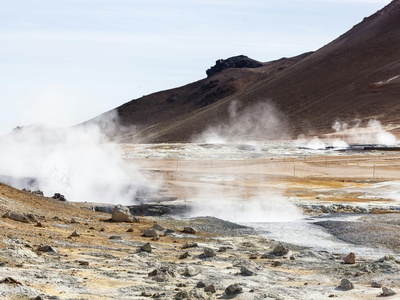
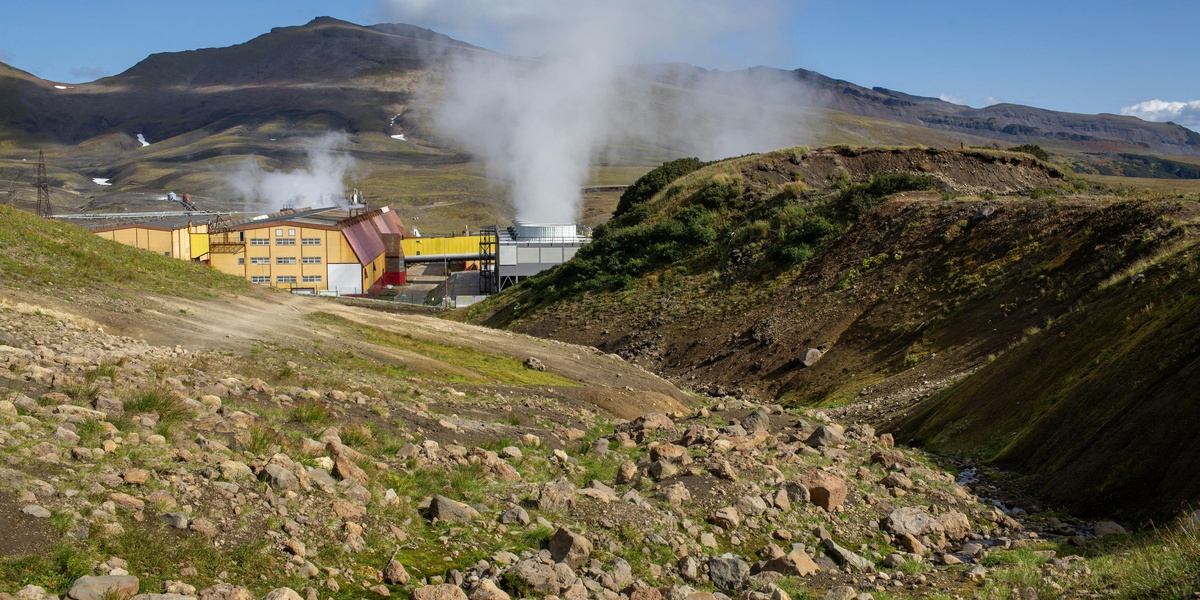
Geothermal energy
Heat from abundant underground volcanic systems used for electricity, heating, and industry. Major source of low-carbon power, district heating and greenhouse agriculture; tapped in dozens of sites. Notable for high renewability, but requires careful reservoir management to avoid depletion or pollution.
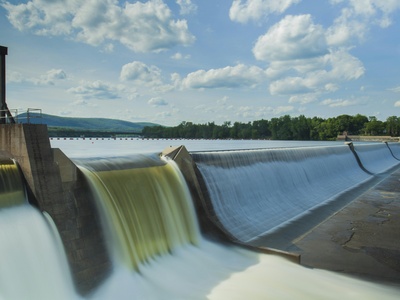
Hydropower
Iceland’s rivers and glacial melt feed hydroelectric stations that supply large-scale renewable electricity. Hydropower drives heavy industry and grid stability, concentrated in central highlands and eastern rivers. Environmental trade-offs include habitat change and sedimentation in dammed valleys.
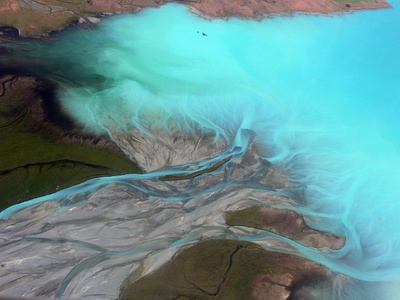
Glacial meltwater
Meltwater from Iceland’s glaciers provides freshwater for drinking, irrigation, and hydropower. Major sources include Vatnajökull, Langjökull and Hofsjökull glaciers. Climate-driven retreat affects long-term availability and increases sediment loads, creating both resource and management challenges.
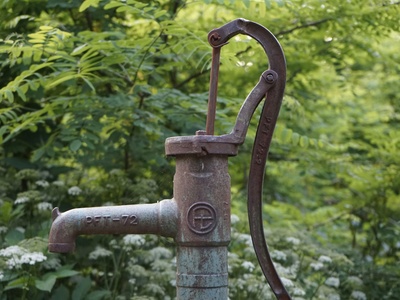
Groundwater
Aquifers and springs supply municipal water and some geothermal sites; groundwater is vital for towns and agriculture. Found in porous lava, river gravels and coastal plains. Recharge depends on precipitation; pollution and overuse are local concerns requiring protection and monitoring.
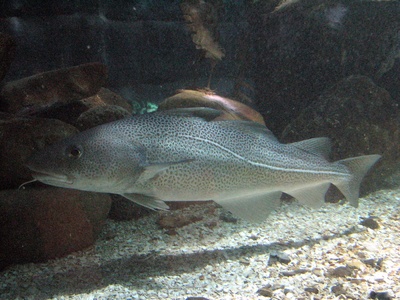
Atlantic cod
Atlantic cod is Iceland’s historically dominant commercial fish, central to exports and culture. Found around coastal shelf waters, especially northwest and east. Managed through quotas and seasons; stocks are renewable if well-managed but sensitive to climate and fishing pressure.

Haddock
Haddock is an important demersal fish harvested commercially around Iceland’s continental shelf. Used for fresh, frozen and processed markets. Stocks are managed by national quotas; recovery depends on recruitment, predator-prey dynamics and fishing impact.
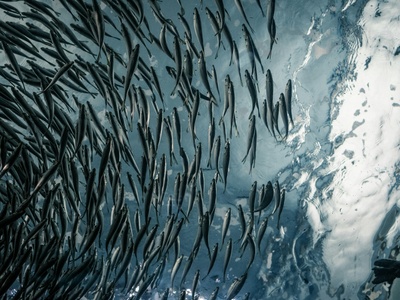
Herring
Icelandic herring supported major fisheries historically and remains valuable when stocks boom. Found in coastal and shelf waters, especially south and west. Catch management and environmental variability drive boom-bust cycles; herring remains culturally and economically notable.
Capelin
Capelin are small pelagic fish crucial as forage for cod, seabirds and whales. Seasonal spawning runs drive large fisheries off Iceland’s north and east coasts. Their populations are highly variable and linked to ocean temperature and ecosystem health.
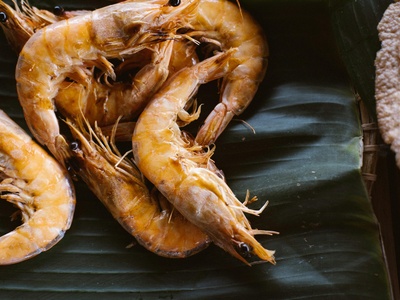
Northern shrimp
Cold-water shrimp support a valuable Icelandic fishery harvested on continental slopes around the island. Marketed as fresh, frozen and peeled shrimp for export. Stocks are managed with quotas; vulnerable to bottom trawling and ecosystem shifts.
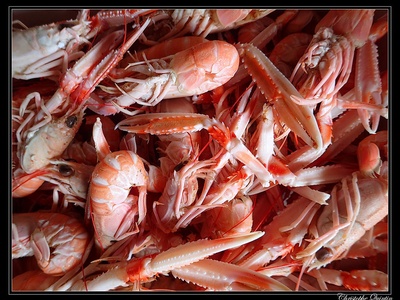
Langoustine (Nephrops)
Langoustine, or Norway lobster, is harvested in fjords and coastal grounds, prized for restaurant markets. Icelandic catches come mainly from Westfjords and south coast. Fishery is commercially important and faces habitat sensitivity to trawling.
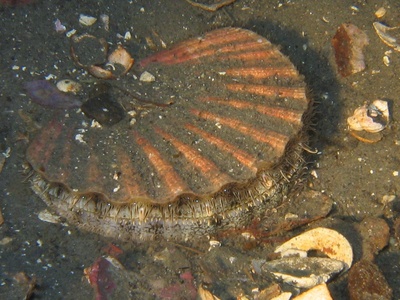
Icelandic scallop
The Icelandic scallop is a benthic shellfish harvested mainly in Westfjords and northern waters. Valued for domestic markets and export, stocks are managed with area closures and quotas to prevent overharvest and allow recovery.
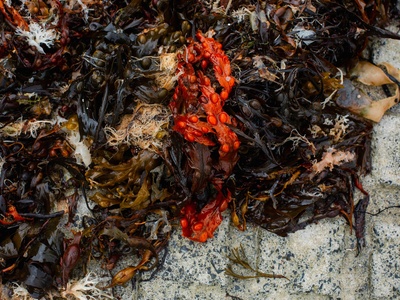
Kelp/Seaweed
Seaweed and kelp grow extensively along Iceland’s coasts and are harvested for food, animal feed, alginates and cosmetics. Major collection areas include sheltered bays and fjords. Wild harvests and small-scale cultivation raise sustainability and monitoring concerns.
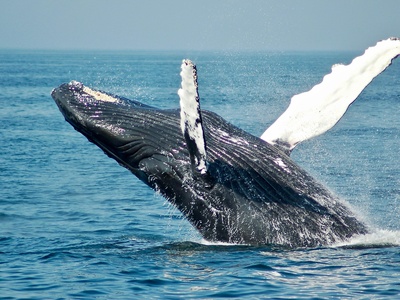
Whales
Several whale species occur in Icelandic waters and were historically hunted for meat and oil; modern whaling has been limited. Whales are ecologically and culturally important, and whale-watching has become a major tourism-based sustainable value.
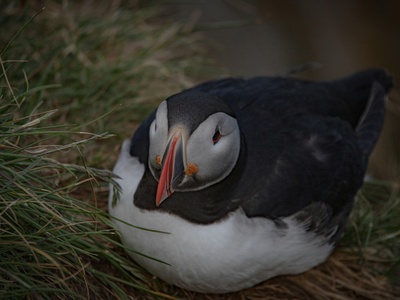
Puffin (seabird)
Puffins and other seabirds have been harvested historically for eggs, meat and down; colonies are concentrated on coastal cliffs and islands such as Vestmannaeyjar. Puffins remain a cultural food source and tourist attraction, but colonies are sensitive to overharvest and climate change.
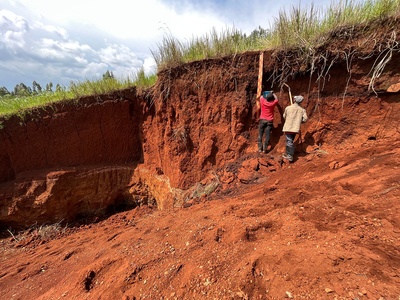
Volcanic soil (topsoil)
Weathered volcanic soils provide pockets of fertile land used for grazing and hay; soils are common near lava fields and lowland plains. They underpin limited agriculture and greenhouse production but can be thin and erosion-prone.
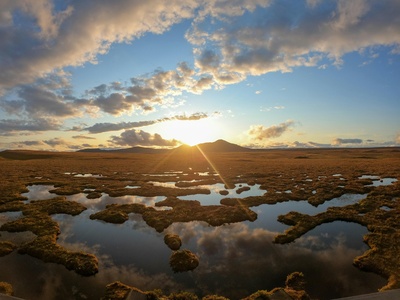
Peat
Peat bogs occur in lowland wetlands and were traditionally cut for turf fuel and horticulture. Peat accumulates slowly; continued extraction releases carbon and damages habitats, so peat is largely treated as nonrenewable and its use has declined.
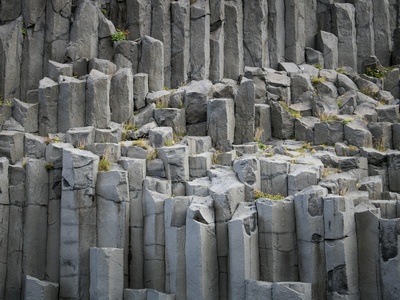
Basalt
Basalt is the dominant volcanic rock across Iceland, quarried for roadstone, construction and landscaping. Widely distributed, basalt underpins the island’s geology and supplies local building materials with low transport carbon compared with imports.
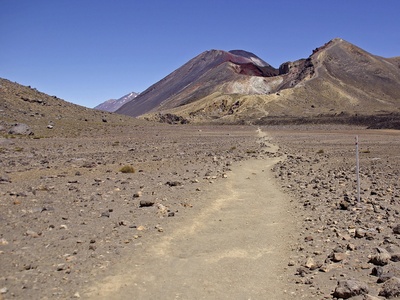
Pumice/Scoria
Pumice and scoria are lightweight volcanic fragments used as construction aggregate, insulation and horticultural media. Found near recent and historic lava fields and explosive eruption sites; they are economically useful but limited in extent.
Obsidian
Obsidian, volcanic glass, occurs in several Icelandic lava fields and was used historically for tools and jewelry. Small local occurrences are valued for cultural heritage and lapidary uses rather than large-scale industry.

Sand and gravel
Glacial outwash plains and riverbeds supply sand and gravel for construction and shoreline management. Major deposits on sandurs support local infrastructure, but extraction can harm river dynamics, coastal systems and habitats.
Diatomite
Diatomite (diatomaceous earth) occurs in limited lacustrine deposits and has been mined for filtration, insulation and absorbents. Iceland’s deposits are small-scale; exploitation requires careful site restoration to protect fragile lake ecosystems.
Silica sinter
Silica sinter and other hydrothermal precipitates form around hot springs and geysers. They are locally collected for ornamental stone and studied geologically; commercial uses are minor compared with Iceland’s energy resources.
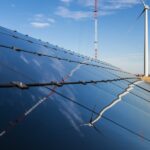
Wind energy
Strong coastal and highland winds represent a growing renewable energy resource for electricity generation. Wind farms and turbines are expanding experimentally and commercially; siting must consider visual impact, bird collisions and integration with geothermal and hydro systems.
Atlantic salmon
Atlantic salmon run in Icelandic rivers and are prized for angling and limited commercial harvest. Key rivers include Laxá, Ölfusá and rivers in the north. Populations are managed through conservation measures to support recreation and biodiversity.
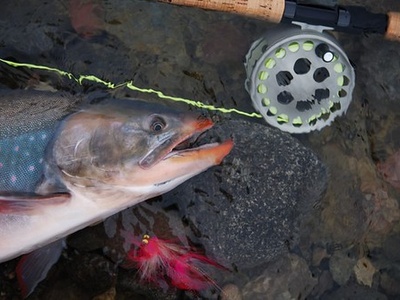
Arctic char
Arctic char inhabit lakes and coastal waters and are harvested both commercially and recreationally. Found in lake systems across Iceland and in fjords, char support local fisheries and aquaculture with attention to stock health and habitat protection.