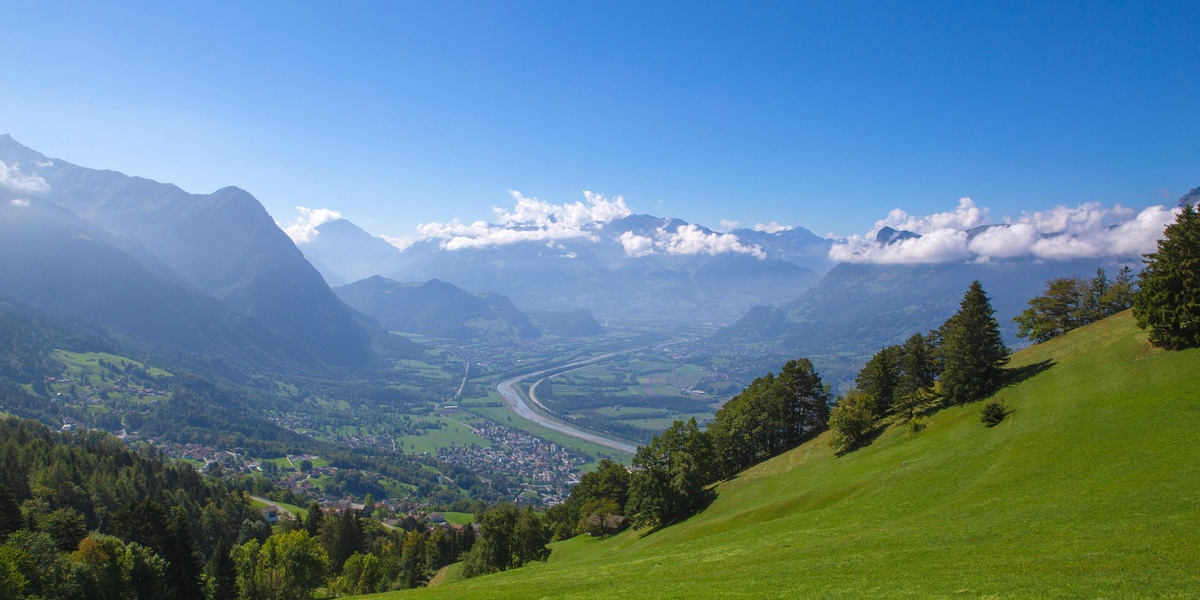
Liechtenstein is a compact Alpine principality where steep slopes, patchwork meadows and short river valleys shape local land use and resource potential. Its small size means resources are often managed at the municipal or cantonal level, with a mix of agricultural, forested and freshwater assets that serve residents and local industry.
There are 20 Natural Resources of Liechtenstein, ranging from Agricultural land (meadows & arable) to Small hydropower potential. For each resource you’ll find the Type, Location, Scale/quantity (ha or m3 or MW) organized in a simple table so you can compare area, volume or installed capacity—you’ll find below.
How much do these resources matter for daily life and planning in Liechtenstein?
Most resources support local needs rather than large exports: agricultural land and forests provide food, grazing and timber; freshwater supplies drinking water and irrigation; small hydropower and groundwater offer limited energy and utility options. Planners balance conservation, recreation and development because even modest changes can have noticeable local effects.
Where do the area, volume and capacity figures come from and how reliable are they?
Scale figures (ha, m3, MW) typically come from national or cantonal surveys, environmental reports and engineering assessments; for a country this size land-area data is usually accurate, while water flows and hydropower potential can vary seasonally and by methodology, so check the source notes in the table for dates and estimation methods.
Natural Resources of Liechtenstein
| Resource | Type | Location | Scale/quantity (ha or m3 or MW) |
|---|---|---|---|
| Forests | Land type / renewable | Rätikon slopes, Rhine valley slopes | 7,000 ha |
| Alpine pasture | Land type / renewable | Eastern highlands, Rätikon alpine zone | 4,500 ha |
| Agricultural land (meadows & arable) | Land type / renewable | Rhine valley municipalities (Vaduz, Eschen, Balzers) | 3,000 ha |
| Rocky alpine terrain / scree | Land type / renewable | Upper Rätikon slopes, mountain ridges | 1,300 ha |
| Rhine River (surface freshwater) | Freshwater | Western border corridor along entire country | 3,200,000,000 m3 |
| Samina River and mountain streams | Freshwater | Eastern valleys and tributary catchments | 220,000,000 m3 |
| Groundwater aquifers | Freshwater | Alluvial Rhine valley aquifers | 10,000,000 m3 |
| Alluvial gravel and sand deposits | Non‑renewable mineral | Rhine floodplain and terraces | 5,000,000 m3 |
| Limestone and dolomite bedrock | Non‑renewable mineral | Rätikon mountain range | 1,000,000 m3 |
| Biodiversity and habitat | Ecosystem service | Forests, pastures, streams, alpine zones | 11,500 ha |
| Carbon sequestration (forests) | Ecosystem service / renewable | National forests and woodlands | 7,000 ha |
| Freshwater fish habitat | Ecosystem service / renewable | Rhine, Samina and tributaries | 200 ha |
| Pollination services | Ecosystem service / renewable | Agricultural fields and meadows | 3,000 ha |
| Recreation and nature tourism | Ecosystem service / renewable | Hiking trails, alpine areas, Rhine corridor | 16,000 ha |
| Fertile alluvial soils | Renewable (soil) / land resource | Rhine valley floodplain and terraces | 1,500 ha |
| Drinking-water springs and sources | Freshwater / renewable | Municipal springs (Vaduz, Triesenberg areas) | 2,000,000 m3 |
| Small hydropower potential | Renewable energy potential | Mountain streams and Rhine sites | 10 MW |
| Riparian wetlands and floodplains | Ecosystem service / land type | Rhine corridor and side channels | 200 ha |
| Meadow hayfields and fodder land | Renewable / land type | Valley meadows and alpine hay meadows | 3,500 ha |
| Alpine flora habitats (endemic specialists) | Ecosystem service / biodiversity | High Rätikon ridges and subalpine zones | 4,000 ha |
Images and Descriptions
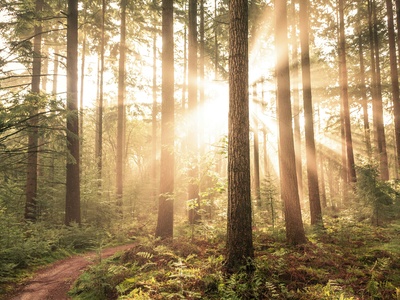
Forests
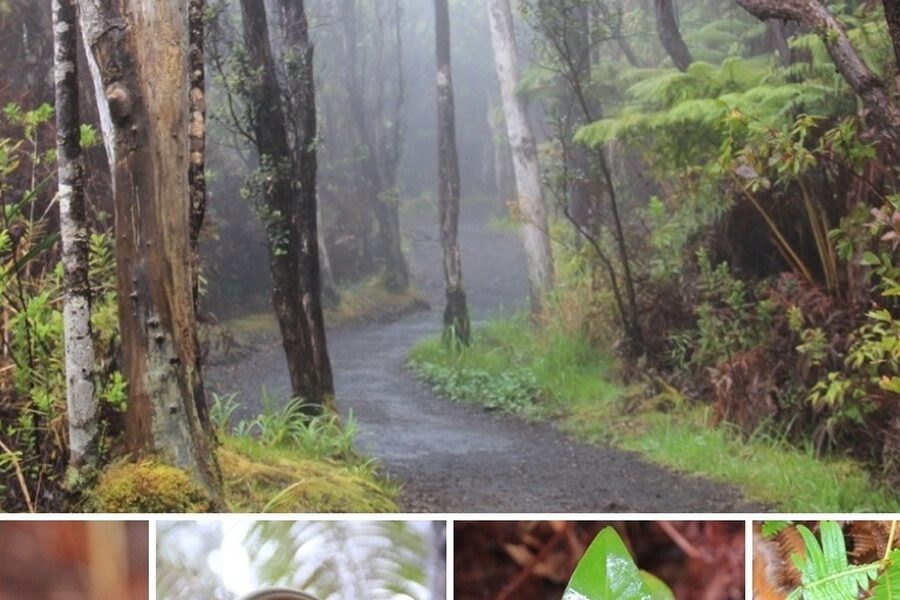
Mixed coniferous and broadleaf forests cover much of Liechtenstein’s hills and lower mountains. They provide timber, habitat and recreation; important for erosion control and biodiversity, managed for conservation with active protection against pests and fire.
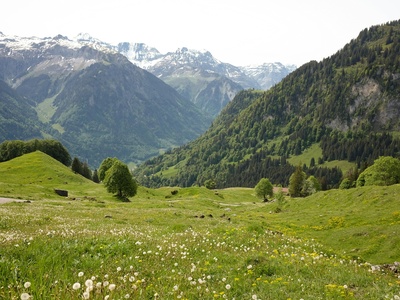
Alpine pasture
High-elevation meadows and summer grazing areas used for traditional livestock grazing and hay production. These pastures support alpine biodiversity, scenic landscapes for hikers, and are maintained through regulated grazing to preserve flower-rich grasslands.
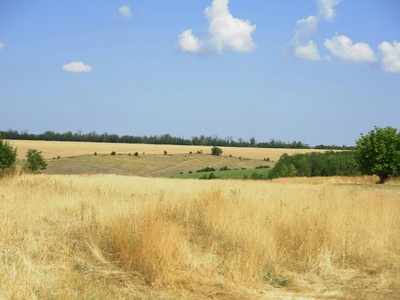
Agricultural land (meadows & arable)
Productive valley fields and meadows supply fodder, vegetables and some cereals. Alluvial soils and irrigation support local food production; farmland is valued for landscape, agricultural livelihoods and as habitat for pollinators.
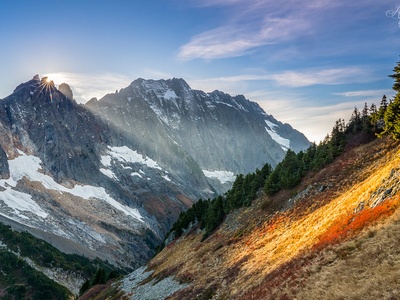
Rocky alpine terrain / scree
Bare rock, scree and steep talus slopes dominate higher elevations. Though not productive agriculturally, these areas are key for mountain flora and fauna, geological interest and natural hazard dynamics like rockfall and avalanches.

Rhine River (surface freshwater)
The Rhine forms Liechtenstein’s western border and provides the country’s main surface water resource. It’s vital for freshwater supply, biodiversity, flood management and recreation; international cooperation guides conservation and water-quality protection.
Samina River and mountain streams
Steep mountain streams, including the Samina, deliver clear mountain water, hydrological connectivity and high-quality trout habitat. They supply local water needs, support small-scale hydropower potential and require protection from sedimentation and pollution.

Groundwater aquifers
Shallow alluvial aquifers beneath the Rhine valley store groundwater used for municipal and private water supply. These aquifers provide reliable drinking water but are sensitive to contamination and require careful land‑use and protection measures.
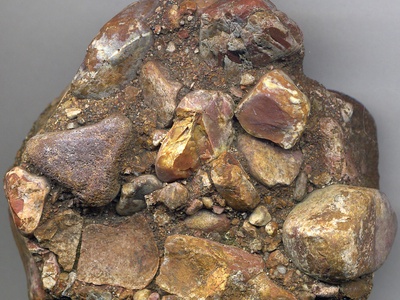
Alluvial gravel and sand deposits
Gravel and sand laid down by the Rhine are locally important aggregate resources for construction and river engineering. Extraction is limited and regulated because these deposits also influence groundwater recharge and river ecology.
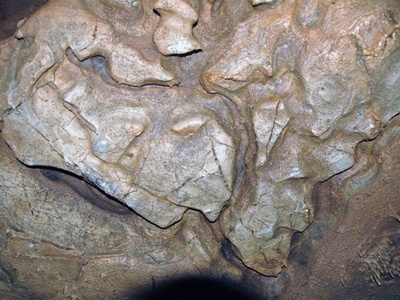
Limestone and dolomite bedrock
Carbonate rocks underlie much of the highlands and are sources of building stone and natural outcrops. They shape alpine soils and support specialized plant communities; quarrying is minimal and subject to environmental constraints.
Biodiversity and habitat
Liechtenstein’s mosaic of forests, meadows and streams supports diverse species, including alpine specialists. These habitats provide pollination, genetic resources and cultural value; many areas benefit from protected-area measures and sustainable management.
Carbon sequestration (forests)
Forests act as significant carbon sinks, capturing atmospheric carbon and mitigating climate change. Managed forestry enhances sequestration while balancing biodiversity and recreation; protecting forest health is a national priority.

Freshwater fish habitat
Riverine and stream habitats sustain wild fish such as trout and other native species. These populations support angling, biodiversity and aquatic food webs; water-quality measures and habitat restoration aim to maintain healthy stocks.
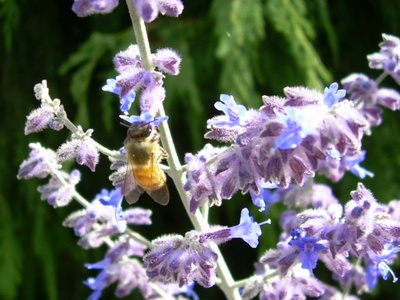
Pollination services
Wild insects and pollinators service croplands and wildflowers across valley fields and meadows, underpinning fruit, vegetable and forage production. Habitat-friendly farming and meadow management help sustain pollinator populations.

Recreation and nature tourism
Natural landscapes across the whole country provide hiking, climbing, cycling and river recreation. These services support local tourism, health and cultural enjoyment, making conservation of scenery and access important economic and social resources.
Fertile alluvial soils
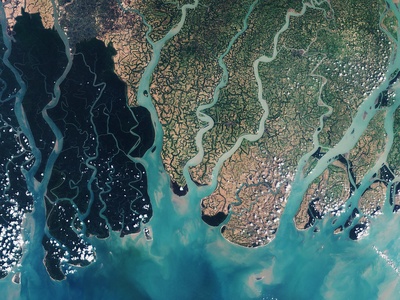
Deep, fertile alluvial soils in the valley support intensive horticulture and productive meadows. They are central to local agriculture but require careful management to prevent erosion, compaction and nutrient loss.

Drinking-water springs and sources
Numerous natural springs and catchments supply municipal and private water. These sources provide high-quality drinking water but need protection from land-use impacts and sustained watershed management.
Small hydropower potential
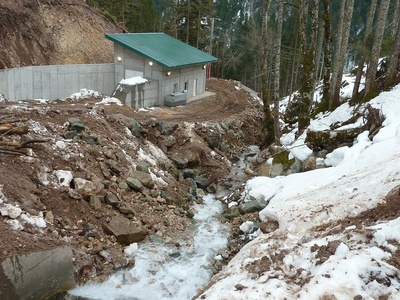
Steep headwaters and the Rhine offer limited small-hydro potential suitable for run-of-river installations. Technical potential is modest but can contribute to local renewable energy goals if balanced with ecological flow and habitat needs.

Riparian wetlands and floodplains
Wetlands along the Rhine provide flood attenuation, water filtration and habitat for birds and amphibians. Many are fragmented; conservation focuses on restoring connectivity and natural floodplain dynamics for ecosystem resilience.
Meadow hayfields and fodder land
Hay meadows supply fodder for livestock and sustain species-rich grasslands. Traditional mowing regimes maintain floral diversity and landscape character; agri-environment measures support conservation of these meadows.
Alpine flora habitats (endemic specialists)
High-altitude niches host specialized alpine plants and rare species adapted to rocky, nutrient-poor soils. These habitats have high conservation value and are sensitive to climate change and recreational pressure.