In clinics, community health centers and at the kitchen table, inflammation shows up in many forms — from a sore joint after exercise to a swollen area that signals infection. Noticing patterns and common warning signs makes it easier to decide when self-care is enough and when to seek help.
There are 51 Types of Inflammation, ranging from Abscess to Vasculitis. For each entry you’ll find below the data organized as Category, Typical causes or examples, Key symptoms and red flags so you can quickly compare likely causes and what needs urgent attention — you’ll find below.
How can I tell which type of inflammation I might have?
Look at where the problem is, how it started, and key symptoms: localized pus or fluctuance suggests an abscess, widespread vessel-related signs point toward vasculitis, and patterns like chronic joint pain or sudden fever change the likelihood of specific types; use the Category, Typical causes or examples, Key symptoms and red flags rows below to match findings and decide next steps.
When should inflammation prompt urgent medical care?
Seek urgent care if you have high fever, rapidly spreading redness, severe pain, signs of sepsis (confusion, low blood pressure, fast heart rate), or if symptoms affect breathing or vision — the table below highlights these red flags for each condition.
Types of Inflammation
| Name | Category | Typical causes or examples | Key symptoms and red flags |
|---|---|---|---|
| Acute inflammation | Duration-based | Infection, trauma, chemical injury | Redness, swelling, warmth, pain; high fever or spreading redness |
| Subacute inflammation | Duration-based | Transition from acute to chronic, persistent low-grade infection | Less intense acute signs; prolonged symptoms, worsening or systemic signs |
| Chronic inflammation | Duration-based | Persistent infection, autoimmune disease, foreign bodies | Fatigue, low-grade fever, weight loss, organ-specific signs; severe dysfunction |
| Chronic active inflammation | Duration-based | Ongoing infection with acute flares, autoimmune flare | Combination of chronic and acute signs; fever, worsening function |
| Granulomatous inflammation | Morphologic/etiologic | Tuberculosis, sarcoidosis, fungal infections, foreign bodies | Persistent localized swelling, cough, weight loss, night sweats; worsening systemic signs |
| Suppurative (purulent) inflammation | Morphologic | Bacterial infections like Staphylococcus, streptococci | Pus, pain, swelling, fever; rapidly spreading infection is red flag |
| Abscess | Morphologic/localized | Localized bacterial infection, foreign bodies | Boil-like painful lump, fever, increasing size, spreading redness |
| Fibrinous inflammation | Morphologic | Severe injury, serosal irritation, bacterial toxins | Friction, sharp or pleuritic pain; worsening breathlessness or sepsis signs |
| Serous inflammation | Morphologic | Viral infections, burns, mild chemical irritation | Clear fluid accumulation, swelling, mild pain; fever if systemic |
| Catarrhal inflammation | Morphologic/organ-specific | Upper respiratory infections, allergic rhinitis | Runny nose, cough, mucus, nasal congestion; high fever if bacterial |
| Hemorrhagic inflammation | Morphologic | Severe infection, venom, vascular injury | Bleeding, bruising, bloody discharge; hypotension is red flag |
| Necrotizing (gangrenous) inflammation | Morphologic | Severe infection, ischemia, toxin-mediated | Severe pain, blackened tissue, foul smell, fever, shock signs |
| Ulcerative inflammation | Morphologic | Infections, ischemia, chronic pressure, inflammatory bowel disease | Open sore, pain, bleeding, foul discharge; spreading infection |
| Pseudomembranous inflammation | Morphologic | C. difficile, diphtheria, severe mucosal injury | Severe diarrhea, foul stools, fever, dehydration; systemic toxicity |
| Eosinophilic inflammation | Cellular-pattern | Allergic reactions, parasitic infections, asthma | Itchy rash, wheeze, abdominal pain, blood eosinophilia; breathing difficulty |
| Lymphocytic/plasmacytic inflammation | Cellular-pattern | Viral infections, chronic immune responses | Subacute fatigue, organ-specific dysfunction; progressive worsening |
| Neutrophilic inflammation | Cellular-pattern | Acute bacterial infection, early tissue injury | Purulence, fever, rapid onset pain, swelling |
| Granulation tissue/inflammatory repair | Morphologic | Healing wounds, chronic ulcers | Granulation tissue, delayed healing, discharge, pain |
| Interstitial inflammation | Organ-specific/morphologic | Viral infections, autoimmune disease, drug reactions | Organ dysfunction, cough or shortness of breath if lungs; systemic signs |
| Perivascular inflammation | Morphologic | Vasculitis, immune complex deposition, infection | Localized pain, organ ischemia signs, bleeding if severe |
| Vasculitis | Organ/system or etiologic | Autoimmune, infections, drug reactions | Livedo, ulcers, organ ischemia, severe pain; stroke signs are red flags |
| Pleuritis (pleurisy) | Organ-specific | Viral infection, pneumonia, pulmonary embolism | Sharp pleuritic chest pain, worse with breathing; shortness of breath |
| Peritonitis | Organ-specific | Bowel perforation, appendicitis, peritoneal dialysis | Severe abdominal pain, guarding, fever, vomiting; shock is red flag |
| Pericarditis | Organ-specific | Viral infection, heart attack, autoimmune disease | Sharp chest pain relieved by leaning forward, shortness of breath |
| Meningitis | Organ-specific | Bacterial, viral, fungal infections | Severe headache, fever, neck stiffness, altered consciousness |
| Encephalitis | Organ-specific | Viral infections, autoimmune processes | Fever, confusion, seizures, focal neurologic deficits |
| Myocarditis | Organ-specific | Viral infection, autoimmune reaction, toxins | Chest pain, palpitations, breathlessness, fainting |
| Nephritis | Organ-specific | Autoimmune disease, infection, drug reactions | Blood in urine, swelling, decreased urine output, high blood pressure |
| Hepatitis | Organ-specific | Viral hepatitis, drugs, autoimmune disease | Jaundice, abdominal pain, dark urine, severe fatigue |
| Gastritis | Organ-specific | NSAIDs, H. pylori infection, alcohol | Upper abdominal pain, nausea, vomiting, black stools are red flags |
| Colitis | Organ-specific | Infectious, ischemic, inflammatory bowel conditions | Diarrhea, abdominal pain, rectal bleeding, severe dehydration |
| Pancreatitis | Organ-specific | Gallstones, alcohol, drugs, hypertriglyceridemia | Severe epigastric pain, vomiting, fever; hypotension and organ failure |
| Appendicitis | Organ-specific | Luminal obstruction, infection | Sharp right lower abdominal pain, fever, nausea; rupture signs are emergency |
| Dermatitis | Organ-specific | Allergic contact, irritants, atopic eczema | Itchy, red rash, blisters, severe swelling or infection |
| Sinusitis | Organ-specific | Viral upper respiratory infection, bacterial superinfection | Facial pain, nasal congestion, thick discharge, fever, vision changes |
| Otitis media | Organ-specific | Viral or bacterial middle ear infection | Ear pain, fever, hearing loss, ear drainage |
| Conjunctivitis | Organ-specific | Viral, bacterial, allergic causes | Red eye, discharge, pain, vision loss is red flag |
| Uveitis | Organ-specific | Autoimmune, infection, trauma | Eye pain, light sensitivity, blurred vision |
| Arthritis | Organ/system | Osteoarthritis (non-inflammatory excluded), rheumatoid, infection | Joint pain, swelling, limited movement, fever with infection |
| Synovitis/Tenosynovitis | Organ-specific | Overuse, infection, autoimmune conditions | Joint or tendon sheath pain, swelling, locking; fever if septic |
| Osteomyelitis | Organ-specific | Bone infection after trauma or surgery | Localized bone pain, fever, swelling, inability to bear weight |
| Bronchitis | Organ-specific | Viral respiratory infection, smoking, pollutants | Cough, sputum, wheeze, shortness of breath, high fever if pneumonia |
| Pneumonitis/interstitial pneumonitis | Organ-specific | Viral infection, drugs, hypersensitivity | Dry cough, progressive breathlessness, low oxygen is red flag |
| Prostatitis | Organ-specific | Bacterial infection, chronic pelvic pain syndrome | Pelvic pain, urinary symptoms, fever in acute cases |
| Orchitis | Organ-specific | Viral (mumps), bacterial infection, STI | Testicular pain, swelling, fever, infertility risk if severe |
| Epididymitis | Organ-specific | STIs, urinary pathogens | Scrotal pain, swelling, fever; severe pain or abscess |
| Sialadenitis | Organ-specific | Salivary duct obstruction, infection | Firm painful swelling near jaw, dry mouth, fever |
| Cholangitis | Organ-specific | Bile duct obstruction, gallstones, infection | Fever, jaundice, right upper quadrant pain; hypotension is red flag |
| Cholecystitis | Organ-specific | Gallstone obstruction, infection | Severe right upper quadrant pain, fever, vomiting |
| Lymphangitis | Morphologic/etiologic | Skin infection spread via lymphatics | Red streaking toward lymph nodes, fever, systemic signs |
| Cellulitis | Organ-specific/infectious | Bacterial skin infection after trauma | Red, warm, swollen area, fever, spreading edges |
Images and Descriptions
Acute inflammation
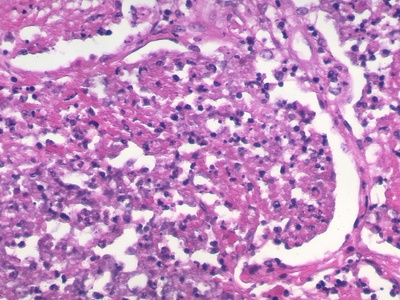
Rapid, short-lived immune response to injury or microbes that brings neutrophils and fluid to tissues. Occurs in skin, lungs, gut, joints. Causes obvious local signs; seek care for severe pain, spreading redness, high fever, or systemic symptoms.

Subacute inflammation
An intermediate phase between acute and chronic inflammation lasting days to weeks. Often follows incomplete resolution of acute injury or mild persistent infection. Symptoms are less dramatic than acute but longer-lasting; see a clinician if symptoms persist or worsen.
Chronic inflammation
Long-term inflammatory response with lymphocytes, macrophages, and tissue remodeling. Seen in autoimmune conditions, chronic infections, and persistent irritants. Can cause scarring and organ damage over months to years; see care for progressive symptoms or organ dysfunction.
Chronic active inflammation
A chronic inflammatory state punctuated by ongoing acute activity and tissue injury. Features both chronic cells and neutrophils, leading to repeated damage. Notable for relapsing symptoms; seek prompt treatment during flares or worsening organ function.
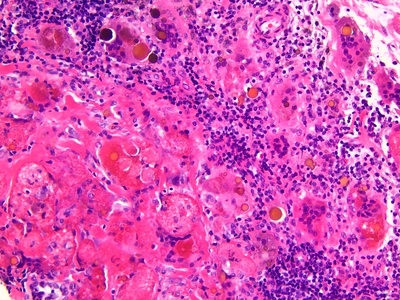
Granulomatous inflammation
Characterized by tight collections of activated macrophages (granulomas) seen in TB, sarcoidosis, some fungal infections, and foreign-body reactions. Tends to form nodules in lungs, lymph nodes, and organs; can cause chronic symptoms and scarring, needs specialist evaluation.
Suppurative (purulent) inflammation
Inflammation dominated by pus formation (neutrophils and dead tissue), commonly causing abscesses or cellulitis. Found in skin, soft tissue, organs. Often requires drainage and antibiotics; seek urgent care for spreading redness or systemic illness.
Abscess
A localized pocket of pus surrounded by inflamed tissue, commonly in skin, teeth, organs. Abscesses cause focal pain, swelling, and heat and often need drainage plus antibiotics. Seek care for enlarging, painful, or systemic symptoms.
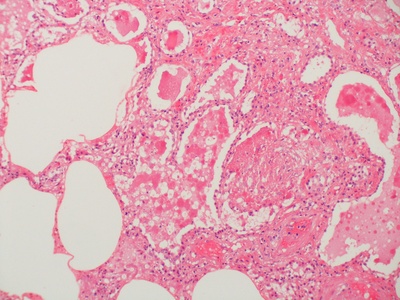
Fibrinous inflammation
Marked by deposition of fibrin-rich exudate on serous surfaces like pleura or pericardium. Can cause adhesive scarring and impaired organ movement; notable in rheumatic fever or severe infections. See doctor for chest pain or breathing trouble.
Serous inflammation
Mild inflammatory response producing watery, protein-poor fluid in body cavities or blisters. Common in viral pleuritis, blisters, or mild burns. Usually self-limited; seek care if fluid accumulates severely or signs of infection develop.
Catarrhal inflammation
Inflammation producing excessive mucus from mucous membranes, typical in colds and sinus infections. Affects nasal passages, bronchi. Mostly benign but seek care for high fevers, severe facial pain, or symptoms lasting many days.
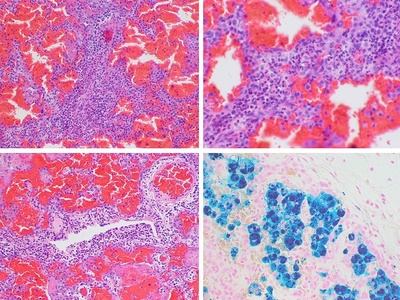
Hemorrhagic inflammation
Inflammation associated with bleeding into tissues due to severe vascular injury or toxins. Seen in some hemorrhagic fevers, severe necrotizing infections, and snakebite. Can lead to shock or organ failure; urgent care required.
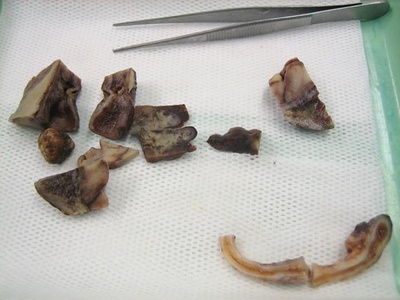
Necrotizing (gangrenous) inflammation
Marked by tissue death (necrosis) alongside intense inflammation; common in severe infections, ischemic limbs, or gas gangrene. Leads to rapid tissue loss and systemic illness; surgical and emergency care often needed.
Ulcerative inflammation
Surface loss of tissue forming ulcers due to chronic inflammation, seen in skin, stomach, intestines. Causes pain, bleeding, and risk of secondary infection. Persistent or deep ulcers require medical evaluation for treatment and diagnosis.
Pseudomembranous inflammation
Characterized by formation of a false membrane of fibrin and dead cells on mucosal surfaces, notable in C. difficile colitis and diphtheria. Causes severe mucosal damage and systemic illness; prompt medical treatment required.
Eosinophilic inflammation
Dominated by eosinophils, this inflammation is common in allergies, asthma, and parasitic infections. It often causes airway hyperreactivity, itching, or gut symptoms. Severe respiratory or systemic signs need urgent care.
Lymphocytic/plasmacytic inflammation
Chronic-type inflammation dominated by lymphocytes and plasma cells, typical in viral or autoimmune disorders. Seen in chronic hepatitis or thyroiditis. Often causes gradual organ dysfunction and needs specialist evaluation.
Neutrophilic inflammation
Inflammation characterized by neutrophil influx, typical of acute bacterial infections and early injury. Produces pus and acute symptoms. Rapid progression, systemic signs, or failure to improve requires prompt medical attention.
Granulation tissue/inflammatory repair
Represents new vascular connective tissue forming during repair of chronic wounds or ulcers. Healthy granulation is part of healing; abnormal or excessive granulation (proud flesh) may need medical care to prevent infection or poor healing.
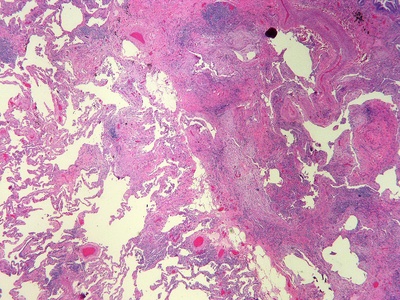
Interstitial inflammation
Inflammation focused in tissue interstitium rather than surfaces, often in lung or kidney. Causes organ-specific symptoms like breathlessness in interstitial pneumonitis or impaired kidney function; specialist care often required.
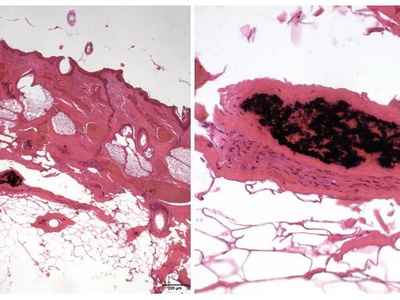
Perivascular inflammation
Inflammation concentrated around blood vessels that can lead to vessel damage and downstream ischemia. Seen in various vasculitides and immune reactions; may cause organ dysfunction and requires prompt evaluation.
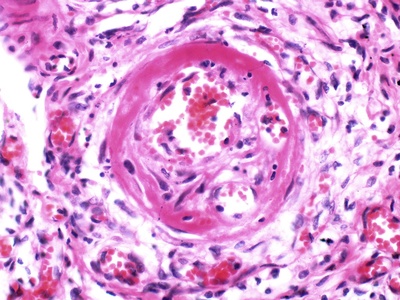
Vasculitis
Inflammation of blood vessel walls ranging from small to large vessels; causes tissue ischemia, skin changes, and organ injury. Can be life-threatening if major organs or brain are involved; urgent specialist input is often needed.
Pleuritis (pleurisy)
Inflammation of the pleural lining around the lungs causing sharp, often unilateral chest pain with breathing. Causes include infections, lung emboli, or autoimmune disease. Seek care for severe pain, breathlessness, or fevers.
Peritonitis
Inflammation of the peritoneal lining in the abdomen, often due to infection or perforation. Presents with severe, generalized abdominal pain and tenderness; an emergency requiring immediate treatment.
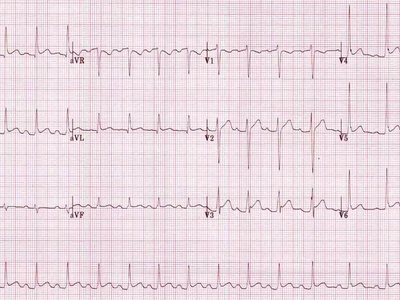
Pericarditis
Inflammation of the pericardial sac around the heart. Causes sharp chest pain, possible fluid accumulation, and rarely cardiac tamponade (life-threatening). Seek urgent care for severe chest pain or breathlessness.
Meningitis
Inflammation of the protective meninges around the brain and spinal cord, usually caused by infection. Presents with headache, fever, neck stiffness, and confusion; bacterial meningitis is a medical emergency requiring immediate care.
Encephalitis
Inflammation of brain tissue itself, often from viruses like herpes or autoimmune causes. Causes altered mental status, seizures, and focal deficits. Encephalitis is serious and requires urgent medical evaluation and treatment.
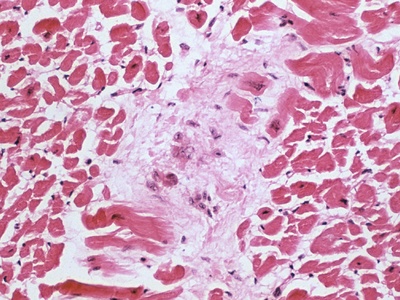
Myocarditis
Inflammation of heart muscle that can reduce pumping function and cause arrhythmias. Triggers include viral infections and immune responses. Symptoms range from mild to life-threatening; seek care for chest pain, breathlessness, or syncope.
Nephritis
Inflammation of the kidney (glomeruli or interstitium) causing hematuria, proteinuria, and impaired filtration. Causes include autoimmune disorders and infections. Progressive kidney dysfunction requires prompt nephrology assessment.
Hepatitis
Inflammation of the liver from viruses, toxins, or immune causes. Symptoms include jaundice, abdominal pain, and systemic illness. Severe cases can progress to liver failure and need urgent medical care.
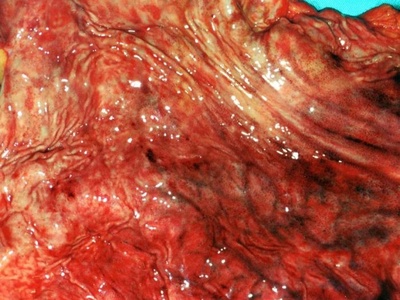
Gastritis
Inflammation of the stomach lining causing pain, nausea, and sometimes bleeding. Common causes are medications, infection, and alcohol. Persistent pain, vomiting, or black stools warrant medical evaluation.
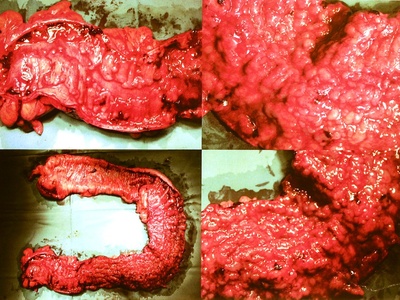
Colitis
Inflammation of the colon presenting with diarrhea, cramps, and sometimes bleeding. Causes range from infection to inflammatory bowel disease and ischemia. Severe bloody diarrhea or dehydration requires urgent care.
Pancreatitis
Inflammation of the pancreas causing severe abdominal pain radiating to the back, nausea, and systemic inflammation. Can rapidly become life-threatening with organ failure; urgent medical treatment is critical.
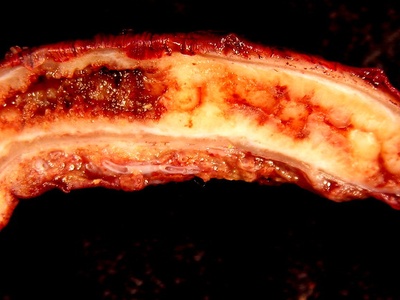
Appendicitis
Inflammation of the appendix often due to obstruction or infection, causing localized abdominal pain and fever. Risk of rupture leads to peritonitis; prompt surgical assessment is usually needed.

Dermatitis
Inflammation of the skin with varied causes including allergies and irritants. Presents with itching, redness, and sometimes blistering. Severe infection or rapidly spreading rash needs medical attention.
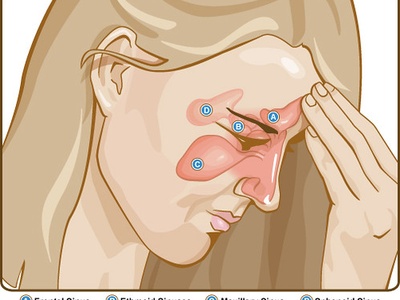
Sinusitis
Inflammation of the sinuses causing facial pressure, nasal congestion, and purulent discharge. Usually viral but can be bacterial; severe facial pain, high fever, or vision changes require evaluation.
Otitis media
Middle ear inflammation common in children, often following colds. Symptoms include ear pain, fever, and hearing changes. Persistent pain, high fever, or drainage warrant medical assessment and possible antibiotics.
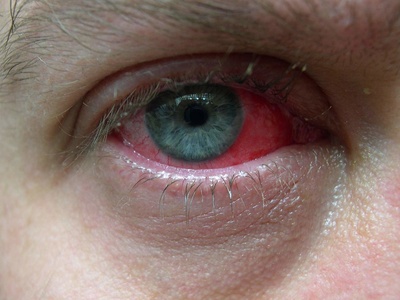
Conjunctivitis
Inflammation of the conjunctiva causing redness, tearing, and discharge. Most cases are mild and viral or allergic; severe pain, vision changes, or intense light sensitivity require urgent eye care.
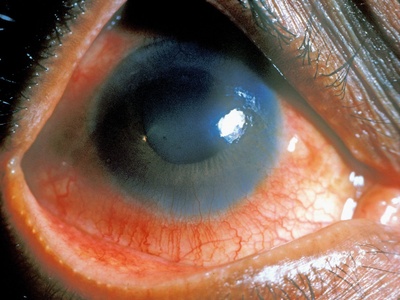
Uveitis
Inflammation of the uveal tract inside the eye leading to pain, photophobia, and vision changes. Can threaten vision; prompt ophthalmology evaluation is important to prevent damage.
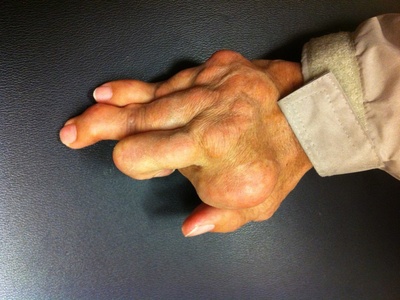
Arthritis
Inflammation of one or more joints causing pain, swelling, and reduced function. Causes include infection, autoimmune disease, or crystals. Acute severe symptoms or fever require urgent assessment.
Synovitis/Tenosynovitis
Inflammation of the synovial lining of joints or tendon sheaths causing pain, swelling, and reduced motion. Septic cases are emergencies needing prompt drainage and antibiotics.
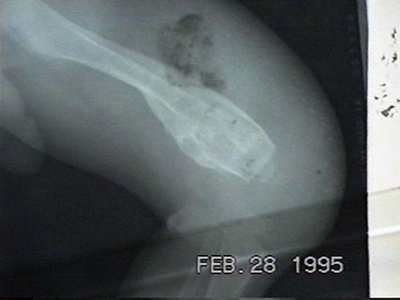
Osteomyelitis
Bone inflammation due to infection, often bacterial, causing deep pain, fever, and potential bone destruction. Requires prolonged antibiotics and sometimes surgery; early diagnosis prevents chronic disease.
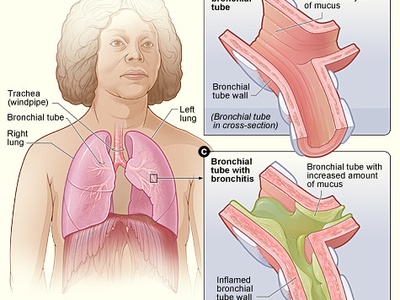
Bronchitis
Inflammation of large airways producing cough and mucus. Acute viral bronchitis is common; chronic forms relate to smoking. Seek care for high fever, breathlessness, or persistent symptoms.
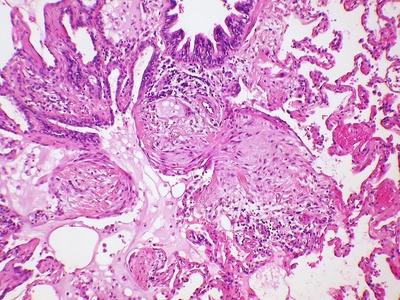
Pneumonitis/interstitial pneumonitis
Inflammation of lung interstitium causing cough and progressive breathlessness. Causes include infections, drugs, or hypersensitivity. Can lead to scarring and respiratory failure; urgent care for worsening breathlessness.

Prostatitis
Inflammation of the prostate causing pelvic pain, urinary frequency, and sometimes fever. Acute bacterial prostatitis is painful and needs antibiotics; chronic forms require specialist evaluation.
Orchitis
Inflammation of the testicle often from mumps or bacterial spread. Causes pain and swelling; severe cases risk fertility impairment and need prompt treatment.
Epididymitis
Inflammation of the epididymis causing scrotal pain and swelling, commonly from STIs or urinary infections. Severe pain, fever, or abscess formation requires urgent care.
Sialadenitis
Inflammation of salivary glands due to blockage or infection causing painful swelling and dry mouth. Can lead to abscess; persistent pain or fever needs evaluation.
Cholangitis
Inflammation of bile ducts usually from obstruction with secondary infection. Presents with fever, jaundice, and abdominal pain; ascending cholangitis can cause sepsis and requires urgent treatment.
Cholecystitis
Inflammation of the gallbladder usually from gallstones blocking the cystic duct. Causes severe abdominal pain and fever; complicated cases need urgent surgical assessment.
Lymphangitis
Inflammation of lymphatic channels often due to spreading skin infection, marked by red streaks and tender lymph nodes. Signals spreading infection; urgent antibiotic treatment is often needed.
Cellulitis
Diffuse bacterial inflammation of skin and subcutaneous tissue causing redness, warmth, and pain. Can spread rapidly and cause systemic illness; seek care for expanding redness, fever, or rapid progression.