When Dolly the sheep was born in 1996 and publicly announced by the Roslin Institute in 1997, newspapers treated it like science fiction made real.
The image of a cloned mammal from an adult cell lodged in people’s minds and spawned a raft of assumptions about what cloning can do—and what it can’t.
Cloning shows up in debates about medicine, endangered species and ethics, so getting the facts straight matters. Many widely held beliefs are myths rooted in misunderstandings of biology, technological limits, and law.
This piece debunks seven common myths about cloning, grouping them into scientific misconceptions, ethical and social misconceptions, and practical or regulatory misconceptions.
Scientific misconceptions about cloning
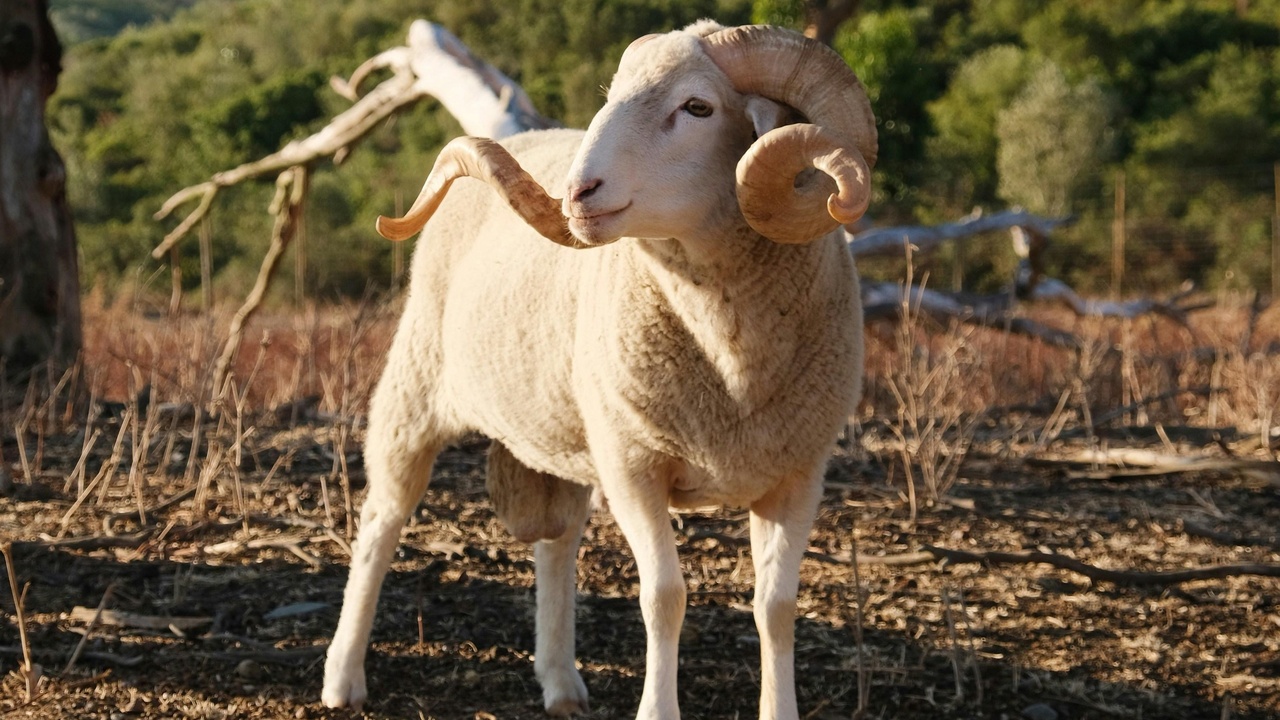
At a basic level most animal cloning uses somatic cell nuclear transfer (SCNT): scientists take the nucleus from a donor cell and place it into an egg cell whose nucleus was removed, then stimulate that egg to develop.
That transfers the donor’s nuclear genome, but other factors—mitochondrial DNA from the egg, epigenetic marks that affect gene activity, and the gestational environment—shape the developing animal. Cloning experiments go back decades and successes vary by species: Dolly (born 1996, announced 1997), the first cloned dog Snuppy (2005), and the cloned macaques Zhong Zhong and Hua Hua (2018) illustrate both progress and limits.
1. Myth: Cloning Produces Perfect, Identical Copies
The myth: a clone is a carbon copy in every way. The fact: SCNT replaces nuclear DNA but doesn’t recreate all biological information that shapes an individual.
Mitochondrial DNA (mtDNA) comes from the egg cell, not the donor nucleus, so clones can have different mtDNA than their nucleus donor. Epigenetic patterns—chemical marks on DNA and chromatin—are reset imperfectly during cloning, and the uterus, maternal health and random developmental events further alter outcomes. Dolly, for example, was a donor-nucleus clone (born 1996, announced 1997) but still differed in epigenetic state and had mtDNA from the egg donor.
Expecting identical appearance, personality or life history from a clone—human or pet—is scientifically unfounded.
2. Myth: Cloning Is Highly Efficient and Routine
Some portray cloning as an easy factory process. In reality, SCNT has long been inefficient and species-dependent.
Early SCNT programs commonly reported success rates under 5% for producing live offspring, with many embryos lost or showing abnormalities. Achieving a single healthy clone often required many donor eggs, specialized labs and surrogate pregnancies. Snuppy, the first cloned dog in 2005, was a milestone that followed years of optimization and many attempts.
Those limits affect expectations for scaling cloning in agriculture, conservation or human applications: it’s costly, slow and technically demanding.
3. Myth: Cloned Animals Routinely Live Long, Healthy Lives
Headlines sometimes implied clones age poorly as a rule. The truth is mixed: some clones thrive, others have health problems tied to developmental issues or organ defects.
Dolly developed progressive arthritis and died in 2003 at about 6.5 years old, which raised alarm about premature aging. That case was highly publicized, but later work showed many issues were linked to early methods and specific circumstances. Improvements since the early 2000s have reduced some risks, but long-term, species-specific data remain limited.
Each cloned animal is an individual case, so broad statements about routine poor health are misleading.
Ethical and social misconceptions
Ethical concerns often get fused with technical claims, and that muddles public understanding. Law and policy shaped early public reactions—one early landmark, the Oviedo Convention of 1997, signaled broad international caution about cloning and human reproductive technologies.
When ethical headlines describe worst‑case scenarios they sometimes treat hypothetical possibilities as imminent realities. Below are two common social and ethical misconceptions, with references to bioethics bodies and legal constraints that matter for real-world outcomes.
4. Myth: Human Reproductive Cloning Is Just Around the Corner
People often conflate technical feasibility with the likelihood of human reproductive cloning becoming widespread. There’s a difference between a lab demonstration and a socially accepted, safe practice.
Barriers include technical hurdles—low efficiency and high developmental risk—plus legal bans and ethical opposition. The Oviedo Convention (1997) and many national laws explicitly prohibit reproductive human cloning, and major medical organizations advise against it. Taken together, safety concerns, legal prohibitions and public resistance make routine human reproductive cloning unlikely in the foreseeable future.
5. Myth: Therapeutic Cloning Is the Same as Reproductive Cloning
These terms are often used interchangeably, but they refer to different goals. Therapeutic cloning uses SCNT to create an embryo from which stem cells are harvested for research or potential therapy; reproductive cloning aims to create a new individual.
Therapeutic cloning was investigated for regenerative medicine and disease models, but progress has been slow and technically challenging. A major parallel development reduced reliance on SCNT: induced pluripotent stem cells (iPSCs), reprogrammed from adult cells by Shinya Yamanaka in 2006, offer many research and potential clinical benefits without creating embryos for gestation.
Regulatory approaches and ethical debates differ for these two paths, so lumping them together obscures important distinctions.
Practical and regulatory misconceptions
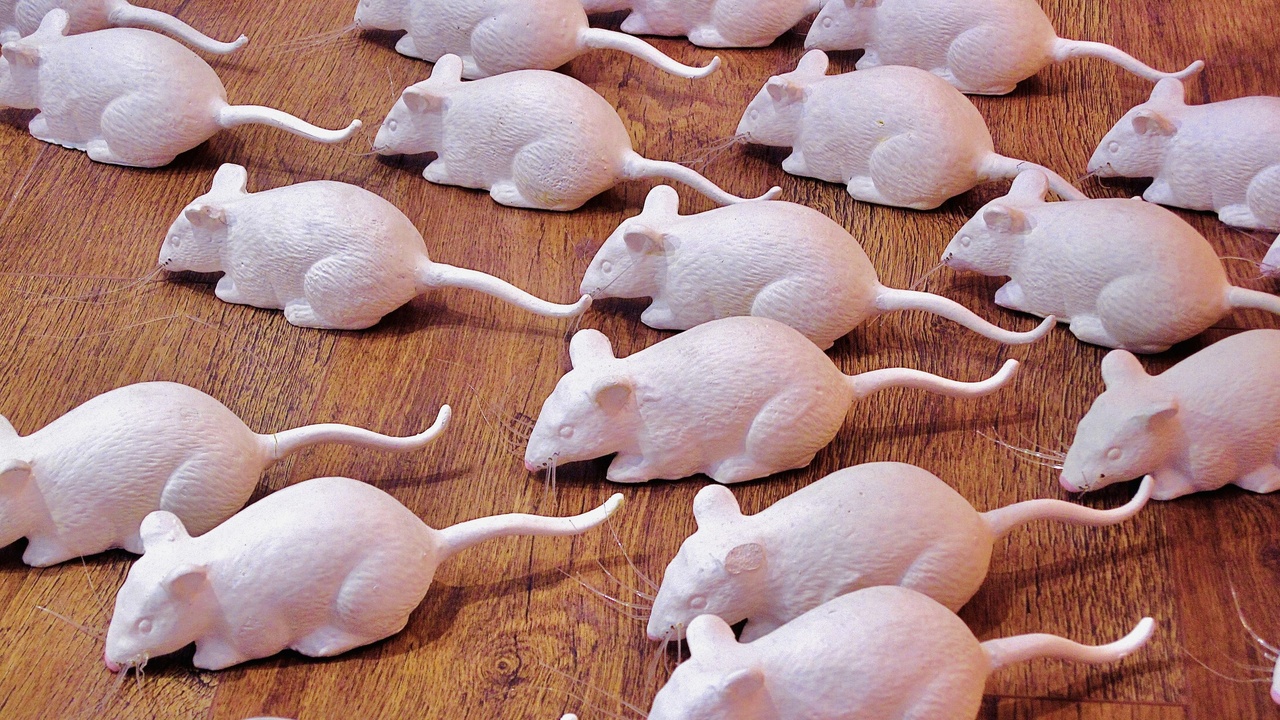
Practical limits—cost, regulation and ecological realities—shape where cloning is used. Cloning has practical applications in livestock breeding and biomedical research but carries trade-offs that make it unsuitable as a one‑size‑fits‑all solution.
Policy and economics often matter more than technical possibility. Below are two myths that overstate cloning’s reach in design and conservation, with concrete case studies and numbers where relevant.
6. Myth: Cloning Will Lead to Designer Babies
“Designer babies” usually refers to deliberate genetic changes to chosen traits. Cloning duplicates a genome; it doesn’t alter it. Creating engineered traits requires gene editing, a separate set of tools and risks.
The 2018 case of He Jiankui’s CRISPR-edited babies is a stark example of gene-editing controversy—not cloning. That episode shows the ethical and regulatory problems that follow human genetic modification, but it doesn’t mean cloning alone can create designed traits. Combining cloning with genome editing would raise a distinct set of scientific and moral challenges.
So fears that cloning by itself will usher in designer humans confuse two different technologies.
7. Myth: Cloning Makes Conservation Easy
Conservation cloning gets attention as a way to resurrect species, but it’s not a shortcut to recovery. Cloning can produce individuals but can’t rebuild lost habitats or restore the genetic diversity needed for resilient populations.
One instructive case is the Pyrenean ibex, the bucardo. Scientists used cloning in 2003 to produce a cloned bucardo, but the newborn died shortly after birth due to lung defects. That event highlighted technical hurdles and showed that cloning alone won’t solve broader ecological problems like habitat loss, disease or low genetic diversity.
Cloning can complement conservation—by preserving specific genomes or aiding captive-breeding programs—but it’s not a magic fix.
Summary
- Cloning copies nuclear DNA but not all the biological factors that make an individual; recall Dolly (born 1996, announced 1997) as a donor-nucleus milestone.
- Early SCNT was inefficient and risky; success rates were often low and techniques have improved but remain costly and species-specific.
- Therapeutic and reproductive cloning are different paths; iPSCs (2006) changed the landscape for regenerative research, and gene editing controversies (e.g., 2018) involve different technologies than cloning.
- Conservation cloning is a tool, not a cure-all—the 2003 Pyrenean ibex attempt shows cloning can’t replace habitat protection or restore genetic diversity on its own.
- Stay skeptical of simple headlines about myths about cloning: science, law and ethics together determine what’s possible and what’s acceptable.