In 1997 deep brain stimulation (DBS) received regulatory approval for Parkinson’s disease, and clinicians began using electrical interfaces to reduce tremor and restore function.
That milestone marked the start of a broader field that now includes implantable electrodes, closed‑loop stimulators, noninvasive brain stimulation, brain–computer interfaces, and wearable neural sensors.
People should care because neurological and psychiatric conditions affect hundreds of millions worldwide, investment in neural devices has surged, and patients are already regaining abilities once thought lost.
Neurotechnology — from implants that modulate circuits to headsets that monitor brain activity — is improving diagnosis, treatment, communication, and scientific discovery. Next, eight specific benefits with examples, numbers, and real-world uses.
Medical and Clinical Benefits
1. Restoring movement and reducing symptoms with neuromodulation
Implanted stimulation systems can markedly reduce motor symptoms and restore daily function for people with movement disorders.
Since the FDA approved DBS for Parkinson’s in 1997, more than two hundred thousand people worldwide have received DBS‑style implants (conservative clinical estimates), using systems from manufacturers such as Medtronic and Boston Scientific.
DBS reduces tremor, steadies gait, and often lets patients lower medication doses. In clinical practice that can translate to again walking short distances, dressing independently, or managing household tasks.
Selection and programming are clinical processes—imaging, intraoperative testing, and outpatient tuning—but the result is measurable improvements in quality of life for many patients.
2. Treating seizures and psychiatric conditions with closed-loop devices
Responsive neurostimulation uses implanted sensors that detect abnormal activity and deliver targeted stimulation in real time.
The NeuroPace RNS system was approved in 2013 for focal epilepsy and clinical trials and follow‑up studies report substantial median reductions in seizure frequency over years for many patients.
Similar implant platforms are being tested for treatment‑resistant depression and obsessive‑compulsive disorder, with trials exploring how targeted stimulation of specific circuits can relieve symptoms long term.
Closed‑loop systems personalize therapy to each patient’s brain activity and require multidisciplinary follow‑up to optimize outcomes.
3. Better diagnosis and monitoring through wearable and implantable sensors
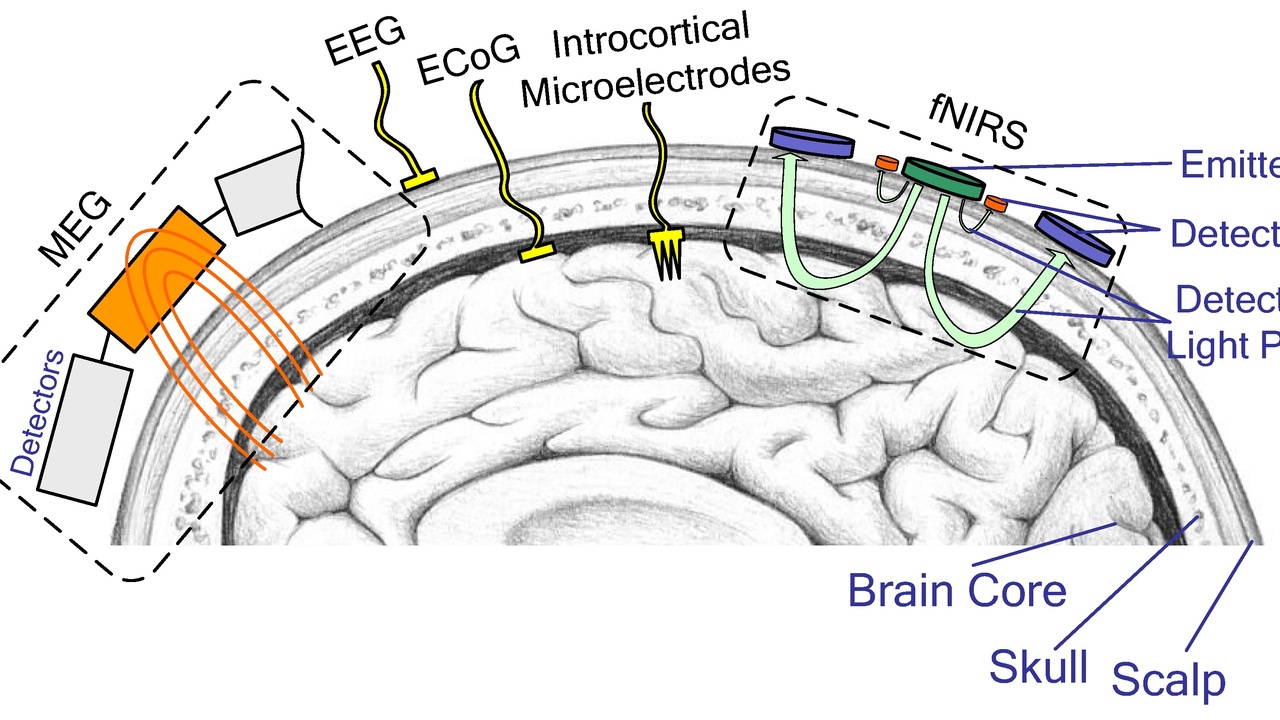
Sensing technologies—wearable EEG, intracranial electrodes, and movement monitors—bring continuous data into clinics and homes.
Wearable EEG headbands aid sleep and seizure screening, while intracranial EEG recorded during presurgical epilepsy evaluation guides surgical maps and device placement.
Continuous monitoring shortens the road to accurate diagnosis, reduces hospital visits, and lets clinicians fine‑tune stimulation or medication based on real-world signals rather than a single clinic visit.
Communication, Cognition, and Daily Function
4. Restoring communication for people with paralysis
Implanted intracortical BCIs can translate neural activity into text, synthesized speech, or cursor control for people who cannot speak or move.
In a notable 2021 study (Willett et al.), intracortical decoding of attempted handwriting enabled typing‑equivalent speeds approaching ninety characters per minute for a participant with paralysis.
Companies and groups such as Neuralink and Synchron are advancing human trials and clinical programs so that tablets, phones, and speech prostheses become practical tools for people who had lost independent communication.
The result is more than convenience: faster communication restores social interaction and independence.
5. Improving cognition, attention, and learning with stimulation and feedback
Noninvasive tools like tDCS, TMS, and EEG neurofeedback can augment targeted cognitive training in attention, memory, and motor relearning.
Meta‑analyses report modest but measurable effects on task performance when stimulation is paired with practice; clinical stroke rehab studies show functional gains when tDCS complements therapy.
Consumer EEG headbands are already used in research and some wellness programs for attention training, though individualized protocols and clinician oversight are often needed for clinical benefits.
6. Assistive technologies that increase independence (prosthetics and environmental control)
BCIs and neurocontrolled prosthetics let users operate robotic arms, wheelchairs, and smart‑home systems directly from neural signals.
Intracortical arrays have enabled proportional, multi‑degree control of robotic limbs in lab and clinical demonstrations (for example work with Blackrock Neurotech arrays and academic teams).
BCI‑driven environmental control reduces caregiver burden and gives people more autonomy over daily routines.
Research, Economic, and Societal Advantages
7. Accelerating neuroscience research and drug development
Direct neural recordings and controlled stimulation provide high‑resolution human data that shorten the path from hypothesis to therapy.
Intracranial recordings, large EEG datasets, and standardized neural endpoints give objective biomarkers that help stratify patients and measure drug or device effects more clearly in clinical trials.
Academic consortia and industry partnerships use these readouts to validate targets and make faster go/no‑go decisions, reducing cost and time in development pipelines.
8. Economic growth, new industries, and improved public health outcomes
Benefits of neurotechnology are already visible in a growing industry: startups, manufacturing, clinical programs, and data science roles.
High‑profile companies mark this maturation—Neuralink (founded 2016) and Synchron (founded 2012)—and clinical milestones such as RNS approval in 2013 and DBS approval in 1997 show translation from lab to clinic.
Conservative estimates suggest companies and clinical programs create thousands of specialized jobs across engineering, manufacturing, and healthcare, while scaling diagnostics and therapies improves population health.
At the same time, policymakers and providers must address training, regulation, and equitable access so benefits reach a broad public.
Summary
- Implantable devices like DBS (1997) and RNS (2013) deliver measurable symptom relief for movement disorders and seizures.
- Intracortical BCIs have restored high‑speed communication (handwriting decoding ~90 characters/minute) and enabled prosthetic control and environmental access.
- Wearable and implantable sensors improve diagnosis, enable remote monitoring, and refine therapy tuning.
- Neural readouts speed research and drug development, while startups and clinical programs create new skilled jobs—policy and training must keep pace to ensure fair access.