Hungary sits at the crossroads of the Pannonian Basin, where rivers like the Danube and Tisza meet low mountains, plains and wetlands that shape both agriculture and industry. That varied landscape and a long history of mining and thermal use mean the country supports a surprisingly diverse set of natural assets.
There are 28 Natural Resources of Hungary, ranging from Bauxite to Wetlands & marshes (Hortobágy, Kis-Balaton). For each entry you’ll see data organized with Type,Location (region),Est. reserves/area (tonnes, km², billion m³, Mtoe) so you can compare scale and distribution across regions — you’ll find below.
Which resources are most economically important for Hungary?
Key contributors are arable land and groundwater for agriculture, thermal and mineral waters for spas and energy, and legacy minerals such as bauxite and brown coal where deposits remain exploitable; natural gas fields and forestry also play steady roles, with importance varying by market demand and regional infrastructure.
How current and reliable are the reserve and area figures listed below?
Numbers combine official geological surveys, industry reports and public datasets but can change with new exploration, revised methods or market conditions; treat the figures as best-available estimates and check source dates and notes in the list below for context.
Natural Resources of Hungary
| Name | Type | Location (region) | Est. reserves/area (tonnes, km², billion m³, Mtoe) |
|---|---|---|---|
| Lake Balaton | Water | Zala, Veszprém, Somogy counties | 592 km² |
| Danube (Hungarian reach) | Water | Győr-Moson-Sopron, Komárom-Esztergom, Budapest, Tolna counties | 417 km (length in Hungary) |
| Tisza (river) | Water | Borsod-Abaúj-Zemplén, Szabolcs-Szatmár-Bereg, Csongrád counties | 597 km (length in Hungary) |
| Great Hungarian Plain (Alföld) | Land | Bács-Kiskun, Jász-Nagykun-Szolnok, Csongrád counties | 52,000 km² |
| Forests | Biological | Nationwide (notably Northern Hungary, Transdanubia) | 19,755 km² |
| Protected areas & national parks | Biological | Hortobágy, Bükk, Aggtelek, Fertő | 9,700 km² |
| Thermal springs (count) | Energy/Water | Nationwide (Hungarian Basin) | 1,300 springs |
| Geothermal energy (installed thermal capacity) | Energy | Great Hungarian Plain, Pannonian Basin | 360 MWth |
| Groundwater (renewable annual) | Water | Great Hungarian Plain aquifer system | 11.20 billion m³/year |
| Salt (rock salt and brine) | Mineral | Transdanubian Basin, Great Plain (Kiskun, Hajdú) | 1,000,000,000 tonnes |
| Bauxite | Mineral | Ajka–Veszprém area (Transdanubia) | 200,000,000 tonnes |
| Lignite (brown coal) | Mineral | Mecsek, Mátra, Northern Hungary | 500,000,000 tonnes |
| Crude oil | Energy | Great Hungarian Plain: Szolnok, Békés, Hajdú-Bihar | 5,000,000 tonnes |
| Natural gas (conventional) | Energy | Pannonian Basin, Makó Trough, Szeged area | 50,000,000,000 m³ |
| Gypsum | Mineral | Békés County, Southeastern Plain | 100,000,000 tonnes |
| Limestone & dolomite | Mineral | Transdanubian Range, Mecsek | 10,000 km² (outcrop area) |
| Sand & gravel (aggregates) | Mineral | Danube–Tisza floodplains, river terraces | 10,000,000,000 tonnes |
| Kaolin & industrial clays | Mineral | Northern and Western Hungary | 50,000,000 tonnes |
| Perlite | Mineral | Tokaj region, NE Hungary | 10,000,000 tonnes |
| Bentonite | Mineral | Veszprém, Tolna counties | 5,000,000 tonnes |
| Peat | Biological/Land | Hortobágy, Kiskunság marshes | 1,000,000 tonnes |
| Uranium (historical deposits) | Mineral | Mecsek Mountains | 10,000 tonnes U (approx.) |
| Freshwater fisheries & aquaculture | Biological | Lake Balaton, floodplain fish ponds | 20,000 tonnes/year |
| Pannonian grasslands (steppe habitats) | Biological | Hortobágy, Kiskunság | 9,000 km² (approx extent) |
| Wetlands & marshes (Hortobágy, Kis-Balaton) | Biological | Hortobágy National Park, Kis-Balaton | 1,200 km² |
| Thermal mineral waters (balneology) | Water/Biological | Budapest, Hévíz, Hajdúszoboszló | Millions m³ usable annually (thermal reservoirs) |
| Saline wetlands and soda lakes | Biological | Hortobágy puszta, Great Plain | Several hundred km² (natural soda pans) |
| Thermal water for district heating | Energy | Szeged, Miskolc, other towns | ~0.5 Mtoe equivalent/year (thermal use) |
Images and Descriptions
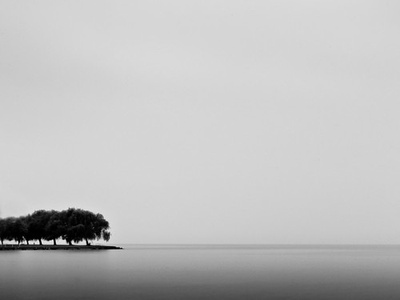
Lake Balaton
Central Europe’s largest freshwater lake, 592 km²; major tourism, fishing and ecosystem resource. Economically vital for regional recreation, housing and fisheries; faces nutrient loading, invasive species and water-level management challenges.
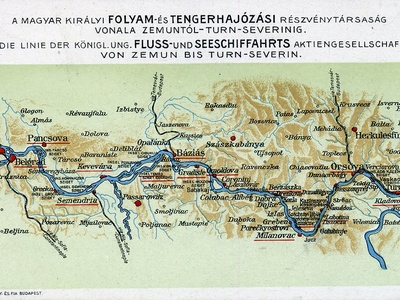
Danube (Hungarian reach)
The Danube traverses Hungary ~417 km, providing navigation, freshwater, hydro potential and biodiversity corridors. Crucial for commerce and ecosystems; transboundary pollution, flood management and habitat fragmentation are major concerns.

Tisza (river)
Tisza flows through the eastern Plain ~597 km in Hungary; important for irrigation, fisheries and biodiversity. Economically supports agriculture and freshwater fisheries; vulnerable to upstream pollution and periodic flooding.
Great Hungarian Plain (Alföld)
A vast lowland about 52,000 km², Hungary’s agricultural and groundwater heart. Extremely fertile soils and extensive aquifers support farming and settlements; faces soil erosion, salinization and groundwater over-extraction pressures.
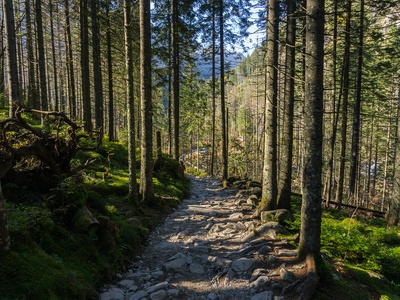
Forests
Forests cover about 19,755 km² (~21% of land), supplying timber, biodiversity and carbon sinks. Economically support forestry, recreation and habitat protection; face invasive species, pests, and climate-driven stress.
Protected areas & national parks
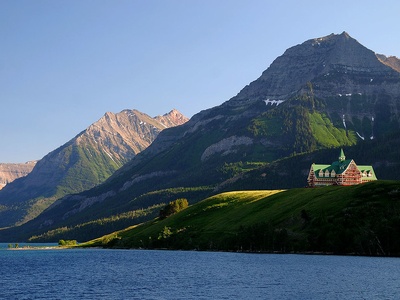
Protected areas cover ~9,700 km² including national parks. They conserve biodiversity, wetlands and cultural landscapes, attracting ecotourism. Management balances conservation with agriculture, tourism impacts and water regime changes.
Thermal springs (count)
Hungary has ~1,300 thermal springs feeding spas and district heating. Economically important for tourism and geothermal heating; sustainable extraction and mineral scaling, plus subsidence, are management issues.
Geothermal energy (installed thermal capacity)
Installed geothermal thermal capacity about 360 MWth for heating and spas. Significant renewable energy and heat resource with expansion potential; groundwater management and sustainable reinjection are environmental priorities.
Groundwater (renewable annual)
Renewable groundwater roughly 11.20 billion m³/year (approximate) in major aquifers. Critical for drinking water, irrigation and industry; vulnerable to overuse, contamination and saline intrusion.
Salt (rock salt and brine)
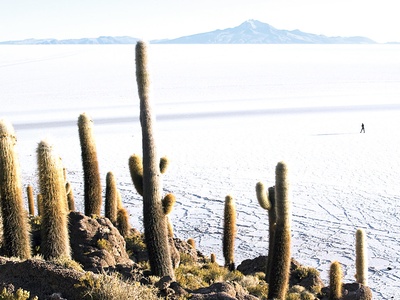
Extensive rock salt and brine deposits (≈1,000,000,000 tonnes) used for chemical industry, salt production and de-icing. Economically important and historically exploited; solution mining and sinkhole risks require careful management.
Bauxite
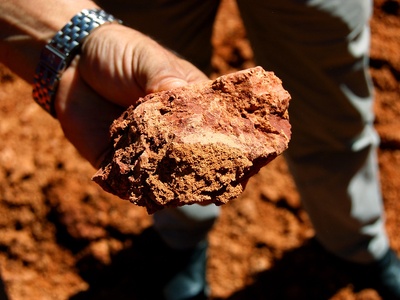
Large bauxite deposits near Ajka (~200,000,000 tonnes historically), feed alumina and aluminum industries. Economically significant; notable for the 2010 red sludge disaster and the need for safer residue management.
Lignite (brown coal)
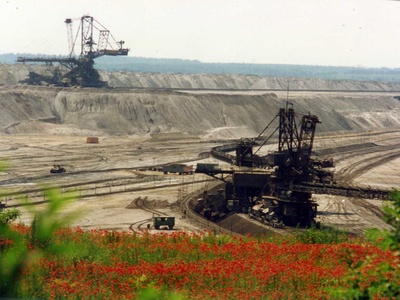
Lignite deposits (~500,000,000 tonnes) in Mecsek and Mátra supported thermal power historically. Economically modest today due to decarbonization; mining legacy includes land subsidence and environmental remediation needs.
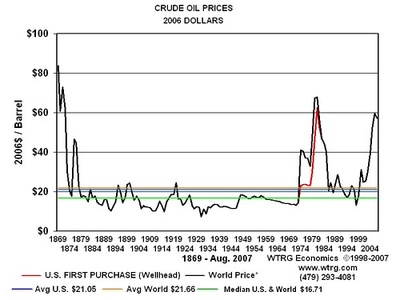
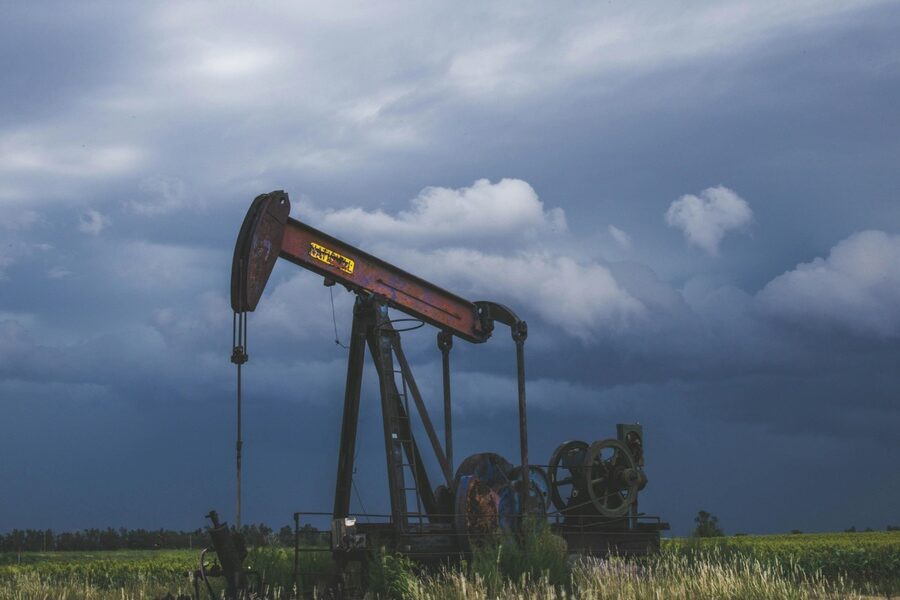
Crude oil
Domestic crude reserves small (~5,000,000 tonnes). Oil production supports local industry but imports dominate consumption; mature fields face declining output and environmental concerns from aging infrastructure.
Natural gas (conventional)
Domestic conventional gas reserves estimated around 50,000,000,000 m³. Gas aids energy security and industry; production limited, many fields mature, so import dependence and exploration debates persist.

Gypsum
Gypsum deposits (~100,000,000 tonnes) supply construction plaster and cement industry. Economically relevant regionally; quarrying impacts landscapes and groundwater, requiring restoration and dust control.
Limestone & dolomite
Widespread limestone/dolomite outcrops (~10,000 km² area) provide aggregate, cement raw material, and building stone. Critical for construction; quarrying affects karst systems, groundwater and biodiversity.
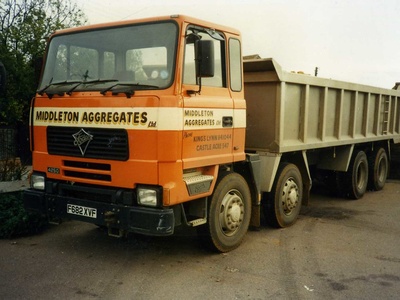
Sand & gravel (aggregates)
Huge unconsolidated aggregate resources (≈10,000,000,000 tonnes) from rivers and glacial deposits used in construction. Economically vital but extraction alters river morphology, habitats and flood regimes.
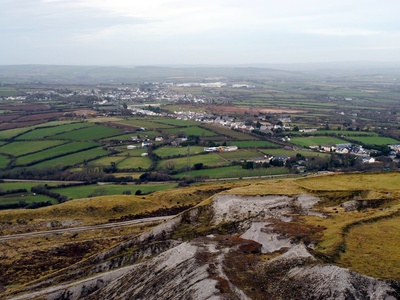
Kaolin & industrial clays
Kaolin and clays (~50,000,000 tonnes) used in ceramics, paper and brickmaking. Regionally important industries; mining requires landscape rehabilitation and water quality protections.
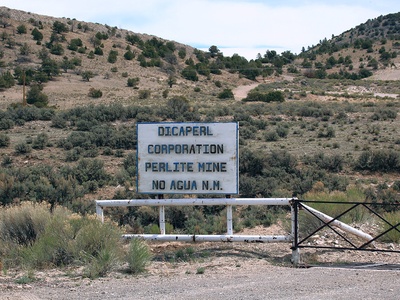
Perlite
Perlite deposits (~10,000,000 tonnes) associated with volcanic areas near Tokaj supply insulation and filtration industries. Economically valuable niche; mining footprint and dust must be managed.
Bentonite
Bentonite clays (~5,000,000 tonnes) used for drilling muds, foundry and cat litter. Economically important regionally; extraction and tailings management are environmental concerns.
Peat
Limited peat deposits (~1,000,000 tonnes) in marshes used historically as local fuel and soil amendment. Ecologically sensitive peatlands store carbon and support biodiversity; drainage degrades habitats and carbon stocks.
Uranium (historical deposits)
Mecsek hosted uranium ores (~10,000 tonnes U estimated historically). Small-scale mining supported nuclear fuel supply; environmental legacy includes mine remediation and radon/contamination monitoring.
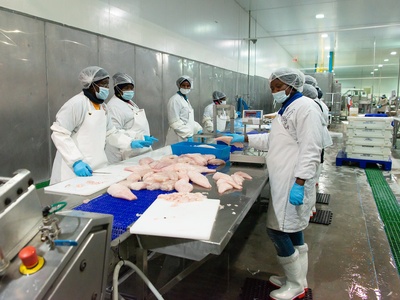
Freshwater fisheries & aquaculture
Inland fisheries and aquaculture produce roughly 20,000 tonnes/year, focused on carp and pond systems. Important for rural livelihoods and gastronomy; water quality and disease control shape sustainability.
Pannonian grasslands (steppe habitats)
Pannonian steppe habitats (~9,000 km² historically; remnants protected) are biodiversity-rich semi-natural grasslands. Economically tied to extensive grazing and tourism; threatened by intensification, abandonment and invasive species.
Wetlands & marshes (Hortobágy, Kis-Balaton)
Wetlands (~1,200 km² protected complexes) provide flood buffering, biodiversity and reed resources. Vital for migratory birds and water purification; sensitive to water regulation and pollution.
Thermal mineral waters (balneology)
Mineral-rich thermal waters supply spas (Hévíz, Budapest baths) and therapeutic tourism. Large annual withdrawal volumes support economy; overuse and mineral scaling can reduce reservoir sustainability.
Saline wetlands and soda lakes
Saline and soda lakes host specialized biodiversity and traditional salt-tolerant grazing. Economically marginal but ecologically unique; sensitive to hydrological changes and eutrophication.
Thermal water for district heating
Geothermal/thermal water used for district heating (~0.5 Mtoe/year equivalent, approximate). Provides low‑carbon heating for towns and spas; requires sustainable reservoir management and reinjection.