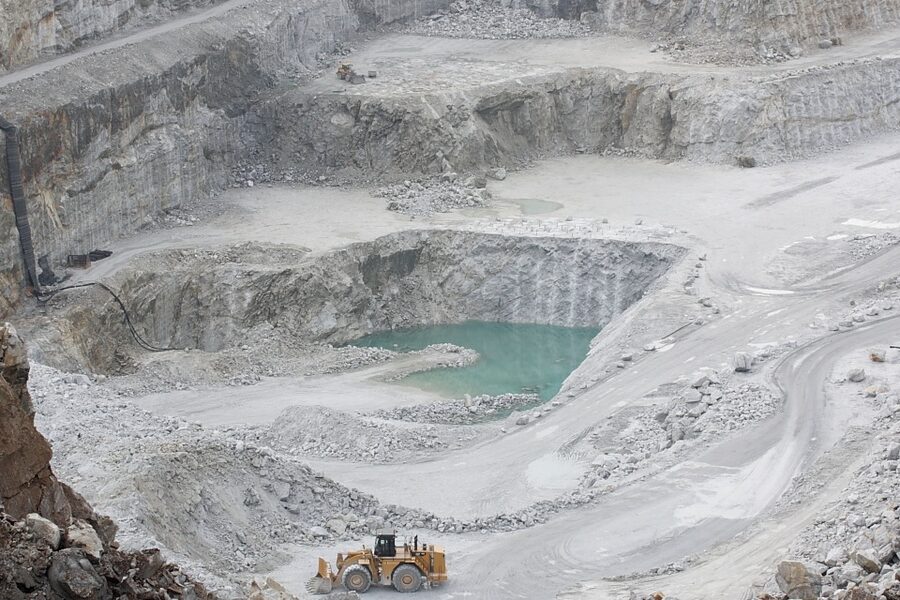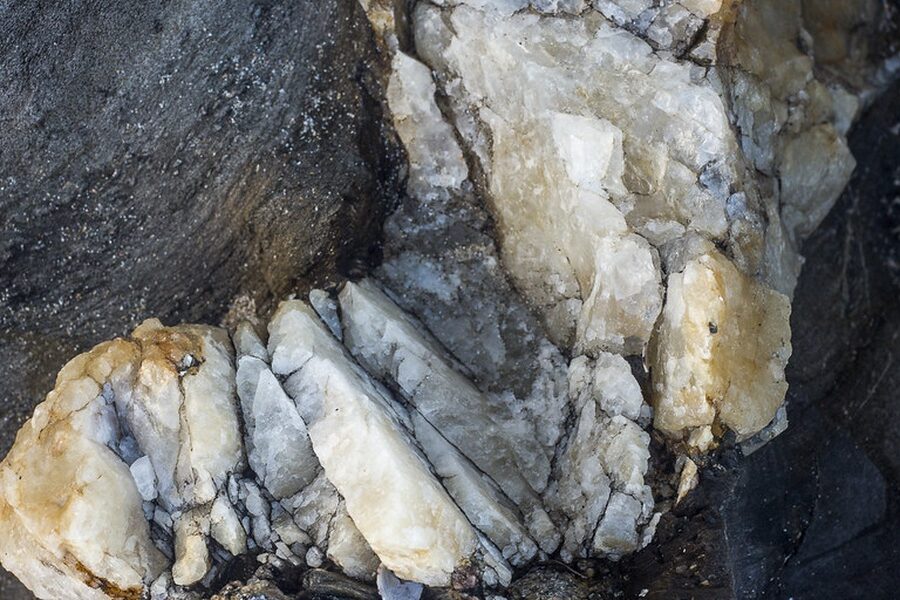
Mexico’s geology reads like a travelogue of tectonic collisions, volcanic belts and hydrothermal veins — a huge reason mining and mineral collecting have long mattered here. From old silver camps to modern polymetallic mines, the landscape still yields unexpected specimens and industrial ores.
There are 53 Minerals in Mexico, ranging from Acanthite to Zincite (rare natural). Entries are organized with: Chemical formula,Key localities (states/mines),Primary use (max 15 words), so you can quickly see composition, where it’s found and how it’s used — you’ll find below.
Which Mexican states produce the most mineral varieties?
Northern and central states like Chihuahua, Durango, Zacatecas, Sonora and Guanajuato host the widest variety because of extensive volcanic and hydrothermal activity; Oaxaca and Sinaloa also contribute notable deposits. Use the locality column to match minerals to regions and understand why certain minerals cluster where they do.
How should I use this list if I’m a collector or researcher?
Use the Chemical formula to confirm identifications, the Key localities to plan visits or requests, and the Primary use to gauge commercial versus collector value; always verify rarity claims and follow local collecting rules and permits.
Minerals in Mexico
| Name | Chemical formula | Key localities (states/mines) | Primary use (max 15 words) |
|---|---|---|---|
| Acanthite | Ag2S | Zacatecas (Fresnillo), Guanajuato, Durango | Primary silver ore, economic silver production |
| Native silver | Ag | Zacatecas (Fresnillo), Guanajuato (Guanajuato City), Chihuahua (Batopilas) | Silver bullion, jewelry, collector specimens |
| Galena | PbS | Zacatecas, Durango, Chihuahua, Hidalgo | Lead ore, silver by-product, batteries and shielding |
| Sphalerite | ZnS | Zacatecas, Chihuahua (Santa Eulalia), Durango | Zinc ore for galvanizing, alloys, chemicals |
| Chalcopyrite | CuFeS2 | Sonora (Cananea), Zacatecas, Chihuahua | Primary copper ore, electrical and industrial uses |
| Chalcocite | Cu2S | Zacatecas, Sonora (Cananea), Chihuahua | High-grade copper ore, economic copper extraction |
| Bornite | Cu5FeS4 | Sonora (Cananea), Zacatecas | Copper ore, ornamental mineral for collectors |
| Tetrahedrite | (Cu,Fe)12Sb4S13 | Zacatecas, Guanajuato, Fresnillo | Silver-bearing ore, minor copper and antimony source |
| Enargite | Cu3AsS4 | Sonora, Chihuahua, Oaxaca | Copper ore, arsenic-bearing sulfide with metallurgical challenges |
| Covellite | CuS | Santa Eulalia (Chihuahua), Zacatecas | Copper ore and collector mineral |
| Pyrite | FeS2 | Nationwide (Guanajuato, Zacatecas) | Sulfur source for sulfuric acid, indicator mineral |
| Hematite | Fe2O3 | Durango, Sonora, Michoacán | Iron ore, pigment, heavy aggregate |
| Magnetite | Fe3O4 | Chihuahua, Michoacán, Guerrero | Iron ore, heavy media, magnetic applications |
| Cuprite | Cu2O | Sonora (Cananea), Zacatecas, Chihuahua | Copper ore, ornamental and collector specimens |
| Malachite | Cu2CO3(OH)2 | Sonora, Zacatecas, Chihuahua | Ornamental stone, copper ore indicator, jewelry |
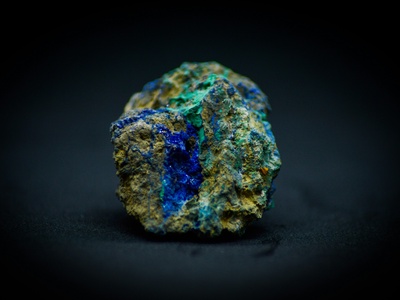
| Azurite | Cu3(CO3)2(OH)2 | Sonora, Zacatecas | Gemstone, ornamental, copper indicator |
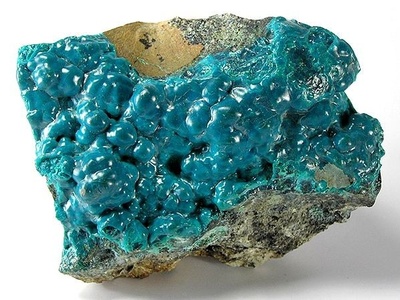
| Chrysocolla | (Cu,Al)2H2Si2O5(OH)4·nH2O | Sonora (Cananea), Chihuahua | Gemstone, ornamental, indicator of copper ores |
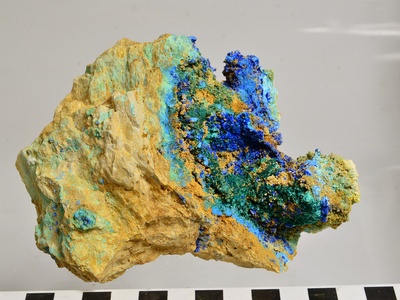
| Brochantite | Cu4SO4(OH)6 | Sonora, Zacatecas | Secondary copper mineral, collector specimens |
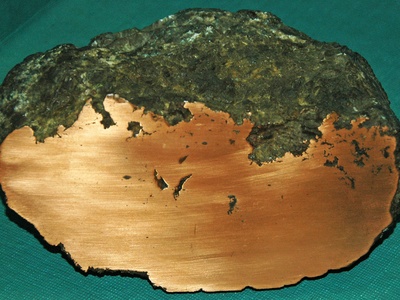
| Native copper | Cu | Sonora (Cananea), Baja California | Minor copper metal occurrences, collector specimens |
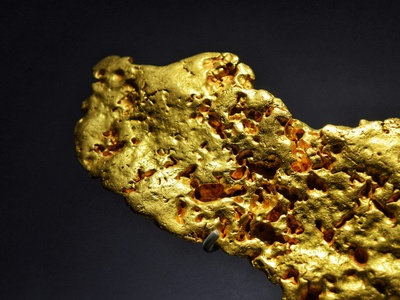
| Native gold | Au | Guerrero, Durango, Sonora | Gold bullion, jewelry, investment |
| Electrum | Au,Ag alloy | Guanajuato, Zacatecas | Jewelry and historical coinage, collector specimens |
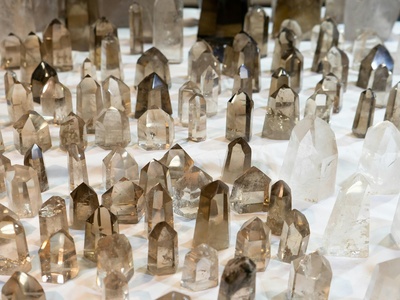
| Quartz (rock crystal) | SiO2 | Veracruz (Las Vigas), Chihuahua, Guerrero | Gemstones, industrial silica, collectors |
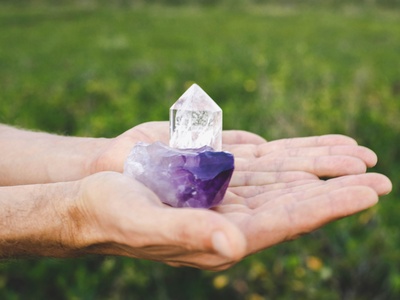
| Quartz (amethyst) | SiO2 | Guerrero, Veracruz | Gemstone for jewelry and decorative use |
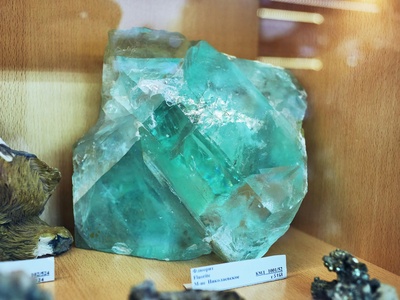
| Fluorite | CaF2 | San Luis Potosí, Chihuahua, Durango | Industrial flux, chemical feedstock, ornamental |
| Barite | BaSO4 | Oaxaca, San Luis Potosí, Sonora | Drilling muds, heavy aggregate, paints |
| Gypsum | CaSO4·2H2O | Chihuahua (Naica), Coahuila | Cement, plaster, construction gypsum |
| Calcite | CaCO3 | Various (Zacatecas, Chihuahua, Guanajuato) | Cement, lime, ornamental, collectors |
| Smithsonite | ZnCO3 | Mapimí (Ojuela, Durango), Zacatecas | Zinc ore, collector specimens, minor industry |
| Hemimorphite | Zn4Si2O7(OH)2·H2O | Mapimí (Ojuela, Durango), Zacatecas | Zinc ore, collector specimens, lapidary use |
| Wulfenite | PbMoO4 | Mapimí (Ojuela, Durango), Zacatecas | Minor molybdenum indicator, collector mineral |
| Vanadinite | Pb5(VO4)3Cl | Mapimí (Ojuela, Durango), San Luis Potosí | Vanadium source (minor), collector specimens |
| Pyromorphite | Pb5(PO4)3Cl | Mapimí (Ojuela, Durango), Zacatecas | Collector mineral, indicator of lead oxide zones |
| Cerussite | PbCO3 | Real del Monte (Hidalgo), Zacatecas | Lead ore secondary, collector specimens |
| Anglesite | PbSO4 | Zacatecas, Hidalgo, Chihuahua | Lead sulfate ore, collector specimens |
| Stibnite | Sb2S3 | Oaxaca, Durango (historic occurrences) | Antimony ore, flame retardants, alloys |
| Molybdenite | MoS2 | Chihuahua, Durango | Molybdenum source for steel alloys and catalysts |
| Scheelite | CaWO4 | Durango, Chihuahua | Primary tungsten ore for hard metals and tools |
| Wolframite | (Fe,Mn)WO4 | Durango, Chihuahua | Tungsten ore for hard metals and machining tools |
| Covellite (repeat avoided) | CuS | — | — |
| Chalcedony | SiO2 (microcrystalline) | Querétaro (fire-amber varieties), Jalisco (agate) | Gemstones, ornamental, lapidary use |
| Chalcanthite | CuSO4·5H2O | Historic occurrences in arid mines (Chihuahua) | Collector specimens, indicator of oxidation |
| Anglesite (duplicate avoided) | PbSO4 | — | — |
| Bromellite (rare) omitted | BeO | — | — |
| Native sulfur | S | Colima, Veracruz, active volcanic fumaroles | Sulfur for chemical industry and fertilizers |
| Rhodochrosite | MnCO3 | Historic occurrences (Durango, Zacatecas) | Collector mineral, minor manganese source |
| Garnet (almandine) | (Fe,Mg)3Al2Si3O12 | Oaxaca, Chiapas (metamorphic belts) | Abrasives, gem material, geological indicator |
| Siderite | FeCO3 | Zacatecas, Durango (low-temperature veins) | Minor iron carbonate ore, collector specimens |
| Marcasite | FeS2 | Historic silver districts (Guanajuato, Zacatecas) | Indicator mineral, collector specimens |
| Ilvaite | CaFe2+2Si2O7(OH) | Mapimí (Ojuela, Durango), Zacatecas | Collector mineral, petrologic indicator |
| Zincite (rare natural) | ZnO | Historic localities (Oaxaca, Durango) | Collector specimens, pigment research interest |
| Plattnerite (PbO2) occurrences | PbO2 | Oxidation zones of lead deposits (Zacatecas) | Collector mineral, indicator of oxidation |
| Ilmenite | FeTiO3 | Sonora, Guerrero (magmatic systems) | Titanium ore (minor), heavy mineral sands |
| Chromite | FeCr2O4 | Oaxaca (ultramafic belts, minor) | Chromium ore for alloys and plating (minor) |
Images and Descriptions
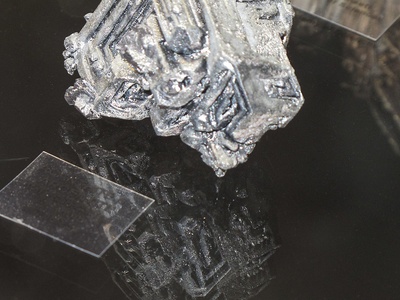
Acanthite
Acanthite is the silver sulfide that forms the backbone of many Mexican silver veins, dark metallic crystals common in Zacatecas and Guanajuato; economically vital for Mexico’s historic and modern silver mines. Sources: USGS, Servicio Geológico Mexicano

Native silver
Native silver occurs as wires and plates in classic Mexican silver districts; prized by collectors and historically produced substantial bullion and jewelry from mines like Fresnillo and Batopilas. Sources: USGS, Mindat, SGM
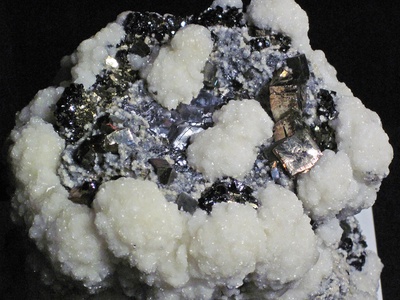
Galena
Galena is the principal lead sulfide mineral in Mexico’s polymetallic veins; often carries silver and forms shiny cubic crystals in Zacatecas and Durango mines, important for lead and silver recovery. Sources: USGS, SGM
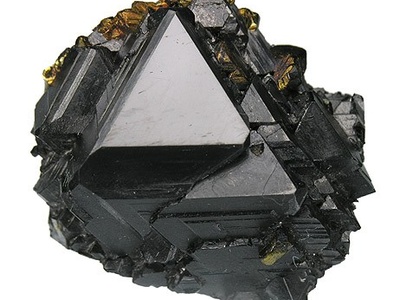
Sphalerite
Sphalerite is Mexico’s main zinc ore, occurring in massive to crystalline forms in skarns and veins; Santa Eulalia and Zacatecas districts have notable occurrences used in zinc production and alloys. Sources: USGS, Mindat
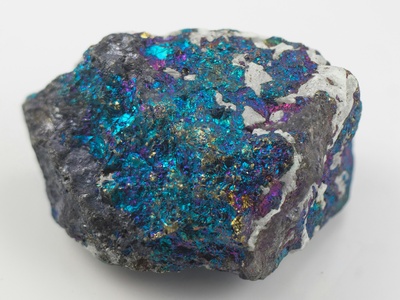
Chalcopyrite
Chalcopyrite is the common copper-bearing sulfide in Mexico’s porphyry and vein deposits; abundant at Cananea and other districts, it’s the primary source of copper for industry and electrical wiring. Sources: USGS, SGM
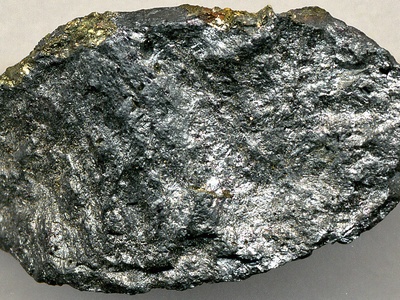
Chalcocite
Chalcocite forms in supergene enrichment zones and yields high-grade copper ore in several Mexican mines; its compact, dark masses are economically important where present. Sources: USGS, Mindat
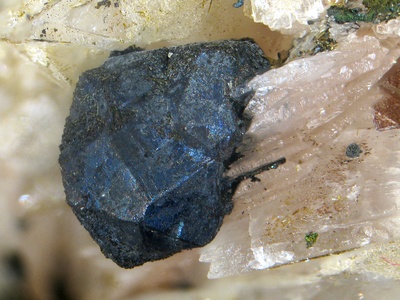
Bornite
Bornite (“peacock ore”) appears in porphyry and hydrothermal deposits in Sonora and Zacatecas; it’s a copper ore and colorful specimen mineral appreciated by collectors. Sources: SGM, Mindat
Tetrahedrite
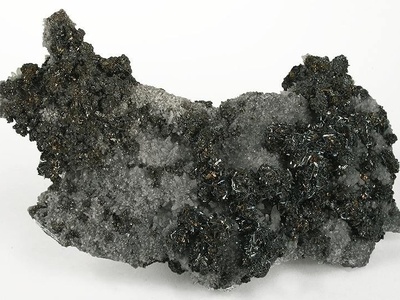
Tetrahedrite is a complex sulfosalt that hosts silver in many Mexican silver veins; common in Zacatecas and Guanajuato, it’s an important silver carrier in polymetallic deposits. Sources: USGS, Mindat
Enargite
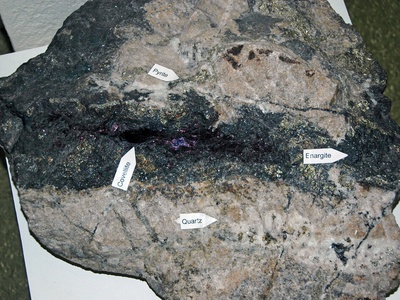
Enargite occurs in many Mexican epithermal and porphyry-related deposits; it’s a copper ore but contains arsenic, complicating processing and environmental management. Sources: SGM, Mindat
Covellite
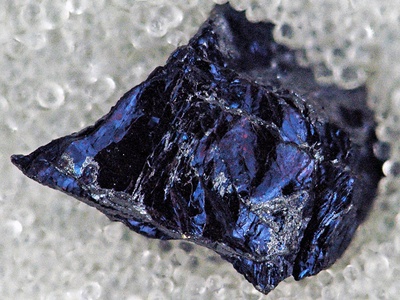
Covellite is a deep-blue copper sulfide found in oxidized-to-primary transitions of Mexican copper deposits; attractive specimens come from Chihuahua and Zacatecas and it contributes to copper recovery. Sources: Mindat, SGM
Pyrite
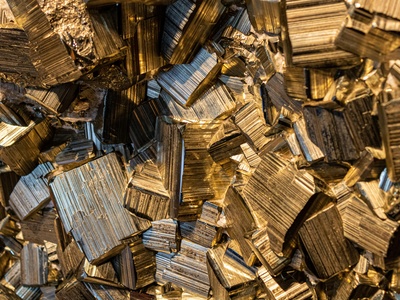
Pyrite is ubiquitous in Mexican hydrothermal systems, forming brassy crystals; it’s an indicator mineral for ore deposits and a source of sulfur in industrial processes. Sources: USGS, SGM
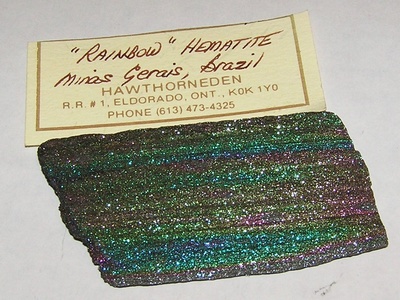
Hematite
Hematite is a common iron oxide in Mexico’s metamorphic and hydrothermal zones; used wherever iron is extracted and as a pigment or dense aggregate in construction. Sources: SGM, Mindat
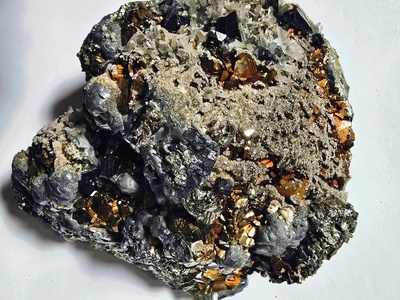
Magnetite
Magnetite appears in igneous and metamorphic rocks across Mexico; it’s exploited as an iron ore and valued for magnetic properties in industrial applications. Sources: USGS, SGM
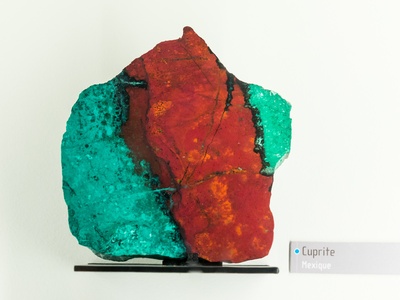
Cuprite
Cuprite forms red, gemmy crystals in oxidized zones of Mexican copper deposits; it’s a secondary copper ore and prized by mineral collectors for its color and luster. Sources: Mindat, SGM
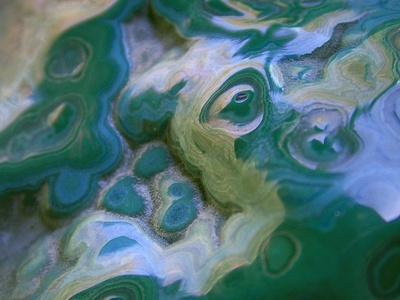
Malachite
Malachite’s bright green botryoidal or banded masses are common in oxidized copper zones; in Mexico it’s both an ornamental material and an indicator of copper mineralization. Sources: USGS, Mindat
Azurite
Azurite forms deep blue crusts and crystals in Mexico’s copper deposits; used historically as a pigment and ornament, and as an indicator of secondary copper enrichment. Sources: Mindat, SGM
Chrysocolla
Chrysocolla is a blue-green copper silicate common in Sonoran copper deposits; used for jewelry and decoration and as a visible sign of copper mineralization. Sources: Mindat, USGS
Brochantite
Brochantite is a bright green copper sulfate-hydroxide that forms in oxidized copper zones in Mexico; attractive crystals make it notable to collectors and indicate copper oxidation. Sources: SGM, Mindat
Native copper
Native copper occurs as small masses and wires in Mexican deposits like Cananea; historically rare but of interest for collectors and indicative of copper-rich systems. Sources: Mindat, SGM
Native gold
Native gold occurs in veins and alluvial deposits in Guerrero and Sonora; it’s the ultimate economic target for many Mexican hardrock and placer operations. Sources: USGS, SGM
Electrum
Electrum is a natural gold–silver alloy recorded in Mexican silver–gold veins, historically important in early coinage and often encountered in classic mining districts. Sources: Mindat, SGM
Quartz (rock crystal)
Clear quartz crystals from Las Vigas (Veracruz) and other localities are popular with collectors and sometimes used as gemstones; quartz is widespread in Mexico’s igneous and hydrothermal deposits. Sources: USGS, Mindat
Quartz (amethyst)
Amethyst, the purple variety of quartz, is found in pockets and geodes in Guerrero and Veracruz; used locally in jewelry and valued by collectors for color and clarity. Sources: Mindat, SGM
Fluorite
Fluorite forms colorful crystals in Mexican hydrothermal veins and is mined for use in metallurgy, fluorochemicals, and as a lapidary material in some states. Sources: USGS, Mindat
Barite
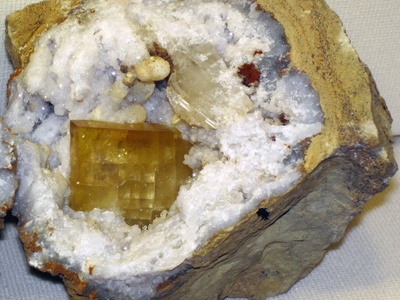
Barite occurs in vein and sedimentary deposits across Mexico; its high density makes it essential for drilling muds in oil and gas and other industrial uses. Sources: SGM, USGS

Gypsum
Gigantic selenite crystals at Naica (Chihuahua) are world-famous; gypsum is widely mined in Mexico for cement, plasterboard, and agricultural uses. Sources: SGM, USGS
Calcite
Calcite is abundant in Mexican hydrothermal veins and caves, forming attractive crystals and scalenohedra; important for lime and cement production and popular with collectors. Sources: Mindat, SGM
Smithsonite
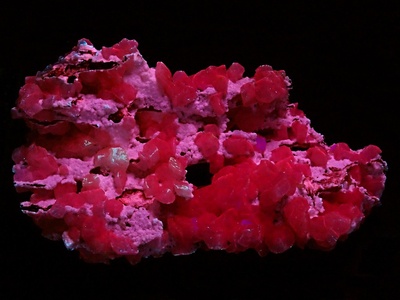
Smithsonite is a secondary zinc carbonate found in old mine workings like Ojuela (Mapimí), prized for colorful botryoids and historically a local zinc ore. Sources: Mindat, SGM
Hemimorphite
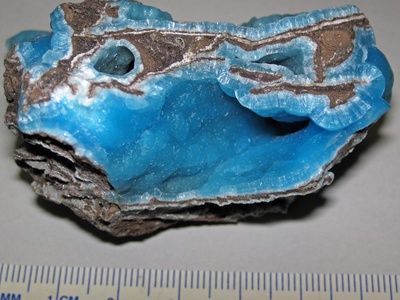
Hemimorphite occurs as blue-white crystals and crusts in the Ojuela and other Mexican mines; collectors prize attractive specimens and it’s a secondary zinc ore. Sources: Mindat, SGM
Wulfenite
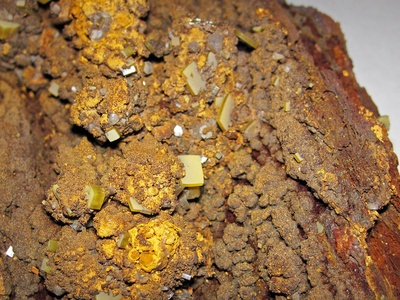
Wulfenite forms thin tabular orange to yellow crystals at Ojuela and other Mexican lead–zinc localities; mostly a collector mineral and an indicator of molybdenum-bearing systems. Sources: Mindat, SGM
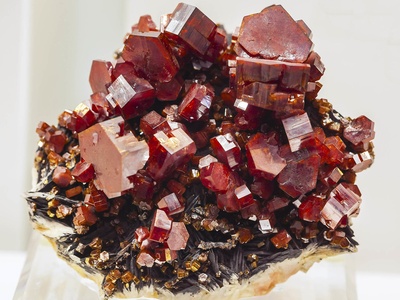
Vanadinite
Vanadinite makes red hexagonal crystals in oxidized lead deposits in Mexico; attractive specimens are sought by collectors and it’s a minor source of vanadium. Sources: Mindat, USGS
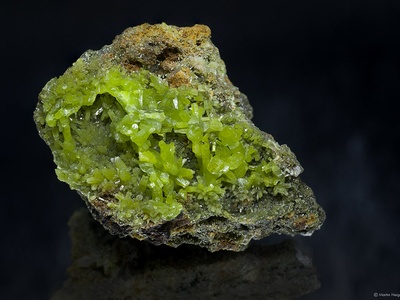
Pyromorphite
Pyromorphite is a bright green to brown lead phosphate found in oxidized zones of Mexican lead deposits; prized by collectors and indicative of supergene processes. Sources: Mindat, SGM
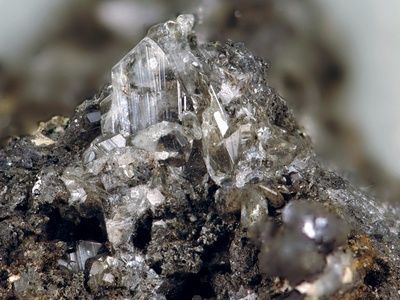
Cerussite
Cerussite forms high-density, sparkling crystals in oxidized lead deposits such as Hidalgo and Zacatecas; it’s both a secondary lead ore and a favorite among collectors. Sources: Mindat, SGM
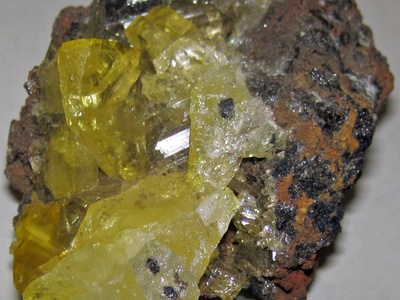
Anglesite
Anglesite develops in oxidation zones of lead deposits; Mexican occurrences produce attractive crystals and it represents a weathering product of galena with economic and collector interest. Sources: Mindat, USGS
Stibnite
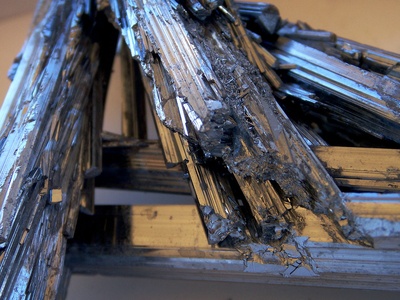
Stibnite occurs in some Mexican hydrothermal veins and has been mined historically for antimony, used in flame retardants and alloys, with striking blade-like crystals. Sources: Mindat, SGM
Molybdenite
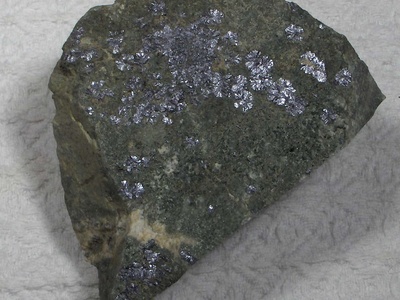
Molybdenite appears in porphyry and hydrothermal deposits in northern Mexico; it’s the principal molybdenum mineral used for strengthening steel and in catalysts. Sources: USGS, SGM
Scheelite
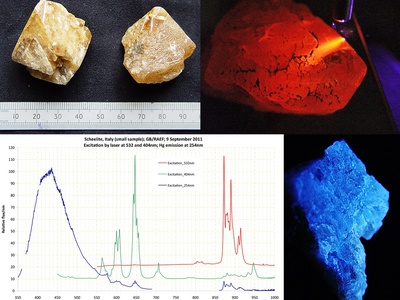
Scheelite is a key tungsten mineral in Mexico’s high-grade skarn and vein deposits, historically mined in Durango and Chihuahua for hard-metal manufacture. Sources: Mindat, USGS
Wolframite
Wolframite occurs with scheelite in some Mexican tungsten-bearing deposits; mined for tungsten used in heavy-duty tools and alloys, particularly in northern states. Sources: Mindat, SGM
Covellite (repeat avoided)
—
Chalcedony
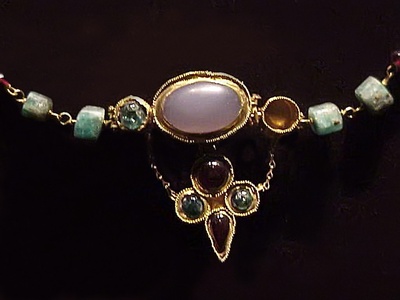
Chalcedony appears as attractive banded and colored masses in Mexican deposits; classic fire-amber varieties are used in jewelry and local crafts, popular with lapidary artists. Sources: Mindat, SGM
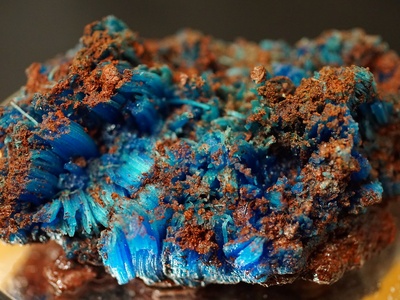
Chalcanthite
Chalcanthite forms blue efflorescent crystals in mine dumps and arid oxidation zones; mainly a collector curiosity indicating copper oxidation rather than a mined ore. Sources: Mindat, SGM
Anglesite (duplicate avoided)
—
Bromellite (rare) omitted
—
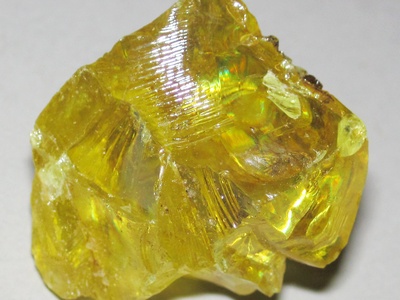
Native sulfur
Native sulfur occurs from volcanic fumaroles and hydrothermal vents in Mexico (Colima, Veracruz); it’s harvested locally for sulfuric acid production and fertilizers in some regions. Sources: SGM, USGS
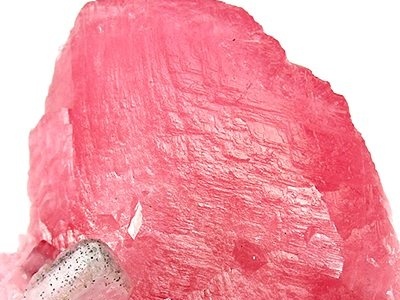
Rhodochrosite
Rhodochrosite has been recorded in some Mexican hydrothermal locales, prized for pink crystals by collectors though not a major manganese ore. Sources: Mindat, SGM
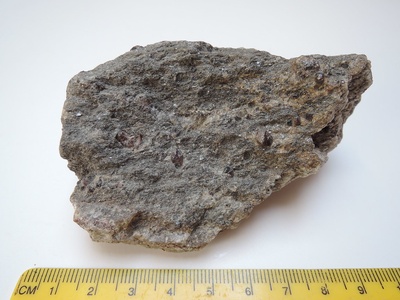
Garnet (almandine)
Almandine garnet occurs in metamorphic rocks in southern Mexico; used occasionally as an abrasive and in jewelry, and important to understanding regional geology. Sources: Mindat, SGM
Siderite
Siderite forms rhombohedral crystals in low-temperature veins and hydrothermal deposits in Mexico, sometimes associated with other carbonates and sulfides; of local interest historically. Sources: Mindat, SGM
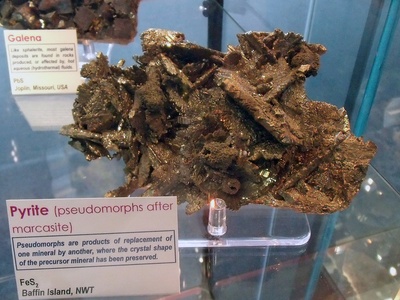
Marcasite
Marcasite, a brittle iron sulfide related to pyrite, occurs in Mexican hydrothermal veins, often alongside silver ores and valued by collectors for its crystal forms. Sources: Mindat, SGM
Ilvaite
Ilvaite appears in some Mexican skarn and hydrothermal deposits, producing black prismatic crystals of interest to collectors and as a petrologic indicator. Sources: Mindat, SGM
Zincite (rare natural)
Natural zincite is rare but reported from some Mexican localities; notable mostly as bright orange-red collector specimens rather than a major zinc ore. Sources: Mindat, SGM
Plattnerite (PbO2) occurrences
Plattnerite forms dark, lustrous coatings in oxidized lead mines; recorded in Mexican deposits and noted by collectors and mineralogists studying weathering profiles. Sources: Mindat, SGM
Ilmenite
Ilmenite appears in igneous rocks and sediments in Mexico and can be a minor source of titanium feedstock in specialized deposits. Sources: USGS, Mindat
Chromite
Chromite is reported from ultramafic complexes in parts of southern Mexico; occurrences are small but of interest for chromium in metallurgy and plating. Sources: Mindat, SGM