Across grasslands, forests and aquatic habitats, species form feeding networks that move energy and nutrients through ecosystems. Watching who eats whom — from insects to large mammals — reveals how communities stay balanced and how resources are recycled.
There are 20 Examples of Consumers in Biology, ranging from African elephant to Zebra. For each entry, the information is arranged with the columns Scientific name,Trophic level,Typical diet — you’ll find below.
How can I tell which trophic level a consumer belongs to?
Look at what the animal eats and who eats it: primary consumers eat producers (plants/algae), secondary consumers eat primary consumers, and so on. Observations of diet, gut contents, stable isotope data, or food-web studies help place a species in a trophic level.
What role do consumers play in ecosystem health?
Consumers transfer energy from producers up the food chain, control population sizes of other species, and contribute to nutrient cycling through waste and decomposition; their presence or absence can reshape community structure and ecosystem function.
Examples of Consumers in Biology
| Name | Scientific name | Trophic level | Typical diet |
|---|---|---|---|
| Grasshopper | Acrididae spp. | Primary | grasses, leaves, crops |
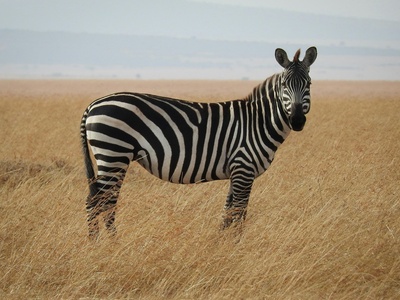
| Zebra | Equus quagga | Primary | grasses, sedges, herbs |
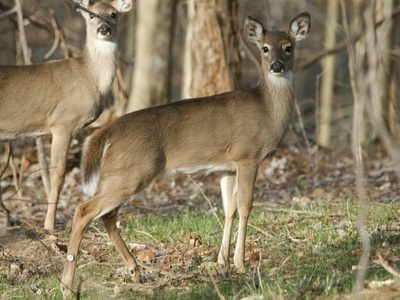
| White-tailed deer | Odocoileus virginianus | Primary | leaves, twigs, grasses, fruits |
| Krill | Euphausia superba | Primary | phytoplankton, algae |
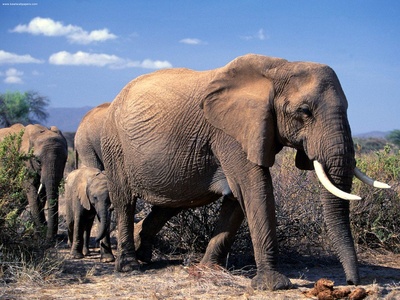
| African elephant | Loxodonta africana | Primary | grasses, leaves, bark, fruits |
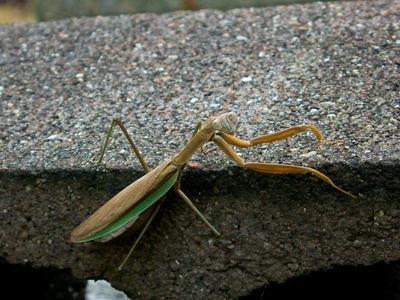
| Praying mantis | Tenodera sinensis | Secondary | insects, small arthropods |
| Common frog | Rana temporaria | Secondary | insects, spiders, snails |
| Red fox | Vulpes vulpes | Secondary | small mammals, birds, insects, fruits |
| Octopus | Octopus vulgaris | Secondary | crabs, mollusks, fish |
| Blue whale | Balaenoptera musculus | Secondary | krill and tiny crustaceans |
| Lion | Panthera leo | Tertiary | large ungulates like zebras, buffalo |
| Great white shark | Carcharodon carcharias | Tertiary | marine mammals, fish, large prey |
| Orca | Orcinus orca | Tertiary | fish, marine mammals including seals, whales |
| Human | Homo sapiens | Omnivore | plants and animals across diets and cultures |
| Raccoon | Procyon lotor | Omnivore | fruits, invertebrates, small vertebrates, scraps |
| Brown bear | Ursus arctos | Omnivore | berries, fish, mammals, roots |
| Earthworm | Lumbricus terrestris | Detritivore | decaying plant material, soil organic matter |
| Dung beetle | Scarabaeidae spp. | Detritivore | animal dung, decaying organic matter |
| Tapeworm | Taenia solium | Parasite | host intestinal contents and nutrients |
| Mosquito | Anopheles gambiae | Parasite | vertebrate blood (females), nectar |
Images and Descriptions
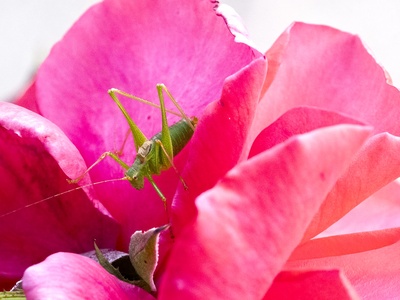
Grasshopper
Grasshoppers are common herbivorous insects that eat grasses and crops; they occur in grasslands and fields worldwide and can influence plant communities by heavy grazing. They’re important food for birds, reptiles and small mammals, and sometimes reach outbreak numbers.
Zebra
Zebras are grazing African mammals that feed mainly on grasses in savannas and open woodlands; they shape vegetation patterns and provide prey for large predators. Their stripes are notable for camouflage and social identification within herds.
White-tailed deer
White-tailed deer browse leaves, twigs and grasses across North American forests, fields and suburbs; they influence plant community composition and serve as prey for wolves and cougars. Their adaptability to human-altered landscapes makes them ecologically and culturally significant.

Krill
Antarctic krill are small crustaceans that swarm in huge numbers and feed on phytoplankton, forming a critical link between microscopic producers and larger consumers like whales, seals and penguins. Their biomass supports entire Southern Ocean food webs.
African elephant
African elephants are mega-herbivores that consume large quantities of grasses, leaves and bark across savannas and forests; their feeding reshapes landscapes, creates water holes and disperses seeds, making them keystone ecosystem engineers with huge ecological impact.
Praying mantis
Praying mantises are ambush predators that capture insects and other arthropods with raptorial forelegs; found in gardens and grasslands worldwide, they help control pest populations and exhibit intriguing hunting behaviors and head rotation.
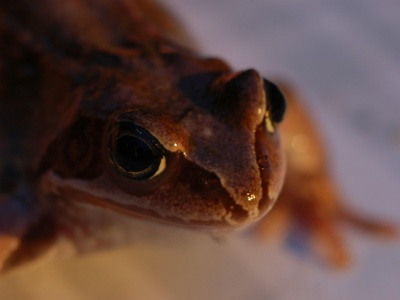
Common frog
Common frogs eat insects, spiders and other small invertebrates in ponds, wetlands and gardens, serving as important mid-level predators in freshwater food webs. Their tadpoles also link algae to higher consumers, making them indicators of healthy wetlands.
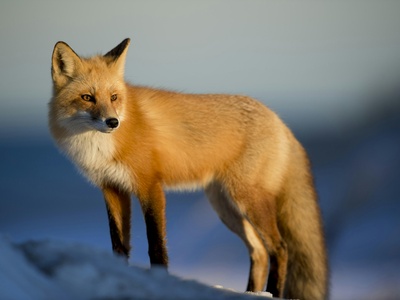
Red fox
Red foxes are adaptable omnivores often classified as secondary consumers because they hunt small mammals and birds; they also eat insects and fruit in varied habitats from forests to cities, influencing rodent populations and food webs.
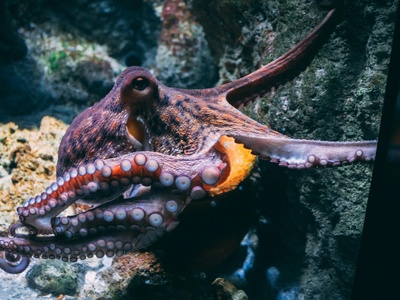
Octopus
Common octopuses are intelligent marine predators that pry open shells and hunt crabs, mollusks and fish on reefs and seafloors; their problem-solving skills, camouflage and tool use make them notable predators and ecosystem influencers.
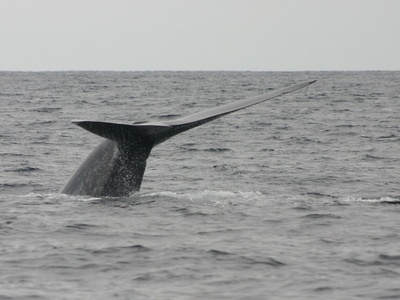
Blue whale
Blue whales are the largest animals on Earth and feed almost exclusively on krill through filter-feeding; by consuming massive krill quantities, they transfer energy up the food web and influence nutrient cycling via their fecal plumes.
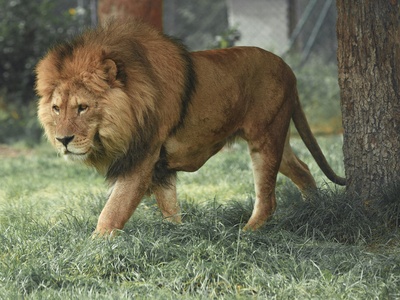
Lion
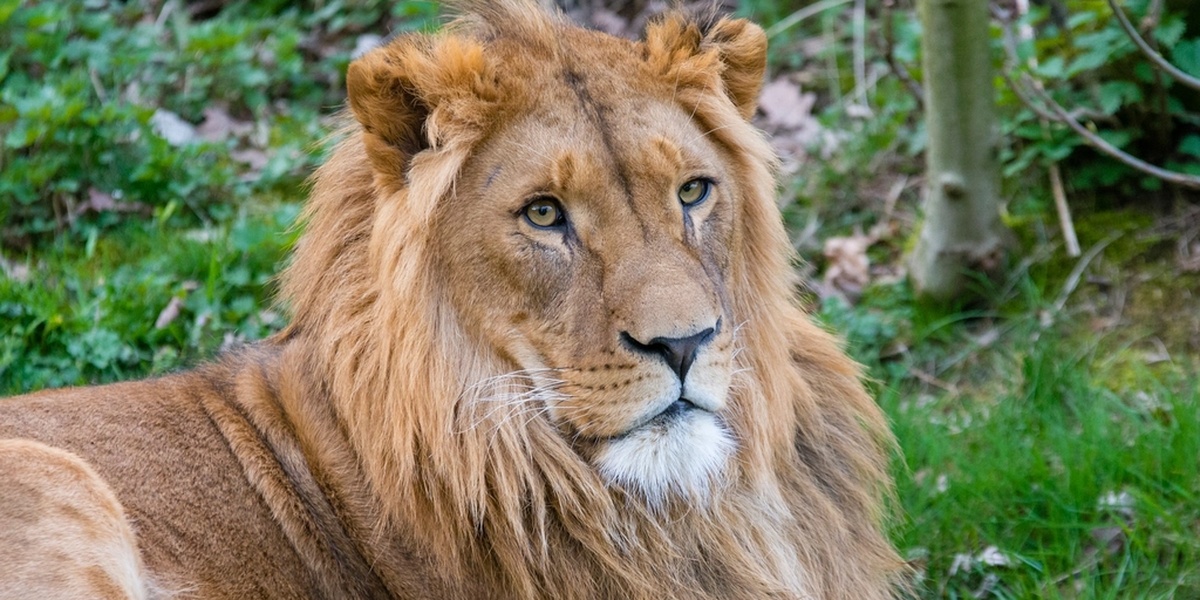
Lions are social apex predators in African savannas that hunt zebras, wildebeest and buffalo; as top carnivores they regulate herbivore populations and indirectly shape vegetation and biodiversity patterns across ecosystems.
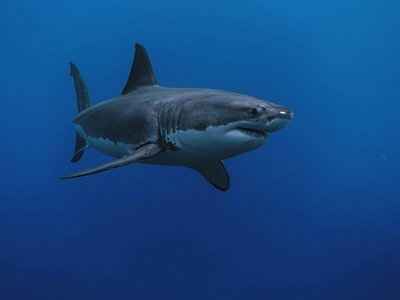
Great white shark
Great white sharks are large marine apex predators that ambush seals, sea lions and large fish along coastal and offshore waters; their hunting shapes marine food webs and they are iconic indicators of ocean health.
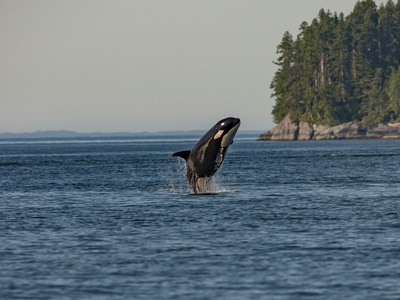
Orca
Orcas, or killer whales, are highly social apex predators that hunt fish, seals and even other whales in coordinated groups; they occupy diverse ocean habitats and influence prey populations and marine ecosystem dynamics.

Human
Humans eat varied animal and plant foods across habitats and cultures; as omnivores we alter ecosystems through hunting, agriculture and fishing, profoundly changing food webs and driving extinctions, but also conserving species.
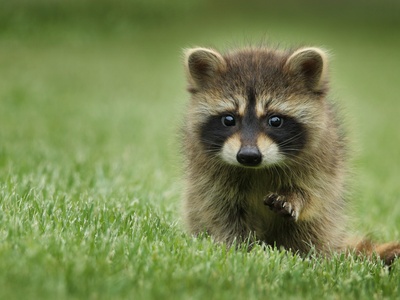
Raccoon
Raccoons are adaptable omnivores found near forests, wetlands and cities; they eat fruits, insects, small animals and human food waste, affecting seed dispersal and urban food webs and demonstrating behavioral flexibility in varied environments.
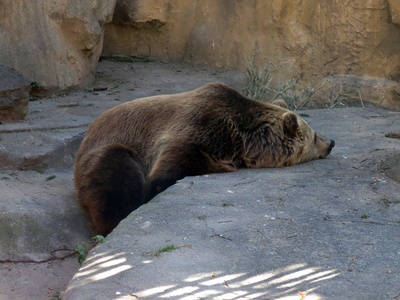
Brown bear
Brown bears feed on berries, salmon, small mammals and plant roots across forests and tundra; as opportunistic omnivores they link terrestrial and aquatic food chains and their seasonal feeding drives nutrient transport and ecosystem processes.
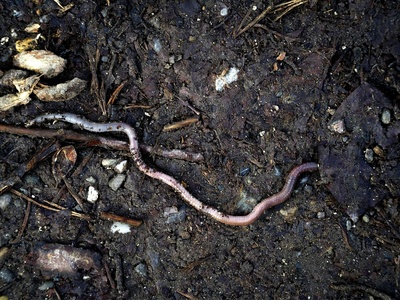
Earthworm
Earthworms consume decaying leaves and soil organic matter in gardens, forests and grasslands, accelerating decomposition and improving soil structure and fertility. Their burrowing aerates soil and supports plant growth, making them vital ecosystem engineers.
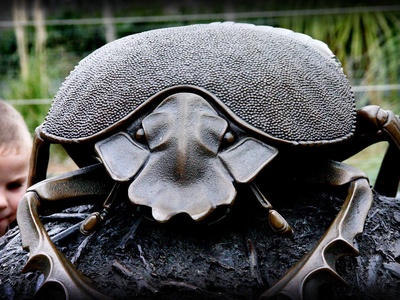
Dung beetle
Dung beetles feed on animal feces, rolling or burying it to feed larvae; common in grasslands and forests, they recycle nutrients, reduce parasites and improve soil, making them key decomposers in many ecosystems.
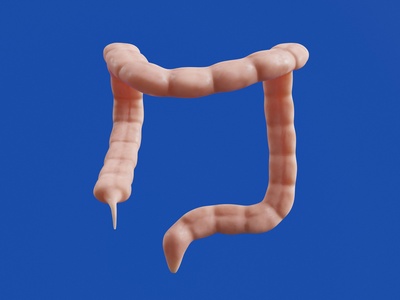
Tapeworm
Tapeworms live in vertebrate intestines and absorb nutrients from host gut, often causing malnutrition and disease; they have complex life cycles with intermediate hosts and can substantially impact host health and population dynamics.
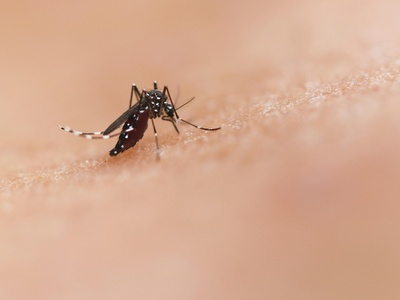
Mosquito
Female mosquitoes feed on vertebrate blood to develop eggs, acting as parasites and disease vectors; they breed in standing water and their biting behavior links wildlife, livestock and humans in disease transmission networks.