Grand Rapids, Michigan launched the first large-scale community water fluoridation program in 1945. Within a few years public-health officials saw a clear drop in childhood cavities.
That experiment set the stage for widespread use of fluoride in water and dental products, and for good reason: community fluoridation and topical fluoride have driven large declines in tooth decay — community programs reduce cavities by about 25% on average (CDC).
Sodium fluoride is a simple compound with outsized public-health, dental, diagnostic, and economic benefits; understanding those advantages explains why it remains a mainstay of preventive care and modern medicine. This article lists eight concrete benefits, grouped into dental & preventive, diagnostic & clinical, and public-health & economic advantages.
We begin with dental and oral-health benefits.
Dental and Oral-Health Benefits
Sodium fluoride is the primary fluoride form used in many topical dental products and community fluoridation programs. It works at the tooth surface to promote remineralization and to form minerals that resist acid attack.
1. Prevention of tooth decay (fewer cavities)
Decades of research show sodium fluoride reduces dental caries at both individual and community levels. The CDC reports community water fluoridation cuts tooth decay by roughly 25% in children and adults.
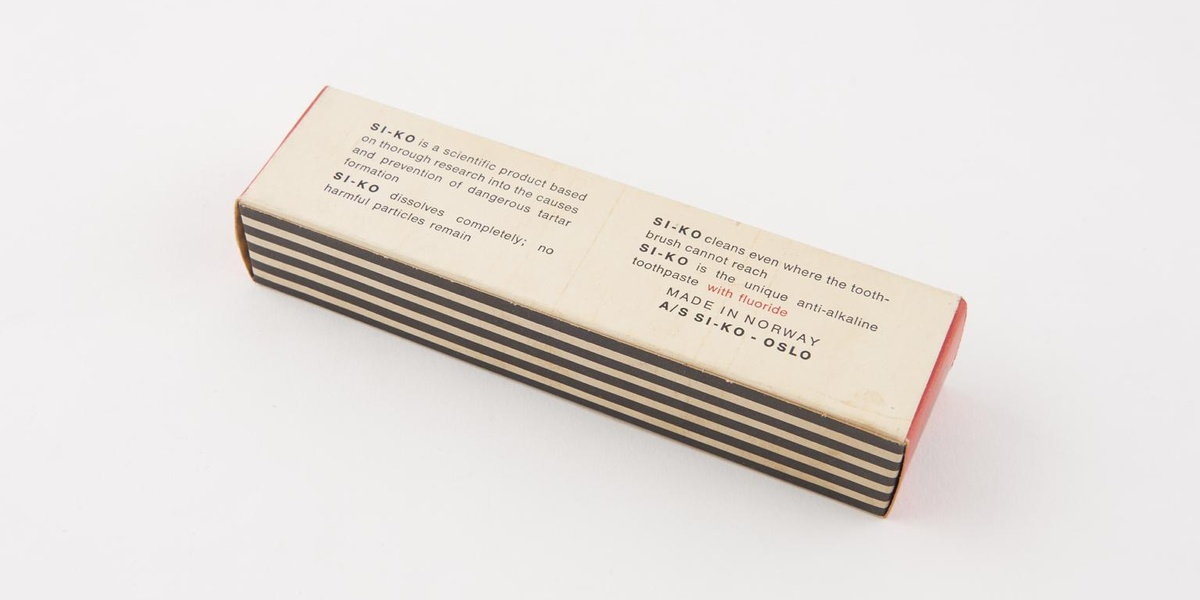
Topical products have been pivotal too: most daily toothpastes deliver 1,000–1,500 ppm fluoride and are credited with much of the recent decline in cavities. Common toothpaste brands such as Colgate and Crest offer formulations that list sodium fluoride or similar fluoride salts as the active ingredient.
Real-world delivery includes municipal water, fluoride toothpaste, and school- or clinic-based varnish programs. Together, community and topical approaches provide both broad population protection and individual daily maintenance (ADA).
2. Remineralization of enamel and reversal of early decay
Sodium fluoride helps rebuild weakened enamel by encouraging deposition of fluorapatite, a mineral that is less soluble in acid than the original enamel minerals. That biochemical change raises resistance to future acid attacks.
Clinical and laboratory work shows topical fluoride can arrest or even reverse early “white spot” lesions around braces or where plaque accumulates. In practice, fluoride varnish is often applied 2–4 times per year for children at higher risk, following pediatric dentistry guidance.
Dentists use targeted toothpaste regimens and in-office varnish after orthodontic treatment to reduce visible demineralization and restore mineral content to early lesions.
3. Reduction in dentinal hypersensitivity
Sodium fluoride reduces tooth sensitivity by occluding exposed dentinal tubules and diminishing nerve responses. That physical blocking plus reduced fluid flow in tubules cuts triggers from cold, air and sweet stimuli.
Clinical trials report meaningful symptom reductions; many studies show improvements in the range of roughly 40–80% for patients using fluoride-containing desensitizing agents or receiving professional fluoride varnish treatments (see clinical reviews and dental association summaries).
Consumers can buy desensitizing toothpastes with NaF, and dentists offer chairside fluoride gels or varnishes when sensitivity is severe. Both approaches are routine and fast-acting for many patients.
4. Enhances effectiveness of dental products and procedures
As an active ingredient, sodium fluoride appears in toothpastes, mouthrinses, varnishes and gels. Its inclusion is standard in preventive dental care and supports long-term enamel health when combined with good hygiene and regular cleanings.
Typical practice workflows include daily fluoride toothpaste for maintenance, professional cleaning visits followed by topical fluoride application for at-risk patients, and periodic mouthrinse use when indicated. These steps make restorative procedures less frequent over a lifetime.
Examples you’ll see in clinics and stores include daily NaF toothpastes, over-the-counter fluoride rinses, and in-office varnish applied during routine checkups.
Diagnostic and Clinical Uses
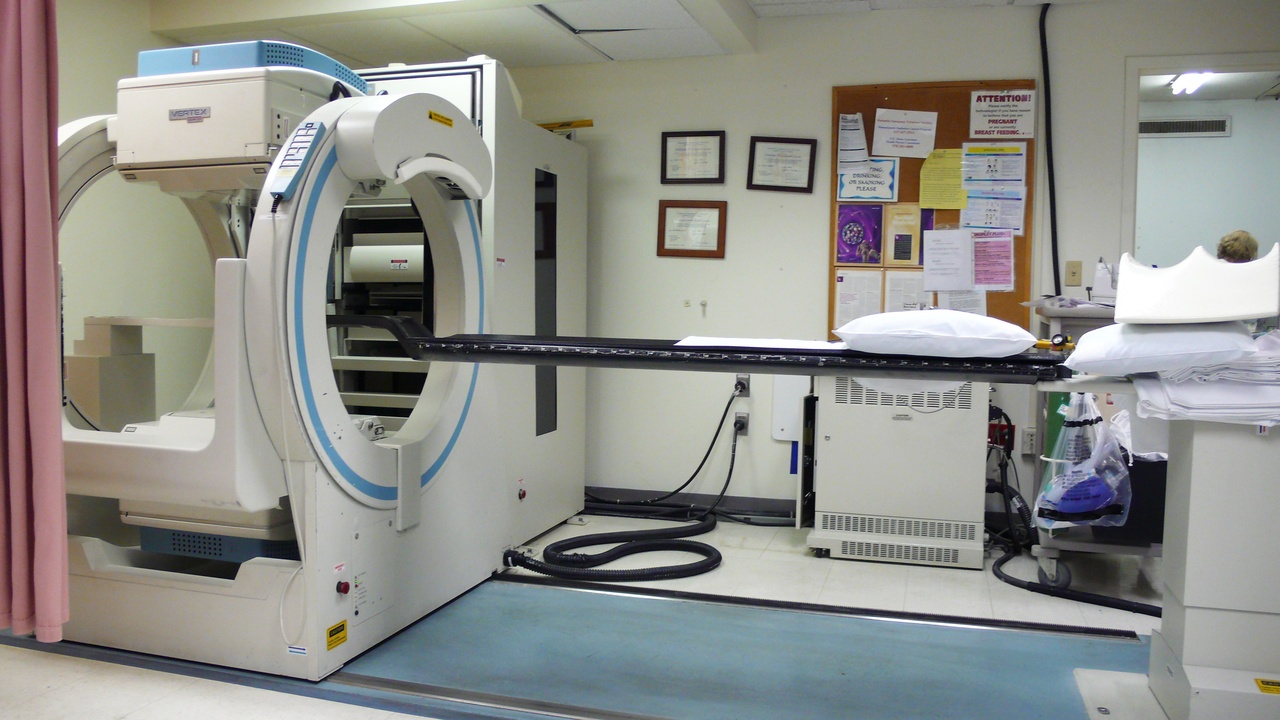
A radiolabeled form of sodium fluoride, 18F-sodium fluoride (18F-NaF), is a valuable tracer in nuclear medicine for bone imaging. Non-radioactive NaF also helps researchers study bone formation and turnover.
5. High-sensitivity bone imaging with 18F-sodium fluoride PET
18F-NaF PET is a modern tracer for detecting bone metastases and other skeletal pathology. Compared with conventional 99mTc bone scans, many studies report notably higher sensitivity for small or early lesions.
Published comparisons often show 18F-NaF PET sensitivities in the high 80s to mid-90s percent range versus lower figures for planar 99mTc scans, making NaF PET useful for staging and follow-up in prostate and breast cancer and for finding occult fractures or prosthetic complications (SNMMI; radiology reviews).
Clinically, oncology centers use 18F-NaF PET/CT to refine management decisions: locating small metastases that change treatment, confirming suspected bone recurrence, or monitoring response to systemic therapy.
6. Research and measurement of bone metabolism
Sodium fluoride uptake correlates with bone blood flow and osteoblastic activity, so both labeled and unlabeled NaF have been used to study bone remodeling in clinical research. That makes NaF a proxy for bone-forming activity.
Researchers use NaF PET to quantify treatment effects in osteoporosis and metabolic bone-disease trials. Representative studies report measurable changes in NaF uptake after effective antiresorptive or anabolic therapy — often in the tens of percent range depending on the agent and follow-up interval.
Such quantitative imaging helps drug developers and clinicians understand where and how bone responds, improving trial design and offering objective endpoints for new therapies.
Public-Health, Economic, and Practical Benefits
At the population level, sodium fluoride delivered through community programs and dental services lowers overall disease burden, reduces treatment needs, and helps close access gaps.
7. Cost-effectiveness and reduced dental spending
Community fluoridation and routine topical fluoride are highly cost-effective. Public-health analyses commonly report that every dollar invested in water fluoridation returns many dollars in saved dental treatment costs; for example, CDC summaries provide widely cited savings estimates for municipal programs (CDC).
Those savings come from fewer restorative procedures, fewer emergency visits for tooth pain, and less time missed from school and work. Municipalities and school-based programs use these estimates when deciding to install or expand fluoridation services in low-income areas.
8. Widespread accessibility and ease of population-level delivery
Sodium fluoride can be delivered at scale via water systems, clinic programs, and consumer products. About 70–75% of people on public water systems in the U.S. receive fluoridated water, according to the CDC; that reach provides preventive benefit regardless of individual clinic access (CDC).
Beyond water, sodium fluoride is available in toothpastes and varnishes used in community health clinics, school programs, and dental offices. These multi-channel delivery options make fluoride a practical tool for improving equity in oral health.
Summary
- Sodium fluoride prevents cavities, promotes enamel remineralization, and reduces sensitivity.
- 18F-NaF PET provides high-sensitivity bone imaging and NaF uptake helps researchers measure bone turnover.
- Community programs and topical use deliver substantial cost savings and reach underserved populations.
- Fluoride appears in common daily products and simple public-health measures that together boost population oral health.
Check your local water-fluoridation status or ask your dentist about the right fluoride options for your family.