Indonesia’s islands and surrounding seas supply a wide spectrum of materials and food sources that shape daily life, jobs, and regional development. Knowing what grows and is mined where helps people from policymakers to fishers make better decisions.
There are 28 Natural Resources of Indonesia, ranging from Bauxite to Tuna. For each resource you’ll find below Category,Production or reserves (unit),Main regions.
Which resources contribute most to Indonesia’s export revenue?
Coal, palm oil, nickel, copper and petroleum are among the top earners, with minerals and oil driving large export volumes while palm oil and fisheries add steady agricultural income; regional importance varies, so the table below shows both production or reserves and the main regions to clarify who benefits most.
How current and comparable are the production or reserves figures listed?
Numbers come from national and international reports and are presented in common units where possible, but dates and survey methods vary; treat the list as a comparative starting point and check the cited sources or recent government releases for the latest, region-specific updates you’ll find below.
Natural Resources of Indonesia
| Name | Category | Production or reserves (unit) | Main regions |
|---|---|---|---|
| Coal | Mineral | 560,000,000 tonnes (annual production) | Kalimantan (South, East, Central), South Sumatra, Sumatra coasts |
| Crude oil | Energy | 700,000 barrels/day (production) | East Kalimantan, Riau, North Sumatra, Java offshore |
| Natural gas | Energy | 2,800 bcm (proven reserves) | Natuna Sea, East Kalimantan, South Sumatra, West Papua |
| Geothermal | Energy | 29,000 MW potential / 2,300 MW installed | Java, Sumatra, Sulawesi, Bali, Papua |
| Hydropower | Energy | 75,000 MW potential / 7,000 MW installed | Sumatra, Kalimantan, Sulawesi, Java, Papua |
| Nickel | Mineral | 21,000,000 tonnes (proven nickel reserves) | Sulawesi, Halmahera, North Maluku, Southeast Sulawesi |
| Bauxite | Mineral | 1,200,000,000 tonnes (reserves) | West Kalimantan, South Kalimantan, Riau, Bangka-Belitung |
| Tin | Mineral | 45,000 tonnes (annual production) | Bangka-Belitung, Belitung, Riau Islands (offshore) |
| Copper | Mineral | 25,000,000 tonnes (reserves) | Papua (Grasberg area), West Papua |
| Gold | Mineral | 900 tonnes (proven reserves) | Papua (Grasberg), North Sulawesi, Sumatra |
| Palm oil | Agricultural | 48,000,000 tonnes (crude palm oil, annual production) | Sumatra, Kalimantan, Riau, North Sumatra, Sulawesi |
| Timber / Forests | Forestry | 88,000,000 hectares (forest area) | Kalimantan, Sumatra, Papua, Sulawesi, Java |
| Natural rubber | Agricultural | 3,000,000 tonnes (annual production) | Sumatra, Kalimantan, Java, Sulawesi |
| Rice (paddy) | Agricultural | 34,000,000 tonnes (paddy, annual production) | Java, Sumatra, Sulawesi, Bali |
| Coffee | Agricultural | 700,000 tonnes (annual production) | Sumatra, Sulawesi, Java, Papua |
| Cocoa | Agricultural | 400,000 tonnes (annual production) | Sulawesi, West Sulawesi, Sumatra, Bali |
| Fisheries (wild catch) | Marine | 6,000,000 tonnes (annual catch) | A few hotspots: North Sulawesi, Maluku, Aceh, Java Sea, Arafura Sea |
| Tuna | Marine | 500,000 tonnes (annual catch) | Arafura Sea, Banda Sea, Sulawesi Sea, Indian Ocean waters |
| Shrimp | Marine | 300,000 tonnes (annual catch & aquaculture) | Sumatra, Java, Sulawesi, East Kalimantan |
| Seaweed | Marine | 1,000,000 tonnes (dried equivalent, annual production) | Sulawesi, East Nusa Tenggara, Maluku, West Papua |
| Mangroves | Biological | 3,274,000 hectares (mangrove area) | Sumatra, Kalimantan, Sulawesi, Papua, Bali |
| Peatlands | Biological | 14,900,000 hectares (peatland area) | Kalimantan, Sumatra, Papua, West Papua |
| Freshwater resources | Water | 2,838 bcm/year (renewable internal resources) | Nationwide (large river basins: Kapuas, Mahakam, Barito, Musi) |
| Coral reefs | Biological | ~51,000 km2 (reef area approximate) | Coral Triangle region: Sulawesi, Raja Ampat (West Papua), Flores Sea |
| Limestone (cement grade) | Mineral | 200,000,000 tonnes (extractable reserves estimate) | Java, Sumatra, Sulawesi, Kalimantan |
| Manganese | Mineral | 1,000,000 tonnes (reserves estimate) | Kalimantan, Sulawesi, Irian Jaya (Papua) |
| Chromite | Mineral | 35,000,000 tonnes (reserves estimate) | Sulawesi, Halmahera, Papua |
| Sulfur (elemental and native) | Mineral | 300,000 tonnes (annual production from fumaroles and gas processing) | Kawah Ijen and volcanic areas, gas fields |
Images and Descriptions

Coal
Indonesia is a top global coal producer; large open‑pit deposits fuel domestic power and export markets. Environmental issues include deforestation, air pollution, and rehabilitation of mining landscapes and waterways.
Crude oil
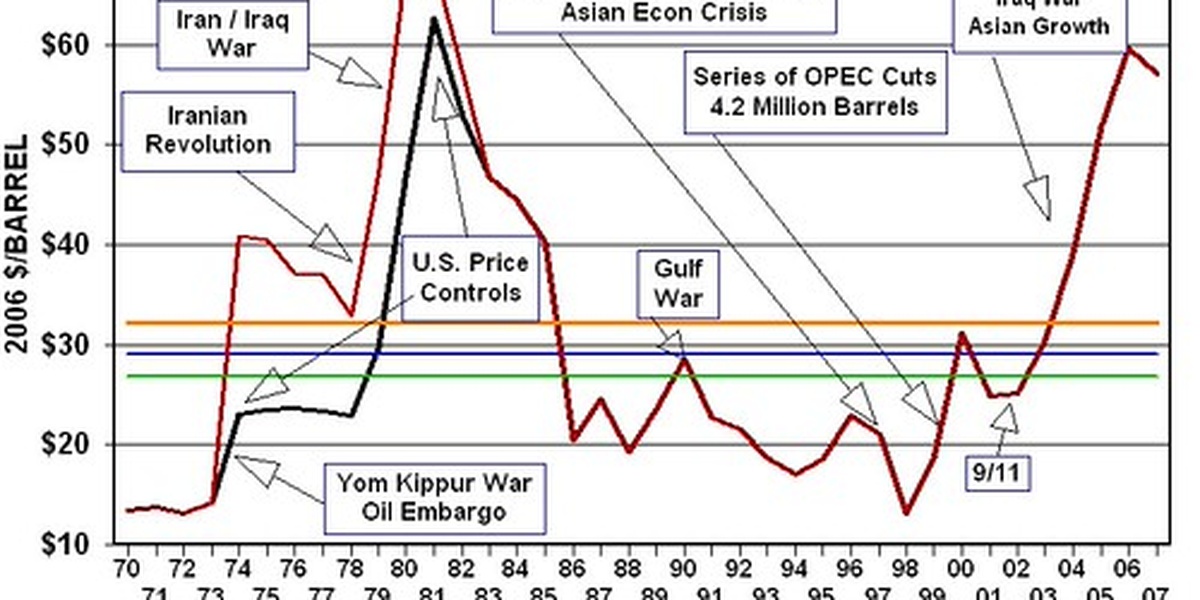
Indonesia produces conventional oil from onshore and offshore fields. Oil remains important for revenue and transport fuel, though production has declined from past peaks and exploration faces ecological and social concerns.
Natural gas
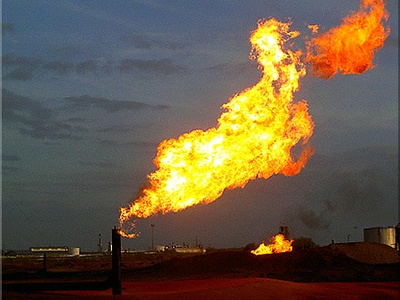
Large offshore and onshore gas fields supply domestic industry and LNG exports. Gas is central to Indonesia’s energy mix; unlocking remote reserves requires investment and careful coastal ecosystem management.
Geothermal
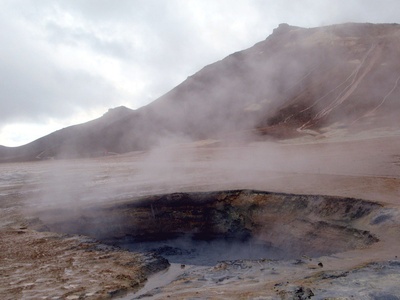
Indonesia sits on the Pacific Ring of Fire, offering world‑leading geothermal potential. Geothermal is low‑carbon and underexploited; social impacts and protected areas are key sustainability considerations.
Hydropower
Rivers and mountainous islands provide huge hydro potential. Large projects can supply baseload renewable power but raise concerns over displacement, biodiversity loss, and sedimentation.
Nickel
Indonesia is the world’s largest nickel producer, essential for stainless steel and batteries. Nickel mining and processing drive the economy but create water pollution, deforestation, and laterite‑soil disturbance.
Bauxite
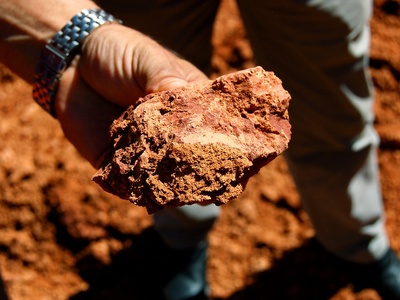
Bauxite supplies the alumina and aluminum industry. Deposits are widespread; mining has caused land degradation, siltation and social conflicts in affected communities.
Tin
Indonesia is a top tin producer, largely from alluvial and offshore deposits. Tin supports electronics supply chains but artisanal mining and dredging have severe coastal and mangrove impacts.
Copper
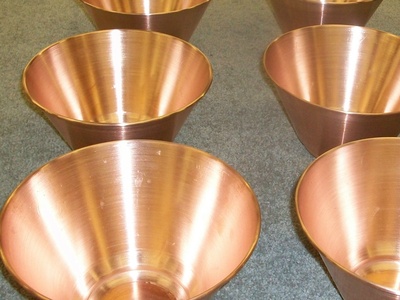
Indonesia hosts the Grasberg complex, one of the world’s largest copper deposits. Copper is vital for industry and electrification; large mines raise major environmental, social, and tailings safety issues.
Gold
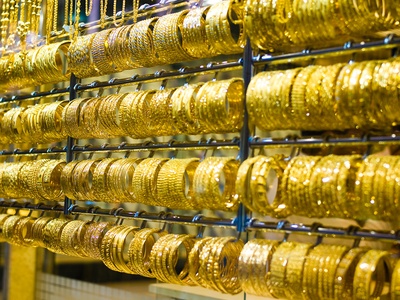
Significant gold resources, notably at Grasberg, contribute to exports and local economies. Gold mining impacts include habitat loss, mercury contamination in artisanal mining, and large‑scale tailings management.
Palm oil
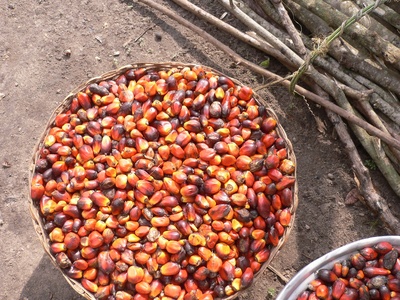
Indonesia is the world’s largest palm oil producer. Palm oil drives rural incomes and exports but is linked to deforestation, peatland drainage, biodiversity loss and greenhouse gas emissions.
Timber / Forests
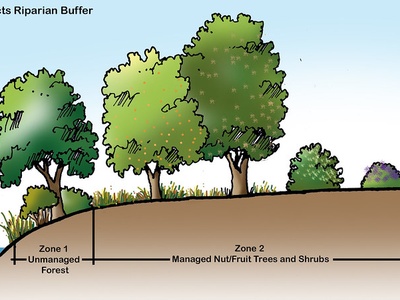
Vast tropical forests supply timber, non‑timber products and ecosystem services. Logging and conversion to agriculture threaten biodiversity, carbon stores and indigenous livelihoods.
Natural rubber
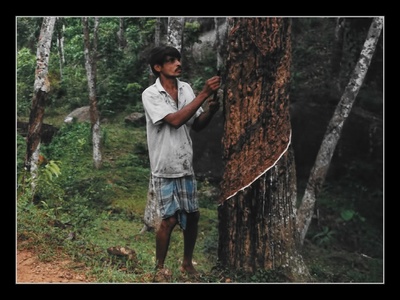
Indonesia is a major natural rubber producer for tyres and industrial uses. Rubber plantations support rural economies but can replace forests and reduce biodiversity if expansion is poorly managed.
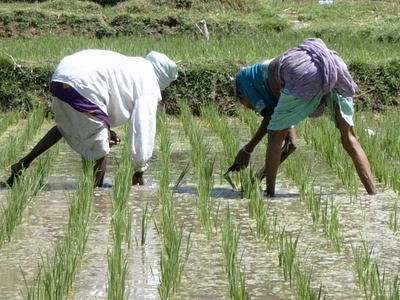
Rice (paddy)
Rice is Indonesia’s staple crop produced widely on irrigated and rainfed land. Domestic food security depends on rice; irrigation, water management and climate change affect yields and livelihoods.

Coffee
Indonesia is a leading producer of Arabica and robusta coffee with famous regional varieties. Coffee supports smallholders but faces price volatility, pest pressures and deforestation risks from expansion.
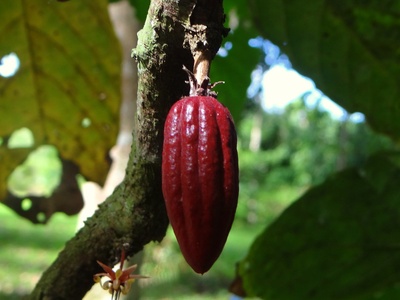
Cocoa
Cocoa is an important cash crop for smallholders. Indonesia is a major global supplier, but productivity and sustainability challenges include aging trees, pests, and forest clearing.
Fisheries (wild catch)
One of the world’s largest fisheries producers — diverse coastal and deep‑sea catches support food security and exports. Overfishing, IUU fishing, and habitat loss threaten stocks and communities.
Tuna
Tuna is a high‑value marine resource for domestic processing and export. Management challenges include high fishing pressure, longline bycatch, and international fleet competition.
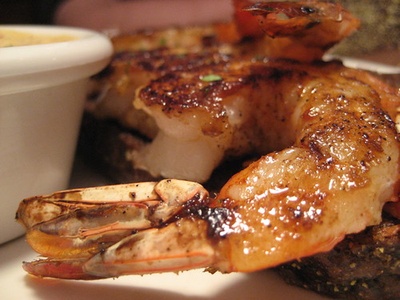
Shrimp
Shrimp (wild and farmed) is an export commodity. Aquaculture growth raises disease, water quality and mangrove conversion concerns; sustainable certification is expanding.

Seaweed
Indonesia is a leading seaweed producer supplying food, hydrocolloids and cosmetics. Seaweed farming supports coastal livelihoods but faces climate and market risks.
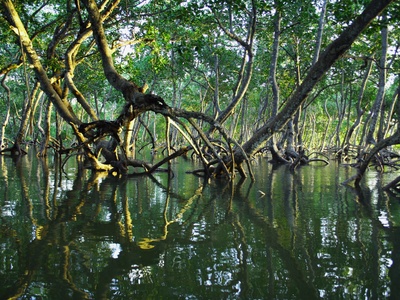
Mangroves
Indonesia has the world’s largest mangrove extent. Mangroves provide coastal protection, fisheries nursery habitat and carbon storage but have been lost to aquaculture and development.
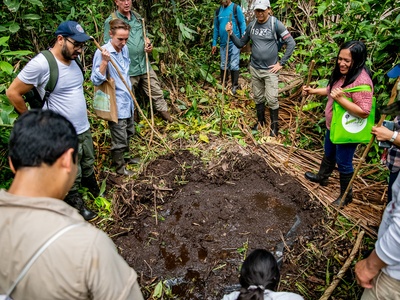
Peatlands
Extensive tropical peat stores large carbon stocks and unique ecosystems. Drainage for agriculture causes major emissions and fire risks, making peat management a national sustainability priority.
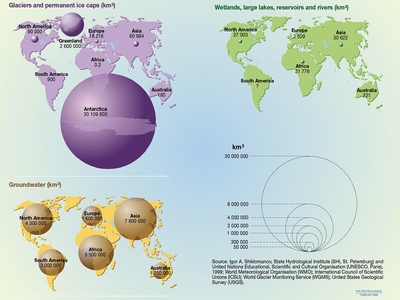
Freshwater resources
Abundant renewable freshwater supports agriculture, industry and ecosystems. Water management challenges include seasonal variability, pollution, and competing uses.
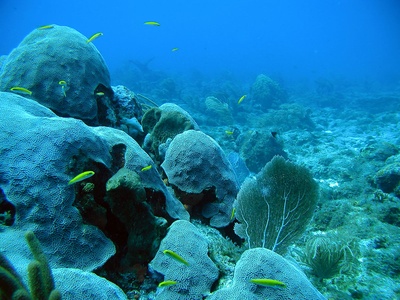
Coral reefs
Indonesia lies in the Coral Triangle with exceptional reef biodiversity. Reefs support fisheries and tourism but suffer bleaching, destructive fishing and pollution.
Limestone (cement grade)
Widespread limestone deposits supply construction aggregates and cement industries. Quarrying affects karst landscapes, caves and groundwater, requiring careful restoration and planning.
Manganese
Manganese is used in steel and battery materials. Indonesian deposits are regionally significant; mining impacts include habitat disruption and sedimentation of waterways.
Chromite
Chromite supplies ferrochrome for stainless steel. Deposits are regionally important; extraction can disturb soils and waterways and requires remediation planning.
Sulfur (elemental and native)
Sulfur occurs as volcanic native sulfur and as a byproduct of oil/gas processing. Historically mined at volcanoes, sulfur is used industrially; volcanic mining has safety and environmental risks.