Saint Lucia’s landscape is a patchwork of volcanic peaks, coastal plains and tropical forests that shape daily life and local livelihoods. Islanders rely on both cultivated and wild resources, and understanding what the island provides helps explain everything from jobs to conservation priorities.
There are 28 Natural Resources of Saint Lucia, ranging from Banana, Waterfalls and scenic freshwater sites. The list below organizes each entry with columns Type,Location,Scale / Typical measure (units) so you can quickly see what each resource is, where it’s found and how it’s quantified — you’ll find below.
How were the items chosen and measured?
Entries are selected to reflect commonly recognized biological, mineral and water resources on the island; measurements use typical units (area, production, length, volume, etc.) noted under Scale / Typical measure (units), and locations indicate general regions or specific sites when available.
Are these resources accessible to visitors or restricted?
Many are publicly viewable (beaches, waterfalls, forests) while others like certain fisheries, plantations or protected habitats have seasonal limits, private ownership or permit requirements; check local guides or authorities for access rules and sustainable-visit advice.
Natural Resources of Saint Lucia
| Name | Type | Location | Scale / Typical measure (units) |
|---|---|---|---|
| Gros Piton | Scenic/Tourism | Soufrière, SW coast | 771 m |
| Petit Piton | Scenic/Tourism | Soufrière, SW coast | 743 m |
| Sulphur Springs (Drive-in Volcano) | Mineral/Geology | Soufrière, southwest interior | not quantified |
| Volcanic soils | Agriculture | Soufrière region and central highlands | not quantified |
| Coral reefs | Marine/Fishery | Nearshore fringing reefs around island | not quantified |
| Mangroves | Marine/Fishery | Coastal lagoons, estuaries and bays (Castries, Dennery) | not quantified |
| Seagrass beds | Marine/Fishery | Shallow bays and lagoons around island | not quantified |
| Beaches and sand coastline | Scenic/Tourism | West and east coasts; island coastline | 158 km (coastline) |
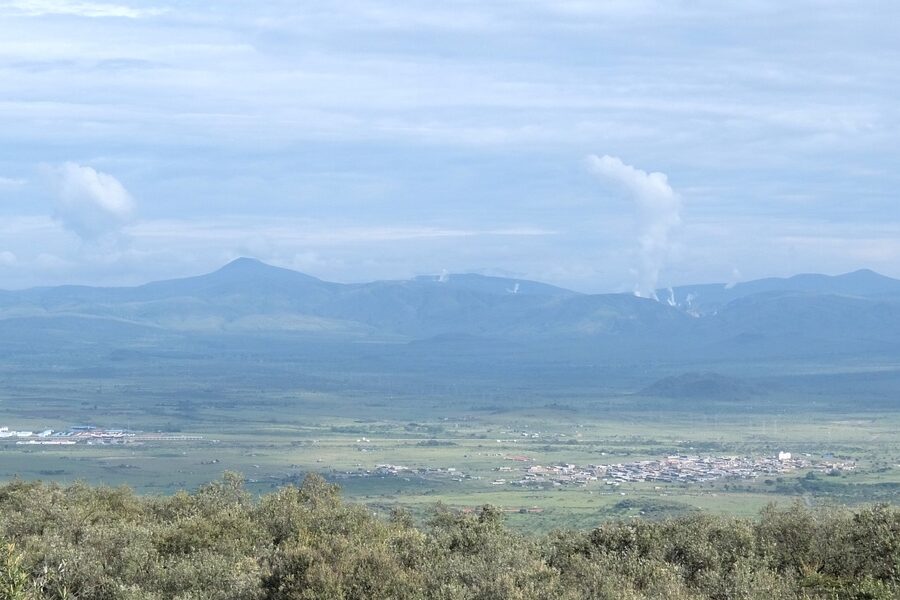
| Freshwater rivers and streams | Water/Energy | Numerous short rivers across island interior | not quantified |
| Groundwater aquifers | Water/Energy | Island-wide, coastal and interior recharge zones | not quantified |
| Geothermal potential | Water/Energy | Soufrière geothermal field and fumarole zones | not quantified |
| Central highland rainforest | Forest/Biodiversity | Interior highlands and ridge systems | forest cover ~40% of island |
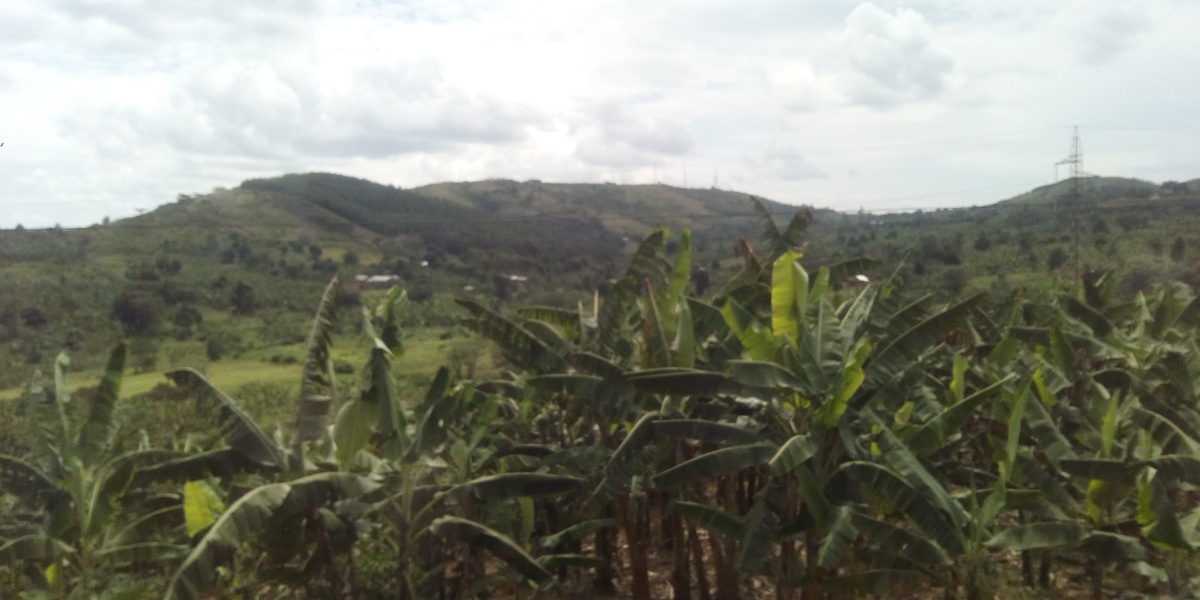
| Banana | Agriculture | Lowland valleys and coastal plains | not quantified |
| Cocoa | Agriculture | Soufrière, central and eastern districts | not quantified |
| Coconut | Agriculture | Coastal areas and smallholder farms | not quantified |
| Mango | Agriculture | Widespread across lowlands and backyards | not quantified |
| Root crops (cassava, sweet potato) | Agriculture | Rural lowlands and upland plots | not quantified |
| Reef fisheries (groupers, snappers) | Marine/Fishery | Nearshore reef zones | not quantified |
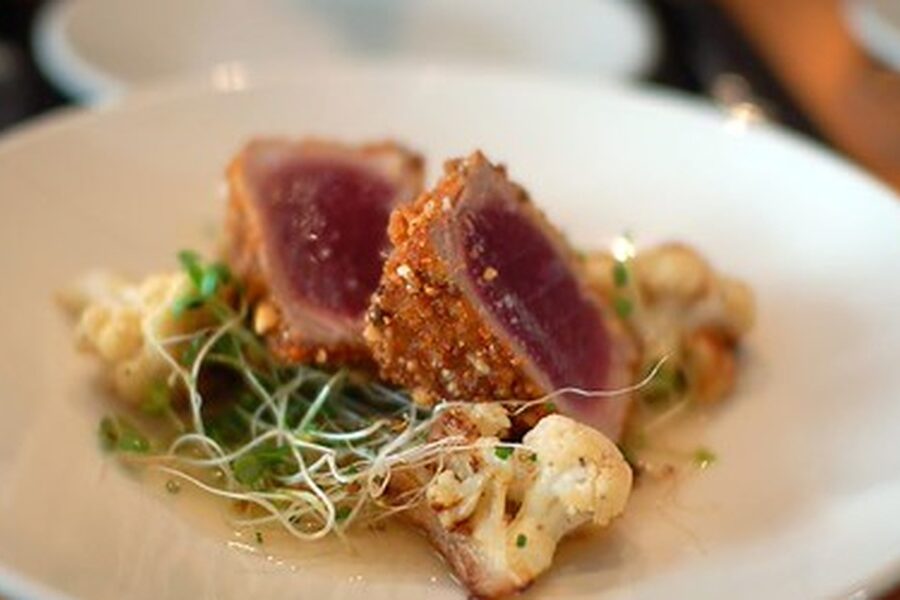
| Pelagic fisheries (tuna, wahoo) | Marine/Fishery | Offshore waters and deep sea | not quantified |
| Spiny lobster | Marine/Fishery | Reef crevices and rocky bottoms | not quantified |
| Sea turtles (hawksbill, green) | Marine/Fishery | Nesting beaches island-wide | not quantified |
| Saint Lucia parrot (Amazona versicolor) | Forest/Biodiversity | Interior forests and protected reserves | not quantified |
| Saint Lucia racer (rare snake) | Forest/Biodiversity | Maria Islands Nature Reserve and offshore islets | not quantified |
| Seabird colonies (tropicbirds, terns, frigatebirds) | Forest/Biodiversity | Offshore islets and coastal cliffs | not quantified |
| Sand and coastal aggregates | Mineral/Geology | Beaches and nearshore seabed | not quantified |
| Non-timber forest products and medicinal plants | Forest/Biodiversity | Widespread in forests and farms | not quantified |
| Waterfalls and scenic freshwater sites | Scenic/Tourism | Soufrière and interior valleys (e.g., Toraille Falls) | not quantified |
| Offshore islets and marine reserves (Maria Islands, Soufrière Marine Reserve) | Forest/Biodiversity | Maria Islands, Soufrière marine area | not quantified |
Images and Descriptions
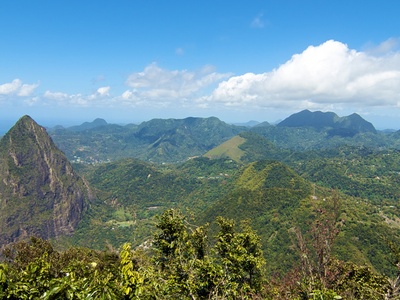
Gros Piton
Iconic volcanic plug rising near Soufrière, popular for hiking and views. Dominates the landscape, supports montane forest and tourism. Notable for biodiversity and UNESCO recognition; threatened by erosion, invasive species and unsustainable tourism pressures.
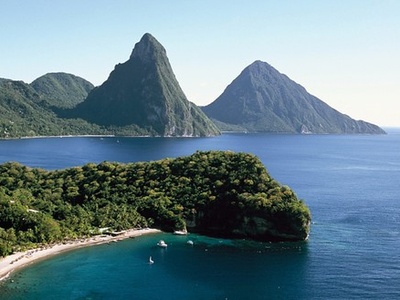
Petit Piton
Steep twin peak beside Gros Piton, dramatic volcanic landmark and major scenic draw. Supports unique cliff vegetation and diving sites offshore. Highly valued for tourism and conservation; faces erosion, habitat disturbance and pressures from coastal development.
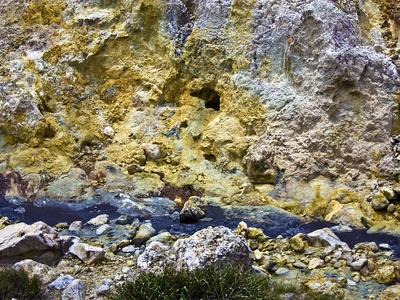
Sulphur Springs (Drive-in Volcano)
Active geothermal area with fumaroles, hot springs and mineral-rich mud baths. Major tourist attraction and geothermal energy interest; notable for volcanic geology and sulphurous springs. Threats include unmanaged tourism, erosion and geothermal exploitation impacts.
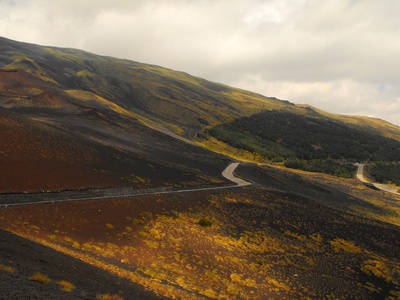
Volcanic soils
Fertile, well-drained soils derived from volcanic rocks that support bananas, cocoa and diverse crops. Key to agricultural productivity and food security. Vulnerable to erosion, deforestation and unsustainable farming practices reducing long-term fertility.
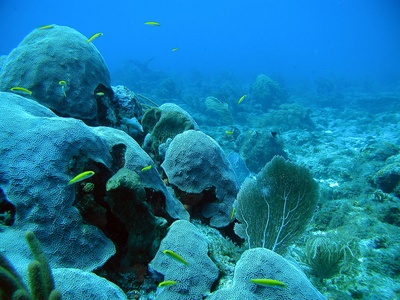
Coral reefs
Extensive fringing and patch reefs supply fisheries, coastal protection and snorkeling sites. Biodiversity hotspots for fish and corals that fuel tourism. Threatened by bleaching, pollution, sedimentation and overfishing.
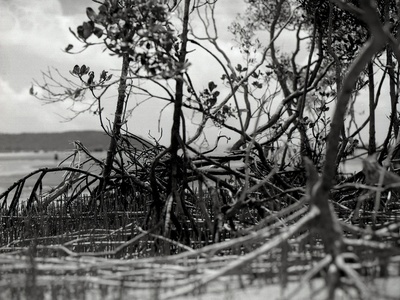
Mangroves
Coastal mangrove forests act as nursery grounds, storm buffers and carbon sinks. Important for fisheries and shoreline protection. Threatened by clearance, coastal development, pollution and sea-level rise.
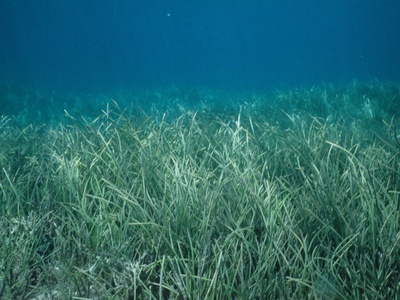
Seagrass beds
Underwater meadows that support juvenile fish, turtles and sediment stabilization. Critical for fisheries and water clarity. Vulnerable to boat damage, pollution, coastal runoff and warming seas.
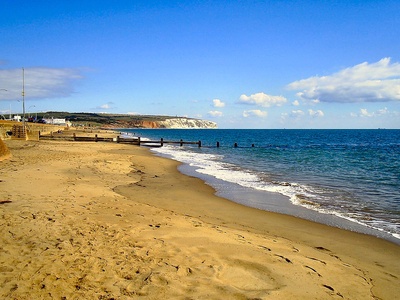
Beaches and sand coastline
Sandy beaches offering tourism, nesting habitat and coastal livelihoods along roughly 158 km of shoreline. Iconic scenery and recreation value. Threatened by erosion, storm surge, coastal construction and rising sea levels.
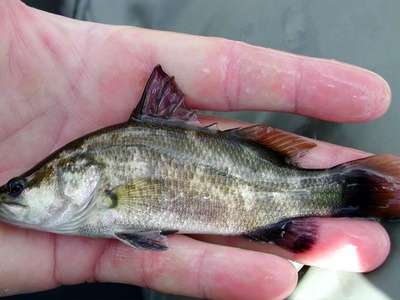
Freshwater rivers and streams
Network of small rivers and streams supplying water for communities, agriculture and ecosystems. Source of freshwater biodiversity and scenic waterfalls. Vulnerable to pollution, deforestation, and altered flow from land use change.
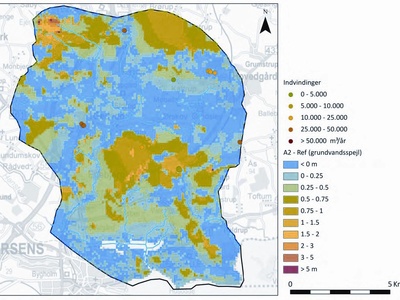
Groundwater aquifers
Underground freshwater stores critical for drinking water and dry-season supply. Recharge linked to rainfall and watersheds. Sensitive to over-extraction, contamination from septic systems and saltwater intrusion.
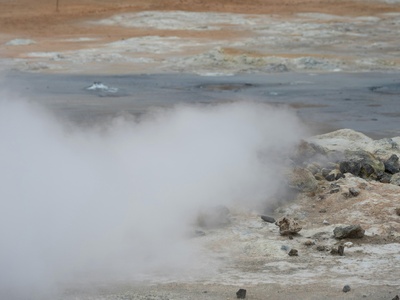
Geothermal potential
Promising geothermal energy resource near Sulphur Springs with potential for renewable power. Attractive for energy independence and low emissions. Development risks include ecosystem disturbance and unmanaged resource exploitation.
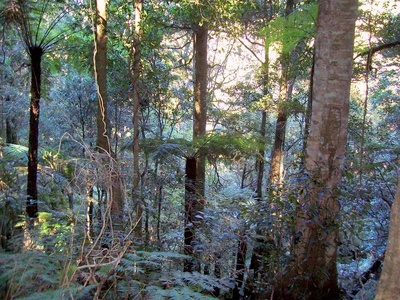
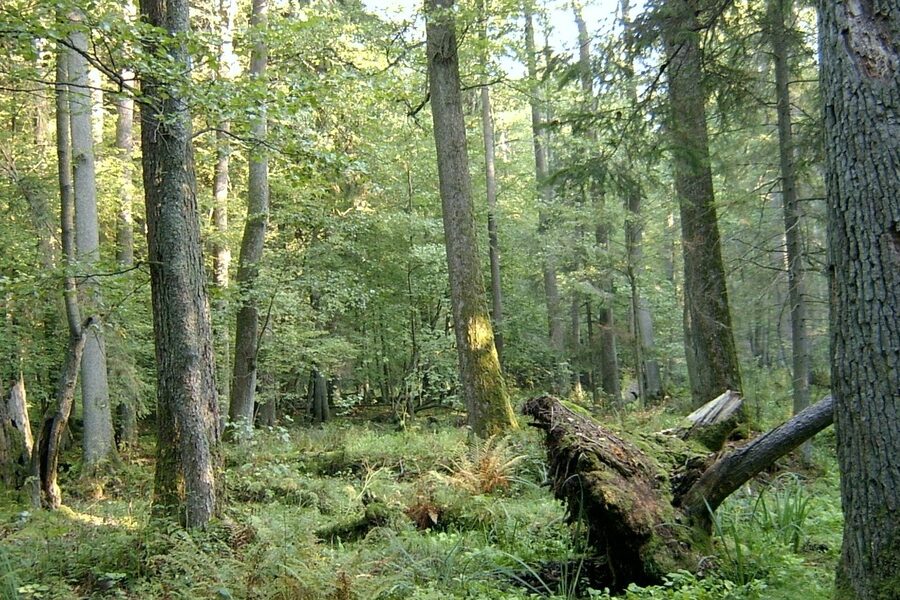
Central highland rainforest
Remaining montane and upland forests support endemic flora, wildlife and watershed protection. Crucial for biodiversity, climate regulation and ecotourism. Threats include clearance for agriculture, invasive species and fragmentation.
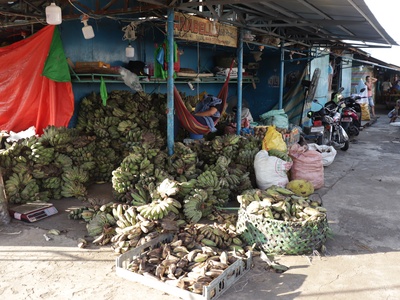
Banana
Historically dominant export crop grown in fertile lowlands, supporting rural incomes and landscapes. Still culturally and economically important though reduced by market shifts. Faces disease, climate risk and land-use competition.
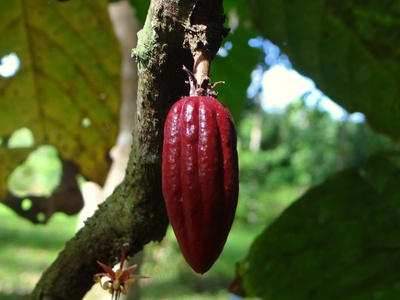
Cocoa
Fine-flavor cocoa cultivated in upland farms contributing to specialty chocolate and agro-tourism. Valued for heritage varieties and shade-grown systems. Threatened by pests, declining farm numbers and market pressures.
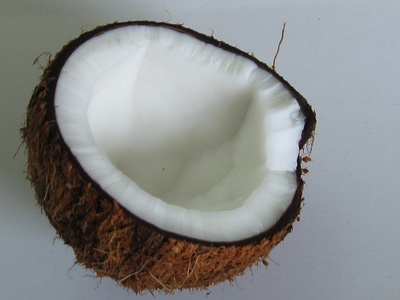
Coconut
Widespread coastal crop providing coconut products and shade. Cultural and economic value for food and crafts. Vulnerable to hurricanes, pests and replacement by other land uses.
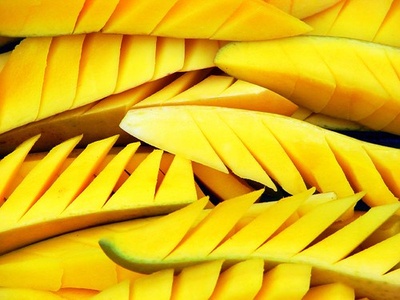
Mango
Popular fruit tree producing seasonal yields for local markets and cultural uses. Adds value through variety diversity and backyard cultivation. Threats include storms, pests and land conversion.
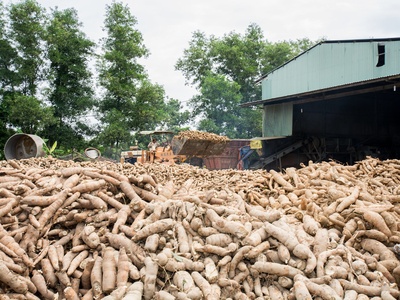
Root crops (cassava, sweet potato)
Staple tubers grown by smallholders that support food security and local diets. Important for resilience and traditional agriculture. Vulnerable to drought, soil degradation and market constraints.
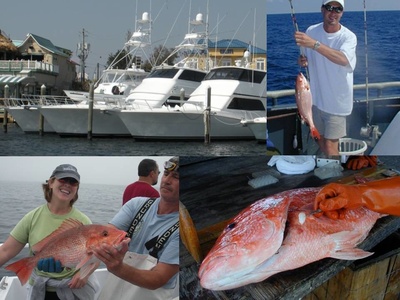
Reef fisheries (groupers, snappers)
Commercial and subsistence fishery for reef-associated species that support local livelihoods and cuisine. Important for tourism dives and food supply. Overfishing, habitat loss and reef degradation are major threats.

Pelagic fisheries (tuna, wahoo)
Open-ocean fisheries target migratory species, providing export and local income. Key for commercial boats and sport fishing. Challenges include over-exploitation, variable stocks and regulatory enforcement.
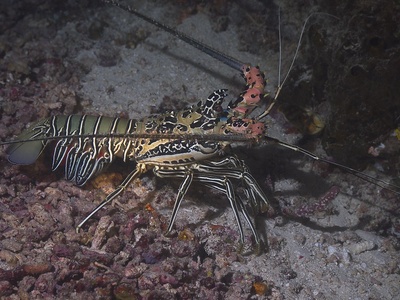
Spiny lobster
Valuable crustacean fishery prized locally and commercially. Important for livelihoods and export potential. Stocks decline from overharvest, illegal fishing and habitat degradation.
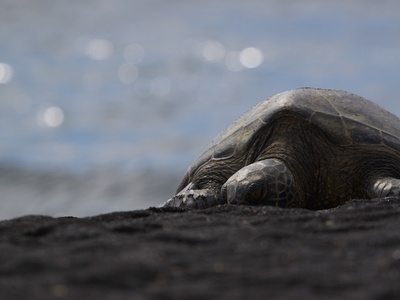
Sea turtles (hawksbill, green)
Sea turtles nest on select beaches, attracting conservation and tourism interest. Species face threats from egg poaching, coastal development, bycatch and marine pollution; protection measures are ongoing.
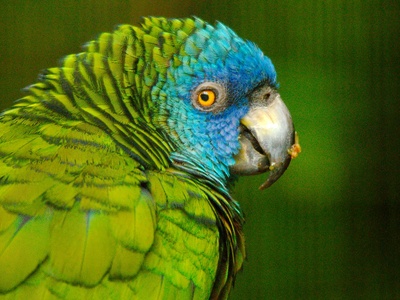
Saint Lucia parrot (Amazona versicolor)
Endemic parrot species iconic for national identity and ecotourism. Dependent on mature forests for nesting and feeding. Threatened by habitat loss, illegal capture and limited range; conservation programs are active.
Saint Lucia racer (rare snake)
One of the world’s rarest snakes, now restricted to protected islets; emblematic of island endemism. Highly vulnerable due to tiny range, introduced predators and habitat sensitivity.
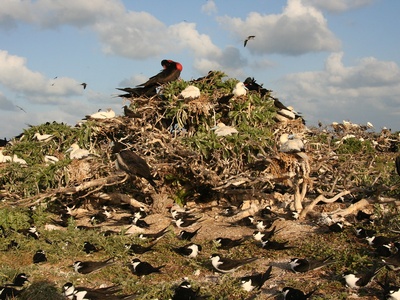
Seabird colonies (tropicbirds, terns, frigatebirds)
Breeding colonies on remote islets and cliffs provide biodiversity value and birdwatching appeal. Critical for marine food webs and tourism. Vulnerable to disturbance, invasive species and habitat loss.
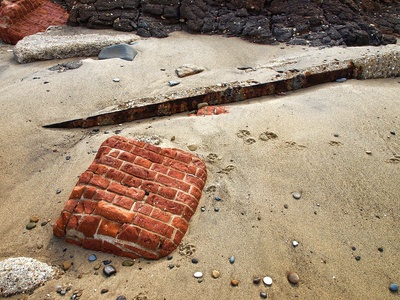
Sand and coastal aggregates
Natural sand and aggregate resources used by coastal ecosystems and indirectly by construction. Important for beach health and coastal dynamics. Over-extraction, coastal development and erosion threaten supply and habitats.
Non-timber forest products and medicinal plants
Wild herbs, spices and medicinal plants supply local remedies, crafts and traditional uses. Cultural and economic importance for communities. Threatened by forest loss, overharvesting and loss of traditional knowledge.
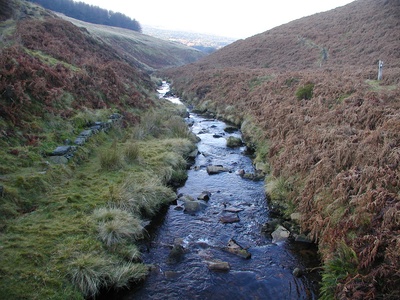
Waterfalls and scenic freshwater sites
Attractive waterfalls and pools draw tourists and support microhabitats. Provide aesthetic, recreational and ecosystem services. Threatened by watershed degradation, pollution and unsustainable visitor impacts.
Offshore islets and marine reserves (Maria Islands, Soufrière Marine Reserve)
Protected islets and marine reserves harbor endemic species, coral reefs and critical habitats. Key for biodiversity conservation and research. Pressures include illegal fishing, invasive species and insufficient enforcement.