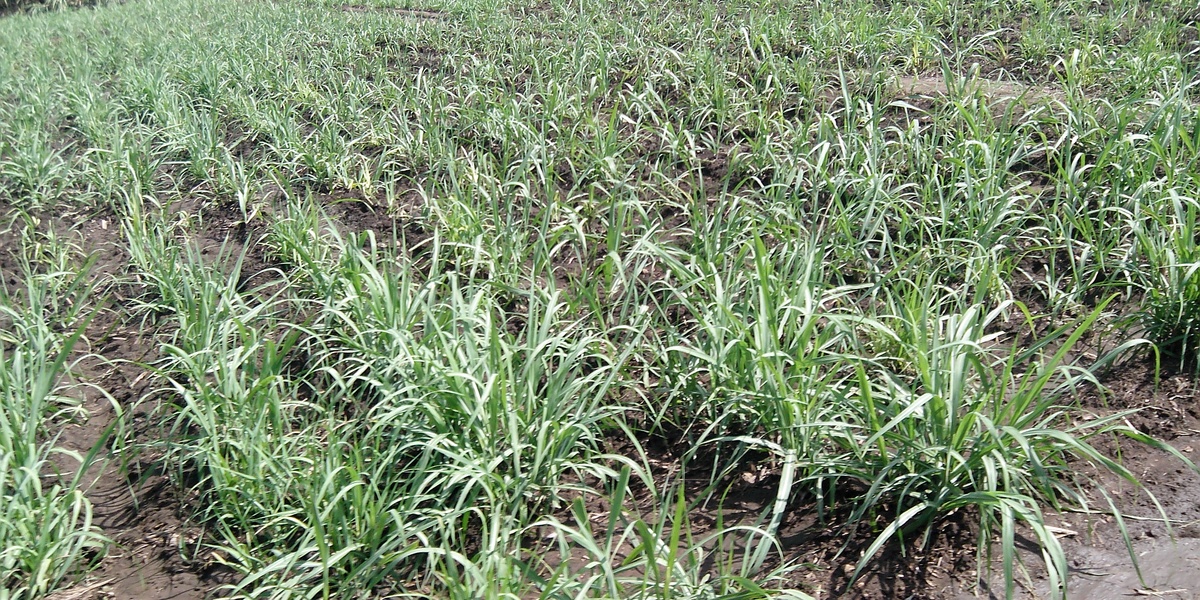
Saint Kitts and Nevis sits between volcanic slopes and coastal reefs, where a mix of soil, sea and sun shapes livelihoods and local industries. Small islands mean resources are concentrated and familiar — from shoreline fisheries to inland plantations — and they play a visible role in daily life and planning.
There are 20 Natural Resources of Saint Kitts and Nevis, ranging from Coconut palms to Wind potential. For each item the table lists Type, Location/occurrence, and Estimated amount (unit) so you can see where and how abundant each resource is — you’ll find below.
How are these natural resources typically used by residents and businesses?
Local use spans subsistence and commercial activity: coconuts and other crops supply food and small-scale trade, fisheries support coastal communities, timber and sand are used in construction, and scenic reefs and beaches underpin tourism. Emerging opportunities like wind potential are being evaluated for energy to reduce fuel imports.
What should planners consider when assessing and developing these resources?
Because the islands are small and ecologically sensitive, planners need up-to-date estimates, clear location data, and impact assessments before development. Sustainable harvest limits, coastal protection, community benefits, and renewable energy feasibility are key factors you’ll want to compare in the tables you’ll find below.
Natural Resources of Saint Kitts and Nevis
| Name | Type | Location/occurrence | Estimated amount (unit) |
|---|---|---|---|
| Coral reef | Biodiversity | Saint Kitts, Nevis coastal reefs | 40.00 km² |
| Sandy beaches | Scenic | Both islands, coastal shorelines | 30.00 km² |
| Mangrove forests | Forest | Both islands, estuaries and lagoons | 300.00 ha |
| Seagrass beds | Biodiversity | Shallow coastal waters around islands | 12.00 km² |
| Pelagic fish stocks | Fisheries | Offshore waters of both islands | 1,200.00 tonnes/year |
| Reef fish | Fisheries | Nearshore reefs and lagoons | 600.00 tonnes/year |
| Spiny lobster | Fisheries | Reefs and rocky bottoms around islands | 100.00 tonnes/year |
| Groundwater aquifers | Freshwater | Volcanic aquifers and springs, both islands | 2,500,000.00 m³/year |
| Volcanic soils | Agriculture | Slopes of Mt. Liamuiga and Nevis Peak | 150.00 km² |
| Sugarcane | Agriculture | Lowlands and coastal plains, mainly Saint Kitts | 1,000.00 ha |
| Coconut palms | Agriculture | Coastal zones and smallholdings | 400.00 ha |
| Fruit crops (bananas, mangoes) | Agriculture | Small farms island-wide | 500.00 ha |
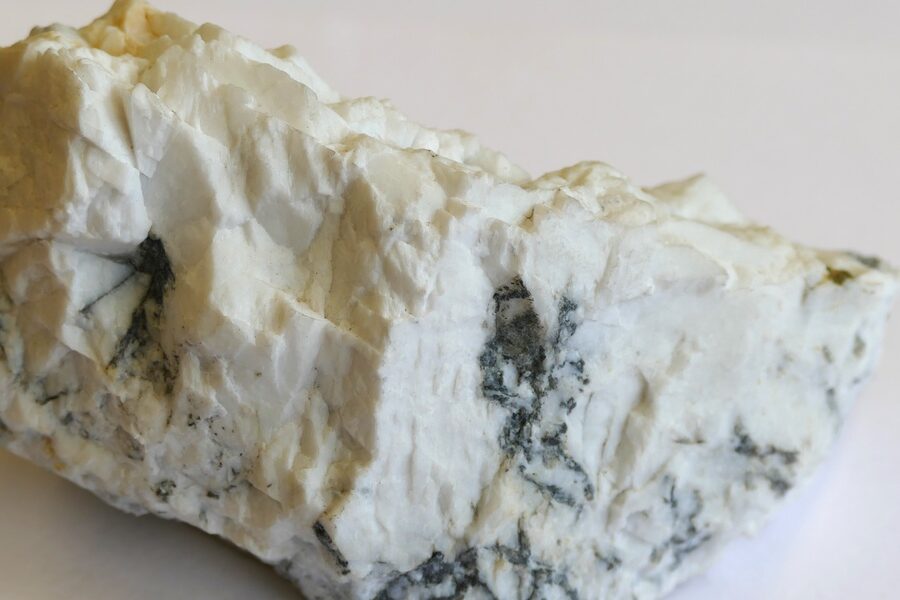
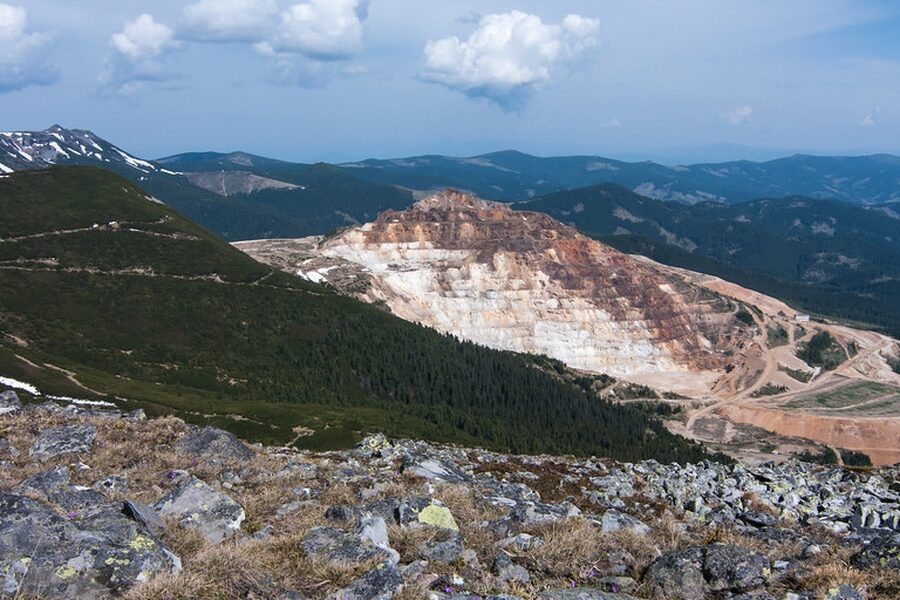
| Construction aggregate (basalt) | Mineral | Quarries on both islands | 1,000,000.00 tonnes |
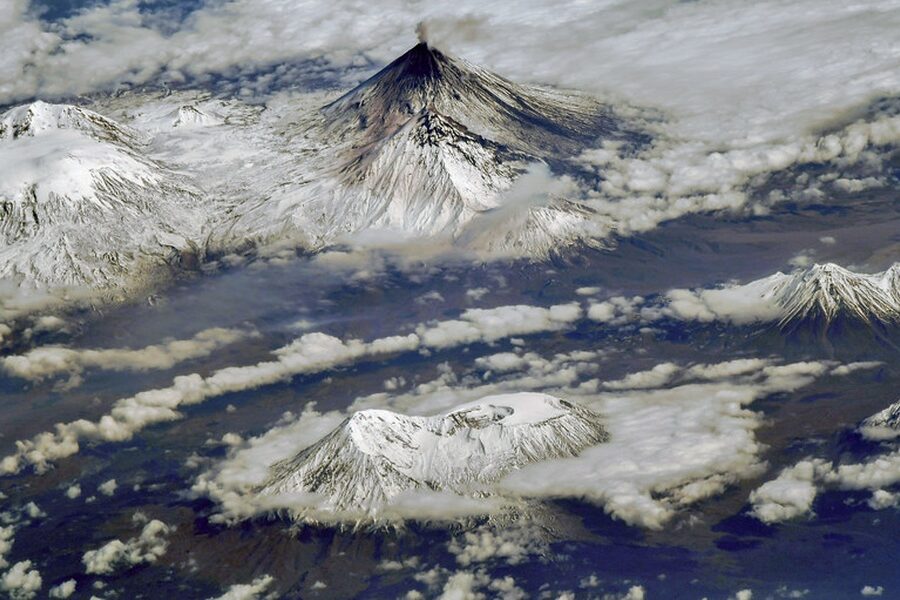
| Geothermal potential | Renewable | Nevis Peak and St Kitts volcanic zones | 50.00 MW |
| Solar potential | Renewable | Rooftops and open land across islands | 30.00 MW |
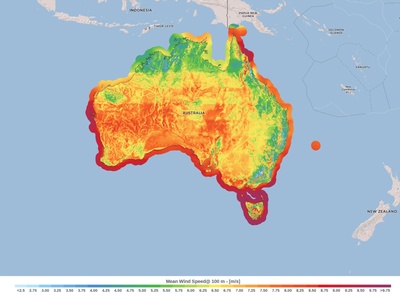
| Wind potential | Renewable | Coastal ridges and exposed peaks | 20.00 MW |
| Endemic plant species | Biodiversity | Upland forests, Nevis Peak, Mt. Liamuiga | 40.00 species |
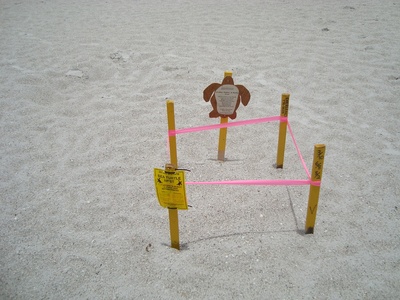
| Sea turtle nesting | Biodiversity | Sandy beaches on Nevis and St Kitts | 100.00 nests/year |
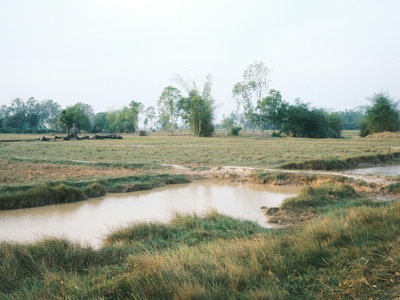
| Watershed area | Freshwater | Mountain watersheds supplying springs | 70.00 km² |
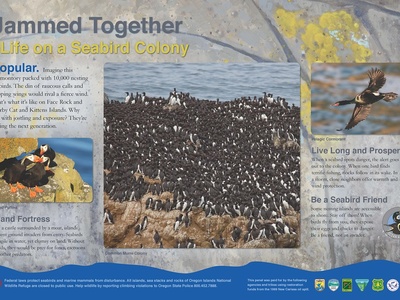
| Seabird colonies | Biodiversity | Rocky islets and coastal cliffs | 6.00 colonies |
Images and Descriptions
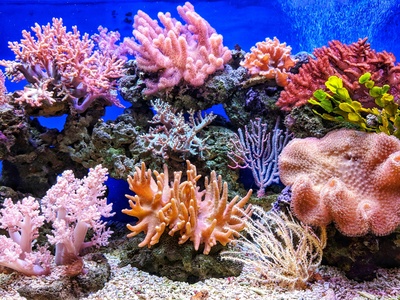
Coral reef
Fringing and patch reefs surround both islands, supporting fisheries, tourism, and coastal protection. Significant biodiversity hotspot facing bleaching and storm damage, valuable for fisheries recovery and conservation potential.
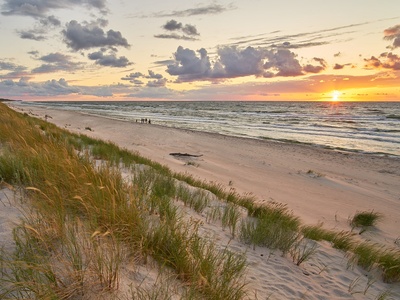
Sandy beaches
Extensive sandy shorelines used by locals and visitors, crucial for coastal ecology and nesting turtles. Beaches protect coasts, support livelihoods, and are vulnerable to erosion and sea-level rise.
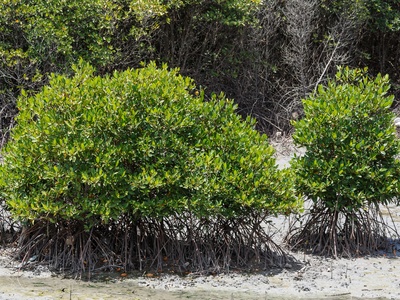
Mangrove forests
Intertidal mangrove stands provide nursery habitat, shoreline stabilization, and carbon sequestration. Small but ecologically important areas are under pressure from development and require conservation.
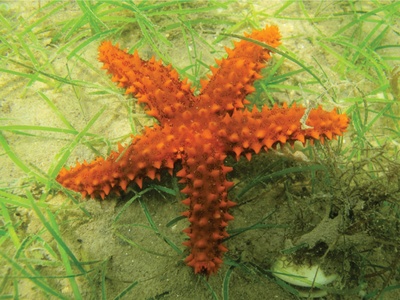
Seagrass beds
Seagrass meadows support juvenile fish, stabilize sediments, and store carbon. They sustain small-scale fisheries and are sensitive to water quality and coastal alteration.
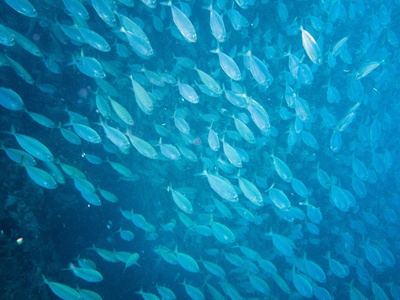
Pelagic fish stocks
Open-ocean species (tuna, mackerel) support local and regional fisheries. Seasonal and migratory, they offer economic value but need monitoring to prevent overfishing.
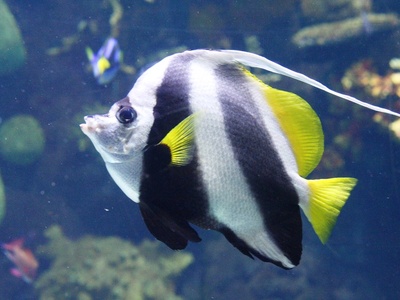
Reef fish
Marketable reef species (snapper, grouper) sustain artisanal fisheries and food security. Stocks are limited and benefit from protected areas and sustainable practices.
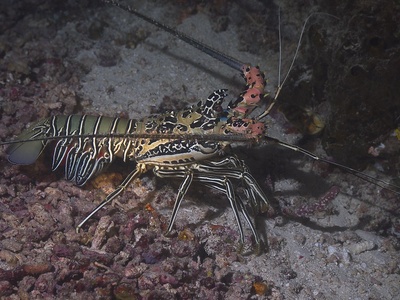
Spiny lobster
Caribbean spiny lobster supports fishers and export potential. Populations fluctuate with harvesting pressure; management and closed seasons are important for sustainability.
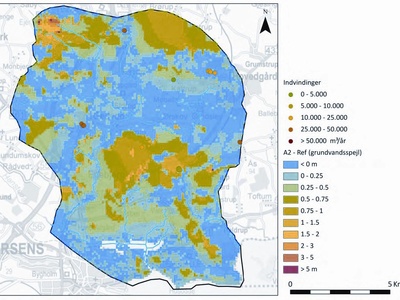
Groundwater aquifers
Limited volcanic aquifers and springs supply drinking water and irrigation. Renewable but constrained by rainfall variability and saltwater intrusion risks during droughts.
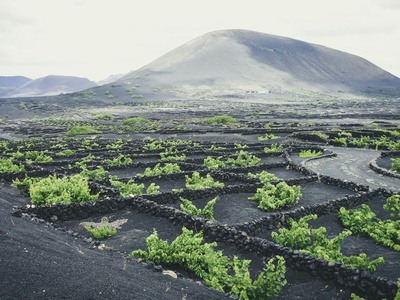
Volcanic soils
Fertile, weathered volcanic soils underpin agriculture, coffee, and tree crops. High natural fertility supports productive land use but erosion risk exists on steep slopes.
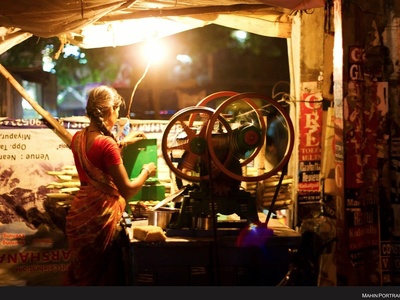
Sugarcane
Historically dominant cash crop that shaped landscapes and economy. Production has declined, but fields still contribute to agriculture and potential agro-processing ventures.
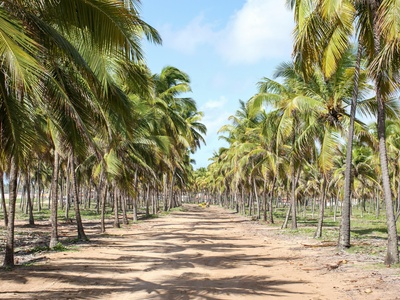
Coconut palms
Coconut stands provide copra, local food, and coastal windbreaks. Coconuts remain culturally and economically relevant with potential for value-added products.
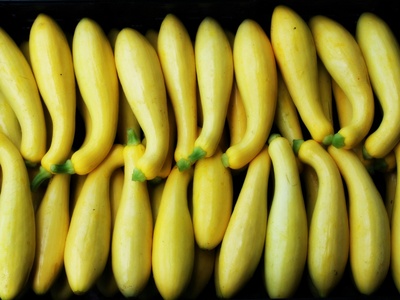
Fruit crops (bananas, mangoes)
Tropical fruits grown on small holdings supply local markets and export niches. Diversity aids food security; production faces land constraints and market access issues.
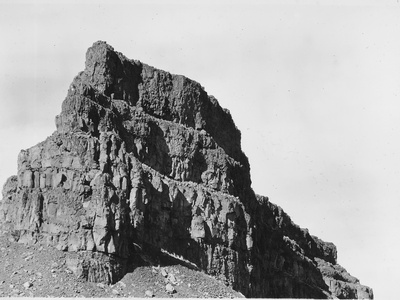
Construction aggregate (basalt)
Volcanic rock quarried for road building and construction materials. Readily available locally, supporting infrastructure but extraction needs environmental management.
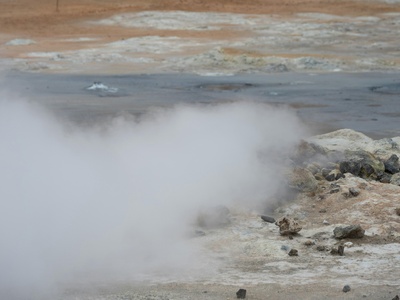
Geothermal potential
High-temperature geothermal prospects exist near volcanic centers, offering a promising baseload renewable energy source if developed sustainably and with community consent.
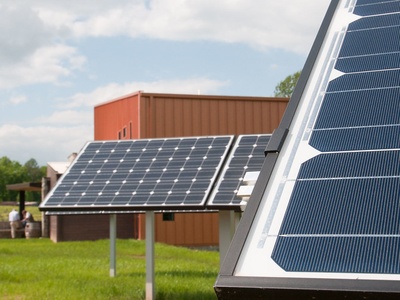
Solar potential
High solar irradiation makes rooftop and utility-scale solar viable to reduce fossil fuel dependence and lower electricity costs with rapid deployment opportunities.
Wind potential
Coastal and ridge sites offer moderate wind resources suitable for small-scale wind farms and hybrid renewable systems to bolster energy security.

Endemic plant species
Unique native flora adapted to island conditions, some rare or threatened. Important for biodiversity, science, and potential for eco-products or restoration efforts.
Sea turtle nesting
Occasional nesting by green and hawksbill turtles contributes to biodiversity and cultural value. Nesting numbers are small, needing beach protection and monitoring.
Watershed area
Compact watersheds collect rainfall feeding springs and small streams, essential for freshwater supply, agriculture, and ecosystem health, vulnerable to land-use changes.
Seabird colonies
Seabird rookeries provide ecological services and biodiversity value. Colonies are limited in size and sensitive to disturbance and invasive predators.