More than half of the world’s known plant and animal species live in rainforests, yet those forests cover only about 6% of Earth’s land surface.
Imagine standing at dawn under a green ceiling: a chorus of insects, the distant call of a bird, and leaves dripping from last night’s cloudburst. A scientist reaches up with a rope and finds a tiny, brightly colored frog no one has named yet.
Rainforests are biodiversity powerhouses, climate regulators, and sources of medicines, culture, and vital ecosystem services — and understanding seven striking facts about them helps explain why protecting these habitats matters to everyone.
The health of these forests affects familiar things: stable rainfall for crops, sources of medicines we rely on, and the global climate that shapes seasons and storms.
Below are seven distinct, evidence-backed facts about rainforests that cover ecology, human value, and global services, each illustrated with concrete examples and numbers.
First up: why so much life is packed into relatively small patches of the planet.
Biodiversity and Ecology
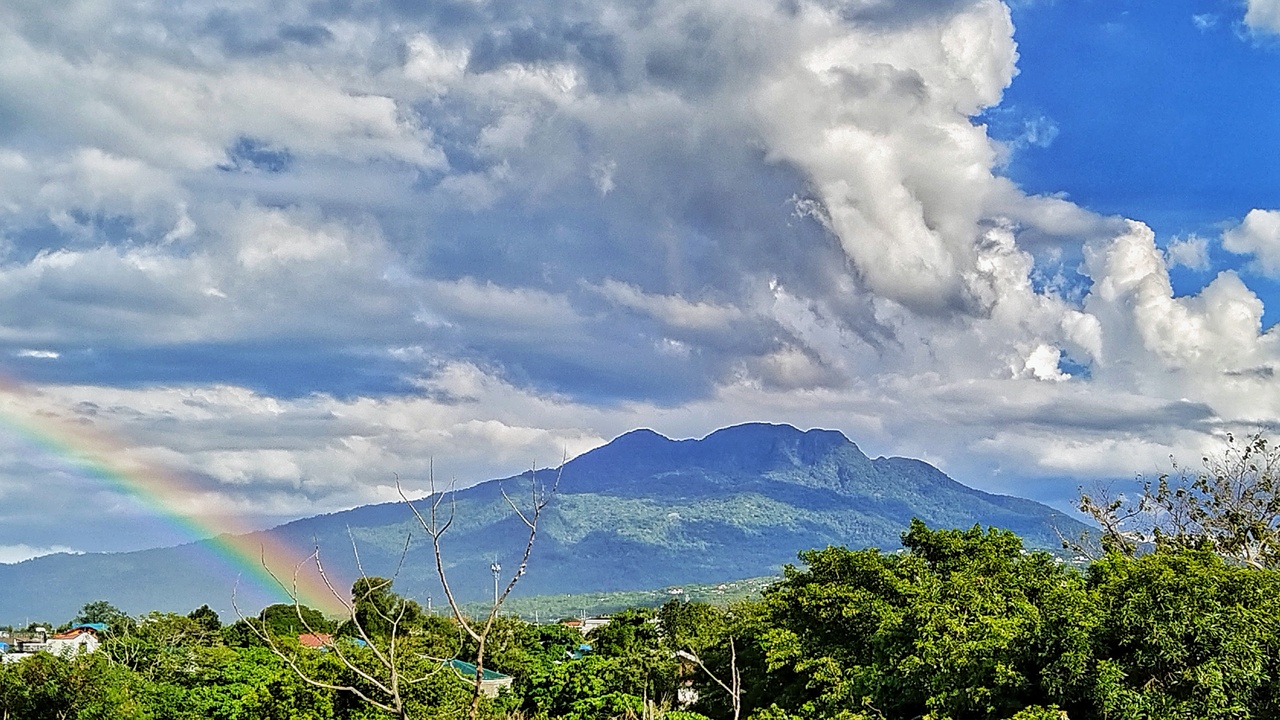
Tropical forest regions are hotspots for life, with complex food webs and layered habitats that support species from microscopic fungi to jaguars. The variety here is not spread evenly; it clusters in places like the Amazon and island hotspots.
1. Rainforests hold more than half of the world’s known plant and animal species
This is simple but staggering: rainforests cover roughly 6% of Earth’s land yet are home to over 50% of known species, according to conservation organizations and scientific syntheses. The Amazon Basin alone spans about 5.5 million km² and contains a huge slice of that diversity.
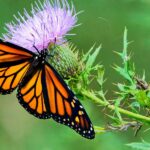
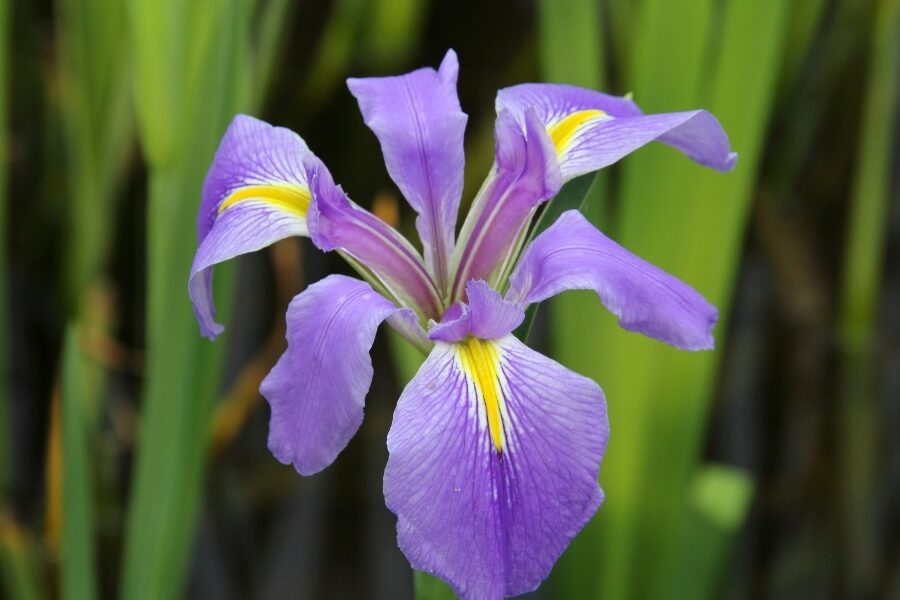
Much of that richness is in insects and small vertebrates — beetles, ants, frogs — and in plants such as epiphytes, orchids, and lianas that carpet branches and trunks. Scientists estimate that many thousands of species from tropical forests are still undescribed, so the true share may be even higher.
Why it matters: high species richness stabilizes food webs and provides genetic resources that support agriculture, pollination, pest control, and resilience against disease or changing climates.
2. Many rainforest species are found nowhere else on Earth
Endemism is common in tropical regions, especially on islands and isolated forest blocks. Take Madagascar: roughly 90% of its plant species are endemic, and lemurs there evolved nowhere else on the planet. Borneo hosts unique orangutan populations and many tree species found only on that island.
Those narrow ranges make species highly vulnerable. When habitat disappears, so does the only place a species lives. Conservation work — from captive-breeding programs for threatened mammals to community-run forest reserves — has reversed declines in some cases, underlining that targeted action can save species.
Loss of habitat equals loss of irreplaceable evolutionary lineages, which has cascading effects on local livelihoods and ecosystem function.
3. The rainforest’s vertical layers create countless niches — and many species are still undiscovered
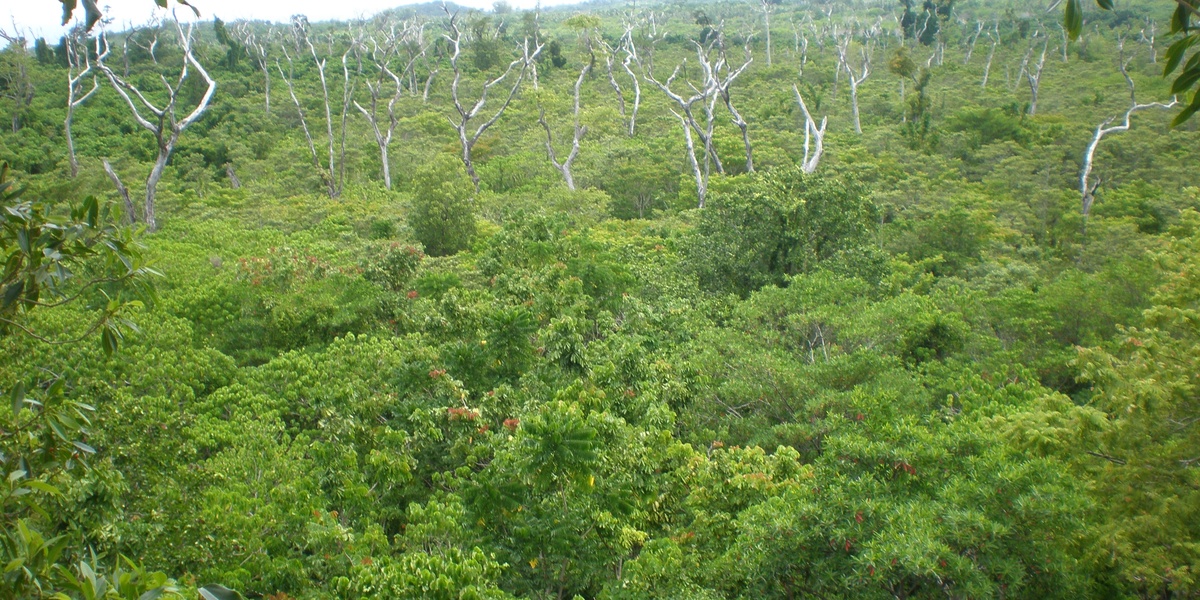
Rainforests are not a single flat habitat. Emergent trees rise above the canopy, the canopy forms a continuous green roof, the understory stays dim and humid, and the forest floor hosts decomposers and shade-tolerant plants. Each layer provides distinct microclimates and niches.
Because of that vertical complexity, researchers regularly describe hundreds of new species each year from tropical forests, especially insects, amphibians, and canopy-dwelling plants. New discoveries often come from places reached only with canopy cranes, rope-climbing teams, or drones sampling high foliage.
That hidden diversity is a compelling reason to protect intact forest structure: clear-cutting not only removes trees but erases entire layered ecosystems where unique life lives.
Human Uses and Scientific Value
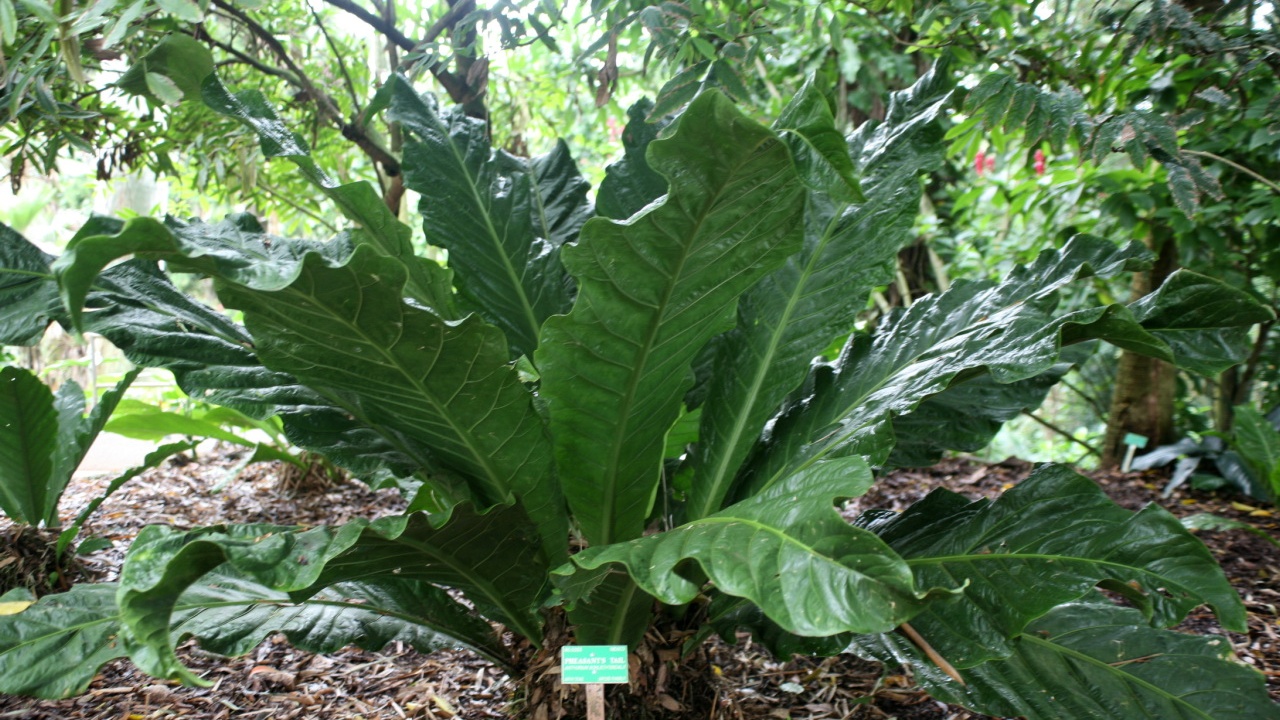
People have depended on rainforest species for food, medicine, and cultural identity for millennia. Scientific research and traditional knowledge together have yielded some of modern medicine’s most important compounds.
4. Rainforests are a pharmacy: dozens of medicines trace back to tropical plants
Many modern drugs have origins in tropical flora. For example, quinine from cinchona bark has been used to treat malaria for centuries, and vincristine and vinblastine — derived from Madagascar’s rosy periwinkle (Catharanthus roseus) — are key chemotherapy agents.
Conservation organizations and pharmacognosy surveys report that around 25% of modern medicines contain compounds first identified in plants, many of them from tropical ecosystems. Ethnobotanical leads — knowledge shared by local healers and communities — often point researchers toward promising species.
Destroying habitats risks losing biochemical diversity before science can test it, which is why equitable benefit-sharing and protection of traditional knowledge are central to ethical bioprospecting.
5. Indigenous peoples steward rainforests and contribute irreplaceable knowledge
Millions of people live in and depend on rainforests — from Amazonian and Congo Basin communities to many groups across Southeast Asia. Indigenous knowledge guides sustainable harvesting, agroforestry systems, and management practices that maintain biodiversity and yields.
There are many documented cases where community-led management has reduced deforestation and supported livelihoods. In parts of the Amazon, indigenous land titling has been linked to lower rates of forest loss, and traditional agroforestry systems maintain productive mosaics instead of clear-cut fields.
Recognizing land rights and co-management arrangements is both an ethical imperative and a highly effective conservation strategy.
Climate, Water, and Global Services
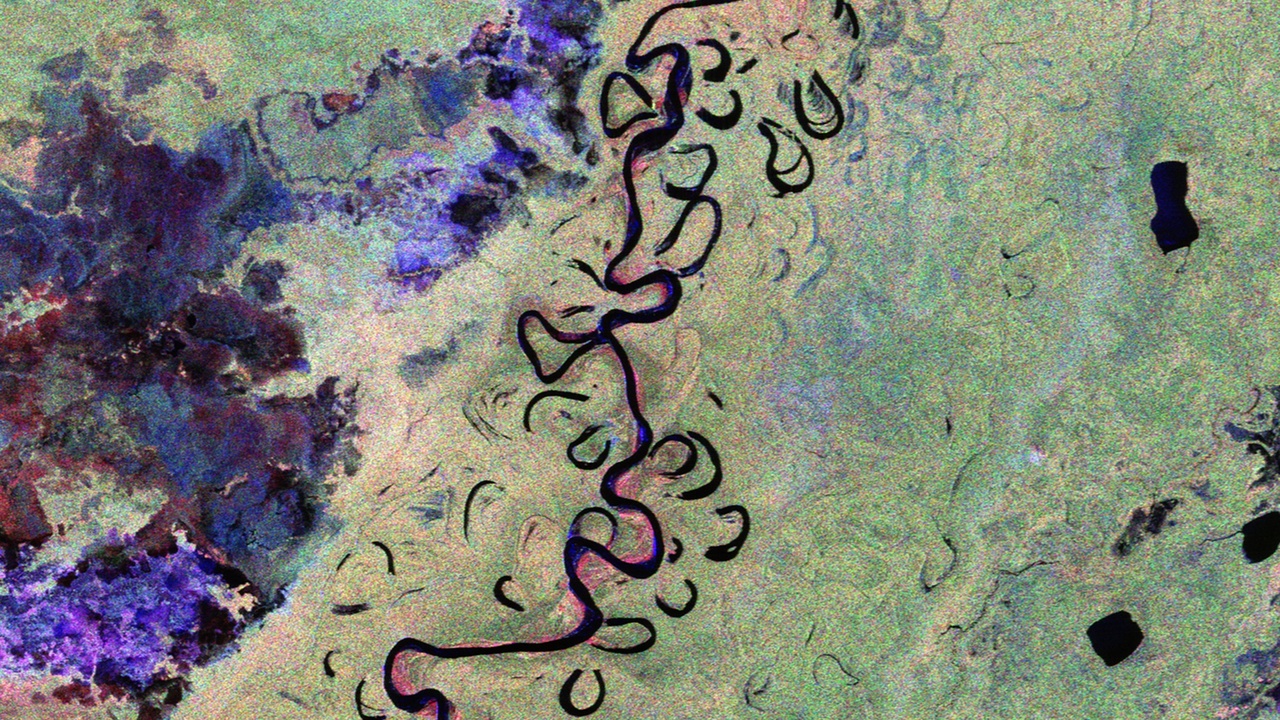
Beyond species and culture, tropical forests deliver huge services: they store carbon, recycle moisture, and influence weather patterns far beyond their borders. Losing forests reduces those services in measurable ways.
6. Rainforests store and cycle carbon, helping stabilize the climate
Tropical forests are major carbon reservoirs: trees and soils lock away vast amounts of carbon that would otherwise be in the atmosphere. When forests are cleared or burned, much of that stored carbon is released as CO2, contributing to global greenhouse gas concentrations.
Large-scale events such as widespread fires and deforestation in the Amazon have produced noticeable emissions spikes in recent decades, illustrating how land-use change translates into climate impacts. Protecting standing forests and restoring degraded areas is one of the most cost-effective ways to reduce emissions, which is why programs like REDD+ and forest carbon projects exist.
Keeping forests intact prevents carbon release and preserves a long-term carbon sink that benefits the entire planet.
7. Forests help create rainfall — the ‘flying rivers’ that sustain agriculture and cities
Forest leaves release water vapor through evapotranspiration, which feeds regional rainfall and helps form large moisture transport systems often called “flying rivers.” In the Amazon region, forests recycle roughly half of the rainfall that falls over parts of the basin.
When forests are removed, those moisture flows weaken, and downstream areas can experience shorter rainy seasons, lower crop yields, and stressed municipal water supplies. Several studies and on-the-ground observations link regional droughts to large-scale deforestation, showing that local land-use choices have broad consequences.
In short: forests are not just passive backdrops. They actively shape weather patterns that societies rely on.
Summary
- Rainforests concentrate an outsized share of Earth’s species in a small land area, making them irreplaceable reservoirs of biodiversity.
- Tropical plants have already given us important medicines, and traditional knowledge has guided many discoveries — protecting forests preserves future medical opportunities.
- Forests store carbon and recycle moisture (the so‑called flying rivers), so protecting them helps stabilize climate, rainfall, agriculture, and urban water supplies.
- Supporting indigenous land rights, community-led conservation, and ethical benefit-sharing are practical, effective ways to safeguard forest values.
- Simple actions — choosing sustainably produced goods, backing reputable conservation organizations, and advocating for strong forest policies — can help protect these essential ecosystems.