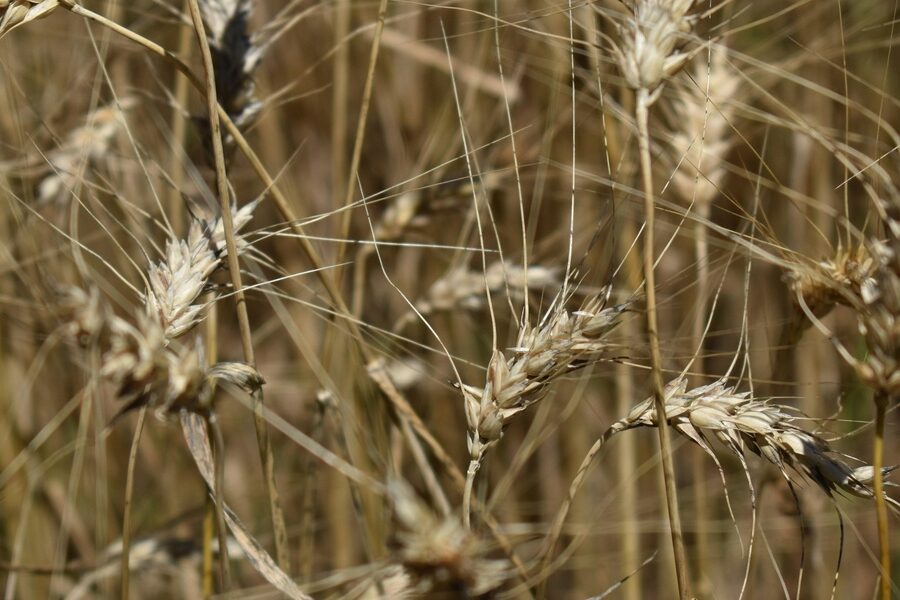
Across coastal paddies and upland fields, the grains people grow reflect climate, culture and what lands will reliably yield. Spotting varieties side by side helps home cooks, bakers and growers understand which grains suit a recipe or a region.
There are 40 Cereal Grains, ranging from African rice to Wild rice. For each you’ll find the Scientific name, Native region and Gluten (status) in the table below.
Which cereal grains are naturally gluten-free?
Many true cereal grains are gluten-free: rice (including African and wild rice), maize (corn), millet, sorghum, teff and fonio are good examples. Oats are naturally gluten-free but often contaminated during processing, while wheat, barley and rye contain gluten. Look for certified gluten-free labeling if you need strict avoidance.
How should I cook lesser-known grains like African rice or wild rice?
Rinse grains, then use a slightly higher water ratio and longer cooking time than for white rice; wild rice often needs 40–60 minutes, while African rice varieties vary by type. Toasting briefly, simmering until tender, and using them in pilafs, salads or soups brings out flavor and texture.
Cereal Grains
| Name | Scientific name | Native region | Gluten (status) |
|---|---|---|---|
| Wheat | Triticum aestivum | Eurasia | contains gluten |
| Durum | Triticum durum | Mediterranean/Central Asia | contains gluten |
| Emmer | Triticum dicoccum | Near East | contains gluten |
| Einkorn | Triticum monococcum | Near East | contains gluten |
| Spelt | Triticum spelta | Europe/West Asia | contains gluten |
| Barley | Hordeum vulgare | Fertile Crescent/Eurasia | contains gluten |
| Oats | Avena sativa | Europe/Central Asia | may contain cross-contact |
| Rye | Secale cereale | Central Asia/Eastern Europe | contains gluten |
| Triticale | ×Triticosecale | Artificial hybrid (Eurasia) | contains gluten |
| Maize | Zea mays | Mesoamerica | gluten-free |
| Rice | Oryza sativa | East/South Asia | gluten-free |
| African rice | Oryza glaberrima | West Africa | gluten-free |
| Wild rice | Zizania palustris | North America | gluten-free |
| Sorghum | Sorghum bicolor | Sub-Saharan Africa | gluten-free |
| Pearl millet | Pennisetum glaucum | Sahel/Sub-Saharan Africa | gluten-free |
| Finger millet | Eleusine coracana | Horn of Africa/India | gluten-free |
| Foxtail millet | Setaria italica | East/Central Asia | gluten-free |
| Proso millet | Panicum miliaceum | Eurasia | gluten-free |
| Little millet | Panicum sumatrense | Indian subcontinent | gluten-free |
| Kodo millet | Paspalum scrobiculatum | Indian subcontinent | gluten-free |
| Barnyard millet | Echinochloa esculenta | East Asia/Indian subcontinent | gluten-free |
| Browntop millet | Urochloa ramosa | Africa/Asia | gluten-free |
| Fonio | Digitaria exilis | West Africa | gluten-free |
| Teff | Eragrostis tef | Horn of Africa (Ethiopia) | gluten-free |
| Quinoa | Chenopodium quinoa | Andes (South America) | gluten-free |
| Kaniwa | Chenopodium pallidicaule | Andes (South America) | gluten-free |
| Buckwheat | Fagopyrum esculentum | Central Asia/Himalayas | gluten-free |
| Amaranth | Amaranthus spp. | Central/South America | gluten-free |
| Job’s tears | Coix lacryma-jobi | East/Southeast Asia | gluten-free |
| Canary seed | Phalaris canariensis | Mediterranean/North Africa | gluten-free |
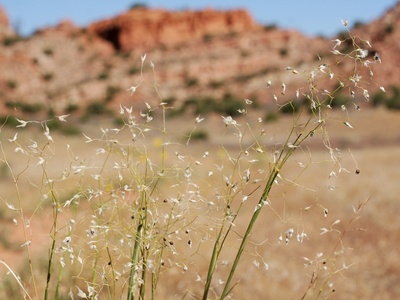
| Indian ricegrass | Achnatherum hymenoides | North America | gluten-free |
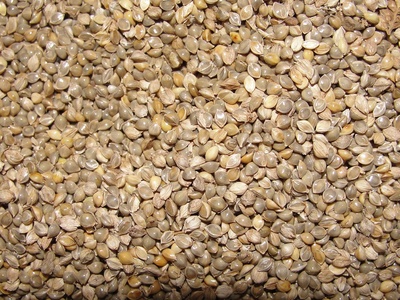
| Barnyard grass (Japanese millet) | Echinochloa frumentacea | South/Southeast Asia | gluten-free |
| Sibirian wild rye | Elymus sibiricus | Central Asia/Siberia | gluten-free |
| Tef (alternative spelling) | Eragrostis tef | Horn of Africa (Ethiopia) | gluten-free |
| Brown rice (as example) | Oryza sativa | East/South Asia | gluten-free |
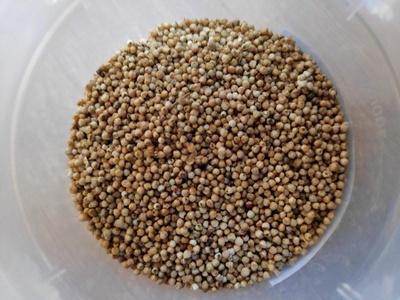
| Millet (general) | Various genera (Pennisetum, Panicum, Setaria) | Africa/Asia | gluten-free |
| Sorghum (sweet/other types) | Sorghum spp. | Africa/Asia | gluten-free |
| Riceberry/black rice (variety) | Oryza sativa | East/South Asia | gluten-free |
| Finger millet (ragi) variant note | Eleusine coracana | Horn of Africa/India | gluten-free |
| Quinoa (highland varieties) | Chenopodium quinoa | Andes (South America) | gluten-free |
Images and Descriptions
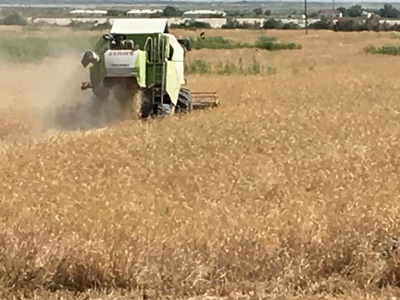
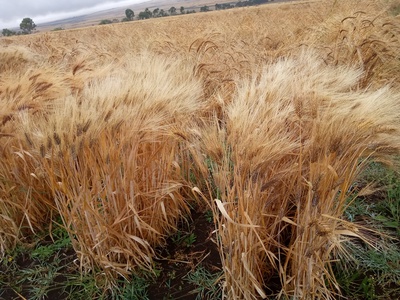
Wheat
Staple grain for bread, pasta and pastries; high in carbohydrates and protein, cultivated across temperate zones. Central to many cuisines but contains gluten, so unsuitable for celiac disease unless replaced by alternatives.
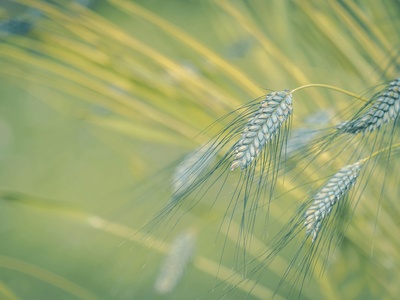
Durum
Hard wheat used chiefly for pasta and some flatbreads; high in protein and gluten strength. Grown in dry Mediterranean climates and prized for semolina production and firm cooked texture.
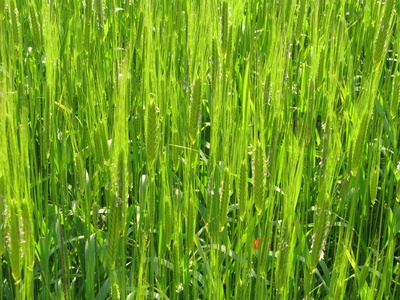
Emmer
Ancient hulled wheat used historically for bread and porridges; lower yield but rich flavor and fiber. Popular in heritage baking and as a whole-grain option among traditional-food enthusiasts.
Einkorn
One of the oldest domesticated wheats with small grains and nutty flavor; used in breads, porridge and whole-grain baking. Contains gluten but often cited for simpler protein profile and traditional cultivation.

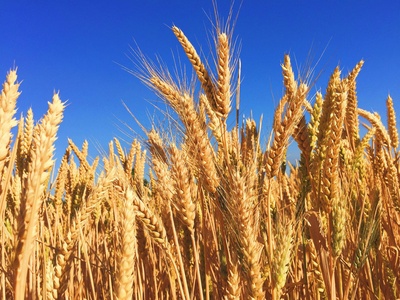
Spelt
Ancient hulled wheat now used in breads, pastas and cereals for its nutty taste and chewy texture. Contains gluten; valued for heritage farming and artisanal baking.
Barley
Versatile grain used in soups, stews, malt for brewing and animal feed. High in soluble fiber (beta-glucan) and vitamins; hulled and pearled forms affect cooking and nutrition.
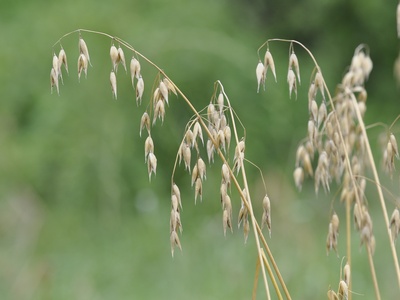
Oats
Common breakfast grain for porridge, granola and baking. Naturally low in gluten but often cross-contaminated during processing; look for certified gluten-free oats if sensitive.
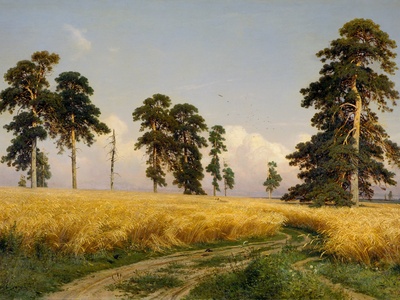
Rye
Dense, flavorful grain used for robust breads, crispbreads and some whiskies. Higher fiber and distinct flavor; contains gluten proteins problematic for celiac disease.
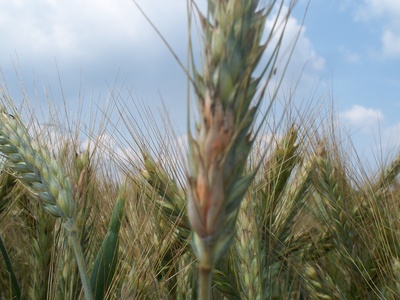
Triticale
Wheat–rye hybrid combining yield and hardiness; used for bread, animal feed and some specialty flours. Contains gluten and is chosen for improved agronomic traits in cooler climates.
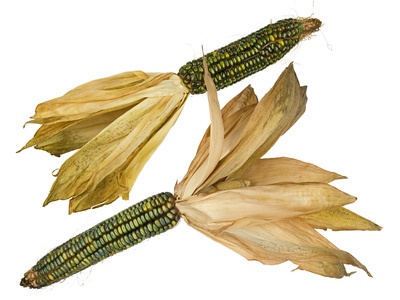
Maize
Highly versatile staple for tortillas, polenta, tortillas, cornmeal, snacks and sweetcorn. Rich in starch and bred into many varieties; cornerstone of Americas’ cuisines and global food chains.
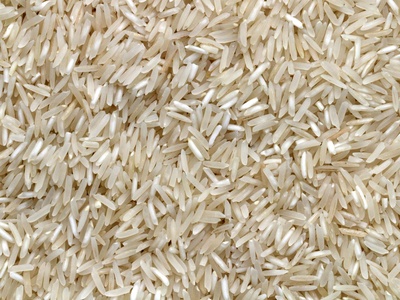
Rice
Primary staple for half the world’s population, used steamed, as flour, noodles and beverages. Varieties range from sticky to long-grain aromatic types; naturally gluten-free and central to Asian cuisines.
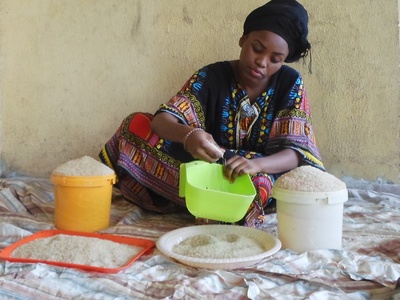
African rice
Domesticated in West Africa with resilience to local pests and flooding; used in traditional dishes. Less globally widespread than O. sativa but important culturally and agriculturally in its region.
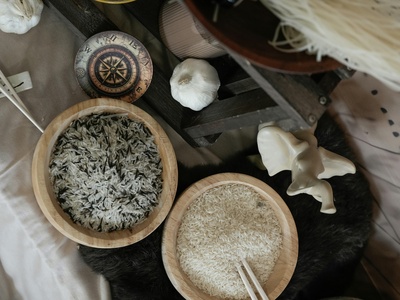
Wild rice
Aquatic grass seed prized for nutty flavor and chewy texture; used in pilafs, stuffing and salads. High in protein and antioxidants; traditionally harvested by Indigenous peoples.
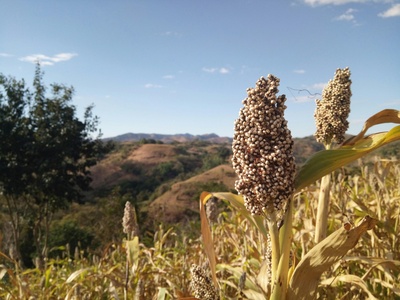
Sorghum
Drought-tolerant staple used for porridge, flatbreads, syrups and gluten-free flours. Nutrient-rich and versatile, increasingly important for food security in hot, dry regions.
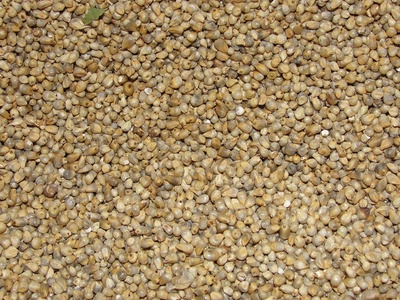
Pearl millet
Staple in arid regions for flatbreads, porridges and fermented beverages. Extremely drought-tolerant with good iron and calcium; key crop for dryland farming.
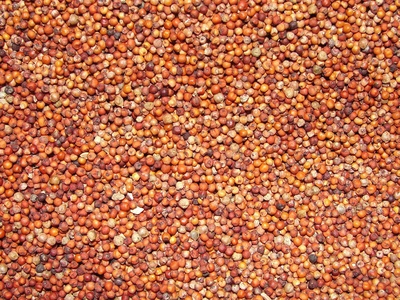
Finger millet
Small seeded grain used for porridge, flatbreads and malted beverages. High in calcium and resistant to poor soils, widely cultivated in Africa and South Asia.
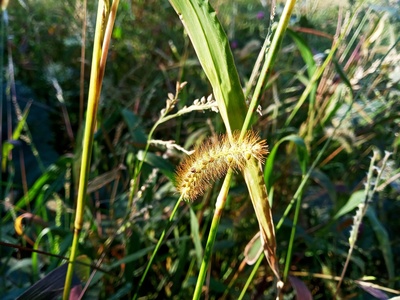
Foxtail millet
Ancient grain used as millet porridge, in fermented foods and as rice substitute. Quick-maturing and drought-resistant, common in East Asian and Indian cuisines.
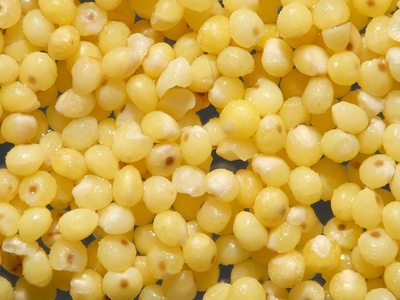
Proso millet
Fast-growing millet used for porridge, flatbreads and birdseed; adaptable to poor soils and dry climates. Low in gluten and a traditional staple in parts of Europe and Asia.
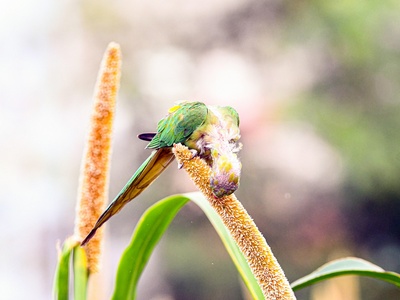
Little millet
Small-seeded millet used in porridges and pilafs; valued for quick cooking and tolerance to drought. Often used in traditional Indian dishes and as a nutritious whole grain.
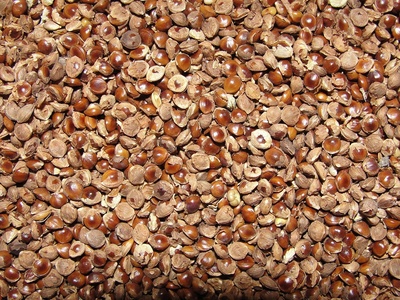
Kodo millet
Coarse millet used in porridges and flatbreads with earthy flavor; hardy crop for marginal lands. Offers fiber and micronutrients and fits into smallholder rotations.
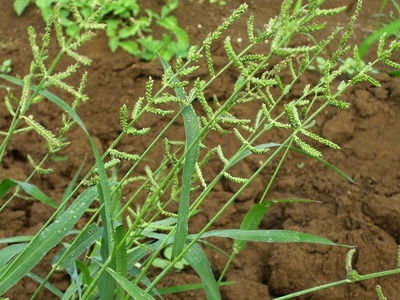
Barnyard millet
Fine-grained millet used in rice substitutes, porridge and fermented foods. Fast-growing and tolerant to poor soils, promoted for climate-resilient cropping systems.
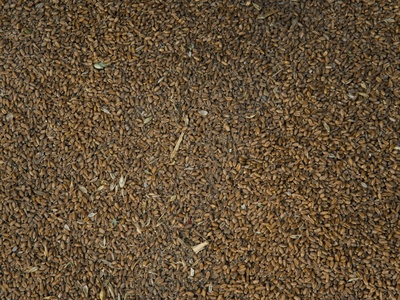
Browntop millet
Small cereal used as porridge and grain in local diets; tolerant of drought and sandy soils. Often part of traditional food systems in Africa and South Asia.

Fonio
Tiny ancestral grain prized for quick cooking and nutty flavor; used in pilafs, porridge and ceremonial dishes. Highly tolerant of poor soils and drought with good amino-acid profile.
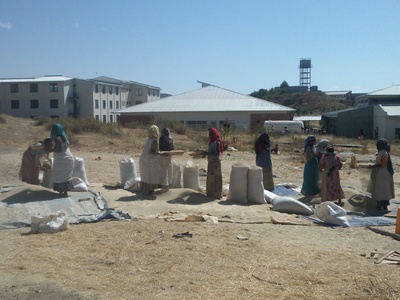
Teff
Staple of Ethiopian injera, porridge and baked goods; tiny grain high in calcium, iron and resistant starch. Excellent for smallholder systems and growing gluten-free interest worldwide.
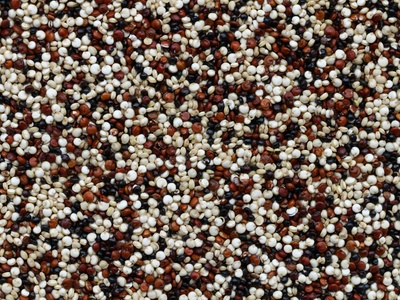
Quinoa
Pseudocereal valued for complete protein, easy cooking seeds and versatility in salads, porridges and flour blends. Domesticated in Andean highlands with many nutritional benefits.

Kaniwa
Relative of quinoa with tiny seeds, nutty flavor and high protein; used in porridges, toasted grains and flour. More heat-tolerant than quinoa and prized regionally.

Buckwheat
Pseudocereal used for noodles, pancakes, porridge and groats; rich in flavonoids and balanced amino acids. Naturally gluten-free and common in Eastern European and Asian cuisines.

Amaranth
Pseudocereal producing small, protein-rich seeds used as porridge, popped snack and flour. High in lysine and minerals; an ancient staple with rising interest for gluten-free diets.
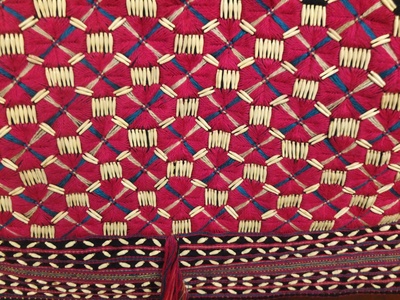
Job’s tears
Large-seeded grass used as cereal, tea and in traditional medicine. Chewy texture when cooked and sometimes processed into flour; cultivated in humid Asian regions.
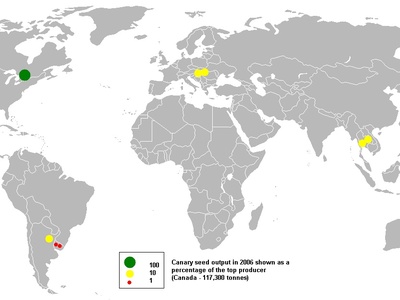
Canary seed
Historically birdseed, now cultivated hairless varieties for human consumption as porridge, flour and baking. High in protein and starch, emerging as alternative cereal grain.
Indian ricegrass
Traditional wild grain of Indigenous peoples, used ground into flour and in porridge. Drought-tolerant perennial grass with sweet, nutty seeds; revived in heritage food projects.
Barnyard grass (Japanese millet)
Cultivated as a minor cereal for porridge and fermentation; quick-maturing and used in times of food scarcity. Provides a coarse-grained, gluten-free option in local diets.
Sibirian wild rye
Coarse grass historically used regionally for emergency grain and forage; occasionally processed for human food in traditional contexts. Hardy in cold climates.
Tef (alternative spelling)
Tiny, nutritious grain central to Ethiopian cuisine for flatbread and porridge. High in minerals and fiber, with increasing global use in gluten-free products.
Brown rice (as example)
Whole-grain rice retaining bran layer, used widely in cooking, risottos and pilafs. Higher fiber, vitamins and minerals than polished rice; staple across Asian cuisines.
Millet (general)
Umbrella term for diverse small-seeded grasses used as porridge, flatbreads and fermented drinks. Generally drought-tolerant and nutritious, with many region-specific species and culinary roles.
Sorghum (sweet/other types)
Includes grain and sweet varieties used for flatbreads, porridges, syrups and brewing. Versatile and resilient, important for food, feed and industrial uses in hot, dry regions.
Riceberry/black rice (variety)
Pigmented rice varieties rich in antioxidants used in desserts, salads and savory dishes. Whole-grain nutrition with characteristic nutty flavor and striking color in culinary presentations.
Finger millet (ragi) variant note
Called ragi in South Asia, used for porridge, baby foods and flatbreads; prized for calcium, fiber and drought tolerance. Central to regional traditional diets and infant nutrition.
Quinoa (highland varieties)
Highland cultivars adapted to cold and frost, used for whole grains, flour and popped snacks. Offers complete protein and micronutrients; central to Andean agriculture and cuisine.