Oceans and coasts host a patchwork of habitats shaped by depth, currents, and the shoreline — from sunlit kelp forests to the dark, pressure‑intense depths. Understanding these zones helps readers, students, and resource managers compare where life thrives and how ecosystems connect across the seascape.
There are 23 Marine Biomes, ranging from Abyssal benthic plain to Tidal flats (mudflats). For each entry I list key characteristics and organize the data with Depth (m),Salinity (ppt),Typical locations so you can compare conditions at a glance — you’ll find below.
How do depth and salinity determine different marine biomes?
Depth and salinity set fundamental physical limits: light availability, pressure, and osmotic stress all change with those variables, which in turn control which organisms can live where. Combined with factors like substrate and currents, the Depth (m) and Salinity (ppt) columns help explain why adjacent biomes support very different communities.
Which marine biomes are most vulnerable to human impacts?
Coastal biomes such as tidal flats, mangroves, and coral reefs face the greatest immediate threats from development, pollution, and warming; offshore impacts include overfishing and potential deep‑sea mining that could harm abyssal plains. Local protection and better water management reduce risks.
Marine Biomes
| Name | Depth (m) | Salinity (ppt) | Typical locations |
|---|---|---|---|
| Neritic (Continental shelf) | 0-200 | 30-37 | Coastal shelves worldwide, e.g., North Sea, Gulf of Mexico |
| Epipelagic (Sunlight zone) | 0-200 | 33-37 | Open ocean surface waters globally |
| Mesopelagic (Twilight zone) | 200-1,000 | 33-35 | Open ocean midwaters worldwide |
| Bathypelagic (Midnight zone) | 1,000-4,000 | 33-35 | Deep open ocean basins globally |
| Abyssopelagic/abyssal plain | 4,000-6,000 | 33-35 | Abyssal plains of major oceans |
| Hadalpelagic (Trench zone) | 6,000-11,000 | 33-35 | Ocean trenches (e.g., Mariana, Tonga) |
| Continental slope & rise (Bathyal benthos) | 200-3,000 | 33-35 | Slope regions off major continental shelves |
| Abyssal benthic plain | 3,000-6,000 | 33-35 | Global deep-sea plains |
| Hadal benthic (Trench floors) | 6,000-11,000 | 33-35 | Deep-sea trenches worldwide |
| Hydrothermal vents & cold seeps | 200-4,000 | 33-35 | Mid-ocean ridges, continental margins |
| Coral reefs (tropical) | 0-60 | 32-40 | Tropical Indo-Pacific, Caribbean, Red Sea |
| Cold-water coral reefs | 50-2,000 | 33-35 | Deep temperate and polar continental margins |
| Kelp forests | 0-40 | 30-35 | Temperate rocky coasts, e.g., California, Patagonia |
| Seagrass meadows | 0-30 | 25-37 | Shallow coastal bays worldwide |
| Mangrove forests | 0-4 | 5-35 | Tropical and subtropical coasts, e.g., SE Asia, Caribbean |
| Salt marshes | 0-1 | 5-35 | Temperate coasts (e.g., Atlantic, Pacific) |
| Estuaries | 0-30 | 0.5-35 | Major river mouths worldwide (e.g., Chesapeake, Thames) |
| Coastal lagoons | 0-10 | 10-35 | Barrier-fringed coasts, e.g., Mediterranean, Black Sea |
| Tidal flats (mudflats) | 0-5 | 10-35 | Low-energy coasts worldwide (e.g., Wadden Sea) |
| Rocky intertidal | 0-10 | 30-36 | Wave-exposed coasts worldwide |
| Sandy shore/coastal beaches | 0-5 | 30-36 | Open coasts globally |
| Polar sea-ice and pack-ice biome | 0-10 | 30-35 | Arctic and Antarctic seasonal ice zones |
| Polar shelf seas | 0-200 | 30-35 | Arctic and Antarctic continental shelves |
Images and Descriptions

Neritic (Continental shelf)
Shallow, sunlit shelf waters supporting high productivity and fisheries. Signature features include plankton blooms, benthic communities and commercial fish. Notable for nutrient inputs, coastal development, overfishing and pollution pressures.
Epipelagic (Sunlight zone)
The well-lit open-ocean surface where phytoplankton fuels food webs and large migratory species thrive—tuna, whales, sea birds. Crucial for carbon uptake and fisheries; threatened by warming, overfishing and surface pollution.
Mesopelagic (Twilight zone)
Low-light middle depths with vertical migrants and bioluminescent life (lanternfish, squid). Key for carbon transport to the deep (biological pump). Vulnerable to deepening oxygen minimum zones and emerging fisheries interest.
Bathypelagic (Midnight zone)
Perpetual darkness inhabited by specialized, slow-metabolism fauna like anglerfish and giant squid. Important for deep carbon storage. Faces threats from deep-sea mining, climate-driven oxygen loss and slow recovery from disturbance.
Abyssopelagic/abyssal plain
Flat deep-sea floors with low temperatures and sparse life—deposit feeders, sea cucumbers, cold-water corals. Critical for long-term carbon burial; highly sensitive to trawling, mining and pollution.
Hadalpelagic (Trench zone)
The deepest marine zones in trenches with unique adapted fauna and high pressure specialists. Important for extremophile research; extremely vulnerable due to isolation and slow recovery from impacts.
Continental slope & rise (Bathyal benthos)
Steep transitional seafloor with diverse benthic communities, cold-water corals and nutrient cascades. Important for benthic biodiversity; threatened by deep trawling, sedimentation and resource extraction.
Abyssal benthic plain
Extensive low-relief seafloor dominated by detritus-based communities and slow-growth species. Plays a major role in nutrient and carbon cycling; vulnerable to mining and pollutant accumulation.
Hadal benthic (Trench floors)
Trench floors host specialized, pressure-adapted invertebrates and unique microbes. Scientifically valuable for extremophile studies; isolated ecosystems are highly sensitive to disturbance.
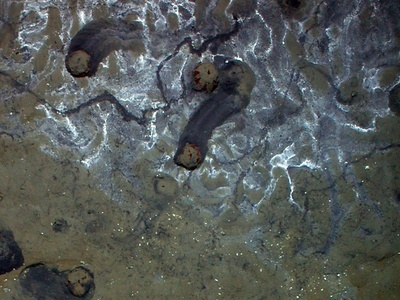
Hydrothermal vents & cold seeps
Chemosynthetic hotspots where microbes sustain tube worms, clams and unique crustaceans. Crucial for primary production independent of sunlight; threatened by deep-sea mining and hydrocarbon extraction.
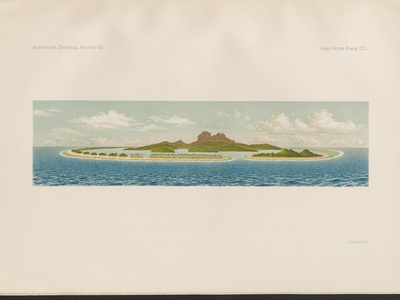
Coral reefs (tropical)
Biodiverse carbonate structures built by reef corals, home to fish, crustaceans and algae. Major tourism and fisheries source; extremely vulnerable to warming, acidification, pollution and overuse.
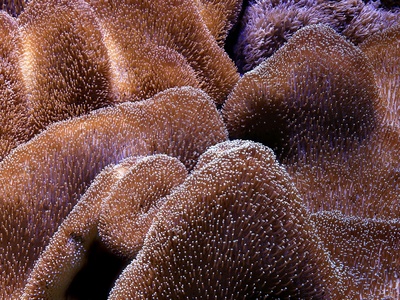
Cold-water coral reefs
Non-photosynthetic coral frameworks in cold, dark waters supporting rich benthic life and fish nurseries. Important refuges and biodiversity hotspots; threatened by deep trawling and mining.
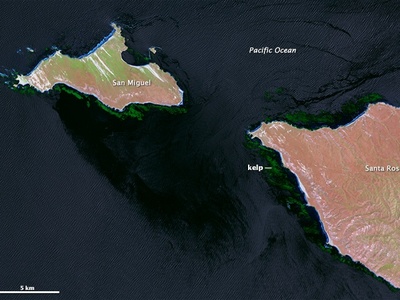
Kelp forests
Dense canopy-forming brown algae on rocky shores that shelter fish, invertebrates and otters. High productivity and coastal protection; sensitive to warming, pollution and grazing pressure from urchins.
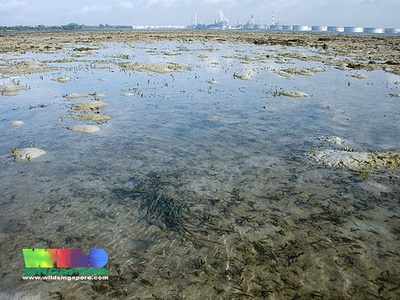
Seagrass meadows
Flowering underwater plants forming meadows that stabilize sediments, store carbon and support dugongs, turtles and fish nurseries. Highly productive but threatened by coastal development, eutrophication and boating damage.
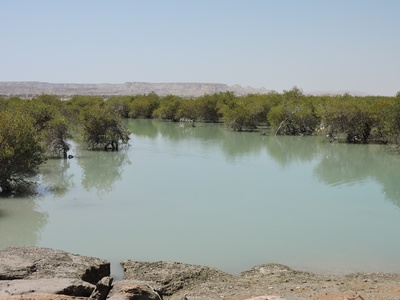
Mangrove forests
Intertidal trees adapted to saline soils that protect coasts, sequester carbon and provide nursery habitat. Iconic species include mangroves and crabs. Threatened by conversion, aquaculture and sea-level rise.
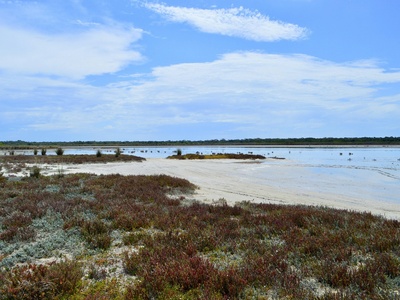
Salt marshes
Tidal grassy wetlands dominated by salt-tolerant plants offering flood protection, bird habitat and carbon storage. Support invertebrates and juvenile fish; lost to land reclamation, pollution and sea-level rise.
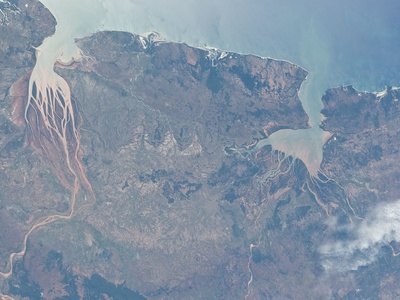
Estuaries
Productive mixing zones where freshwater meets sea; highly variable salinity and rich nurseries for fish and birds. Vital for fisheries and humans; vulnerable to pollution, dredging and altered freshwater flows.
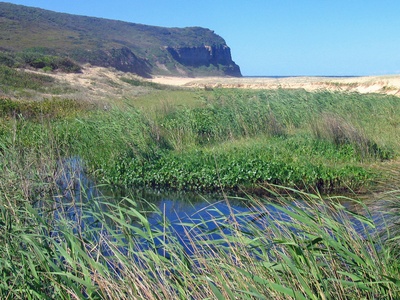
Coastal lagoons
Shallow, often enclosed water bodies with variable salinity and high productivity. Important for birdlife and fisheries; susceptible to eutrophication, development and salinity alteration.
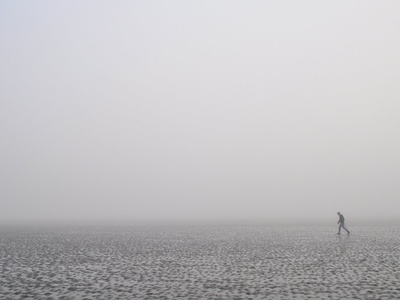
Tidal flats (mudflats)
Exposed tidal plains rich in invertebrates and feeding grounds for migratory birds. Key for nutrient cycling and carbon burial; threatened by reclamation, pollution and sea-level rise.
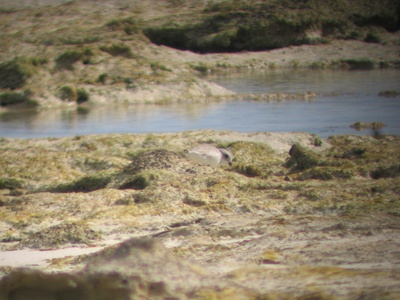
Rocky intertidal
Dynamic zone between high and low tide with zoned communities—barnacles, mussels, seaweeds. Iconic for tidepool life and ecological gradients; sensitive to coastal development, pollution and overharvesting.
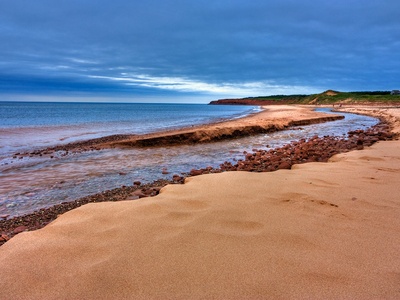
Sandy shore/coastal beaches
Shifting sands with burrowing organisms, ghost crabs and shorebirds. Important for recreation and shoreline dynamics; vulnerable to erosion, coastal engineering and habitat loss.
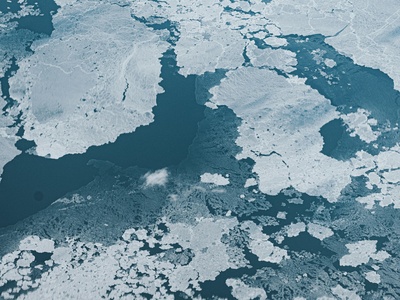
Polar sea-ice and pack-ice biome
Surface ice and underside habitats hosting algae, ice-associated seals, polar bears and penguins. Critical for polar food webs and albedo; highly threatened by rapid warming and ice loss.
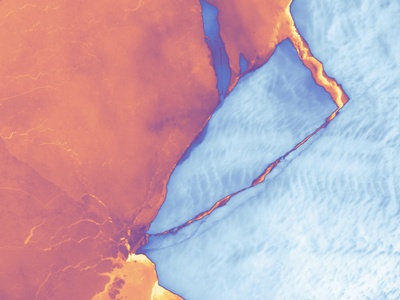
Polar shelf seas
Shallow polar shelves with seasonal productivity, krill, polar cod and benthic communities. Central to polar fisheries and carbon cycling; sensitive to warming, ice retreat and shipping expansion.