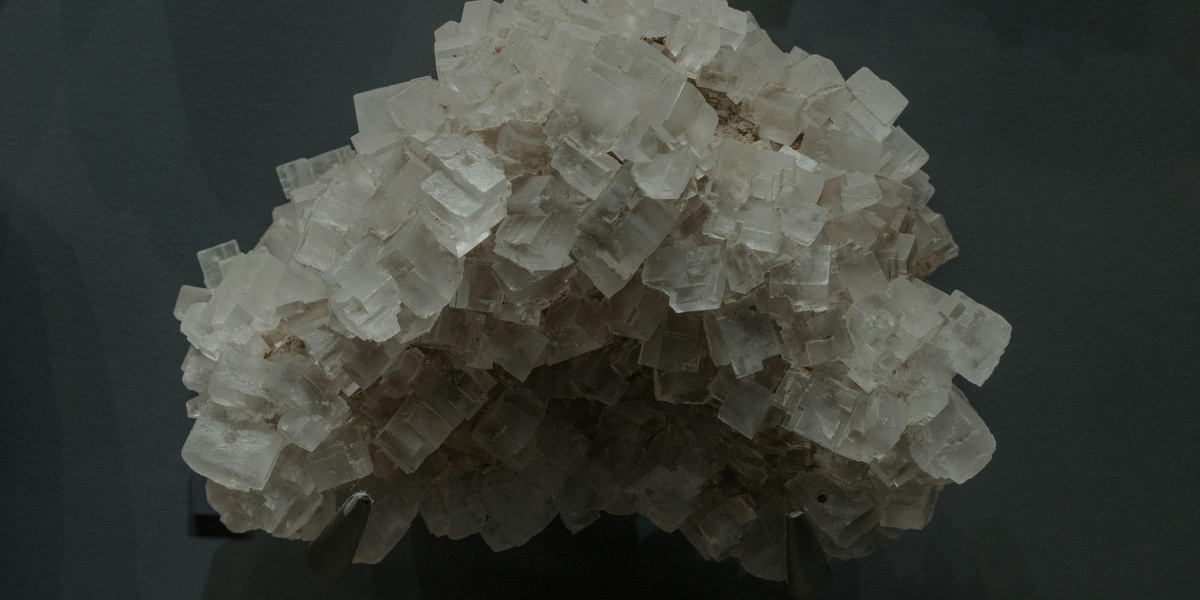
From coastal mining districts to university labs, barium shows up in surprising places — in drilling muds, pigments, and mineral collections. Knowing the common forms and practical details helps whether you’re sourcing reagents or identifying samples in the field.
There are 25 Barium Compounds, ranging from Barite (mineral) to Witherite (mineral). For each, you’ll find below Formula,CAS,Common uses (max 15 words) to help you compare composition, regulatory IDs, and typical applications — you’ll find below.
Are these barium compounds hazardous and how should I handle them?
Some barium salts (especially soluble ones) are toxic if ingested or inhaled; insoluble minerals like barite are far less bioavailable. Always consult the CAS-based safety data, use gloves and eye protection, avoid dust, and follow institutional disposal rules.
How do Formula, CAS, and Common uses help me pick the right compound?
Formula shows chemical makeup, CAS provides an unambiguous identifier for ordering and regs, and the Common uses column summarizes typical applications so you can quickly match a compound to your need.
Barium Compounds
| Name | Formula | CAS | Common uses (max 15 words) |
|---|---|---|---|
| Barium sulfate | BaSO4 | N/A | Contrast agent, pigment, drilling additive |
| Barium carbonate | BaCO3 | N/A | Ceramics, chemical precursor, historical rodenticide |
| Barium chloride | BaCl2 | N/A | Chemical synthesis, fluxes, laboratory reagent |
| Barium nitrate | Ba(NO3)2 | N/A | Pyrotechnics, oxidizer, green fireworks |
| Barium hydroxide | Ba(OH)2 | N/A | Laboratory base, sugar refining, ceramics processing |
| Barium oxide | BaO | N/A | Ceramics, glass, catalyst, oxygen storage |
| Barium peroxide | BaO2 | N/A | Oxidizer, bleaching agent (historical), oxygen source |
| Barium sulfide | BaS | N/A | Precursor for pigments, phosphors, chemical synthesis |
| Barium chromate | BaCrO4 | N/A | Pigments, corrosion inhibitors, chromium source |
| Barium titanate | BaTiO3 | N/A | Dielectrics, capacitors, piezoelectrics, sensors |
| Barium bromide | BaBr2 | N/A | Laboratory reagent, photography, research |
| Barium iodide | BaI2 | N/A | Organic synthesis, precursor, catalyst studies |
| Barium fluoride | BaF2 | N/A | Infrared optics, windows, scintillators |
| Barium acetate | Ba(C2H3O2)2 | N/A | Analytical reagent, dye synthesis precursor |
| Barium oxalate | BaC2O4 | N/A | Pigments, ceramic precursors, laboratory reagent |
| Barite (mineral) | BaSO4 | N/A | Drilling weight, aggregate, filler, pigment |
| Witherite (mineral) | BaCO3 | N/A | Ore of barium, ceramics, glassmaking |
| Barium phosphate | Ba3(PO4)2 | N/A | Specialty ceramics, phosphate source, coatings |
| Barium silicate | BaSiO3 | N/A | Ceramics, glass, insulating materials |
| Barium thiocyanate | Ba(SCN)2 | N/A | Analytical chemistry, coordination studies, research reagent |
| Barium chlorate | Ba(ClO3)2 | N/A | Oxidizer, pyrotechnics (historical), laboratory reagent |
| Barium perchlorate | Ba(ClO4)2 | N/A | Analytical reagent, oxidizer, research |
| Barium sulfite | BaSO3 | N/A | Pulping processes, reagent, industrial uses |
| Barium hypochlorite | Ba(ClO)2 | N/A | Bleaching and disinfectant (historical), oxidizer |
| Barium ferrite | BaFe12O19 | N/A | Permanent magnets, recording media, microwave devices |
Images and Descriptions
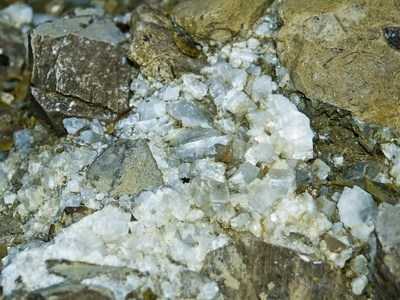
Barium sulfate
A dense, white, insoluble sulfate used as a radiocontrast agent, pigment, and drilling-fluid weighting agent. Naturally occurring as barite; chemically inert but harmful as respirable dust; insolubility reduces systemic barium poisoning risk.
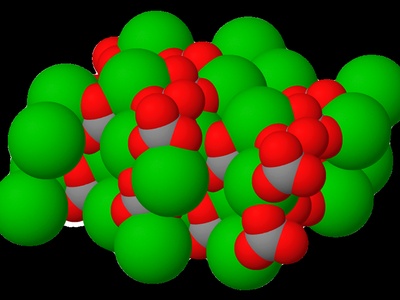
Barium carbonate
A white crystalline carbonate (witherite) used in glass and ceramics and as a precursor for other barium chemicals. Slightly acid-soluble and toxic if ingested; historically used in pesticides and rodenticides with significant poisoning risk.
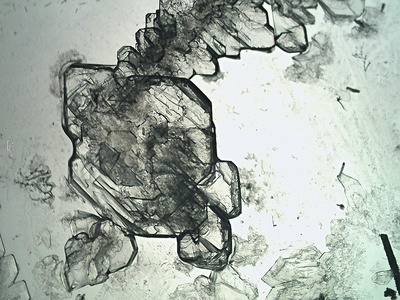
Barium chloride
A water-soluble white salt supplying Ba2+ ions for synthesis and metallurgy. Used as a laboratory reagent and in some industrial processes; soluble barium compounds are toxic if ingested or inhaled, causing severe systemic effects.
Barium nitrate
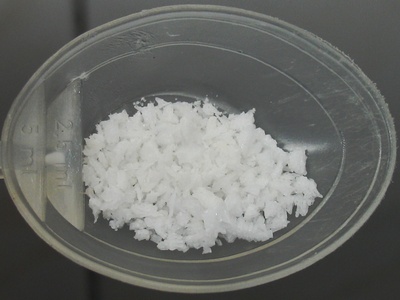
A white crystalline oxidizer commonly used in pyrotechnics for green coloration and as an oxidizing agent in explosives and matches. Soluble and toxic; nitrates add environmental and oxidizing hazards during handling.
Barium hydroxide
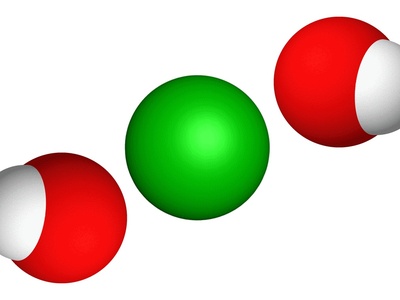
A strong, corrosive base available as hydrates and used in laboratories, sugar refining, and ceramics. Causes chemical burns on contact and is harmful if inhaled or ingested; reacts with CO2 to form carbonate.

Barium oxide
A high-melting white oxide used in specialized ceramics, glass formulations, and as a catalyst or oxygen storage material. Reacts with water to form corrosive hydroxide; toxic on exposure and requires controlled handling.
Barium peroxide
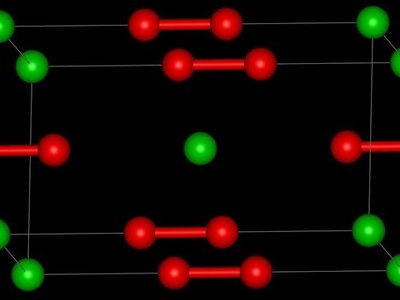
A yellowish-white peroxide used historically as an oxygen source and bleaching agent and in pyrotechnic oxidizers. Releases oxygen on decomposition; a strong oxidizer that can react dangerously with organics and should be handled cautiously.
Barium sulfide
A gray to yellow crystalline sulfide used to prepare barium sulfate pigments and phosphors. Acidification can release toxic hydrogen sulfide; reactive with water and acids and can be caustic and hazardous.
Barium chromate
A yellow insoluble chromate used as a pigment and corrosion-inhibiting compound. Contains hexavalent chromium, which is toxic and carcinogenic; environmentally hazardous and requires strict exposure controls and disposal.
Barium titanate
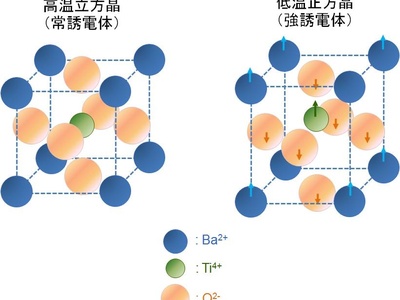
A ferroelectric perovskite ceramic used in capacitors, piezoelectric devices, and sensors with a high dielectric constant. Chemically stable and sparingly soluble; processing powders are inhalation hazards even though systemic toxicity is low.
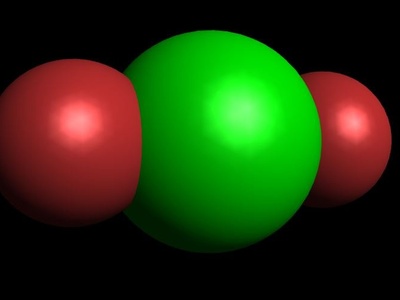
Barium bromide
A white, water-soluble bromide salt used in laboratories and some photographic or research applications. Provides soluble barium ions that are toxic if absorbed; handle with protective measures to avoid inhalation or ingestion.
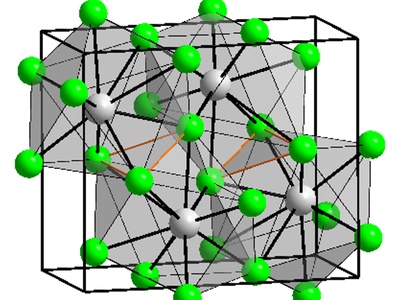
Barium iodide
A water-soluble iodide salt used as a precursor in organic synthesis and coordination chemistry. Delivers toxic barium ions on dissolution; ingestion or inhalation risks require careful handling and containment.
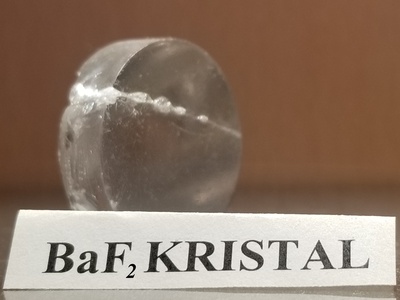
Barium fluoride
A transparent fluoride crystal used in infrared optics, scintillators, and specialized windows for low refractive index. Chemically fairly inert and poorly soluble; powdered material is an inhalation hazard and dissolved barium is toxic.
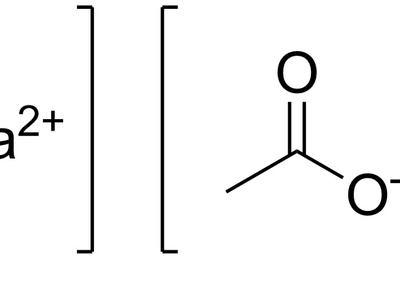
Barium acetate
A soluble barium salt used in laboratory analysis and as a precursor in dye and organic syntheses. Soluble barium is toxic, causing muscular and cardiac symptoms if ingested; use gloves and ventilation.
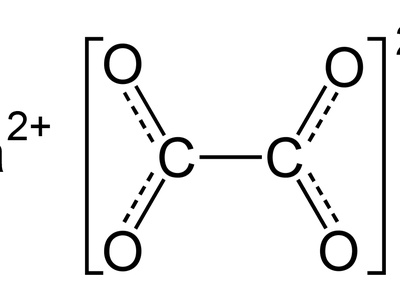
Barium oxalate
A sparingly soluble white salt used in pigment manufacture and as a ceramic precursor. Can release soluble barium under certain conditions; decomposition may produce toxic gases and inhalation of dust is hazardous.
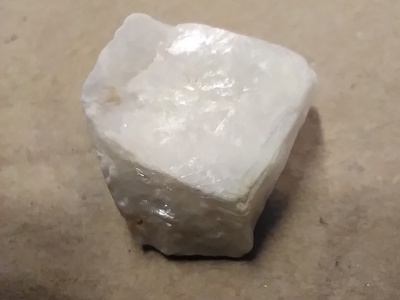
Barite (mineral)
Barite is the natural mineral form of barium sulfate, widely used to weight drilling fluids in oil and gas, as aggregate in paints and fillers. Insoluble and chemically inert, but dust inhalation and mining impacts are health and environmental concerns.
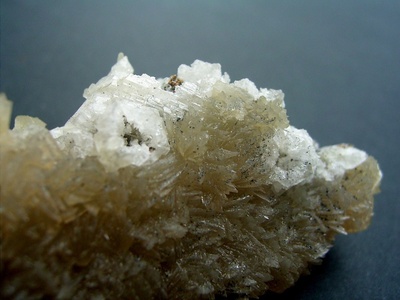
Witherite (mineral)
Witherite is the natural mineral form of barium carbonate and an important ore for barium production. Used historically in glass and ceramics; acid-soluble and toxic if ingested, requiring safe mining and processing practices.
Barium phosphate
An insoluble phosphate salt used in specialized ceramics, coatings, and as a phosphate source in niche applications. Low solubility limits bioavailability, but dust and fine powders pose inhalation hazards and environmental persistence.
Barium silicate
A silicate compound used in ceramic glazes, glass, and insulating materials valued for thermal stability. Not highly soluble, but manufacturing dust can be an inhalation hazard; some processes involve high-temperature risks.
Barium thiocyanate
A soluble thiocyanate salt primarily used in analytical chemistry and ligand studies. Supplies thiocyanate in solution; contains soluble barium that is toxic by ingestion and inhalation, so use fume hoods and PPE.

Barium chlorate
A powerful oxidizing salt formerly used in pyrotechnics and some laboratory applications. Highly oxidizing and unstable with organics; soluble barium content adds toxicity concerns, so it requires strict storage and handling precautions.
Barium perchlorate
A strong, water-soluble oxidizer used in analytical chemistry and research. Perchlorate gives potent oxidizing properties and explosive potential with organics; combined hazards of oxidizer and toxic barium demand rigorous controls.
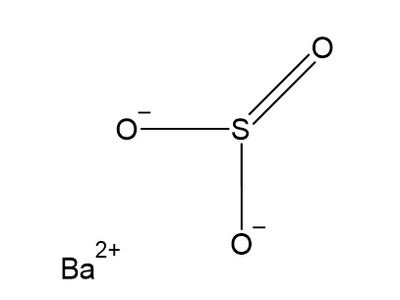
Barium sulfite
A sulfite salt encountered in some industrial pulping and chemical processes. Moderately soluble and can liberate sulfur dioxide when acidified. Soluble barium salts are toxic; avoid environmental discharge and human exposure.
Barium hypochlorite
A basic hypochlorite salt once used for bleaching and disinfection. Releases reactive chlorine species and is a strong oxidizer; unstable and largely replaced by safer alternatives due to reactivity and environmental concerns.
Barium ferrite
A hard magnetic ceramic used in permanent magnets, magnetic recording media, and microwave components. Chemically stable with low solubility; production involves high temperatures and dust-generation risks, requiring controls for inhalation exposure.