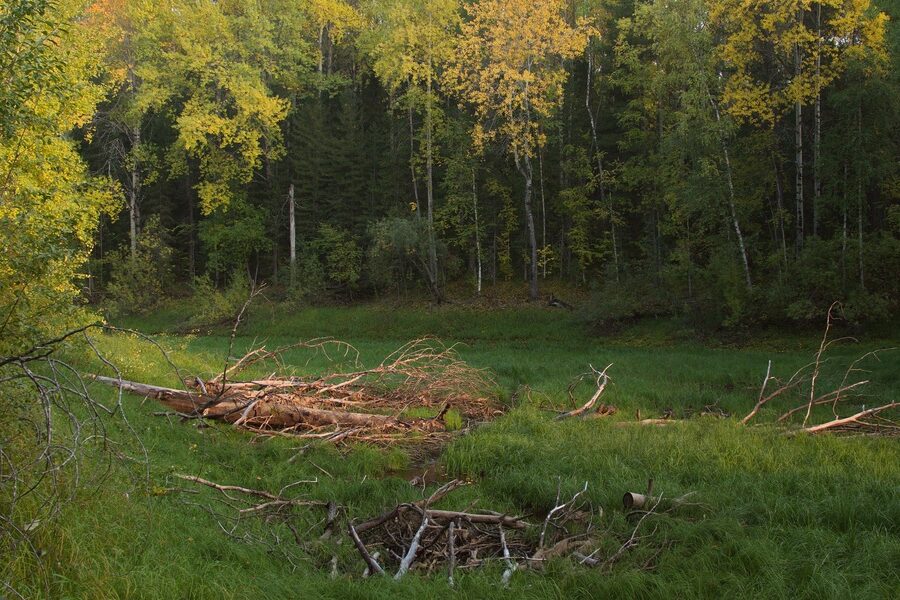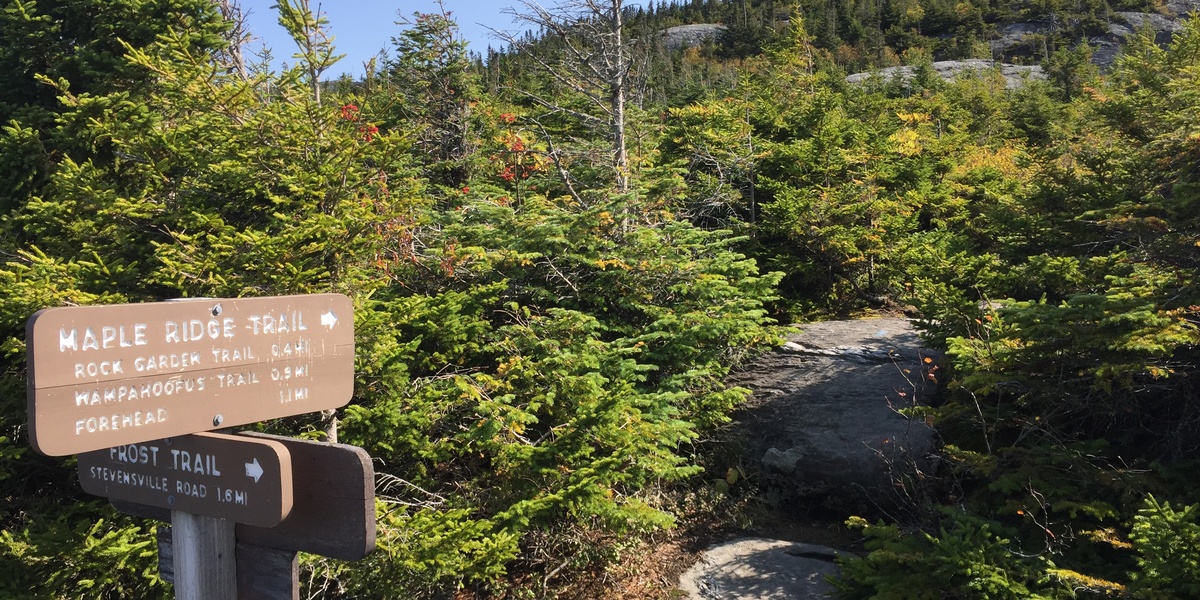
Vermont’s rolling hills, mixed forests and productive valleys shape a landscape where natural assets are part of daily life — from family-run orchards to working woodlands and clear rivers. These resources support local food, energy, recreation and conservation efforts that define many communities across the state.
There are 36 Natural Resources in Vermont, ranging from Apples to Wood biomass. For each item, the table shows Category,Primary location (county/region),Economic or ecological importance — you’ll find it below.
How do these resources translate into jobs and local income?
Many livelihoods in Vermont rely on a mix of farming, forestry, processing and tourism: orchards and specialty crops feed local markets, timber and wood biomass support mills and energy projects, and natural areas drive outdoor recreation; the table’s county-level notes help you see where specific industries cluster and what they contribute economically.
How can I use this list to assess sustainability or research opportunities?
Use the Category and Economic or ecological importance columns to flag resources with high ecological value or economic impact, then drill into the Primary location (county/region) to identify hotspots for conservation, investment or study; local extension services and state agencies can provide the deeper data and management guidance referenced in the list.
Natural Resources in Vermont
| Name | Category | Primary location (county/region) | Economic or ecological importance |
|---|---|---|---|
| Marble | Mineral | Rutland County and central Green Mountains | Building stone, sculpture, historical industry |
| Barre granite | Mineral | Barre area, Washington County | Monument stone, quarrying employment, local heritage |
| Slate | Mineral | Proctor, West Rutland, Rutland County | Roofing and decorative stone, historical quarries |
| Limestone | Mineral | Middlebury, Champlain Valley | Soil amendment, cement, building stone |
| Sand and gravel | Mineral | Champlain Valley, river valleys statewide | Construction aggregate, road base, drainage materials |
| Clay | Mineral | Addison County, Champlain Valley | Pottery, brick, ceramics, industrial uses |
| Northern hardwood forests | Forest | Green Mountains, central and southern Vermont | Timber, wildlife habitat, fall foliage tourism |
| Sugar maple | Forest | Statewide but concentrated in Addison, Rutland, Chittenden | Maple syrup production and hardwood timber value |
| Red spruce–balsam fir forest | Forest | High elevations in Green Mountains, Northeast Kingdom | Habitat for cold-adapted species, pulp and specialty wood |
| Eastern white pine | Forest | Champlain Valley, northern hardwood transition zones | Timber, restoration species, cultural landscaping |
| Hemlock stands | Forest | Upland riparian areas, Green Mountains | Shade, stream cooling, diverse forest structure |
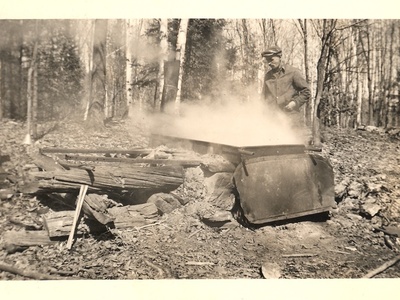
| Maple syrup | Agriculture | Addison, Rutland, Franklin, Chittenden Counties | High-value crop and cultural product, tourism driver |
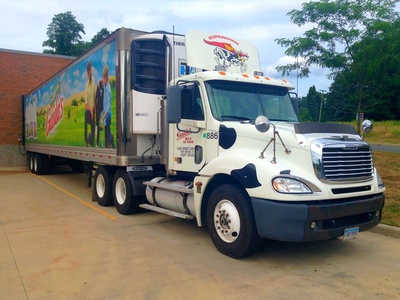
| Dairy (milk) | Agriculture | Addison, Chittenden, Franklin, Rutland | Primary agricultural economy, milk supply for dairy products |
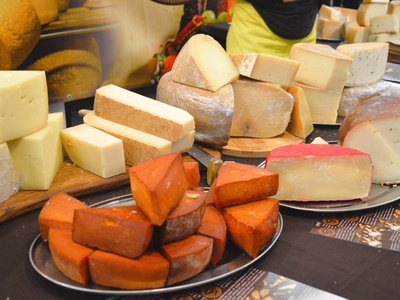
| Cheese | Agriculture | Statewide, concentrated near dairy farms | Value-added dairy product, export and tourism asset |
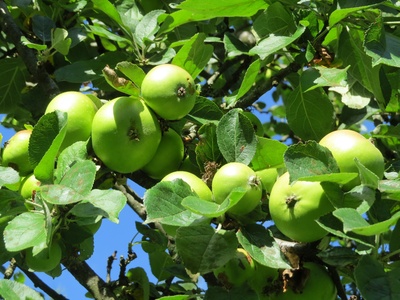
| Apples | Agriculture | Champlain Valley, Addison, Rutland County orchards | Fresh market, cider production, agritourism |
| Hay | Agriculture | Champlain Valley, Northeast Kingdom | Livestock feed, farm income, hay exports |
| Christmas trees | Agriculture | Essex, Orleans, Lamoille, Franklin Counties | Conifer production, seasonal markets, export product |
| Hemp | Agriculture | Windsor, Bennington, Addison County farms | Fiber, CBD/hemp products, emerging market crop |
| Trout (brook trout) | Wildlife | Coldwater streams in Green Mountains and Northeast Kingdom | Recreational fishing, indicator of cold-water health |
| Lake Champlain fisheries | Wildlife | Lake Champlain, Missisquoi Bay shoreline counties | Commercial and recreational fishing, ecosystem complexity |
| White-tailed deer | Wildlife | Statewide, especially agricultural edges | Hunting resource, ecology of browse and habitat alteration |
| Moose | Wildlife | Northeast Kingdom, northern counties | Ecotourism draw, species of conservation concern |
| Black bear | Wildlife | Northern and central forested counties | Hunting, ecosystem function as omnivores and seed dispersers |
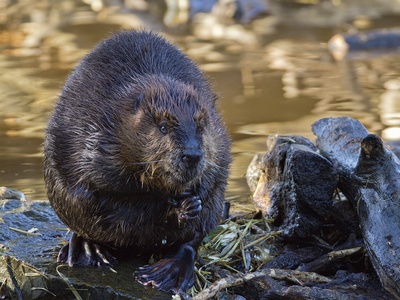
| Beaver | Wildlife | Statewide waterways and riparian zones | Ecosystem engineers creating wetlands and habitat diversity |
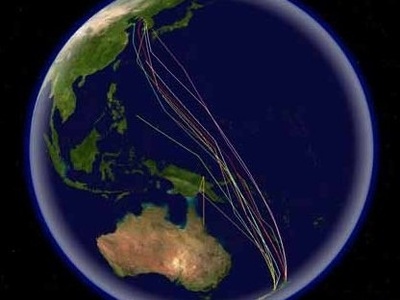
| Migratory waterfowl | Wildlife | Missisquoi Bay, Lake Champlain wetlands, Champlain Valley | Hunting and birdwatching value, wetland health indicator |
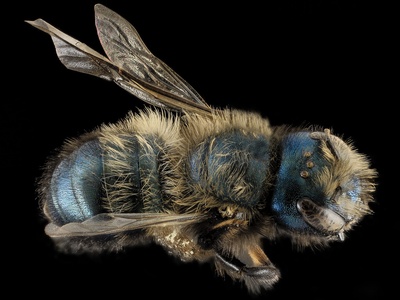
| Pollinators (native bees, butterflies) | Wildlife | Statewide, especially orchards and meadows | Crop pollination and biodiversity support for agriculture and ecosystems |
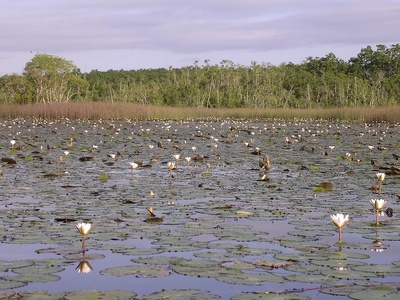
| Freshwater wetlands | Ecosystem | Champlain Basin, Northeast Kingdom, riparian floodplains | Water filtration, flood mitigation, biodiversity hotspots |
| Groundwater and aquifers | Water | Champlain Valley aquifers, local bedrock wells statewide | Drinking water, irrigation, baseflow for streams |
| Rivers and streams (Winooski, Otter Creek, Connecticut River) | Water | Winooski Valley, Otter Creek basin, Connecticut River border | Hydropower, transport, aquatic habitat, recreation |
| Lake Champlain | Water | Northwestern Vermont bordering New York, Franklin and Grand Isle Counties | Regional freshwater resource, tourism, fisheries, transport |
| Hydropower | Energy | Connecticut River, Otter Creek, local river dams | Renewable electricity, local grid support, small industry |
| Wood biomass | Energy | Statewide forestlands, Northeast Kingdom emphasis | Heating fuel, biomass energy, forest-product value stream |
| Wind energy | Energy | Lowell/Sheffield ridges, Green Mountain ridgelines | Utility-scale renewable electricity, rural economic benefits |
| Solar energy | Energy | Rooftops and ground arrays statewide, large farms in Addison County | Distributed electricity generation, farm income diversification |
| Carbon sequestration | Ecosystem | Forested Green Mountains and peatlands statewide | Climate regulation through storage of atmospheric carbon |
| Recreational landscapes and fall foliage | Ecosystem | Route 100, Green Mountains, Champlain Valley | Tourism revenue, cultural value, mental and physical health benefits |
Images and Descriptions
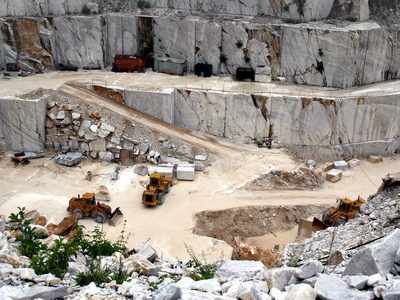
Marble
Vermont marble from the Rutland area is prized for building and sculpture. Quarried from regional marble belts, it supported local towns, contributes to geology education, and remains a valued dimension stone and cultural symbol of Vermont.

Barre granite
Barre granite is a dense, fine-grained stone quarried near Barre. Famous for monuments and stone carving, quarries shaped the local economy and craft traditions. It remains a working stone resource and tourist draw.
Slate
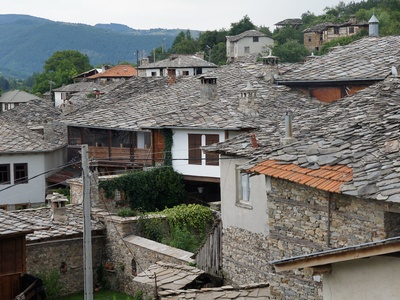
Vermont slate occurs in pockets around Rutland County and was used for roofing, gravestones, and landscaping. Historic quarries persist as part of regional heritage and small-scale supply for restoration and decorative stone.

Limestone
Limestone deposits in the Champlain Valley and surrounding areas supply crushed stone and agricultural lime. It buffers soils, supports construction aggregate, and underpins local lime and cement uses on a small commercial scale.
Sand and gravel
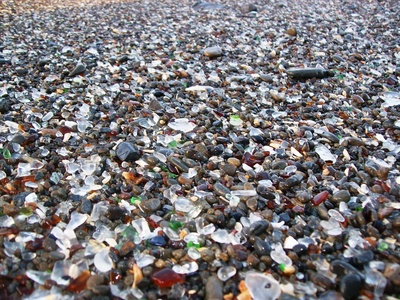
Glacial and fluvial sand and gravel are widespread in river valleys and outwash plains. These aggregates are essential for building roads, foundations, septic systems, and construction projects across Vermont.
Clay
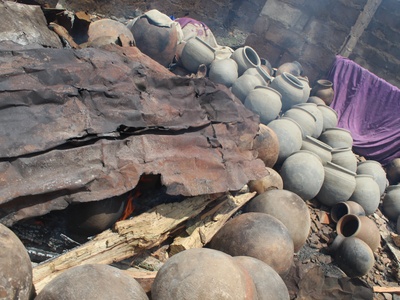
Clay deposits in lowland areas support small-scale pottery, brick-making, and artisan ceramics. Historically used in local manufacturing, clay remains important for craftspeople, construction, and soil amendment in managed sites.
Northern hardwood forests
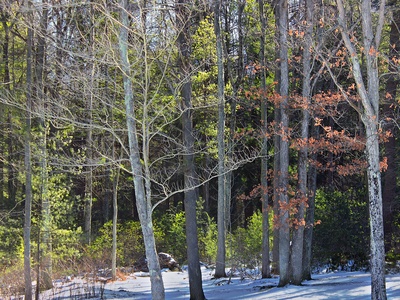
Northern hardwood stands of maple, beech, and birch dominate much of Vermont. They provide high-quality timber, critical wildlife habitat, exceptional fall color that drives tourism, and support carbon storage and watershed protection.
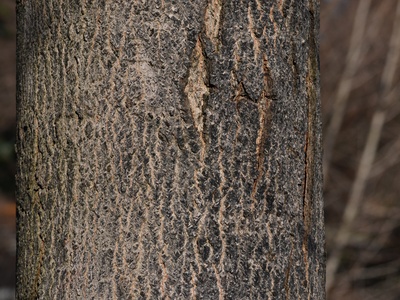
Sugar maple
Sugar maple is abundant across Vermont and is the source tree for maple syrup. It supports a seasonal industry, provides high-value hardwood for lumber, and shapes forest composition and fall color.
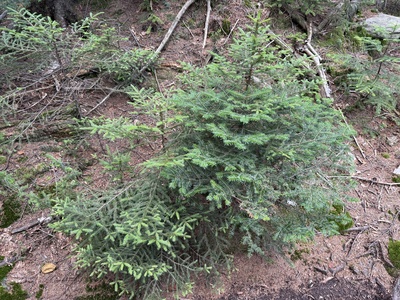
Red spruce–balsam fir forest
High-elevation spruce-fir forests on ridges and peaks support wildlife adapted to cooler climates, supply pulp and specialty wood products, and contribute to watershed protection and scenic mountain landscapes.
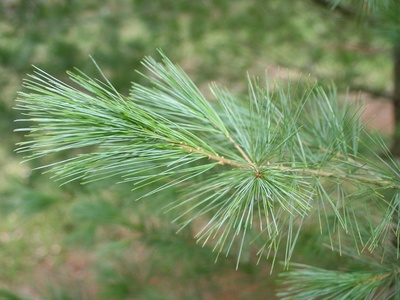
Eastern white pine
Eastern white pine grows on lower slopes and valleys, historically important for ship masts and now for lumber and restoration. It provides wildlife structure, timber products, and iconic Vermont landscapes.
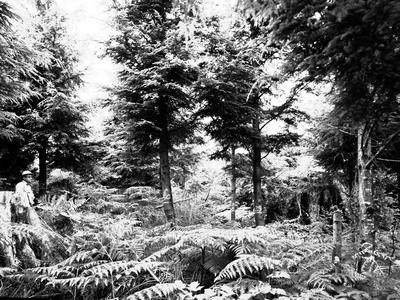
Hemlock stands
Eastern hemlock forms cool, shaded stands that regulate stream temperature and support moisture-loving species. Hemlocks are important for biodiversity and watershed stability but face threats from pests and climate stress.
Maple syrup
Maple syrup is a signature Vermont agricultural product. Sap collection from sugar maples produces syrup, supporting many small producers, agritourism in spring, and significant local economic and cultural identity.
Dairy (milk)
Dairy farming remains Vermont’s largest agricultural sector by value. Pasture and hay support milk production that feeds local cheese makers, processors, and contributes to rural economies and landscape stewardship.
Cheese
Artisan and farmstead cheese production turns Vermont milk into high-value goods. Local cheesemakers support tourism, export markets, and the state’s agricultural identity while adding economic resilience to dairy communities.
Apples
Apple orchards in the Champlain Valley and foothills produce fresh fruit and cider juice. Orchards support fall tourism, local markets, and traditional cider-making, contributing to diversified farm incomes.
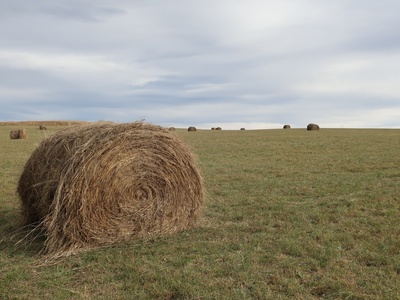
Hay
Hay production sustains Vermont’s dairy and livestock sectors, with fertile valleys supplying large yields. Hay is essential feed, a traded agricultural commodity, and a landscape-defining product in rural counties.
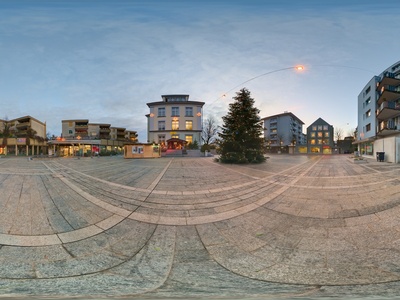
Christmas trees
Christmas tree farms grow firs and pines for domestic and export markets. This specialty crop supports rural incomes, provides habitat on working lands, and links to seasonal tourism and traditions.
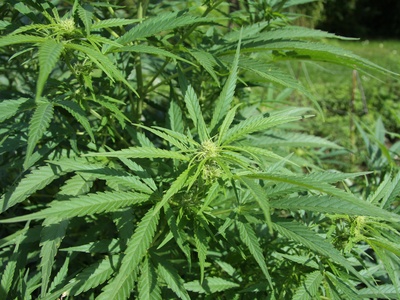
Hemp
Hemp cultivation is growing in Vermont for fiber, seed, and CBD products. Farmers diversify incomes with regulated hemp production, which supports local processing and niche market development.
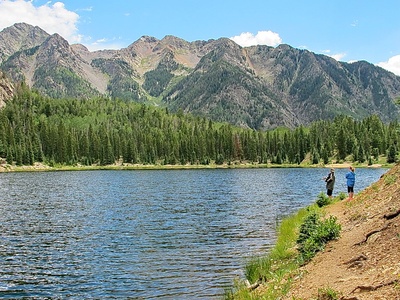
Trout (brook trout)
Brook trout are native coldwater fish in headwater streams and upland rivers. They are prized by anglers, indicate stream quality, and require cold, clean water to persist.
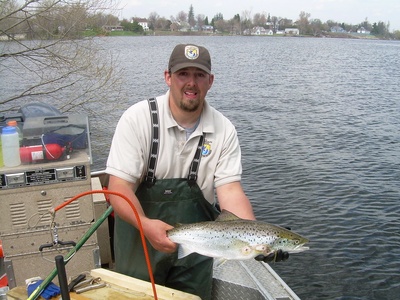
Lake Champlain fisheries
Lake Champlain supports diverse fisheries including landlocked salmon, lake trout, bass, and perch. The lake provides commercial and recreational harvest, tourism draw, and complex aquatic ecosystems.
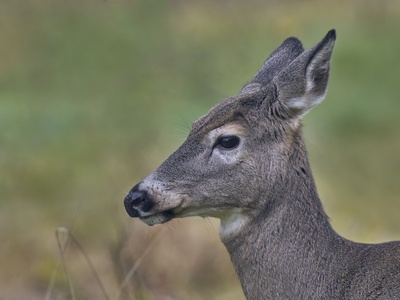
White-tailed deer
White-tailed deer are widespread across Vermont, supporting hunting traditions and local food systems. They influence forest regeneration through browsing and play a major role in wildlife management.
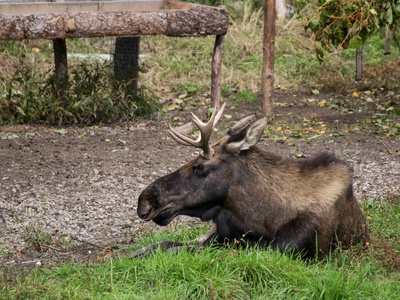
Moose
Moose occur in northern Vermont and are a significant wildlife attraction. Populations are limited and sensitive to habitat, ticks, and climate, making them a focus for conservation and monitoring.
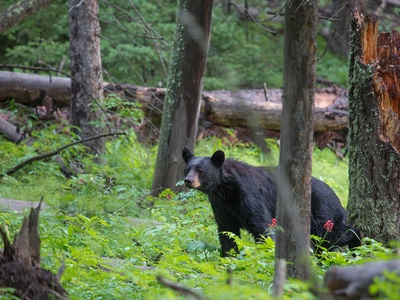
Black bear
Black bears inhabit Vermont’s forests, contribute to ecological processes like seed dispersal, and are managed for sustainable hunting. Human–bear interactions require careful coexistence measures.
Beaver
Beavers modify streams and create ponds that increase wetland habitat, support biodiversity, and affect local hydrology. Their dams can both benefit wildlife and require management near infrastructure.
Migratory waterfowl
Seasonal flocks of ducks and geese use Vermont’s wetlands and lake shorelines for staging and wintering. They support recreation, biodiversity, and signal wetland ecosystem condition.
Pollinators (native bees, butterflies)
Native bees and butterflies pollinate crops and wild plants across Vermont. They underpin fruit and forage production, maintain plant diversity, and benefit from habitat-friendly farming and conservation.
Freshwater wetlands
Wetlands in marshes, river floodplains, and lake edges filter pollutants, store floodwaters, and support diverse plants and animals. They are critical for water quality, carbon storage, and resilience to climate extremes.
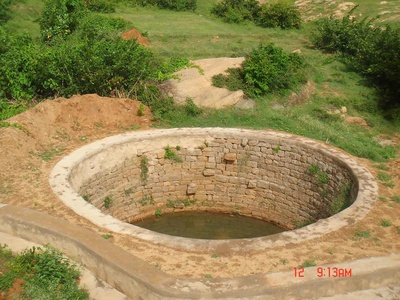
Groundwater and aquifers
Vermont’s groundwater in unconsolidated deposits and bedrock wells supplies household and agricultural water. Aquifers maintain streamflow during dry periods and are essential for rural communities and ecosystems.
Rivers and streams (Winooski, Otter Creek, Connecticut River)
Major rivers and countless streams provide hydropower sites, freshwater habitat, canoeing and fishing opportunities, and shape valley soils and human settlement patterns across Vermont.
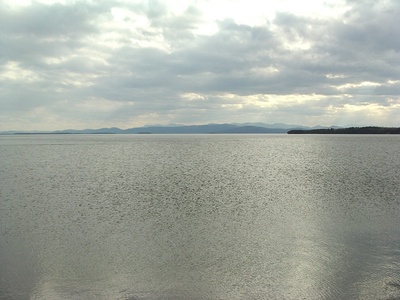
Lake Champlain
Lake Champlain is a large freshwater lake shared with New York and Quebec. It supports fisheries, shipping, recreation, and cultural values, while facing water-quality and invasive species challenges.
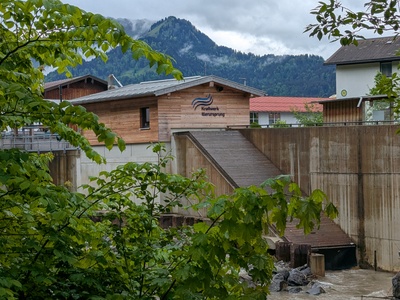
Hydropower
Hydropower from rivers and dams provides a portion of Vermont’s renewable electricity. Small and medium dams supply local power, support historic mill sites, and contribute to regional energy portfolios.
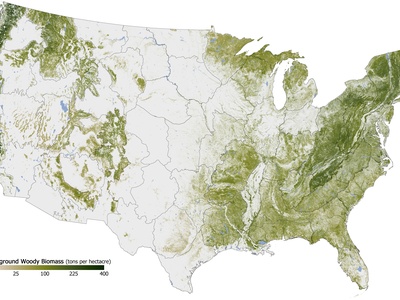
Wood biomass
Wood from Vermont forests fuels residential heating, wood products, and biomass energy. Sustainable forest management balances fuel supply, carbon dynamics, and habitat preservation for long-term benefits.
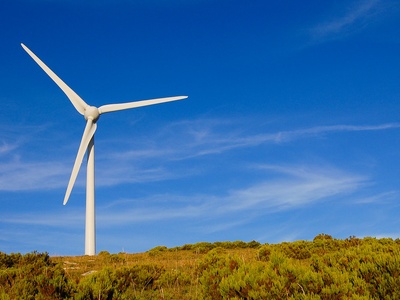
Wind energy
Wind farms on high ridges supply utility-scale renewable power and revenue for host towns. Wind development is sited where ridgelines offer consistent winds, balancing energy goals and environmental concerns.
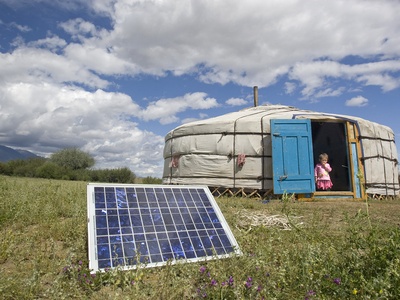
Solar energy
Solar installations on rooftops and open land provide distributed clean power, reduce emissions, and offer lease income for farmers and communities as part of Vermont’s renewable transition.
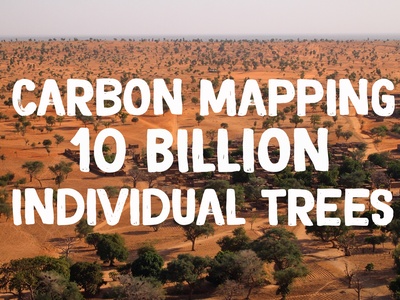
Carbon sequestration
Vermont’s forests and wetlands sequester and store carbon, helping mitigate climate change. Protecting mature forests and restoring peatlands enhances long-term carbon sinks and ecosystem health.
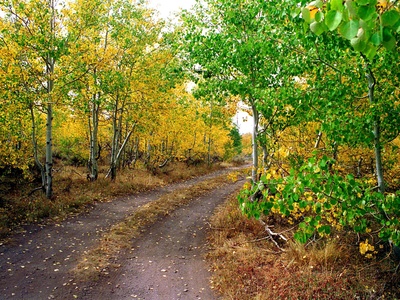
Recreational landscapes and fall foliage
Vermont’s scenic forests, mountains, and fall color drive tourism and cultural identity. These landscapes provide outdoor recreation, local economic activity, and intangible benefits tied to quality of life.