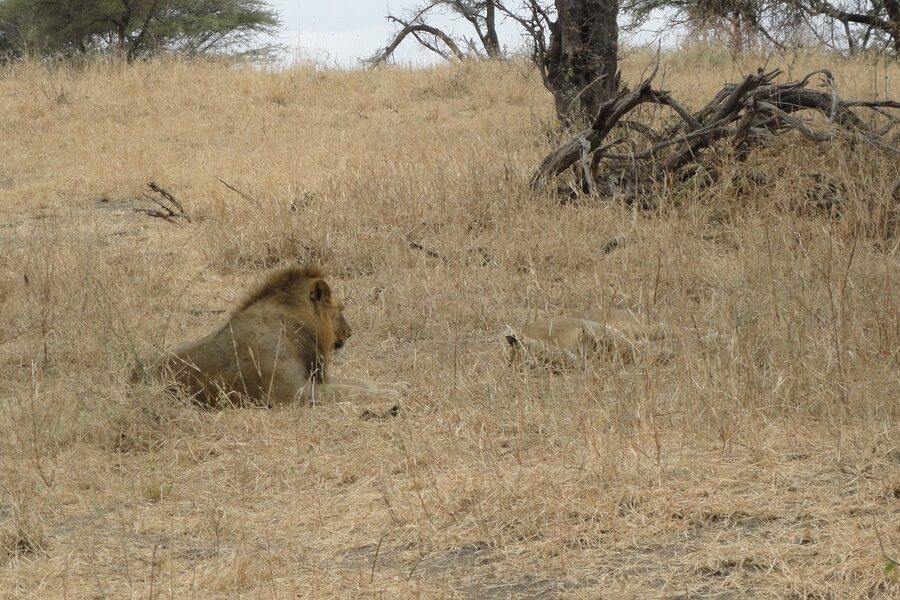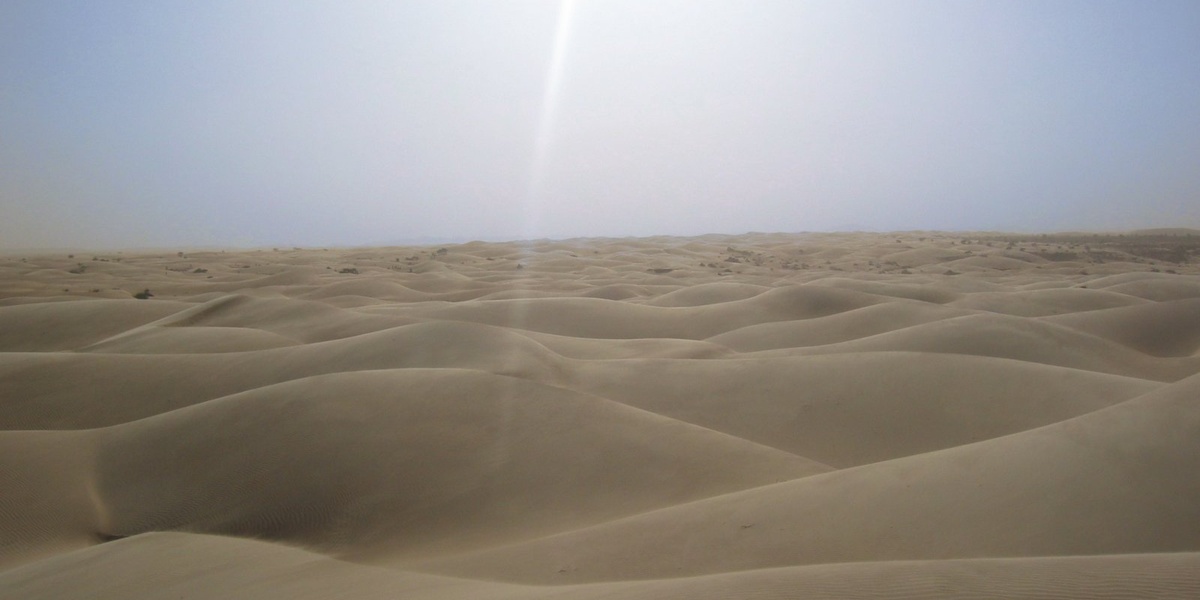
Deserts cover a surprising range of climates and landscapes — from wind-swept dunes and gravel plains to cold, dry ice expanses. Understanding them means looking at climate, soil and the plants and animals adapted to scarce water, which together define each biome’s character.
There are 40 Desert Biomes, ranging from Antarctic Desert to Ténéré. For each entry you’ll find below the data organized as Type,Location,Area (km2), so you can quickly compare biome category, geographic setting and size before diving into individual profiles.
How were the 40 deserts chosen for this list?
The selection uses established biome and ecoregion sources, focusing on distinct climatic and ecological characteristics rather than informal names; entries include polar, hot and cold deserts with clear geographic boundaries to keep comparisons consistent.
How can I use the Type,Location,Area (km2) columns to learn more?
Sort or scan those columns to spot patterns—large versus small deserts, regional clusters, or types (e.g., cold vs. arid hot)—and use the area figures to prioritize deeper research, mapping, or travel planning based on scale and location.
Desert Biomes
| Name | Type | Location | Area (km2) |
|---|---|---|---|
| Sahara | hot | Africa (Algeria, Libya, Egypt, Morocco, others) | 9,200,000 |
| Arabian Desert | hot | Asia (Saudi Arabia, Oman, UAE, Yemen, others) | 2,330,000 |
| Rub’ al Khali (Empty Quarter) | hot | Asia (Saudi Arabia, Oman, UAE, Yemen) | 650,000 |
| Gobi Desert | cold | Asia (Mongolia, China) | 1,295,000 |
| Taklamakan Desert | cold | Asia (China, Xinjiang) | 337,000 |
| Thar Desert | hot | Asia (India, Pakistan) | 200,000 |
| Kyzylkum Desert | hot | Asia (Uzbekistan, Kazakhstan, Turkmenistan) | 298,000 |
| Karakum Desert | hot | Asia (Turkmenistan) | 350,000 |
| Dasht-e Kavir | hot | Asia (Iran) | 78,000 |
| Dasht-e Lut | hot | Asia (Iran) | 52,000 |
| Syrian Desert | hot | Asia (Syria, Jordan, Iraq, Saudi Arabia) | 520,000 |
| Negev Desert | hot | Asia (Israel) | 12,000 |
| Sinai Desert | hot | Africa/Asia (Egypt, Sinai Peninsula) | 60,000 |
| Atacama Desert | coastal | South America (Chile, Peru) | 105,000 |
| Patagonian Desert | cold | South America (Argentina) | 673,000 |
| Kalahari Desert | hot | Africa (Botswana, Namibia, South Africa) | 930,000 |
| Namib Desert | coastal | Africa (Namibia, Angola) | 81,000 |
| Great Victoria Desert | hot | Australia (Western Australia, South Australia) | 349,000 |
| Great Sandy Desert | hot | Australia | 285,000 |
| Simpson Desert | hot | Australia | 176,500 |
| Gibson Desert | hot | Australia | 155,000 |
| Tanami Desert | hot | Australia | 184,500 |
| Great Basin Desert | cold | North America (USA) | 492,000 |
| Mojave Desert | hot | North America (USA) | 124,000 |
| Sonoran Desert | hot | North America (USA, Mexico) | 311,000 |
| Chihuahuan Desert | hot | North America (Mexico, USA) | 362,000 |
| Sechura Desert | coastal | South America (Peru) | 40,000 |
| Antarctic Desert | polar | Antarctica | 14,000,000 |
| Arctic Desert | polar | Arctic region (Canada, Russia, Greenland, others) | 5,400,000 |
| McMurdo Dry Valleys | polar | Antarctica (Transantarctic Mountains) | 4,800 |
| Gurbantünggüt Desert | cold | Asia (China, Xinjiang) | 50,000 |
| Kumtag Desert | hot | Asia (China) | 40,000 |
| Lop Desert | hot | Asia (China) | 50,000 |
| Colorado Desert | hot | North America (USA, California) | 25,000 |
| Baja California Desert | coastal | North America (Mexico) | 77,000 |
| Libyan Desert | hot | Africa (Libya, Egypt, Sudan) | 1,300,000 |
| Nubian Desert | hot | Africa (Egypt, Sudan) | 400,000 |
| Ténéré | hot | Africa (Niger, Algeria) | 400,000 |
| Danakil Desert | hot | Africa (Ethiopia, Eritrea) | 100,000 |
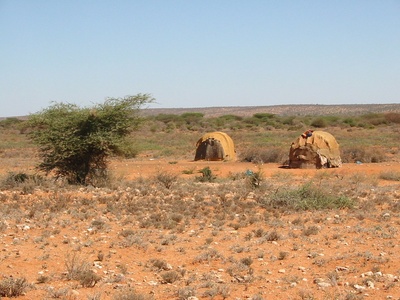
| Somali Desert | hot | Africa (Horn of Africa: Somalia, Ethiopia, Djibouti) | 650,000 |
Images and Descriptions

Sahara
World’s largest hot desert with often under 100 mm annual rainfall; vast dunes, rocky plateaus and oases. Hosts dromedary camels, fennec foxes and acacias. Main threats: climate change, overgrazing, water extraction and political instability.
Arabian Desert
Expansive sandy and stony desert receiving <100–200 mm yearly. Notable species include Arabian oryx and sand vipers. Pressures come from oil development, groundwater depletion and grazing.
Rub’ al Khali (Empty Quarter)
One of the largest continuous sand seas, extremely arid with scant rainfall (<50 mm). Sparse fauna like sand foxes and beetles survive near rare oases. Threats: hydrocarbon extraction, groundwater mining and warming climate.
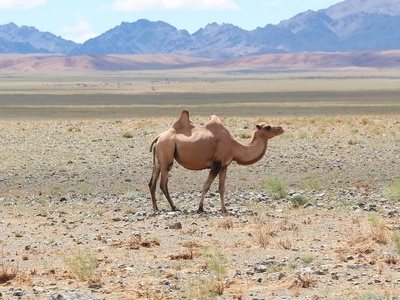
Gobi Desert
Cold desert with large temperature swings, low precipitation (~50–200 mm). Supports Bactrian camels, snow leopards in fringes and saxaul shrubs. Threats: mining, desertification and livestock overuse.
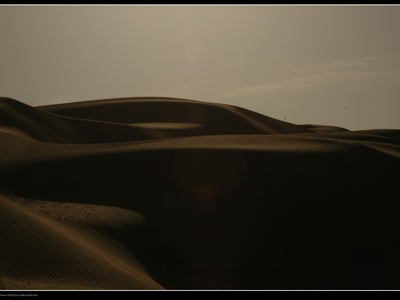
Taklamakan Desert
Large inland dune and gravel desert with very low rainfall (<50 mm) and extreme continental temperatures. Home to hardy shrubs, wild camels and migratory birds at oases. Threats: irrigation projects, mining and climate stress.
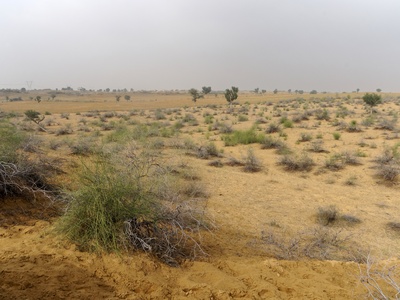
Thar Desert
Hot, sandy plain with seasonal rainfall around 100–500 mm; supports xerophytic shrubs, desert foxes and nomadic pastoralism. Key threats: overgrazing, water scarcity and agricultural expansion.
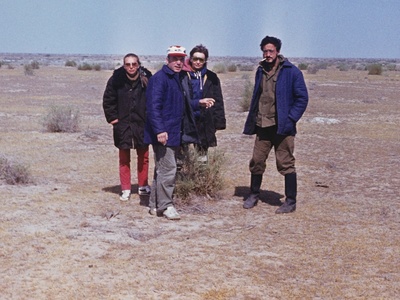
Kyzylkum Desert
Central Asian arid region with 100–200 mm rainfall, salt pans and sand dunes. Hosts saxaul, goitered gazelles and reptiles. Threats include irrigation diversion, mining and overgrazing.
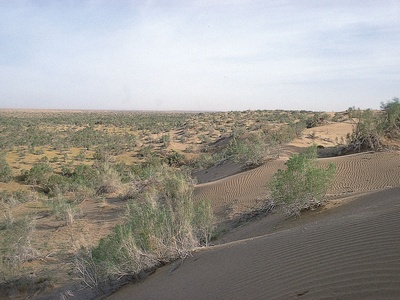
Karakum Desert
Sandy and stony desert averaging under 150 mm annual rainfall with sparse vegetation. Home to gazelles, reptiles and drought-resistant plants. Threats: water diversion, agriculture expansion and resource extraction.
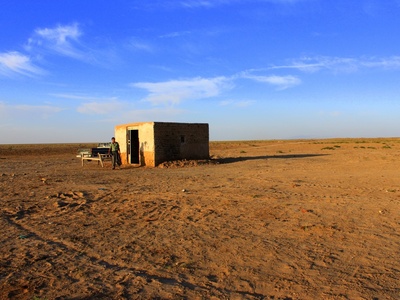
Dasht-e Kavir
Also called the Great Salt Desert, very arid with saline flats and <100 mm rainfall. Sparse shrubs and reptiles persist; local rodents and carnivores appear near water. Threats: groundwater withdrawal, salt extraction and climate change.
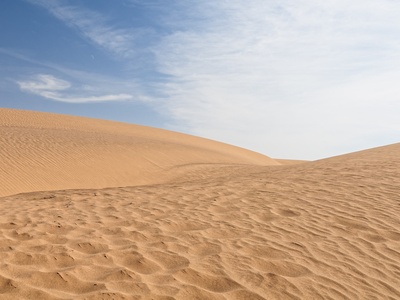
Dasht-e Lut
Hyper-arid, wind-sculpted desert famous for record surface temperatures and minimal rainfall (<25 mm). Minimal vegetation, specialized insects and lizards. Threats: climate extremes, off-road disturbance and limited water resources.
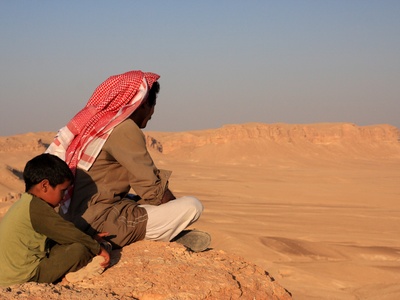
Syrian Desert
Vast stony and sandy desert with low rainfall (under 200 mm) and seasonal wadis. Supports gazelles, foxes and hardy shrubs. Threats: conflict, overgrazing and oil exploitation.
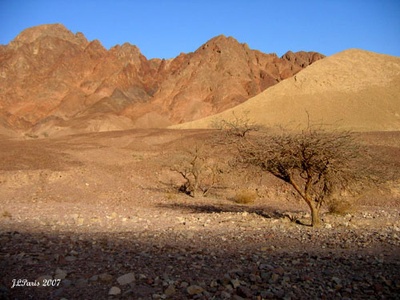
Negev Desert
Rocky and volcanic desert receiving 50–200 mm rainfall; supports date palms, Nubian ibex and specialized plants. Key threats: urban expansion, tourism pressure and water demand.

Sinai Desert
Mountainous and coastal desert with low rainfall and wadis; hosts Nubian ibex, acacias and unique endemic plants. Threats include tourism development, mining and grazing pressure.
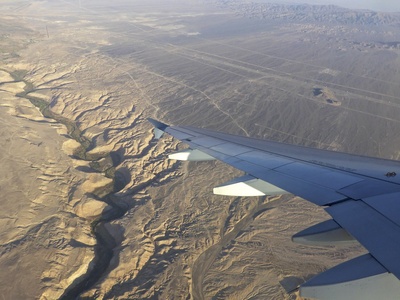
Atacama Desert
One of the driest places on Earth with areas receiving near-zero precipitation; coastal fog (camanchaca) sustains lichens and specialized plants. Notable threats: mining, nitrate extraction and water scarcity.
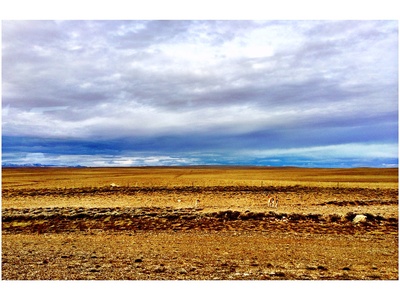
Patagonian Desert
Cold, windy rain-shadow desert with 100–200 mm rainfall and shrubby vegetation. Hosts guanacos, rheas and pumas. Threats: overgrazing, invasive species and fossil fuel exploration.
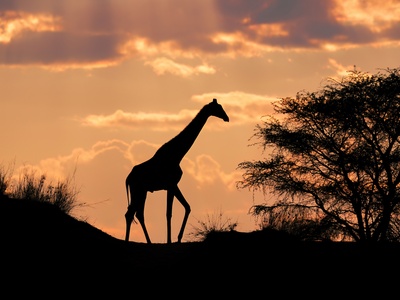
Kalahari Desert
Semi-arid sandy plain with 150–500 mm rainfall in parts; supports meerkats, gemsbok, acacias and seasonal grasses. Threats: land conversion, water extraction and climate variability.
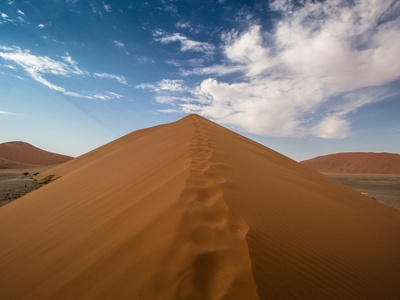
Namib Desert
Ancient coastal desert with fog-driven moisture, very low rainfall. Home to endemic welwitschia, dune-adapted beetles and the oryx. Threats: mining, coastal development and climate change reducing fog.
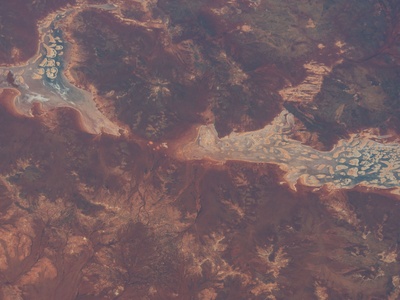
Great Victoria Desert
Sandy and spinifex-covered desert with 150–250 mm rainfall; supports marsupials, reptiles and unique wildflowers after rains. Threats include mining, introduced predators and altered fire regimes.
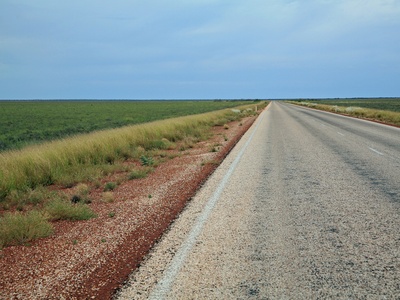
Great Sandy Desert
Large Australian desert of dunes and shrubland with low seasonal rainfall (100–250 mm). Habitat for dingoes, camels and spinifex communities. Threats: feral animals, mining and altered fire cycles.
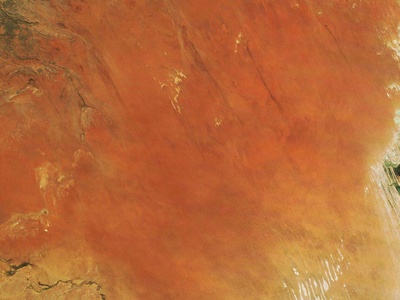
Simpson Desert
Famous linear red sand dunes and low rainfall (<200 mm). Supports desert lizards, small marsupials and hardy shrubs. Threats: off-road recreation, invasive species and pastoral impacts.
Gibson Desert
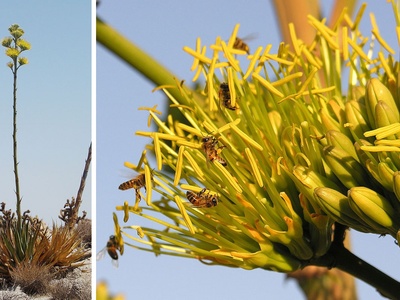
Stony plains and sand dunes with sparse vegetation and 100–250 mm annual rainfall. Home to wallabies, reptiles and Aboriginal cultural sites. Threats: grazing impacts, invasive species and mining.
Tanami Desert
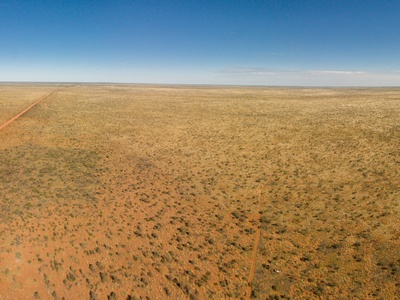
Vegetated sandplain and spinifex desert with modest rainfall (150–300 mm) and seasonal wetlands. Hosts endangered bilby, feral camels and rich Aboriginal biodiversity. Threats: mining, feral predators and altered burning practices.

Great Basin Desert
Cold, high-elevation desert with 100–300 mm precipitation, salt flats and sagebrush steppe. Home to pronghorn, sage-grouse and pinyon-juniper woodlands. Threats: invasive grasses, water diversion and habitat loss.
Mojave Desert
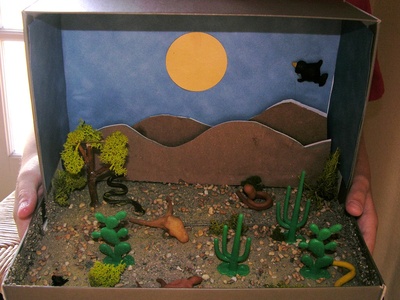
High-elevation desert with 50–250 mm rainfall; iconic Joshua trees, bighorn sheep and creosote scrub. Threats: urban sprawl, renewable energy development and invasive species.
Sonoran Desert
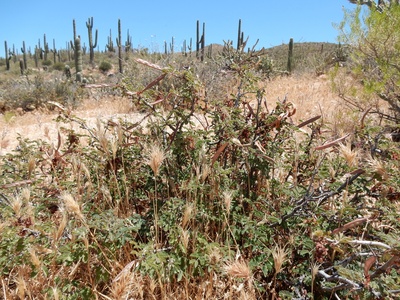
Hot desert with bimodal rainfall (100–400 mm) and high biodiversity; hosts saguaro cactus, coyotes and many pollinators. Threats: urbanization, groundwater pumping and agriculture.
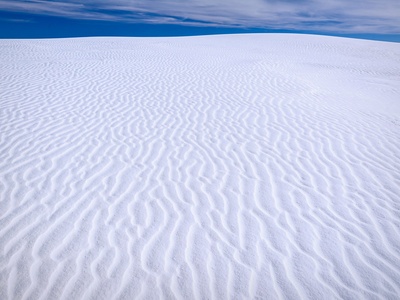
Chihuahuan Desert
Largest North American desert with 100–300 mm rainfall, gypsum basins and grass-forb communities. Home to kit foxes, agaves and cacti. Threats: grazing, mining and water extraction.
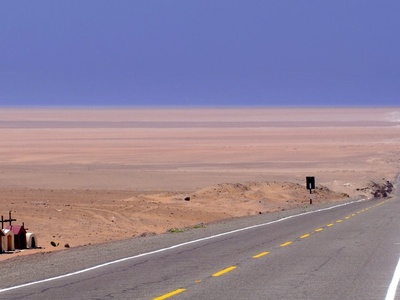
Sechura Desert
Coastal desert with very low rainfall but seasonal fog; supports hardy shrubs, reptiles and unique birdlife. Threats include groundwater extraction, coastal development and mining.
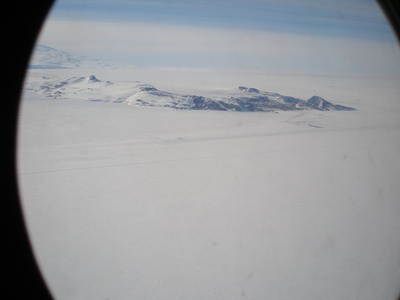
Antarctic Desert
Earth’s largest polar desert with extremely low precipitation (<50 mm in interior) and ice-covered terrain. Life is mostly microbial, penguins and seals on coasts. Threats: climate warming, ice melt and increasing human activity.
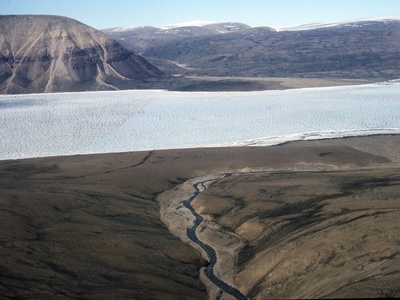
Arctic Desert
Northern polar desert with low precipitation and permafrost, tundra fringes host migratory birds, polar bears and seals. Threats: rapid warming, sea-ice loss and resource development.
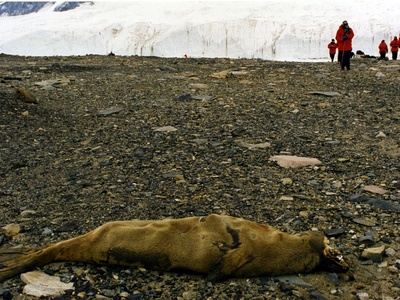
McMurdo Dry Valleys
Ice-free polar desert with virtually no precipitation and exposed rock soils; microbial mats and extremophile communities dominate. Threats: climate change, human contamination and research footprint.
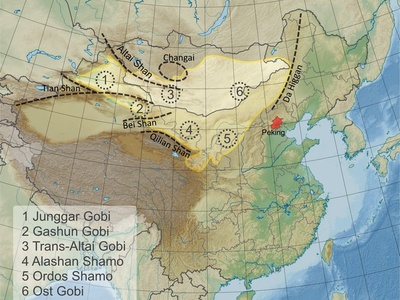
Gurbantünggüt Desert
Central Asian desert with dunes and gravel plains, low rainfall (under 150 mm) and saxaul vegetation. Wildlife includes wild camels and raptors. Threats: irrigation, mining and desertification.
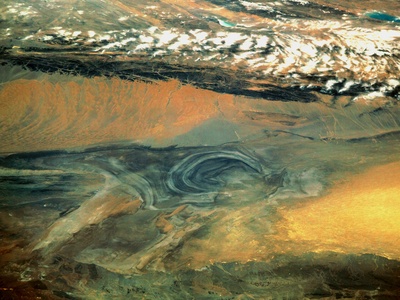
Kumtag Desert
Adjacent to Taklamakan with shifting dunes and sparse shrubs, very low rainfall and high temperatures. Hosts specialized plants and reptiles. Threats include overgrazing, road building and mining.
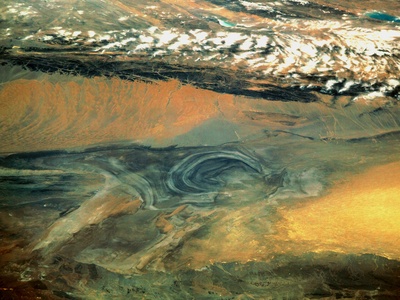
Lop Desert
Arid, salt-flat and basin region with minimal precipitation and extreme heat; sparse plant life and migratory birds at oases. Threats: water diversion, infrastructure and climate variability.

Colorado Desert
Low-elevation Sonoran sub-desert with 50–150 mm rainfall; home to desert bighorn, ocotillo and unique riparian habitats. Threats: agriculture, urbanization and groundwater pumping.
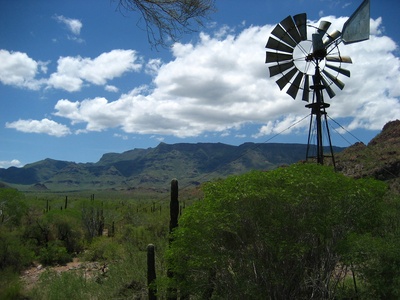
Baja California Desert
Coastal and inland desert on the peninsula with low rainfall and high endemism in plants and reptiles. Threats: tourism development, water use and invasive species.
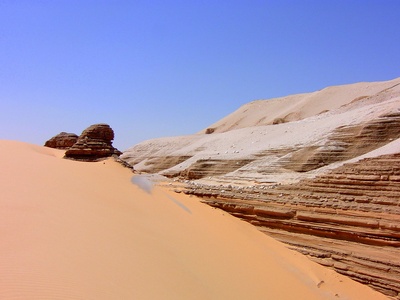
Libyan Desert
Part of the central Sahara with hyper-arid conditions and huge sand seas; very sparse life aside from nomadic use and oasis communities. Threats: climate extremes, resource extraction and archaeological site damage.
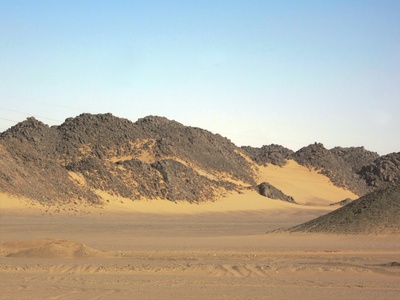
Nubian Desert
Eastern Sahara region with low rainfall and rocky plateaus; supports acacias, desert-adapted mammals and migratory birds at Nile fringes. Threats: water projects, mining and habitat loss.

Ténéré
Sandy and gravel desert within the Sahara with minimal rainfall and iconic dunes; few settlements, adapted reptiles and hardy shrubs. Threats include climate variability, off-road disturbance and fuel exploration.
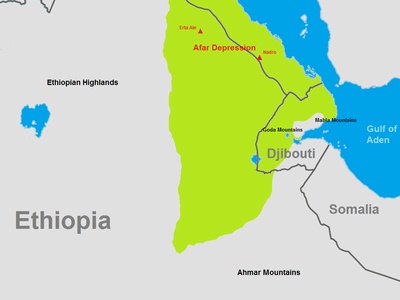
Danakil Desert
One of the hottest, lowest and most saline deserts with near-zero rainfall, salt flats and hydrothermal features. Microbial life and specialized invertebrates survive; threats are mining and geothermal development.
Somali Desert
Arid to semi-arid region with under 200 mm rainfall in many parts; thorn scrub, camels and pastoralist cultures dominate. Threats: overgrazing, drought cycles and conflict-driven land pressures.