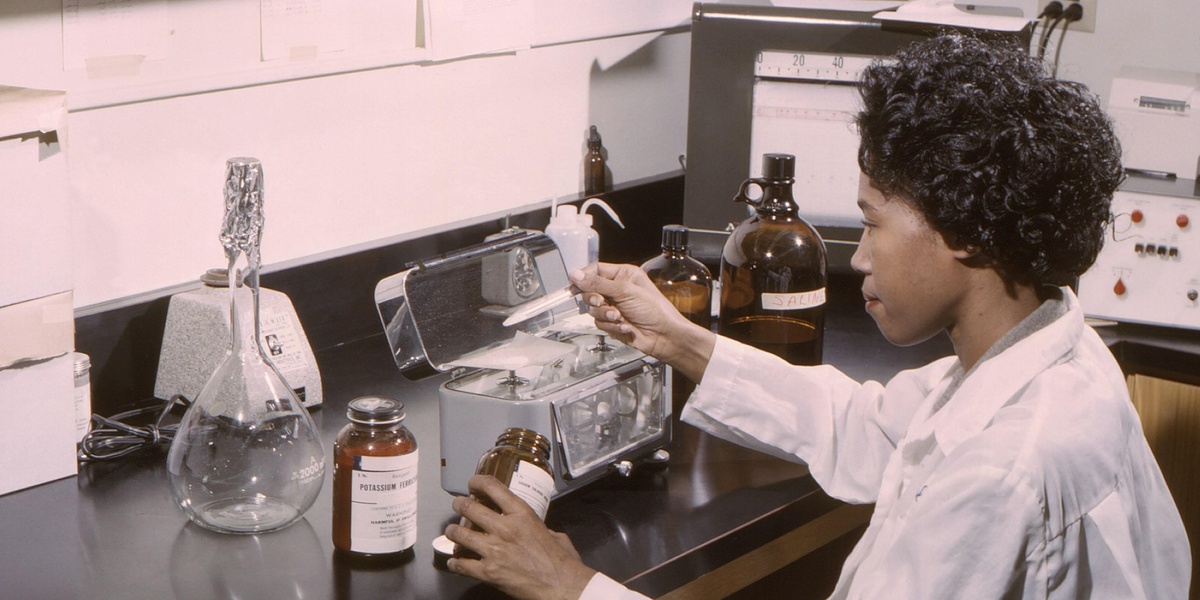
Mexico’s scientific story stretches from premodern traditions to cutting-edge labs, shaped by universities, observatories and fieldwork across the country. That mix of local knowledge and global collaboration helps explain why Mexican-born researchers appear in diverse fields and eras.
There are 11 Scientists born in Mexico, ranging from Alfonso Luis Herrera to Mario Molina. Data are presented with Field,Birthplace and year,Notable contribution so you’ll find below.
How were these scientists chosen?
The list focuses on people born in Mexico who made notable scientific contributions, drawing on historical records, institutional biographies and widely cited achievements; it isn’t exhaustive but highlights figures across different periods and disciplines so you get a broad, verifiable snapshot.
Can I reuse the list for research or teaching?
Yes—feel free to use it as a starting point, but verify details from original sources (papers, university profiles, biographies) and cite accordingly; for classroom use, pair the list with primary references to give students context and further reading.
Scientists Born in Mexico
| Common short name used in English | Field | Birthplace and year | Notable contribution |
|---|---|---|---|
| Mario Molina | Chemistry | Mexico City, Mexico, 1943 | Demonstrated CFC-driven ozone depletion; Nobel Prize 1995 |
| Luis Miramontes | Organic chemistry | Tepic, Nayarit, Mexico, 1925 | Co-synthesized norethisterone; enabled first oral contraceptive |
| Guillermo Haro | Astronomy | Guadalajara, Jalisco, Mexico, 1913 | Pioneering observational astronomer; discovered emission-line objects |
| Manuel Sandoval Vallarta | Physics | Mexico City, Mexico, 1899 | Contributions to cosmic rays and relativistic quantum theory |
| Arturo Rosenblueth | Physiology and cybernetics | Mexico City, Mexico, 1900 | Pioneer in physiological control and cybernetics; collaborator of Norbert Wiener |
| José Antonio Alzate | Natural history and scientific publishing | Ozumba, State of Mexico, Mexico, 1737 | Early Mexican naturalist and popular scientific author |
| Alfonso Luis Herrera | Biology (origin-of-life research) | Mexico City, Mexico, 1868 | Pioneer of experimental “plasmogeny” studies on life’s origins |
| Julieta Fierro | Astrophysics and science communication | Mexico City, Mexico, 1948 | Research on interstellar medium; prolific science communicator |
| Manuel Peimbert | Astronomy | Mexico City, Mexico, 1941 | Studies of chemical abundances in nebulae; leadership in astronomy |
| Enrique Beltrán | Biology and conservation | Mexico City, Mexico, 1903 | Pioneering conservation biologist and protected-area advocate |
| Esther Orozco | Microbiology and molecular parasitology | Mexico City, Mexico, 1945 | Research on Entamoeba histolytica pathogenesis and genetics |
Images and Descriptions

Mario Molina
Mario J. Molina was a Mexican chemist whose landmark research showed how chlorofluorocarbons destroy stratospheric ozone, shaping the Montreal Protocol. He combined laboratory science, policy engagement, and public outreach to protect the atmosphere and train future atmospheric chemists.
Luis Miramontes
Luis Miramontes was a Mexican organic chemist best known for the 1951 synthesis of norethisterone, a key step in creating the first oral contraceptive. His work influenced reproductive health, industrial chemistry, and Mexico’s scientific training in organic synthesis.
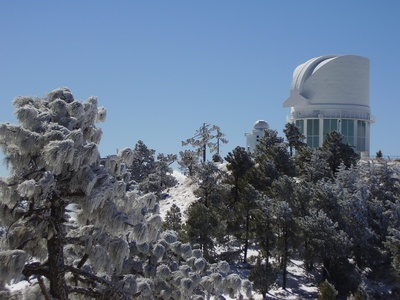
Guillermo Haro
Guillermo Haro was a pioneering Mexican observational astronomer who discovered numerous emission-line stars, nebulae, and transient objects. He helped build Mexican astronomical infrastructure, led observatory projects, and mentored generations of astronomers across Latin America.
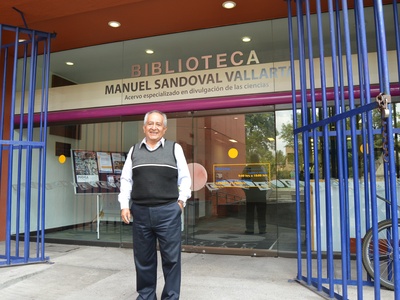
Manuel Sandoval Vallarta
Manuel Sandoval Vallarta was a Mexican physicist who made important theoretical and experimental contributions to cosmic-ray physics and relativistic quantum mechanics. He collaborated internationally, promoted physics education in Mexico, and held leadership roles fostering scientific institutions.
Arturo Rosenblueth
Arturo Rosenblueth was a Mexican physiologist and early cybernetician whose work on feedback and control in biological systems influenced cybernetics and systems theory. He bridged physiology, experimental research, and interdisciplinary theory-building in mid-20th-century science.
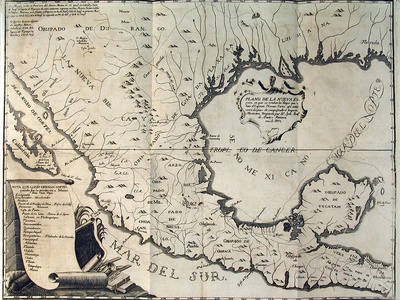
José Antonio Alzate
José Antonio Alzate y Ramírez was an 18th-century Mexican naturalist, polymath, and publisher who recorded observations in meteorology, botany, and physics. He helped circulate scientific knowledge in New Spain through journals and practical studies for local scholars and administrators.
Alfonso Luis Herrera
Alfonso Luis Herrera was a Mexican biologist who pursued experimental approaches to the origin of life, promoting “plasmogeny” and founding laboratories for biological research. His innovative, speculative experiments influenced early 20th-century discussions on abiogenesis in Mexico.
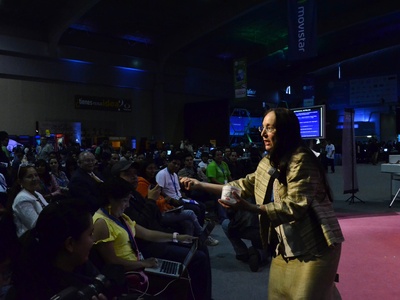
Julieta Fierro
Julieta Fierro is a Mexican astrophysicist and prominent science communicator known for research on the interstellar medium and for bringing astronomy to broad audiences through books, lectures, and media. She has inspired public interest in science across Mexico.
Manuel Peimbert
Manuel Peimbert is a Mexican astronomer noted for precise measurements of chemical abundances in planetary nebulae and H II regions. He has played leadership roles in Mexican astronomy, mentoring researchers and strengthening observational programs.
Enrique Beltrán
Enrique Beltrán was a Mexican biologist and conservation pioneer who promoted wildlife protection and helped develop policies for protected areas. He combined field research with public service to advance conservation science and environmental stewardship in Mexico.
Esther Orozco
Esther Orozco is a Mexican molecular parasitologist whose research on Entamoeba histolytica advanced understanding of amoebic disease mechanisms. She has led research institutes, mentored scientists, and advocated for scientific capacity and public health in Mexico.