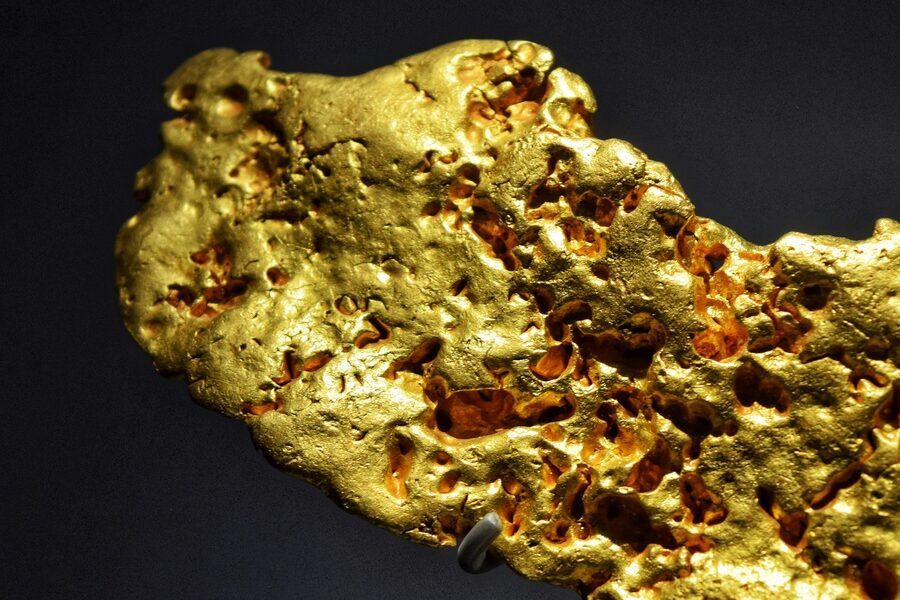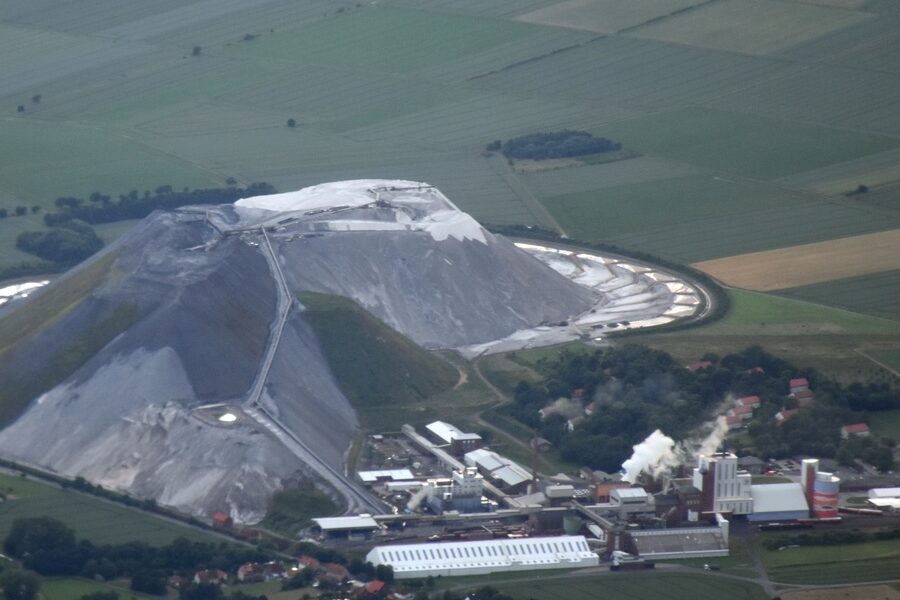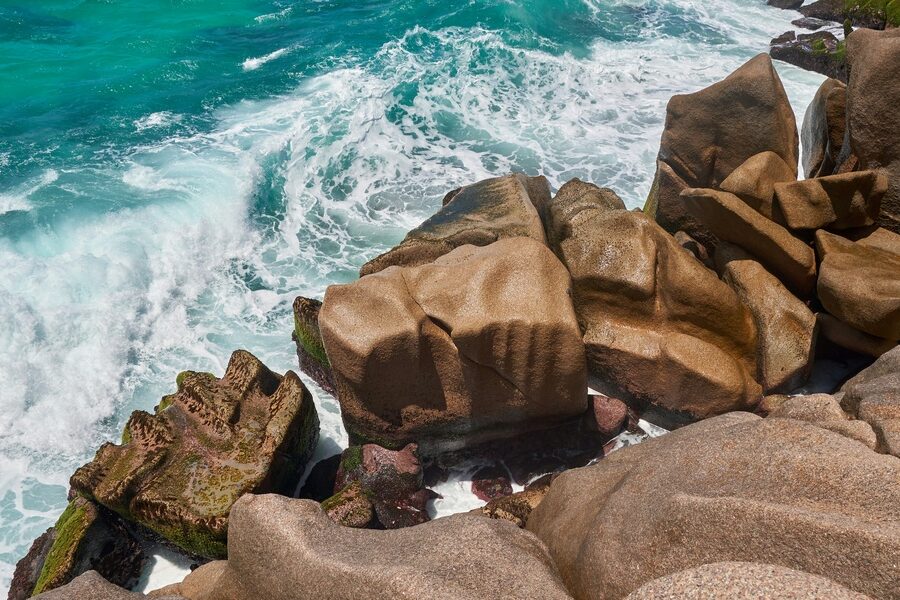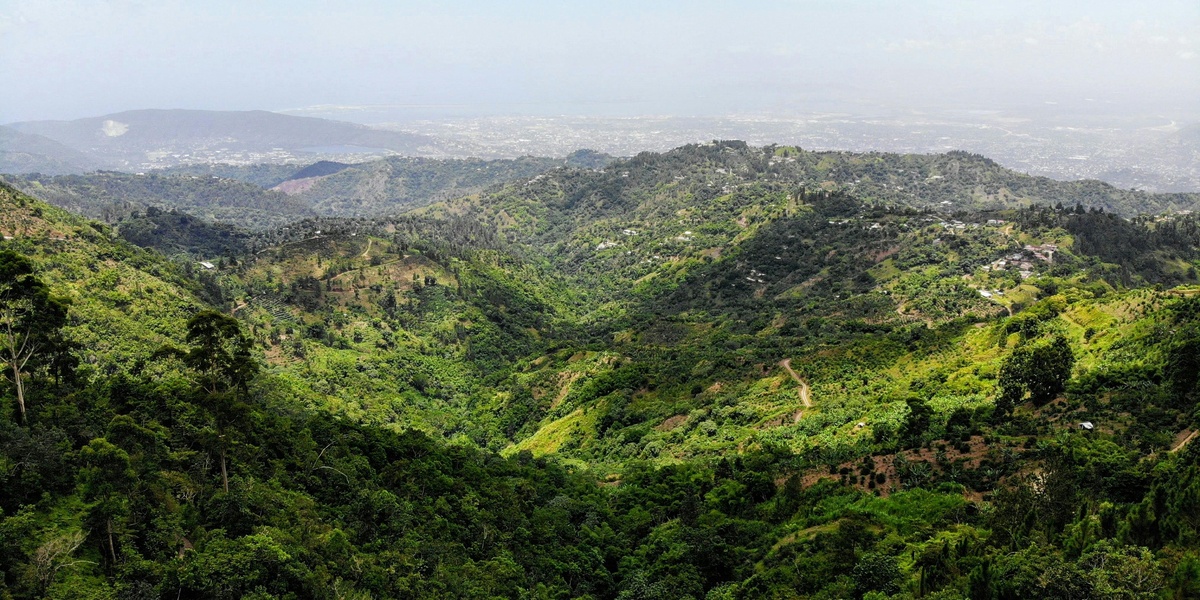
Jamaica’s geology shapes everything from its dramatic limestone cliffs to the sandy beaches that fringe the island. Whether you’re curious about natural history, construction resources, or export industries, the island’s mineral mix tells a lot about local landscapes and livelihoods.
There are 10 Minerals in Jamaica, ranging from Aragonite to Sand and Gravel. For each entry the information is organized under Category,Main localities,Main uses so you can quickly see what each mineral is, where it’s found and how it’s used — you’ll find below.
Which Jamaican minerals matter most to the local economy?
Bauxite (alumina) is the single biggest mineral export historically, with limestone and gypsum important for local industry (cement, construction) and sand and gravel used in building and infrastructure. Smaller resources like aragonite have niche uses (ornamental stone, calcium carbonate products). Knowing a mineral’s main uses and localities helps gauge economic importance.
How should I use the table to plan a visit or research trip?
Use the Category,Main localities,Main uses columns to identify likely field sites and relevant industries, then contact local authorities or landowners for access and permits. Check environmental and safety regulations before sampling, and pair the list with maps and recent local reports for the best results.
Minerals in Jamaica
| Name | Category | Main localities | Main uses |
|---|---|---|---|
| Bauxite | Industrial/Ore | St. Elizabeth, Manchester, Clarendon, St. Catherine, St. Ann | Aluminum ore; alumina production; export |
| Gibbsite | Industrial/Ore | Weathered laterites over central Jamaica bauxite fields | Primary aluminum hydroxide mineral in bauxite; source of alumina |
| Boehmite | Industrial/Ore | Associated with bauxite deposits in central Jamaica | Aluminum-bearing mineral in bauxite; affects refining methods |
| Diaspore | Industrial/Ore | Present in certain lateritic bauxite zones | Aluminum oxide-hydroxide in bauxite; influences processing |
| Kaolinite (Kaolin) | Industrial/Ore | Clarendon, Manchester, weathered profiles near bauxite fields | Ceramics, paper filler, industrial clay uses |
| Limestone | Construction | Island-wide coastal plains, Portland, Clarendon, St. Ann | Building stone, cement raw material, agricultural lime |
| Calcite | Industrial/Ore | Dominant in limestones and caves across the island | Lime and cement raw material; ornamental and geological interest |
| Aragonite | Industrial/Ore | Coral reefs, beach sands and marine limestones around coast | Shells, reef sands; collectors and minor industrial uses |
| Sand and Gravel | Construction | Coastal plains, riverbeds and quarry pits island-wide | Concrete, roadbuilding, construction aggregate |
| Clay (general) | Industrial/Ore | Kaolin-rich areas and lowland plains, Clarendon, Manchester | Bricks, pottery, ceramics, local construction materials |
Images and Descriptions
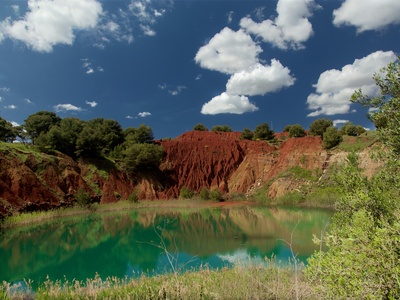
Bauxite
Bauxite is Jamaica’s most important mineral commodity, a weathered aluminum ore mined in central and western parishes. It powered local alumina plants and exports for decades and remains vital to the island’s mining history and economy.
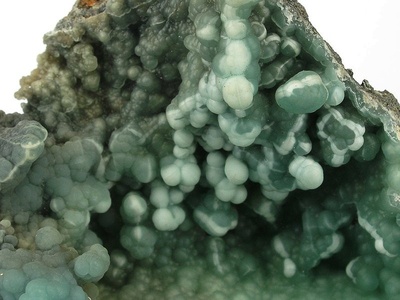
Gibbsite
Gibbsite is the aluminum hydroxide mineral that commonly makes up Jamaican bauxite. It’s the most easily processed source of alumina in lateritic ores, affecting how bauxite from parishes like Clarendon and Manchester is refined and valued.

Boehmite
Boehmite is an aluminum oxyhydroxide present in some Jamaican bauxites. Its different chemistry compared with gibbsite influences alumina extraction methods, and it is an important component when assessing the quality of Jamaican ore bodies.
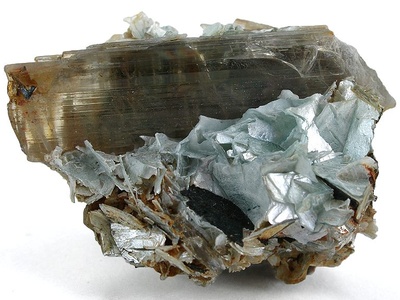
Diaspore
Diaspore is an aluminum oxide-hydroxide found in higher-temperature or deeply weathered parts of Jamaican laterites. Present in some bauxites, it complicates processing but is a recognized mineral species within Jamaica’s bauxite resource base.
Kaolinite (Kaolin)
Kaolinite (kaolin) is a fine white clay produced by intense weathering and often associated with bauxite deposits. In Jamaica it’s used for ceramics, paper fillers and some local industries, and occurs in Clarendon and central parishes.
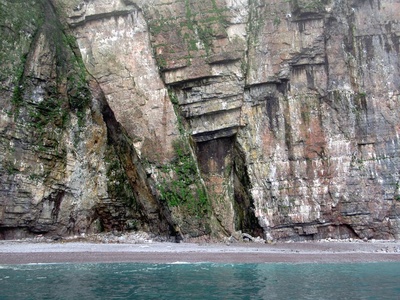
Limestone
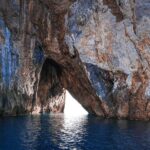
Limestone underlies much of Jamaica, forming coastal plains, reefs and cave systems. It is quarried extensively for construction, cement manufacture, agriculture lime and tourism-related karst landscapes—making it one of the island’s most important geological resources.
Calcite
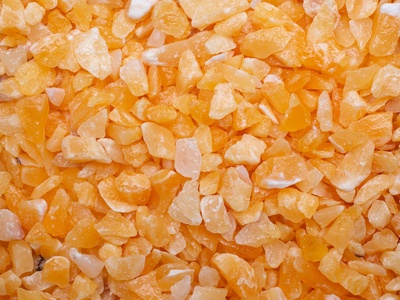
Calcite is the main carbonate mineral in Jamaican limestones and speleothems. It’s quarried indirectly as limestone for cement and construction and is notable in Jamaica’s caves, stalactites, and geological scenery prized by tourism.

Aragonite
Aragonite is a carbonate mineral formed in warm marine environments and in Jamaican coral reef and beach deposits. While not a major commodity, it appears in shells, reef sands and some cave formations and is of interest to collectors.
Sand and Gravel
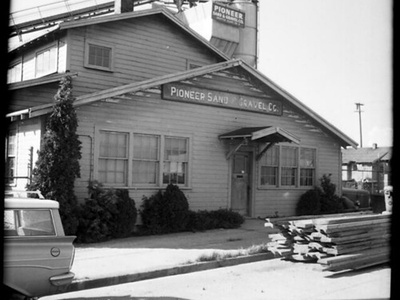
Natural sand and gravel are widely extracted from beaches, riverbeds and quarry pits for local construction, roadbuilding and concrete. These unconsolidated mineral aggregates are essential to Jamaica’s building industry but are subject to environmental controls.
Clay (general)
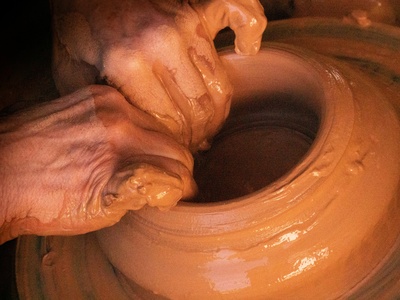
Clays in Jamaica, including ball clays and weathering-derived deposits, supply brickmaking, traditional pottery and local construction materials. Clay resources occur near bauxite zones and in lowland plains, supporting small-scale industry and crafts.