From kitchen windowsills to community herb gardens, people still turn to plants for everyday health needs. This list brings together commonly used species and a few lesser-known helpers so you can quickly see what’s used where and why.
There are 35 Medicinal Plants, ranging from Aloe vera to Yarrow. For each entry the information is organized with Scientific name,Primary uses,Plant part used, which you’ll find below.
How can I use these plants safely?
Start by confirming the plant’s identity and intended use, then follow trusted preparation methods (infusions, poultices, topical extracts) and conservative dosages. Check for allergies, drug interactions, and cautions for children or pregnancy, and consult a healthcare professional if you’re uncertain.
Where can I grow or buy these species?
Look to local nurseries, seed swaps, and reputable online sellers for cultivated plants; for wild harvesting, learn local regulations and sustainable techniques. Consider each species’ light, soil, and hardiness needs before planting, or choose potted varieties suited to your space.
Medicinal Plants
| Common name | Scientific name | Primary uses | Plant part used |
|---|---|---|---|
| Aloe vera | Aloe vera | skin healing, burns, laxative | leaf |
| Chamomile | Matricaria chamomilla | calming, digestive, anti-inflammatory | flower |
| Peppermint | Mentha x piperita | digestive, antispasmodic, topical analgesic | leaf |
| Lavender | Lavandula angustifolia | anxiolytic, sleep aid, antiseptic | flower |
| Echinacea | Echinacea purpurea | immune support, cold symptom relief | root, aerial parts |
| Ginger | Zingiber officinale | anti-nausea, anti-inflammatory, digestive | rhizome |
| Turmeric | Curcuma longa | anti-inflammatory, antioxidant, digestive | rhizome |
| Garlic | Allium sativum | antimicrobial, cardiovascular support | bulb |
| Willow | Salix alba | analgesic, anti-inflammatory | bark |
| St. John’s Wort | Hypericum perforatum | antidepressant, wound healing | flowering tops |
| Ginkgo | Ginkgo biloba | cognitive support, circulatory | leaf |
| Valerian | Valeriana officinalis | sleep aid, anxiolytic | root |
| Calendula | Calendula officinalis | wound healing, anti-inflammatory, skin care | flower |
| Rosemary | Salvia rosmarinus | memory stimulant, antioxidant, digestive | leaf |
| Milk thistle | Silybum marianum | liver support, antioxidant | seed |
| Dandelion | Taraxacum officinale | digestive, diuretic, liver support | root, leaf, flower |
| Thyme | Thymus vulgaris | antiseptic, respiratory, digestive | leaf, flowering tops |
| Sage | Salvia officinalis | antimicrobial, digestive, cognitive | leaf |
| Neem | Azadirachta indica | antimicrobial, antiparasitic, dermatological | leaf, bark, seed oil |
| Kava | Piper methysticum | anxiolytic, sedative, muscle relaxant | root |
| Nettle | Urtica dioica | anti-inflammatory, diuretic, allergy support | leaf, root |
| Plantain | Plantago major | wound healing, anti-inflammatory, demulcent | leaf, seed |
| Yarrow | Achillea millefolium | wound healing, anti-inflammatory, digestive | aerial parts |
| Black cohosh | Actaea racemosa | menopausal symptoms, gynecological | root, rhizome |
| Hawthorn | Crataegus monogyna | cardiovascular support, mild heart failure | leaf, flower, berry |
| Rosehip | Rosa canina | vitamin C, antioxidant, anti-inflammatory | fruit (hip) |
| Cinnamon | Cinnamomum verum | antimicrobial, blood sugar support | bark |
| Clove | Syzygium aromaticum | antiseptic, dental analgesic | bud (flower bud) |
| Bay | Laurus nobilis | digestive, aromatic, antimicrobial | leaf |
| Eucalyptus | Eucalyptus globulus | respiratory decongestant, antiseptic | leaf, oil |
| Licorice | Glycyrrhiza glabra | adrenal support, anti-inflammatory, cough | root |
| Goldenseal | Hydrastis canadensis | antimicrobial, mucous membrane tonic | root, rhizome |
| Arnica | Arnica montana | topical pain relief, bruise healing | flower (topical) |
| Chili pepper | Capsicum annuum | topical analgesic, circulation | fruit |
| Meadowsweet | Filipendula ulmaria | anti-inflammatory, digestive, analgesic | flower, leaf |
Images and Descriptions
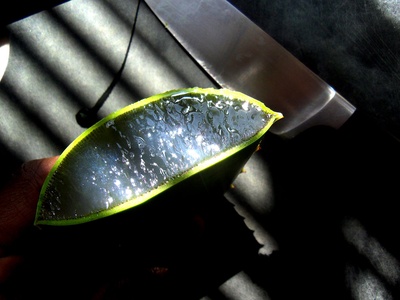
Aloe vera
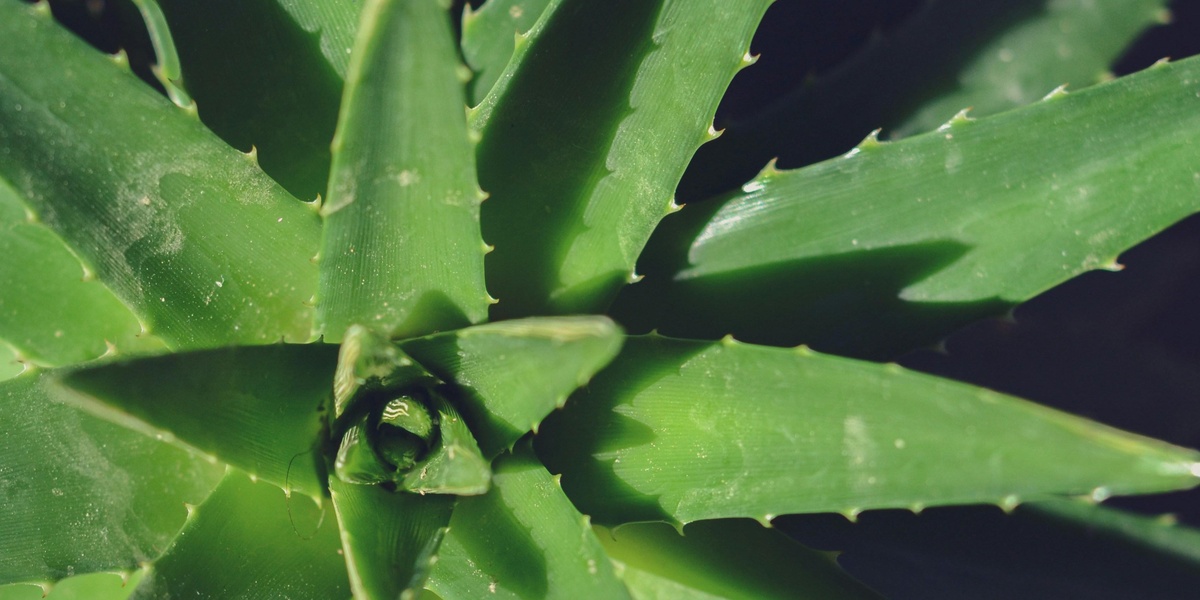
Succulent with thick, serrated leaves containing clear gel used topically for burns, sunburn, and wound soothing. Native to arid regions; widely cultivated. Internal use as laxative requires caution; can cause cramping or electrolyte imbalance if overused.
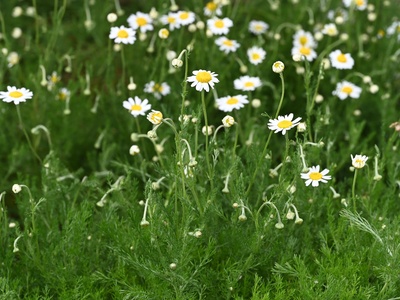
Chamomile
Small daisy-like annual with white petals and yellow centers; dried flowers brewed as tea for anxiety, insomnia, and digestive upset. Native to Europe and Western Asia, cultivated globally. Can cause allergic reactions in Asteraceae-sensitive individuals; avoid with certain sedatives.
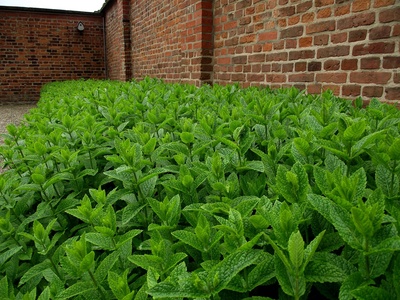
Peppermint
A hybrid mint with aromatic leaves used as tea or oil for indigestion, irritable bowel relief, and headache when applied topically diluted. Native to Europe; widely cultivated. Avoid in GERD or infants; undiluted oil can be toxic.
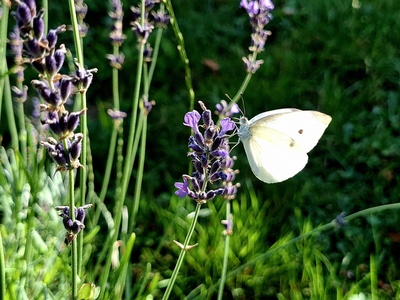
Lavender
Woody perennial shrub with narrow grey-green leaves and fragrant purple flower spikes; flowers distilled for calming, sleep support, and mild antiseptic topical use. Native to Mediterranean climates and widely grown. May cause irritation or allergic contact dermatitis in sensitized people.
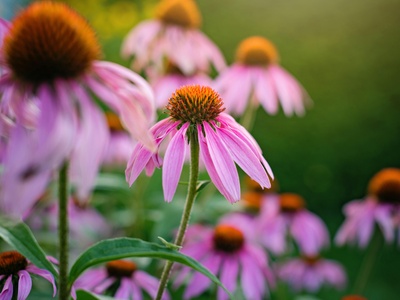
Echinacea
Showy purple coneflower with broad petals and spiny central cone; roots and aerial parts used traditionally to shorten colds and support immune response. Native to North American prairies and cultivated. Not recommended for autoimmune disease or those on immunosuppressants.
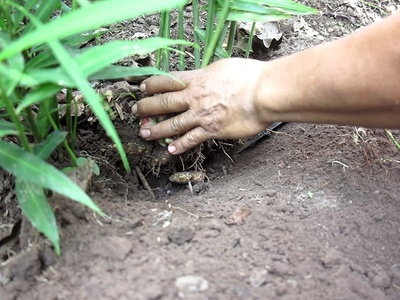
Ginger
A knobbly aromatic rhizome used fresh, dried or powdered to relieve nausea, motion sickness, and reduce inflammation in mild arthritis; common in Asian cuisines. Grows in tropical regions. May interact with anticoagulants at high doses.
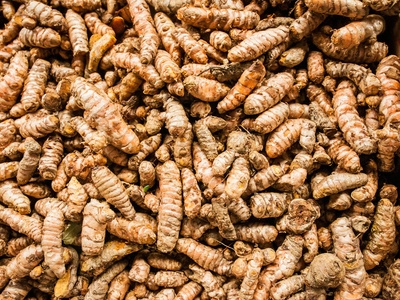
Turmeric
Perennial with bright orange-yellow rhizomes rich in curcumin; powdered or extracted for inflammation, joint pain, and digestive support. Native to South Asia and widely cultivated. Bioavailability is low; may interact with blood thinners and gallbladder conditions.
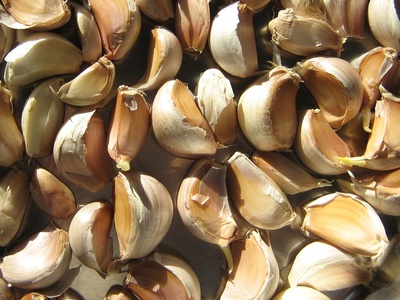
Garlic
Bulbous plant with layered cloves used raw, cooked, or as extract for antimicrobial effects and modest cholesterol and blood pressure benefits. Native to Central Asia; used worldwide. Can cause gastrointestinal upset and increase bleeding risk with anticoagulants.

Willow
Deciduous tree with narrow lanceolate leaves; willow bark contains salicylates historically used for fever and pain relief (aspirin precursor). Native to Europe and Asia, cultivated widely. Use can cause aspirin-like side effects and bleeding; avoid in children with viral illness.
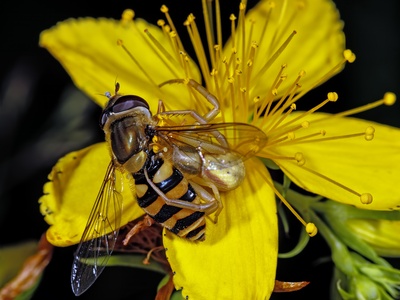
St. John’s Wort
Perennial herb with yellow star-shaped flowers; flowering tops used for mild-to-moderate depression and topical wound healing in folk medicine. Native to Europe, invasive in some regions. Strong interactions with many drugs via CYP enzymes; photosensitivity risk.
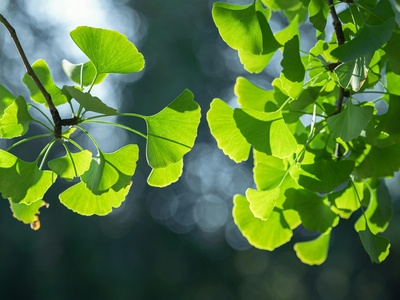
Ginkgo
Deciduous tree with fan-shaped leaves; leaf extracts used to support memory, cognitive function, and peripheral circulation. Native to China and widely cultivated. May increase bleeding risk and interact with anticoagulants and certain medications.
Valerian
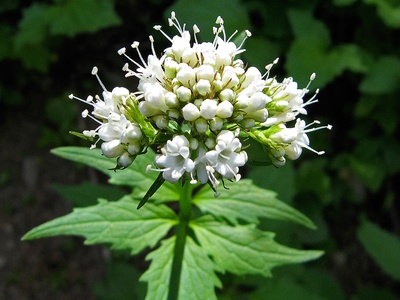
Perennial with feathery leaves and clusters of sweetly scented white-pink flowers; root used as a sedative for insomnia and anxiety. Native to Europe and parts of Asia. May cause daytime drowsiness; avoid with other sedatives or alcohol.

Calendula
Annual with bright orange to yellow daisy-like flowers; petals used topically in ointments and infused oils to soothe skin, aid healing, and reduce inflammation. Native to southern Europe and cultivated widely. Avoid if allergic to Asteraceae family.
Rosemary
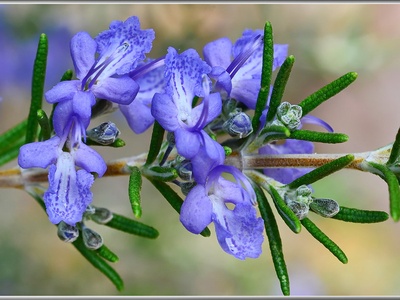
Evergreen aromatic shrub with needle-like leaves and blue flowers; leaves used as culinary herb and medicinally for cognition support, digestion, and antioxidant effects. Native to Mediterranean; widely grown. High concentrations may cause seizures in susceptible individuals.
Milk thistle
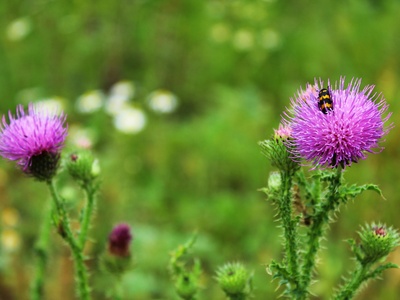
Biennial with spiny leaves marked by white veins and purple thistle flowers; seeds yield silymarin extract used for liver support and detoxification in liver disorders. Native to Mediterranean region and invasive elsewhere. May interact with some medications.
Dandelion
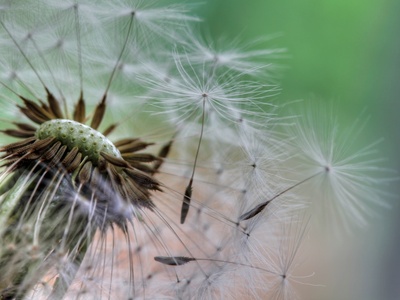
Common rosette-forming perennial with yellow composite flowers; leaves and roots used for mild diuretic, digestive aid, and liver support; roots roasted as coffee substitute. Widespread temperate weed. May cause allergy in Asteraceae-sensitive people and interact with diuretics.
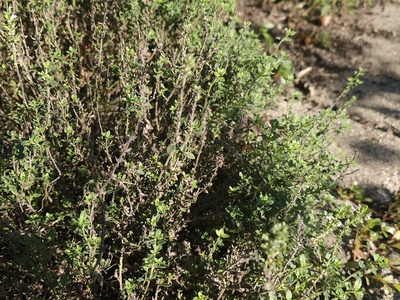
Thyme
Low aromatic shrub with tiny grey-green leaves and small flowers; leaves and oil used as antiseptic, for coughs, bronchitis, and to aid digestion. Native to Mediterranean climates and cultivated globally. Concentrated oil can irritate skin or mucous membranes.
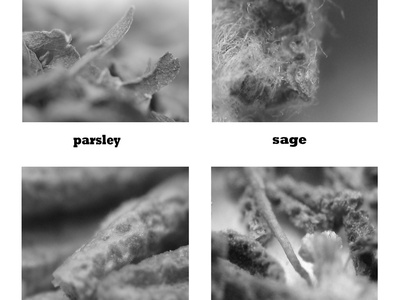
Sage
Evergreen subshrub with oblong grey-green leaves and purple flowers; leaves used for sore throats, digestive complaints, and memory support. Native to Mediterranean region and widely cultivated. Avoid large internal doses in pregnancy or with seizure disorders.
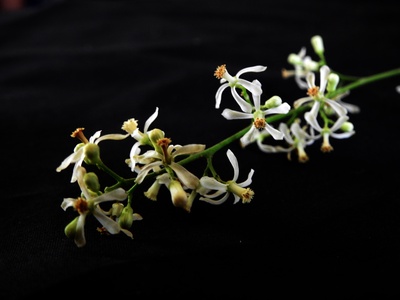
Neem
Fast-growing tropical tree with pinnate leaves and bitter compounds; leaf extracts, oil and bark traditionally used for skin infections, ectoparasites, and antimicrobial purposes. Native to South Asia and widely used in Ayurveda. Internal use can be toxic in high doses or to children.

Kava
Perennial shrub cultivated in Pacific islands; starchy root is pounded to make a calming, sedative beverage used for anxiety and social rituals. May cause liver toxicity rare but serious; avoid with alcohol or hepatotoxic drugs.
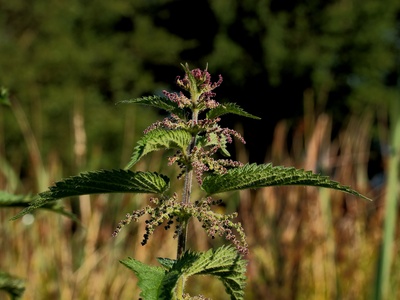
Nettle
Herbaceous perennial with stinging hairs on leaves and stems; cooked leaves used as nutritious food and medicinally for allergic rhinitis, joint pain, and as diuretic. Native to temperate regions worldwide. Raw stinging hairs cause skin irritation unless neutralized by heat.
Plantain
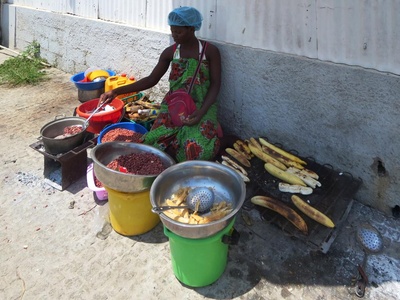
Low rosette herb with broad oval leaves and ribbed veins; leaves applied as poultices to insect bites, minor wounds, and inflammation, and seeds act as mild bulk-forming laxatives. Widespread in temperate regions as a common weed.
Yarrow
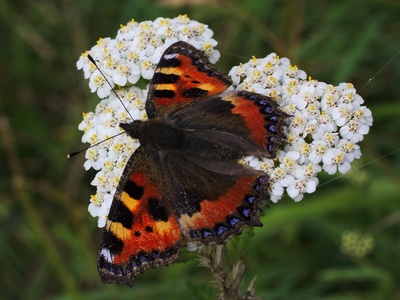
Perennial with feathery pinnate leaves and clusters of small white or pink flowers; aerial parts used to staunch bleeding, ease digestion, and reduce inflammation. Native to temperate Northern Hemisphere and common in meadows. Can cause photosensitivity and allergy in sensitive individuals.
Black cohosh
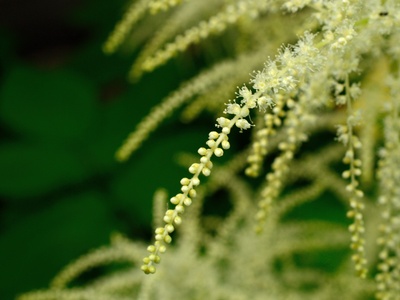
Tall perennial with compound leaves and panicles of white flowers; root and rhizome used for menopausal hot flashes and menstrual discomfort in traditional and herbal medicine. Native to eastern North America. Use with caution due to possible liver effects and hormone interactions.
Hawthorn
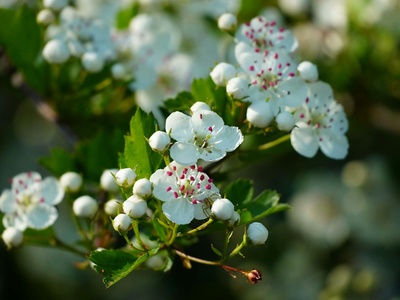
Deciduous shrub or small tree with lobed leaves, clusters of white flowers and red haws (berries); leaves, flowers, and fruits used to support heart function, circulation, and mild heart failure symptoms. Native to Europe, used in traditional cardiotonic preparations.
Rosehip
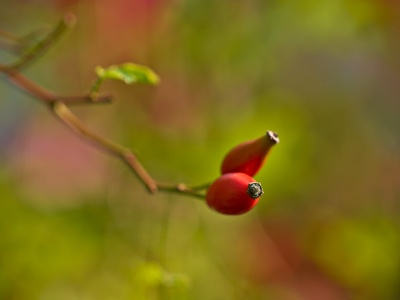
Deciduous shrub producing fragrant flowers and bright orange-red hips rich in vitamin C and antioxidants; hips used as tea, syrup, or powder to support immunity and reduce inflammation. Native to Europe and Asia; widely naturalized.

Cinnamon
Evergreen tree with aromatic bark and glossy leaves; inner bark is dried as stick or powder, used for digestive upset, antimicrobial properties, and modest blood sugar regulation. Native to Sri Lanka; cassia alternatives have higher coumarin content—caution for liver.
Clove
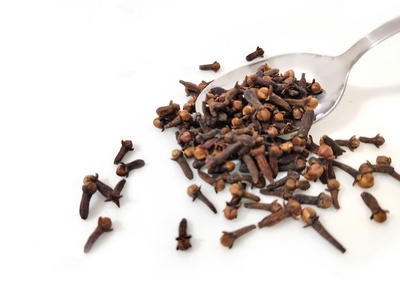
Tropical evergreen tree producing aromatic dried flower buds (cloves); cloves and clove oil used for toothache relief, antiseptic mouthwash, and digestive complaints. Native to Indonesia; oil is potent and can irritate mucous membranes if undiluted.

Bay
Aromatic evergreen shrub or small tree with glossy lanceolate leaves used as seasoning and in traditional remedies for digestive aid, mild antiseptic, and topical uses. Native to Mediterranean; leaves used fresh or dried. Large internal doses not recommended in pregnancy.

Eucalyptus
Tall evergreen with long sickle-shaped leaves rich in cineole; leaf oil used in inhalants, chest rubs, and antiseptics to relieve congestion and coughs. Native to Australia and widely planted. Keep away from infants; concentrated oil toxic if ingested.
Licorice
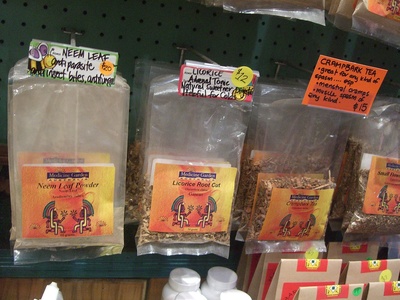
Perennial legume with pinnate leaves and purple flowers; root contains glycyrrhizin used for cough syrups, gastric protection, and adrenal support. Native to Eurasia and North Africa. Long-term high-dose use can cause hypertension, hypokalemia, and edema.

Goldenseal
Perennial with mottled leaves and yellow flowers producing red berries; root/rhizome used historically for gastrointestinal infections, mucous membrane inflammation, and topical antimicrobial uses. Native to eastern North American woodlands. Overharvested; may interact with medications.
Arnica
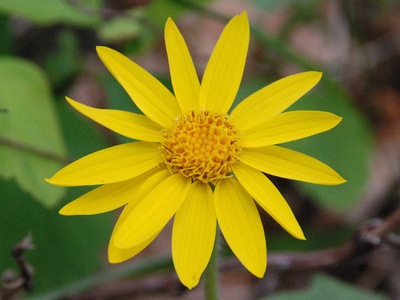
Low perennial with hairy leaves and yellow-orange daisy-like flowers; flower extracts applied topically for bruises, sprains, and muscle soreness. Native to European mountain meadows. Do not ingest—internal use is toxic; may cause skin irritation in sensitive individuals.
Chili pepper
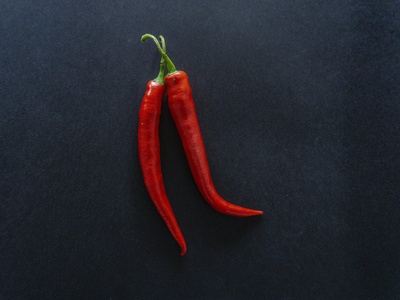
Annual pepper plant with glossy fruits ranging from mild to very hot; crushed fruit or capsaicin-rich extracts used topically for neuropathic pain, arthritis, and muscle soreness. Native to the Americas. Burning sensation common; avoid mucous membranes and eyes.
Meadowsweet
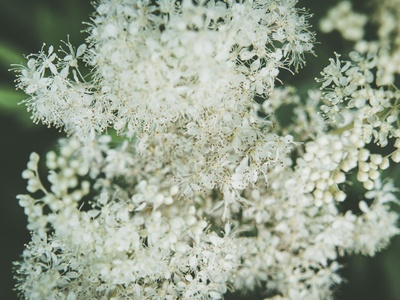
Fragrant perennial with creamy clusters of flowers and serrated leaves; traditionally used for fever, pain relief, and digestive upset due to natural salicylates. Native to Europe and wetlands. Avoid with aspirin allergy and in children or those on anticoagulants.