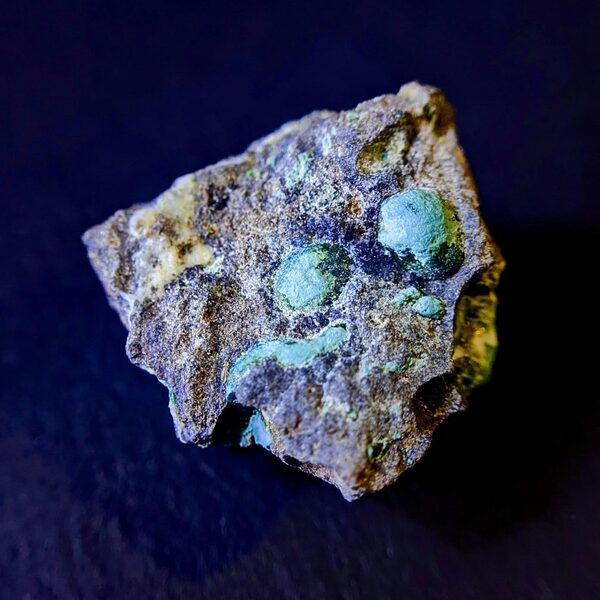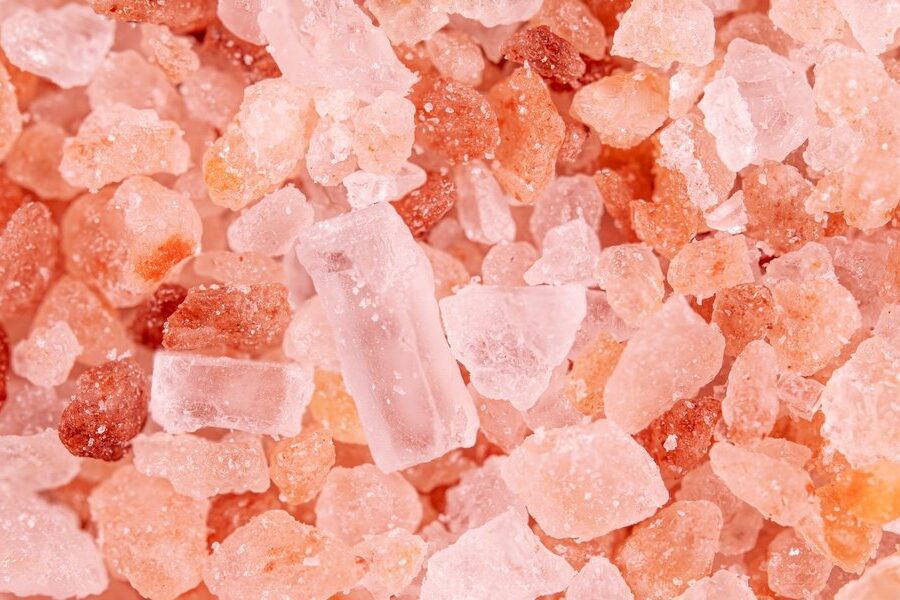
In the early 1860s the Solvay process transformed soda ash from a scarce commodity into an industrial staple, allowing large-scale production that fed modern glass, detergent and chemical industries. By replacing small, expensive alkali plants with efficient, continuous manufacture, Solvay-era chemistry helped make inexpensive sodium carbonate widely available.
Modern manufacturing, household cleaning, and environmental systems all need affordable, effective chemicals. Because it supplies alkalinity and the carbonate ion cheaply and predictably, sodium carbonate — often called soda ash or washing soda — plays many roles across industry, home and lab. The following sections list seven practical benefits grouped into Industrial and Manufacturing, Household and Everyday, and Environmental, Scientific, and Technical uses, with concrete examples and safety notes.
Industrial and Manufacturing Benefits

1. Essential in Glassmaking
Sodium carbonate is a principal raw material for glass manufacture and accounts for roughly half of global soda ash demand; global production has been on the order of 50–60 million tonnes per year in recent years.
Chemically, soda ash lowers silica’s melting point, which cuts furnace fuel needs and yields a more uniform melt—meaning lower energy per tonne and better control over glass chemistry. That makes it critical for float glass (windows), container glass (bottles and jars), fiberglass insulation and specialty glass for electronics.
Producers such as Solvay, Tata Chemicals and the Ciner Group supply bulk soda ash to float-glass and container-glass lines worldwide, where even small shifts in carbonate addition affect melting temperature, viscosity and downstream tempering steps.
2. Key Ingredient in Detergents and Cleaners
Soda ash functions as an inexpensive builder in powdered laundry and industrial detergents by softening hard water and increasing alkalinity to help remove oils and organic soils.
Carbonate ions precipitate calcium and magnesium as insoluble carbonates, and the raised pH helps saponify fats so surfactants work more effectively. Industry estimates put detergent and cleaning uses in the low tens of percent of total soda ash consumption.
In practice, formulators add soda ash to powdered laundry mixes, industrial degreasers and car-wash concentrates; consumers buy “washing soda” for tough laundry stains. Because solutions are alkaline, wear gloves and keep product out of eyes when handling concentrated powder.
3. Feedstock for Chemical Manufacturing and pH Control
Sodium carbonate is a basic building block used to make sodium bicarbonate, sodium silicates and many other sodium salts, and it’s widely used for process pH control in pulp, textiles and dye manufacture.
Its stability, low cost and predictable alkalinity make it preferable to alternatives in many processes. For example, pulp mills dose soda ash to adjust process liquor pH and protect equipment, while silicate producers start from soda ash to make binder and detergent intermediates.
Major chemical suppliers such as Solvay, Tata Chemicals and Ciner Group supply feedstock grades that help plants maintain product consistency and keep raw-material costs manageable.
Household and Everyday Uses

The same alkalinity and carbonate chemistry that serve factories also make soda ash useful at home and in small businesses. It’s practical for laundry boosts, oven cleaning and certain food processes, but concentrated solutions are basic (aqueous pH ~11–11.6), so take basic safety precautions.
4. Effective Household Cleaner and Water Softener
Sodium carbonate dissolves grease, helps lift oil-based stains and precipitates hardness ions that otherwise interfere with detergents.
For laundry: add a small measured scoop of washing soda to a powder wash to help remove oil and ground-in stains (follow product labels). For tough oven grime, make a paste with hot water, apply, let sit, then scrub and rinse.
Because household solutions are strongly alkaline, wear gloves and avoid eye contact; keep out of reach of children and pets.
5. Food Processing: Alkalinity in Specialty Foods
Sodium carbonate has regulated, niche uses in food processing (listed in some jurisdictions as E500(ii)), most famously as part of kansui—a blend of sodium and potassium carbonates—used in alkaline noodles like ramen.
Kansui alters dough pH to change protein behavior, delivering the springy texture and golden color prized in certain noodles. Note that sodium carbonate differs from sodium bicarbonate (baking soda); the two have different effects and uses.
Artisanal noodle makers and some confectioners use controlled, low-level additions under food-safety rules; follow regulatory guidance and recipe specifications when working with food-grade soda ash.
Environmental, Scientific, and Technical Benefits
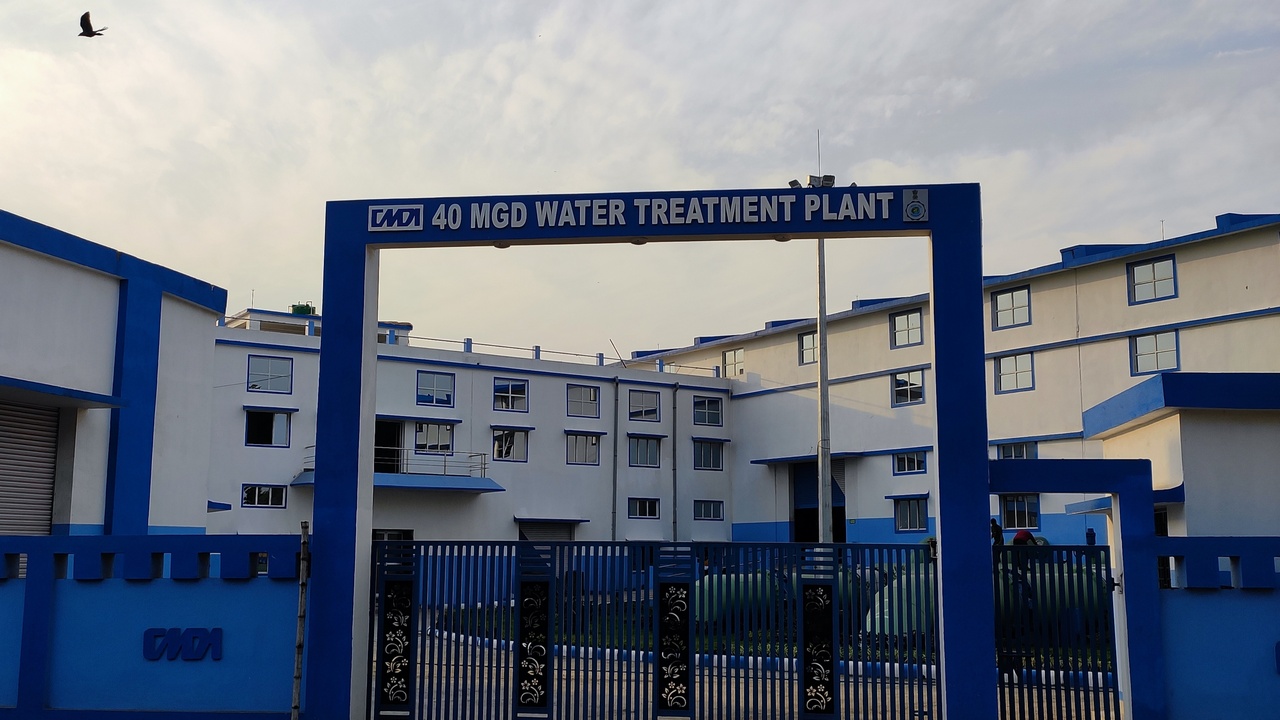
Sodium carbonate supports water treatment, laboratory work and lower-energy industrial options—especially where simple, non-hazardous alkalinity is required to meet pH targets or precipitate metals.
6. Water Treatment and pH Adjustment
Soda ash is commonly used to raise alkalinity and stabilize pH in municipal and industrial waters, helping plants meet regulatory pH targets and reduce corrosion in distribution systems.
Carbonate ions provide buffering capacity and can precipitate some metals as hydroxides or carbonates under the right conditions. Operators dose soda ash in milligram-per-liter ranges tailored to water chemistry, and calculated additions help prevent scale and corrosion in boilers and pipes.
Municipal plants routinely use soda ash to bring treated water into the recommended pH band for distribution; engineers select doses based on alkalinity, incoming acidity and regulatory goals.
7. Laboratory Reagent and Support for Sustainable Processes
Sodium carbonate is a standard reagent in teaching and industrial labs and plays a role in sustainability by lowering glass melt temperatures and enabling cleaner chemical routes.
Reagent or technical grades serve as a primary standard for some acid–base titrations, buffer preparation, and as a precursor to sodium bicarbonate when CO₂ is introduced. In glass recycling, modest additions of soda ash reduce melt energy per tonne, helping plants cut fuel use.
Labs rely on technical and reagent grades with specified purities, store the chemical dry and sealed, and manage any waste per local regulations.
Summary
- About half of global soda ash consumption—of roughly 50–60 million tonnes annually—goes to glassmaking, where it lowers silica melt temperatures and saves energy.
- Sodium carbonate doubles as an inexpensive detergent builder and household cleaner (washing soda) and has niche food uses such as kansui for alkaline noodles.
- It’s a versatile industrial feedstock and pH control agent, supplied by firms like Solvay, Tata Chemicals and Ciner Group for pulp, textile and chemical processes.
- Sodium carbonate supports water-treatment dosing, laboratory titrations and lower-energy glass recycling, provided it’s applied with proper process and safety controls.
- For practical applications, know that benefits of sodium carbonate rest on simple chemistry—alkalinity and the carbonate ion—so handle concentrated forms with gloves and eye protection.