Scientists estimate there may be 2.2–3.8 million fungal species on Earth, yet only about 120,000 have been formally described — a huge gap that hides surprising roles fungi play in our world.
Fungi are more than mushrooms: they’re ecosystem engineers, medical allies, economic resources and evolutionary oddities. They influence the food on our plates, the antibiotics in medicine cabinets, the decay that cycles nutrients in forests and even new sustainable materials on factory floors. Below are ten evidence-backed facts about fungi grouped into ecology, human uses, environmental roles and curiosities, each showing a different reason these organisms matter.
Ecology and Life Cycle
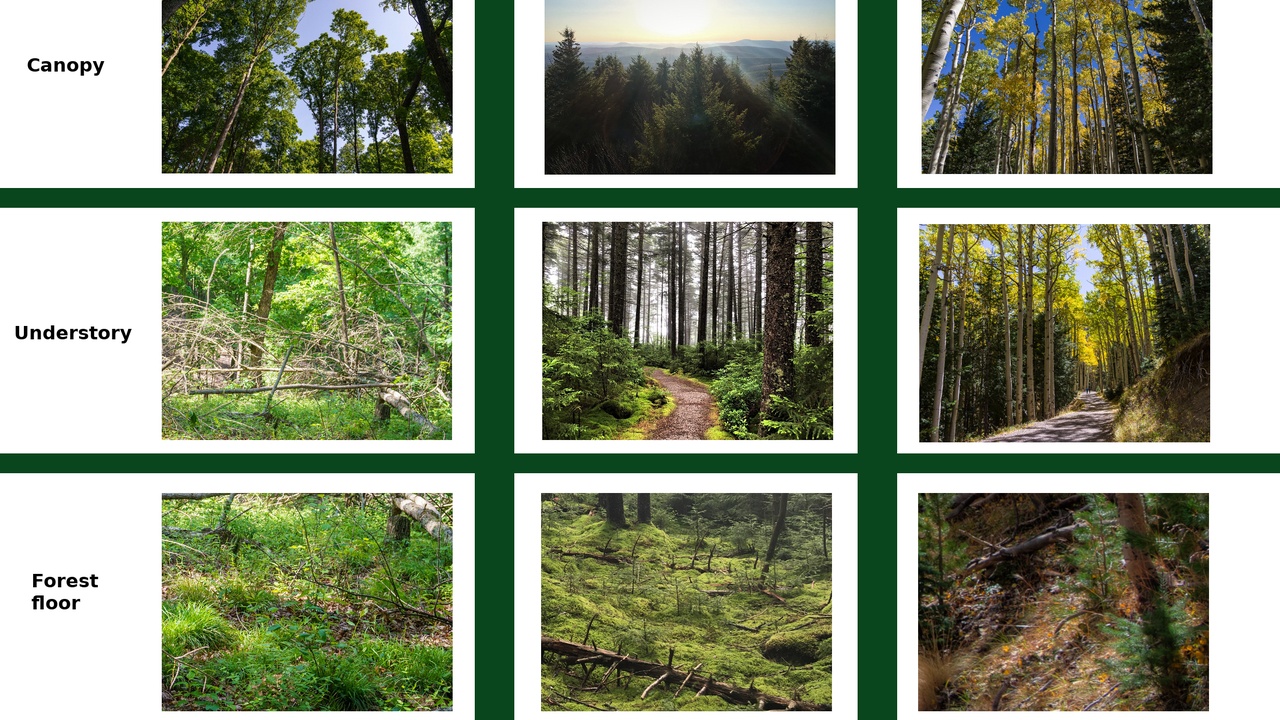
Fungi are central players in ecosystems: they decompose dead matter, form partnerships with plants and include pathogens. Their thread-like mycelium links roots and cycles nutrients, shaping plant communities and soil health.
1. Fungi are nature’s primary decomposers
Many fungi break down cellulose and lignin — complex polymers that few organisms can digest. White-rot fungi, for example, can degrade lignin and are responsible for a large share of wood decay in temperate forests.
By decomposing leaf litter and dead wood, fungi release nitrogen, phosphorus and other nutrients back into soil, supporting plant growth and soil formation. In some forest systems fungi account for the majority of lignin decomposition and thus strongly influence carbon flows.
That decomposition shapes whether carbon stays in soils or returns to the atmosphere, and it sets the stage for the mycorrhizal networks that connect living plants.
2. Many fungi form mycorrhizal networks that connect plants
Mycorrhizae are symbioses between fungal hyphae and plant roots; roughly 80–90% of land plants form them. The fungal partner expands root reach, boosting water and nutrient uptake — especially phosphorus and nitrogen.
Research has documented carbon movement between trees via common mycorrhizal networks, and experiments show Douglas fir seedlings gain growth advantages when colonized by ectomycorrhizal fungi. Practitioners now use mycorrhizal inoculants in reforestation and restoration to improve survival and growth.
3. Fungal life cycles are remarkably diverse
Fungi reproduce sexually and asexually and build a wide range of fruiting bodies. A single mushroom cap can release millions of spores to be carried by wind or brushed off by animals.
Some fungi switch lifestyles, acting as decomposers, mutualists or parasites depending on conditions. Parasitic species like Ophiocordyceps unilateralis famously alter ant behavior to improve spore dispersal, showing how life-history diversity affects ecology and disease dynamics.
Human Uses: Food, Medicine, and Industry
Humans have cultivated and harnessed fungi for millennia — for food, fermentation and drugs. From household baking to pharmaceutical discovery, fungi contribute proteins, enzymes and bioactive molecules used across cuisines and industries.
4. Many cultures rely on fungi as staple foods and delicacies
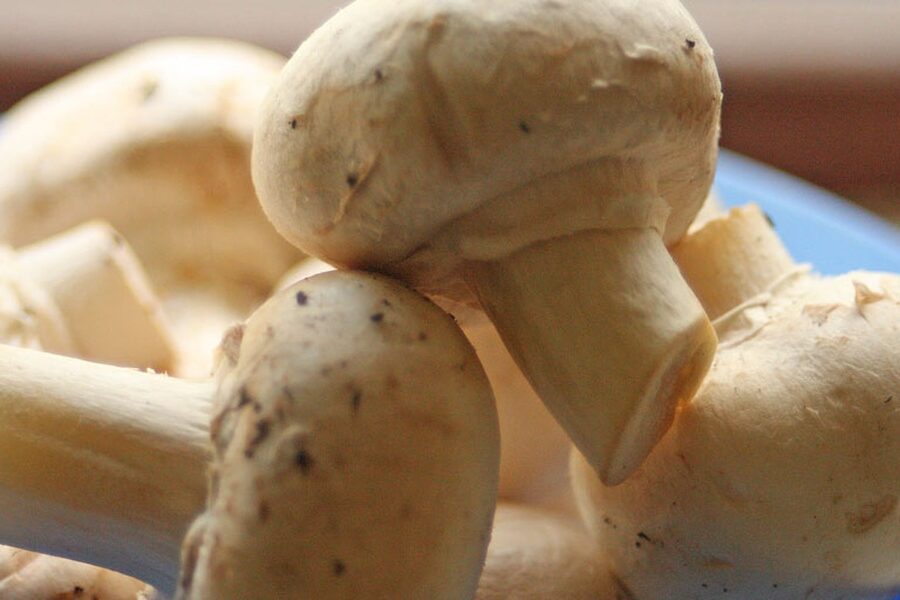
Worldwide mushroom production exceeds roughly 10 million tonnes annually, with cultivated species such as Agaricus bisporus (button mushrooms) and Lentinula edodes (shiitake) supplying global markets. Wild species like morels and chanterelles fetch high prices as delicacies.
Mushrooms are nutrient-dense — offering protein, B vitamins and minerals — and are grown in urban farms and large greenhouses alike. Fermented fungal-based foods such as tempeh illustrate how fungi have long been used to transform and preserve food.
5. Fungi gave us antibiotics — and still inspire new drugs
Alexander Fleming’s 1928 observation of Penicillium notatum launched the antibiotic era when penicillin proved lifesaving. That discovery dramatically reduced mortality from bacterial infections in the mid-20th century.
Other therapeutics trace to fungal metabolites or related microbes: cephalosporins, cyclosporine (an immunosuppressant) and statin precursors emerged from fungal chemistry. Drug discovery programs continue to screen fungi for novel antifungals, antivirals and anticancer compounds.
6. Industry uses fungi for fermentation, enzymes, and materials
Saccharomyces cerevisiae (baker’s and brewer’s yeast) powers bread, beer and many biotech fermentations used to produce enzymes, vaccines and bioactive compounds. Fungal enzymes, such as cellulases, play roles in detergents and biofuel production.
Mycelium-based materials are emerging as sustainable alternatives to plastics and leathers. Companies like Ecovative make packaging from mycelium, and food companies produce mycoprotein products such as Quorn as meat substitutes.
Ecosystem Services and Environmental Impact
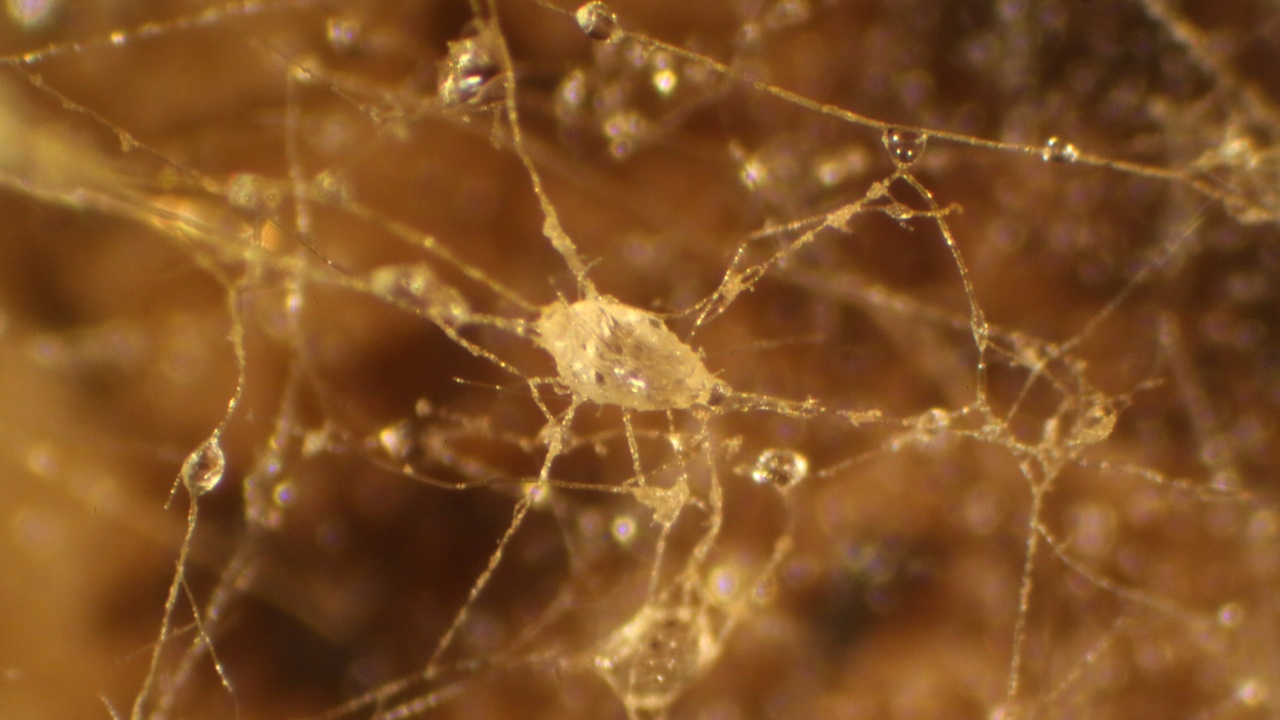
Beyond forests and kitchens, fungi offer tools for environmental management. They can break down pollutants, support soil health and affect how carbon moves through ecosystems — all with practical implications for restoration and climate policy.
7. Some fungi can break down pollutants and aid bioremediation
Certain fungi metabolize hydrocarbons, pesticides and even some heavy metals. Oyster mushrooms (Pleurotus spp.) have been trialed on oil-contaminated soils, showing measurable reductions in petroleum compounds under field conditions.
White-rot fungi can degrade persistent organic pollutants such as PCBs by breaking complex molecules with extracellular enzymes. These low-cost, nature-based approaches are being tested for contaminated soils and wastewater treatment.
8. Fungi influence carbon storage and climate feedbacks
Soils store more carbon than the atmosphere and vegetation combined, and fungal activity helps determine whether that carbon stays put. Decomposer fungi release carbon as CO2, while mycorrhizal associations can encourage carbon retention in soil organic matter.
Different mycorrhizal types (for example, ectomycorrhizal versus arbuscular) link to contrasting soil carbon outcomes, and shifts in fungal communities due to land use or warming can accelerate or slow soil carbon loss. That variability matters for land management and climate models.
Strange, Useful, and Surprising Fungal Facts
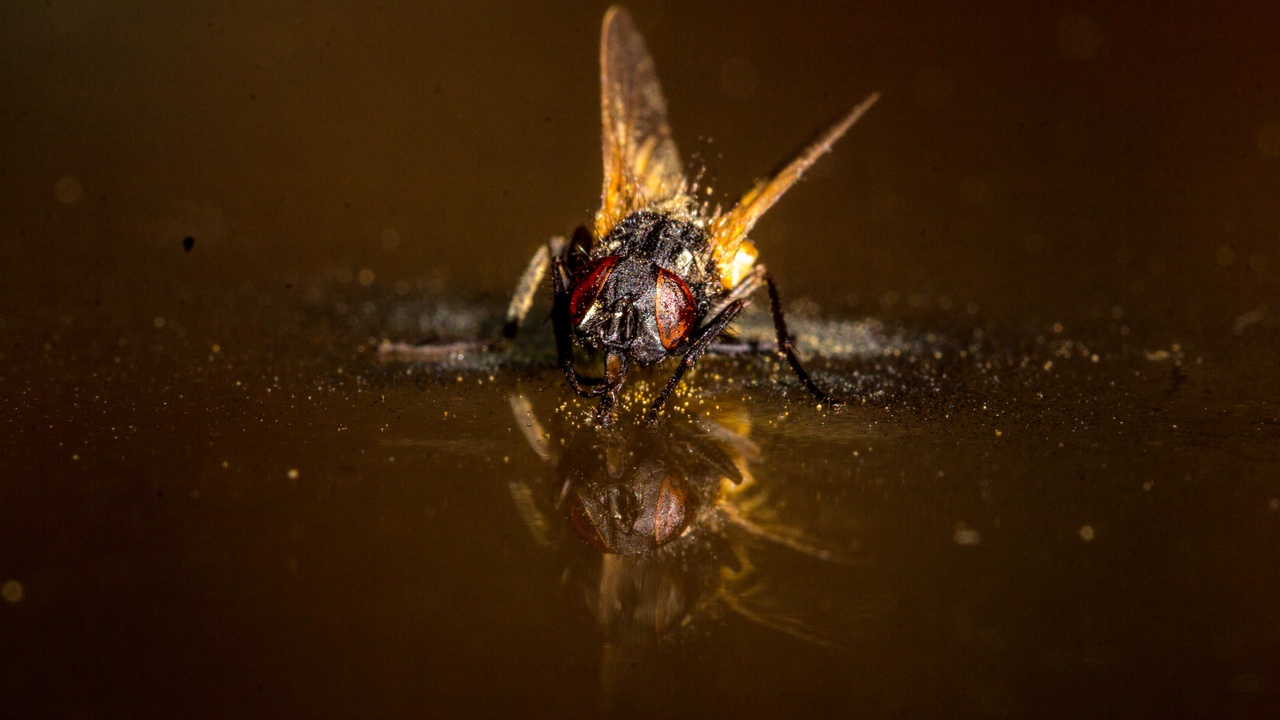
Fungi also surprise with odd behaviors and hidden scales: some glow in the dark, some manipulate insect hosts, and some form individuals so large they rewrite how we think about a single organism.
9. Some fungi glow and others can control animal behavior
Bioluminescent species such as Panellus stipticus and Neonothopanus gardneri emit light through luciferase-driven reactions, possibly to attract insects that help disperse spores. The glow can be faint but ecologically meaningful in dark forests.
Parasitic fungi like Ophiocordyceps unilateralis infect ants and alter their behavior to place the host where spore dispersal is maximized. These dramatic interactions illustrate evolution’s quirky solutions for reproduction.
10. The largest living organisms are fungal — huge mycelial carpets
Individual fungal genets can span hectares. The Armillaria ostoyae colony in Oregon’s Malheur National Forest has been estimated to cover about 2,385 acres (roughly 965 hectares), making it one of the largest known living organisms by area.
Such massive mycelial networks can persist for centuries, affecting tree mortality, nutrient cycling and our definition of “individual.” They remind us that much of fungal life operates unseen beneath our feet.
Summary
- Fungi underpin ecosystems by recycling nutrients, connecting plants through mycelial networks and shaping carbon flows.
- They feed people, inspired antibiotics since Fleming’s 1928 penicillin discovery, and now supply enzymes and mycelium-based materials for industry.
- There’s vast, mostly undescribed fungal diversity with practical potential for medicine, bioremediation and climate-smart land management.
- Some species display astonishing behaviors — from bioluminescence to controlling insect hosts — and single mycelial individuals can cover many hectares.
- Notice fungi on your next walk, try a mushroom recipe, or contribute to a citizen-science fungal survey to support research and conservation.