Coastal and freshwater habitats tell a lot about environmental change if you know what to look for. This list gathers species commonly used by scientists and citizen monitors to track things like pollution, nutrient shifts, and habitat loss across a variety of regions and conditions.
There are 41 Indicator Species, ranging from Achnanthidium minutissimum to Zostera marina. For each entry you’ll find below how data are organized as Scientific name,Indicator role,Habitat / region so you can filter by function or location and compare organisms across sites — you’ll find below.
How can I use this list to assess local water quality?
Start by filtering the list for species reported in your habitat and check the Indicator role column: species noted for pollution tolerance versus sensitivity give a quick snapshot of condition. Use abundance trends over time rather than single sightings, and combine observations with basic water measurements for a more reliable assessment.
Are these species applicable to every region?
Some entries are widespread while others are region-specific; the Habitat / region column flags where each species is typically found. Treat the list as a starting point and cross-reference with local field guides or regional monitoring programs to confirm which species are relevant where you work.
Indicator Species
| Name | Scientific name | Indicator role | Habitat / region |
|---|---|---|---|
| Parmelia sulcata | Parmelia sulcata | Air pollution (SO2) sensitivity | Woodlands, temperate regions |
| Usnea (old man’s beard) | Usnea spp. | Air quality (sensitive to SO2 & NOx) | Temperate forests, Northern Hemisphere |
| Hypogymnia physodes | Hypogymnia physodes | Air pollution (SO2) sensitivity | Boreal and temperate forests |
| Xanthoria parietina | Xanthoria parietina | Nitrogen enrichment / eutrophication indicator | Urban, coastal, temperate regions |
| Evernia prunastri | Evernia prunastri | Air quality (sensitive to pollutants) | Temperate forests, Europe & N America |
| Sphagnum magellanicum | Sphagnum magellanicum | Peatland integrity and acidity indicator | Peat bogs, boreal and temperate regions |
| Thlaspi caerulescens | Thlaspi caerulescens | Soil heavy-metal presence / hyperaccumulation | Calcareous, metalliferous soils, Europe |
| Betula nana | Betula nana | Arctic warming and shrub expansion indicator | Arctic tundra, circumpolar regions |
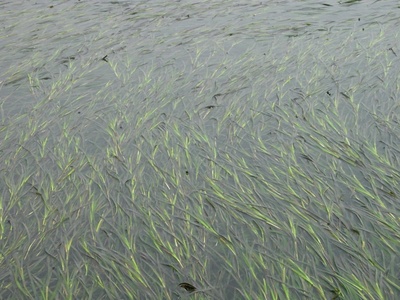
| Zostera marina | Zostera marina | Coastal water clarity and eutrophication indicator | Shallow temperate coastal waters, Northern Hemisphere |
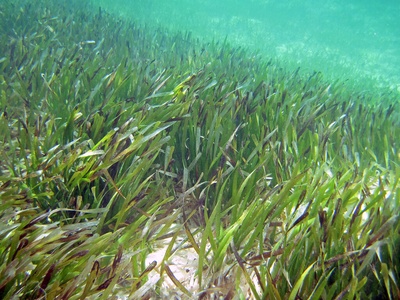
| Thalassia testudinum | Thalassia testudinum | Seagrass meadow health and water clarity | Tropical/subtropical Caribbean and Western Atlantic |
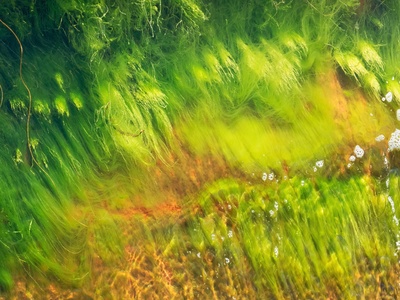
| Ulva intestinalis | Ulva intestinalis | Nutrient enrichment / algal bloom indicator | Coastal and estuarine shores worldwide |
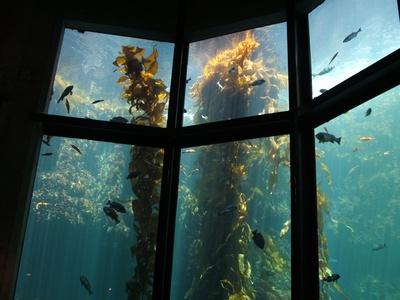
| Macrocystis pyrifera | Macrocystis pyrifera | Kelp forest health; coastal productivity | Temperate coasts, NE Pacific |
| Mytilus edulis | Mytilus edulis | Marine pollution and heavy metal bioaccumulation | Intertidal/coastal temperate regions |
| Margaritifera margaritifera | Margaritifera margaritifera | Pristine stream and water quality indicator | Cold, oxygen-rich rivers in Europe & N America |
| Anodonta anatina | Anodonta anatina | Freshwater water quality and sediment condition | Lakes, slow rivers, Europe & Asia |
| Baetis rhodani (mayfly) | Baetis rhodani | Sensitive to organic pollution; good stream quality | Cool, fast-flowing temperate streams |
| Perla marginata | Perla marginata | Clean, oxygen-rich stream indicator (stonefly) | Fast, oxygen-rich streams in Europe |
| Hydropsyche pellucidula | Hydropsyche pellucidula | Flowing water oxygenation and habitat quality | Rivers and streams, Europe |
| Daphnia magna | Daphnia magna | Freshwater pollutant/toxin sensitivity and ecosystem health | Freshwater ponds and lakes worldwide |
| Achnanthidium minutissimum | Achnanthidium minutissimum | Diatom indicating low nutrients/pH shifts | Freshwater benthic habitats worldwide |
| Salmo trutta | Salmo trutta | Cold, oxygen-rich stream quality and habitat connectivity | Cool rivers and streams, Eurasia & introduced regions |
| Salmo salar | Salmo salar | River health, migration routes and water quality indicator | North Atlantic rivers and coastal waters |
| Salvelinus fontinalis | Salvelinus fontinalis | Coldwater stream integrity and acidification sensitivity | Eastern North America cold streams |
| Plethodon cinereus | Plethodon cinereus | Forest moisture and microclimate indicator | Deciduous forests, eastern North America |
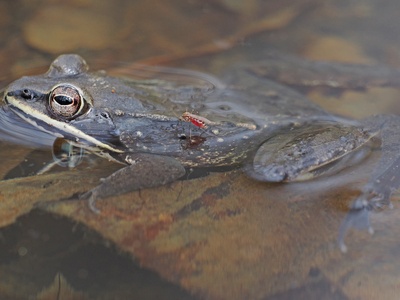
| Lithobates sylvaticus | Lithobates sylvaticus | Vernal pool and wetland integrity indicator | Boreal and temperate forests, North America |
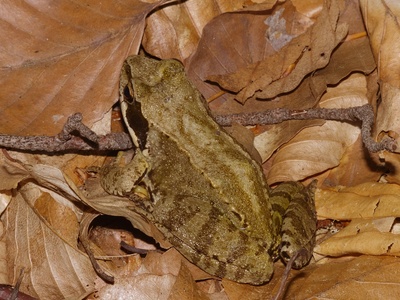
| Rana temporaria | Rana temporaria | Wetland health and amphibian population indicator | European ponds, wetlands and meadows |
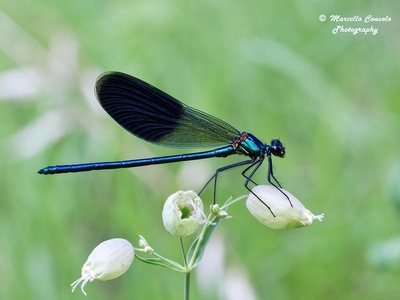
| Calopteryx splendens | Calopteryx splendens | River water quality and riparian vegetation indicator | Slow-flowing rivers in Europe |
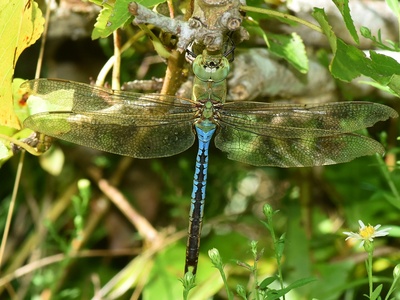
| Anax junius | Anax junius | Wetland presence and climate-driven range shifts | Ponds, lakes, wetlands across North America |
| Fratercula arctica | Fratercula arctica | Marine forage fish availability and ocean climate change indicator | North Atlantic coastal seas and islands |
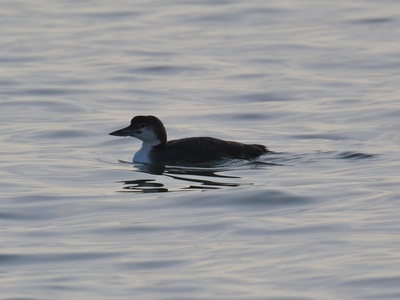
| Gavia immer | Gavia immer | Freshwater fish availability and mercury contamination indicator | Lakes in North America |
| Pandion haliaetus | Pandion haliaetus | Fish abundance and contaminant bioaccumulation indicator | Coasts, rivers and lakes worldwide |
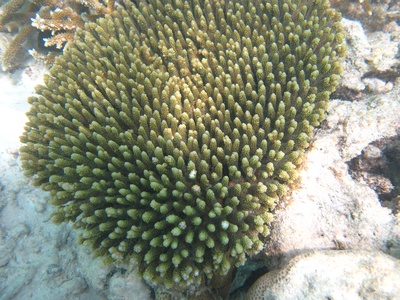
| Acropora millepora | Acropora millepora | Coral bleaching; ocean warming and acidification indicator | Tropical reefs, Indo-Pacific regions |
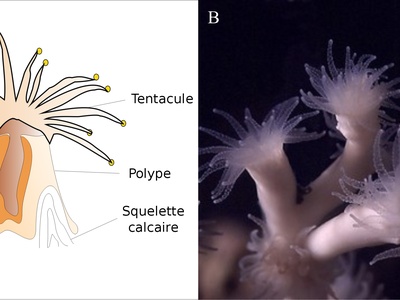
| Lophelia pertusa | Lophelia pertusa | Cold-water coral habitat integrity indicator | Cold continental slopes, deep-sea reefs worldwide |
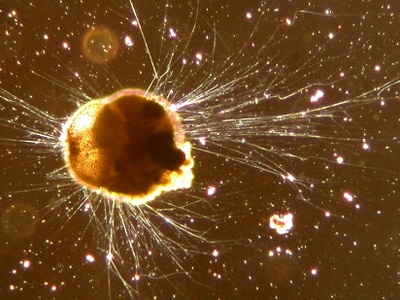
| Ammonia tepida | Ammonia tepida | Foraminifera indicating pollution and organic enrichment | Estuarine and coastal sediments worldwide |
| Calanus finmarchicus | Calanus finmarchicus | Ocean warming and plankton community shifts indicator | North Atlantic and Arctic waters |
| Phaeocystis globosa | Phaeocystis globosa | Harmful algal blooms and eutrophication indicator | Coastal temperate seas worldwide |
| Fucus vesiculosus | Fucus vesiculosus | Intertidal pollution and salinity change indicator | Temperate rocky coasts, Northern Hemisphere |
| Myotis lucifugus | Myotis lucifugus | Insect prey availability and pesticide / disease impacts | Forests, caves and buildings, North America |
| Danaus plexippus | Danaus plexippus | Milkweed habitat availability and climate/migration stressor indicator | North America migratory routes and breeding grounds |
| Ursus maritimus | Ursus maritimus | Sea ice extent and Arctic climate change indicator | Arctic sea-ice regions, circumpolar |
| Ochotona princeps | Ochotona princeps | Alpine warming and habitat fragmentation indicator | Rocky alpine talus in western North America |
Images and Descriptions
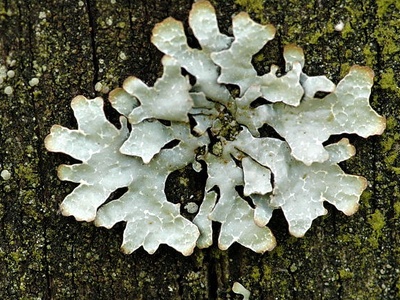
Parmelia sulcata
A foliose lichen common on bark and rock that declines with sulphur dioxide and air pollution. Its presence and cover are used to assess long-term airborne sulphur levels and general air quality in temperate landscapes.
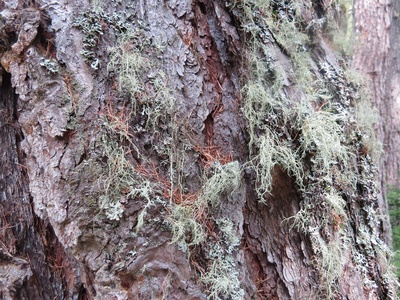
Usnea (old man’s beard)
Fruticose lichens that are highly sensitive to air pollutants; reduced abundance signals poor air quality. Citizen scientists and researchers use Usnea presence and diversity to map low-pollution zones and track recovery after emissions fall.
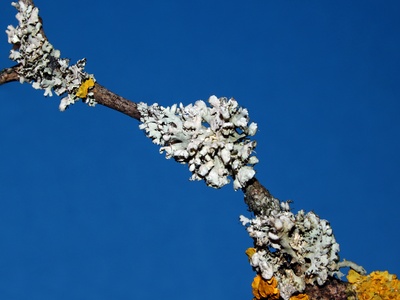
Hypogymnia physodes
A leafy lichen that responds quickly to sulphur dioxide and nitrogen deposition. Changes in its distribution and health provide accessible measures of regional air pollution and ecosystem recovery trends after emission reductions.
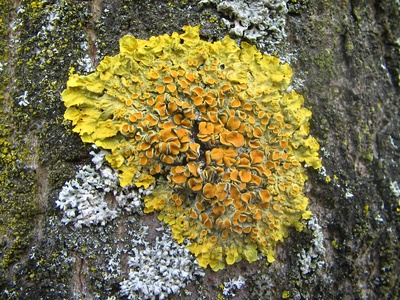
Xanthoria parietina
A bright orange lichen that thrives where atmospheric nitrogen deposition is high. Its increased abundance on trees and rocks often signals elevated nutrient inputs from agriculture, sewage, or air pollution.
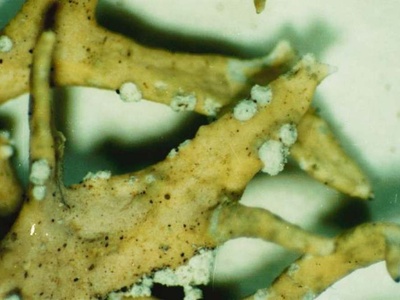
Evernia prunastri
A pendent lichen used historically in biomonitoring; its decline correlates with rising industrial sulphur and nitrogen pollution. Presence indicates cleaner air and intact forest canopy microenvironments.
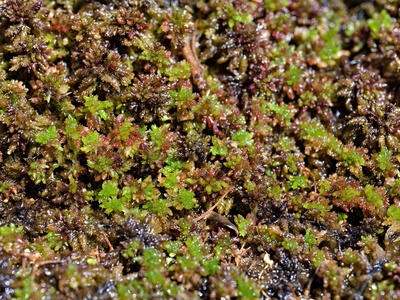
Sphagnum magellanicum
A dominant peat moss in bogs that helps build peat and maintain acidic, waterlogged conditions. Its abundance signals healthy carbon-sequestering peatlands and low disturbance or drainage impacts.
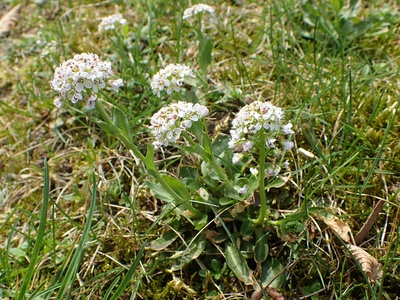
Thlaspi caerulescens
A metal-accumulating plant used to identify zinc and cadmium-rich soils. Scientists study its tissues to map metal contamination and explore phytoremediation; its occurrence often flags naturally or anthropogenically metal-enriched sites.
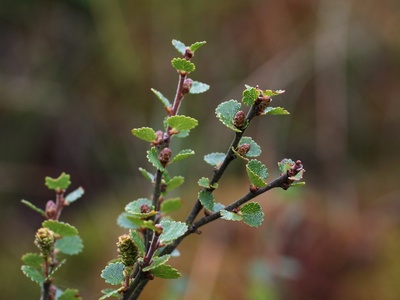
Betula nana
Dwarf birch whose increasing cover and height reflect warming Arctic summers. Expansion of Betula nana is a visible indicator of climate-driven vegetation change and associated impacts on albedo and carbon cycling.
Zostera marina
Eelgrass forms dense beds that require clear, nutrient-balanced waters. Declines in Zostera signal eutrophication, turbidity, or physical disturbance; healthy beds indicate good water quality and provide vital fish and invertebrate habitat.
Thalassia testudinum
Turtle grass builds extensive meadows that need clear, low-nutrient waters. Loss or thinning indicates pollution, sedimentation, or physical damage; intact meadows signal coastal ecosystem resilience and support fisheries.
Ulva intestinalis
Green seaweed that proliferates in nutrient-rich, eutrophic waters. Blooming Ulva indicates high nitrogen or phosphorus inputs from runoff or sewage; large mats harm oxygen levels and signify degraded coastal water quality.
Macrocystis pyrifera
A giant kelp forming underwater forests that rely on cool, nutrient-rich waters. Reductions or shifts in Macrocystis extent indicate warming, nutrient changes, or overgrazing; its presence supports diverse marine communities.
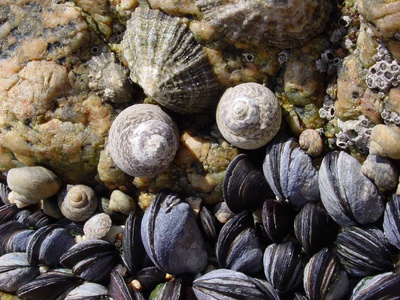
Mytilus edulis
Blue mussels filter large water volumes and accumulate contaminants in their tissues. Researchers use them as sentinel organisms to monitor heavy metals, persistent pollutants and overall coastal contamination across seasons and locations.
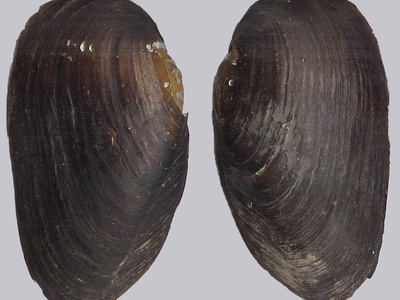
Margaritifera margaritifera
The freshwater pearl mussel needs clean, well-oxygenated, silt-free streams and a healthy salmonid host. Its rarity and sensitivity make surviving populations reliable indicators of long-term riverine quality and low disturbance.
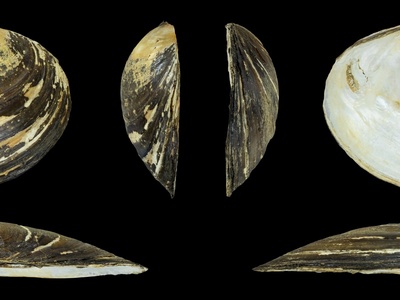
Anodonta anatina
A freshwater mussel sensitive to siltation, pollution and oxygen depletion. Its presence suggests balanced benthic conditions and moderate pollution levels; declines can indicate habitat degradation or contamination.
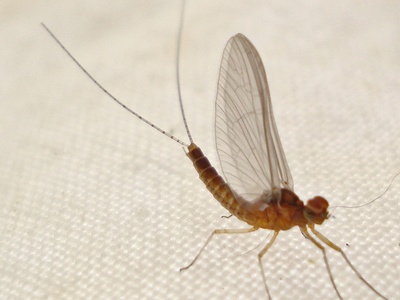
Baetis rhodani (mayfly)
A common mayfly species whose larvae require clean, well-oxygenated streams. High abundance signals low pollution and intact riffle habitats; mayfly community composition is central to biological water quality indices.
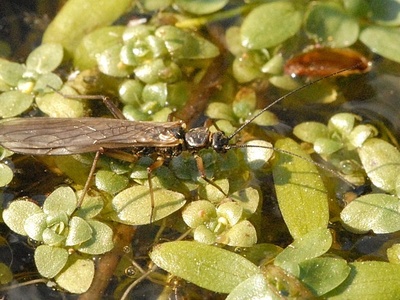
Perla marginata
A stonefly whose larvae only survive in well-oxygenated, unpolluted streams. The presence of such Plecoptera is a strong sign of healthy stream ecosystems and is used in biomonitoring programs.
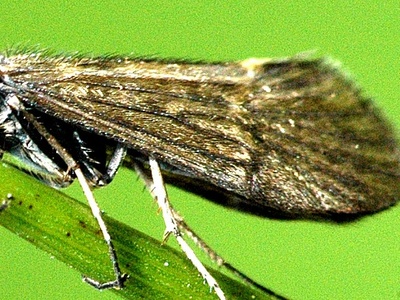
Hydropsyche pellucidula
A caddisfly whose larvae build nets in flowing water and require good oxygen and substrate. Their abundance helps indicate stream quality and intact riffle-pool habitat structure.
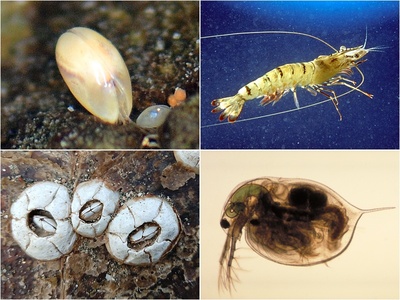
Daphnia magna
A planktonic water flea widely used in ecotoxicology; sensitive to toxins and nutrient shifts. Changes in Daphnia populations reveal contaminant pulses, eutrophication, or food-web alterations in freshwater ecosystems.
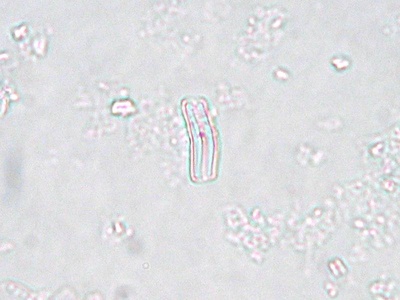
Achnanthidium minutissimum
A benthic diatom common in oligotrophic, low-nutrient waters. Diatom community shifts toward tolerant species like this one help scientists reconstruct water chemistry changes, pH shifts and pollution histories from sediments.
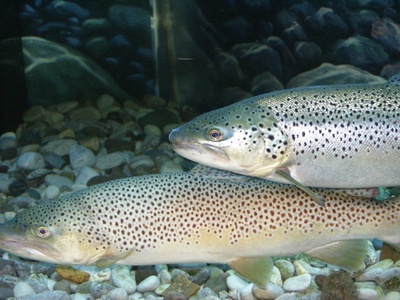
Salmo trutta
Brown trout require cold, well-oxygenated water and connected habitats for migration. Stable populations generally indicate good water quality and river continuity; declines often reflect warming, pollution or fragmentation.
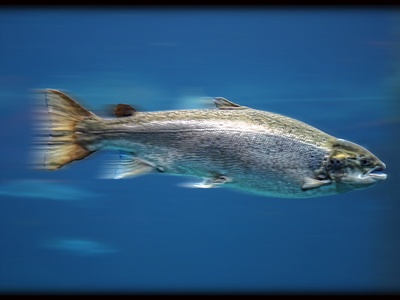
Salmo salar
Atlantic salmon depend on clean, accessible rivers and high-quality spawning gravels. Their population trends reflect riverine habitat condition, migration barriers, and marine prey availability, making them flagship river health indicators.
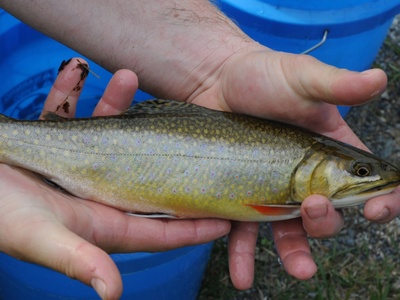
Salvelinus fontinalis
Brook trout are sensitive to warming, acidification and habitat disturbance. Populations contract with rising temperatures or acid deposition, so presence indicates intact coldwater ecosystems and suitable forested watersheds.
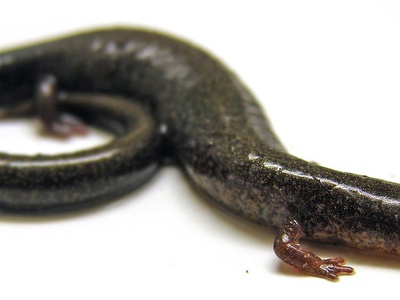
Plethodon cinereus
The red-backed salamander breathes through skin and needs moist, cool forest floors. Its abundance reflects intact leaf litter, soil moisture and microclimate stability—useful for tracking forest health and subtle climate effects.
Lithobates sylvaticus
The wood frog depends on ephemeral ponds and intact forested wetlands for breeding. Changes in its breeding success and distribution are sensitive signals of wetland loss, hydrological change and climate-driven timing shifts.
Rana temporaria
The common frog’s populations and breeding phenology respond to pollution, habitat loss and climate. Declines or altered breeding timing highlight degraded wetlands, pesticide exposure or temperature-driven ecological change.
Calopteryx splendens
A damselfly whose larvae need good oxygen levels and submerged vegetation. Adults rely on intact riparian zones; both larval and adult presence indicate healthy river corridors and low pollutant loads.
Anax junius
The green darner dragonfly uses diverse freshwater habitats; its seasonal movements and range shifts are monitored as indicators of wetland availability and broader climate-driven changes in insect phenology.

Fratercula arctica
Atlantic puffins rely on abundant, shallow schooling fish for feeding chicks. Colony breeding success and foraging distances reflect ocean productivity and warming-driven shifts in prey distribution, making them visible marine indicators.
Gavia immer
Common loons are piscivores whose health and reproductive success track fish abundance and contaminant bioaccumulation (notably mercury). Declines or poor chick survival often indicate lake ecosystem stress or pollution.

Pandion haliaetus
Ospreys feed almost exclusively on fish and concentrate pollutants in tissues and eggs. Their population trends, diet shifts and contaminant loads have long been used to monitor aquatic food web health and recovery from pollutants.
Acropora millepora
A branching reef coral highly susceptible to thermal stress. Bleaching and mortality events in Acropora signal ocean warming, acidification and local stressors; recovery or loss informs reef management and climate impact studies.
Lophelia pertusa
A reef-building deep-water coral forming biodiverse habitats dependent on stable cold conditions. Damage or loss signals changes in deep-sea currents, sedimentation or ocean chemistry and is a key indicator of deep-sea ecosystem health.
Ammonia tepida
A tolerant benthic foraminifer whose abundance increases in polluted, low-oxygen sediments. Foraminiferal assemblages shift predictably with pollution and salinity changes, so Ammonia populations are widely used in sediment quality assessments.
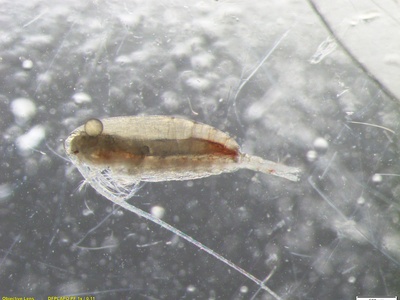
Calanus finmarchicus
A dominant copepod whose abundance and timing respond to sea temperature and productivity. Shifts in Calanus populations affect fish recruitment and are key indicators of climate-driven changes in pelagic food webs.
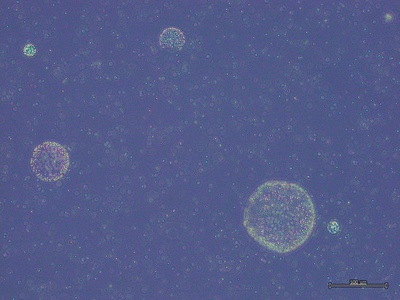
Phaeocystis globosa
A phytoplankton species prone to bloom under high nutrient loads, causing foam, oxygen depletion and ecosystem disruption. Recurring Phaeocystis blooms flag eutrophication from terrestrial runoff or sewage inputs.
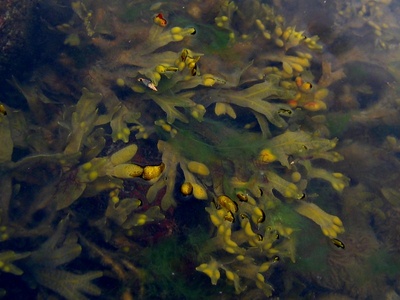
Fucus vesiculosus
Bladderwrack is a foundation intertidal seaweed sensitive to salinity and pollution. Reduced cover or altered morphology indicates eutrophication, increased turbidity or salinity shifts affecting coastal community composition.
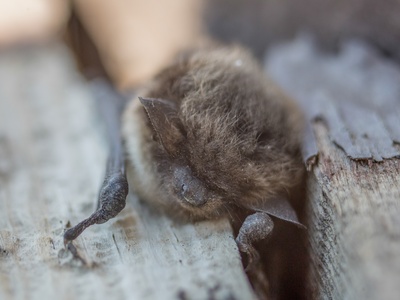
Myotis lucifugus
The little brown bat feeds on nocturnal insects and reflects insect abundance and landscape quality. Population declines (e.g., from disease or pesticides) indicate broader invertebrate losses and habitat degradation.
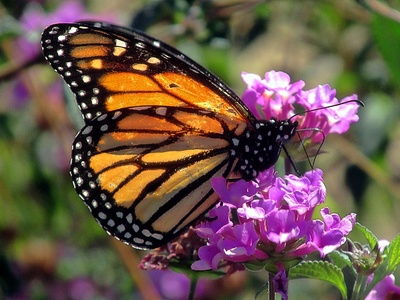
Danaus plexippus
Monarch butterflies require milkweed for breeding and large-scale habitats for migration. Population trends reveal breeding habitat loss, pesticide impacts and climate-related shifts in migration timing and overwintering survival.
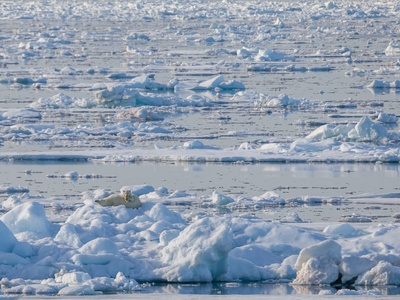
Ursus maritimus
Polar bears depend on sea ice for hunting seals; declining condition and distribution reflect shrinking ice and longer ice-free seasons. As apex predators, they provide stark signals of Arctic climate change impacts.
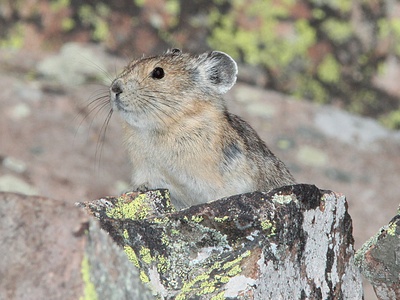
Ochotona princeps
American pikas are temperature-sensitive mountain mammals that cannot tolerate heat and rarely disperse long distances. Upward range contractions and local extinctions reveal warming-driven loss of cool alpine refuges.