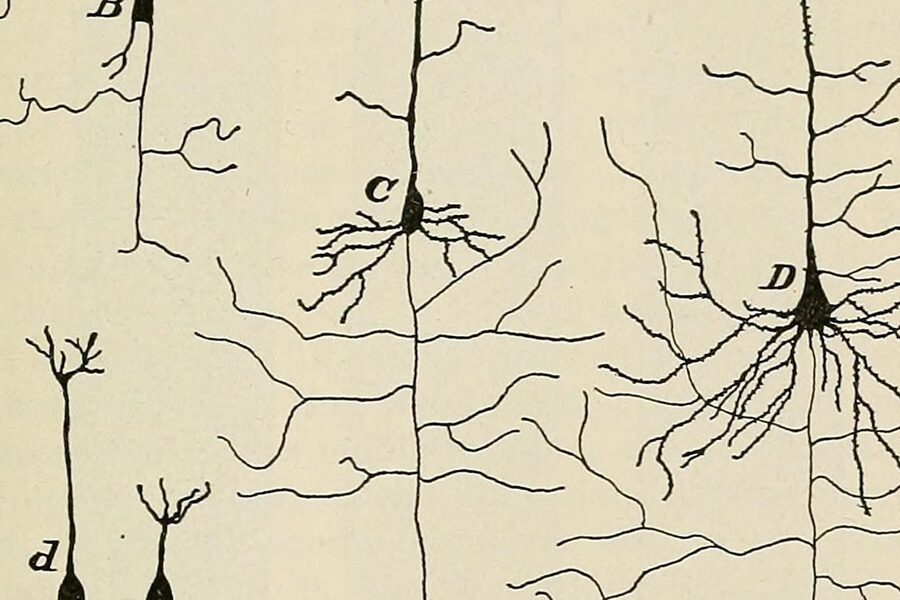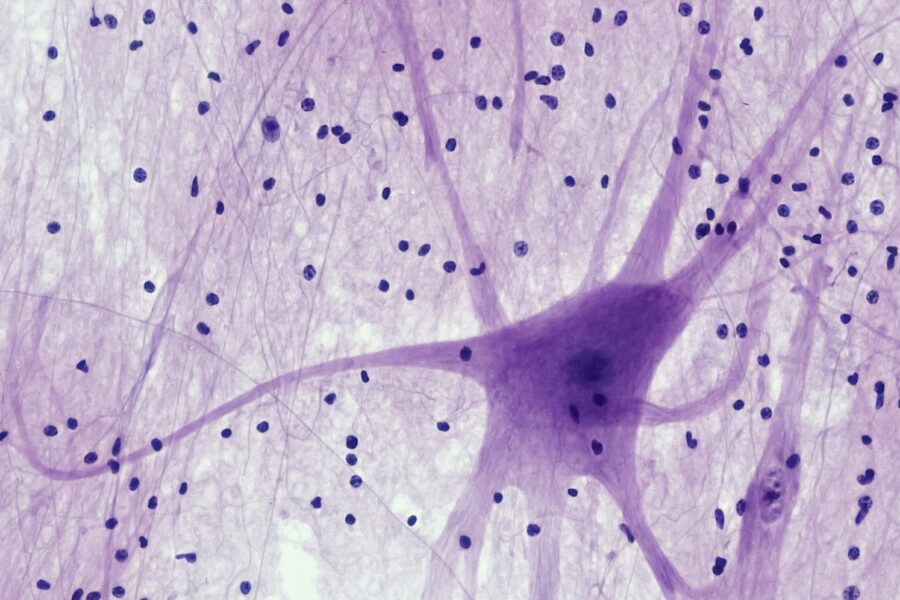
In 1906 Santiago Ramón y Cajal shared the Nobel Prize for work that first mapped neurons as individual cells—an insight that launched modern neuroscience more than a century ago. That breakthrough made clear a single truth: the brain is both architect and engineer, built from tiny parts whose interactions produce perception, memory, movement, and mood.
Yet the organ that creates our thoughts is staggeringly complex, so understanding it requires many complementary approaches. Anatomists trace circuits, physiologists measure electrical language, cognitive scientists link activity to decisions, and engineers build devices that read or write signals. Clinicians translate those discoveries into diagnostics and therapies that affect billions of lives.
Put simply: the brain can’t be understood from one angle. Different branches of neuroscience collaborate to map structure, explain function, and treat disease—work that powers advances in health, education, and technology. Below are eight key branches and what each contributes.
Foundational & Cognitive Neuroscience
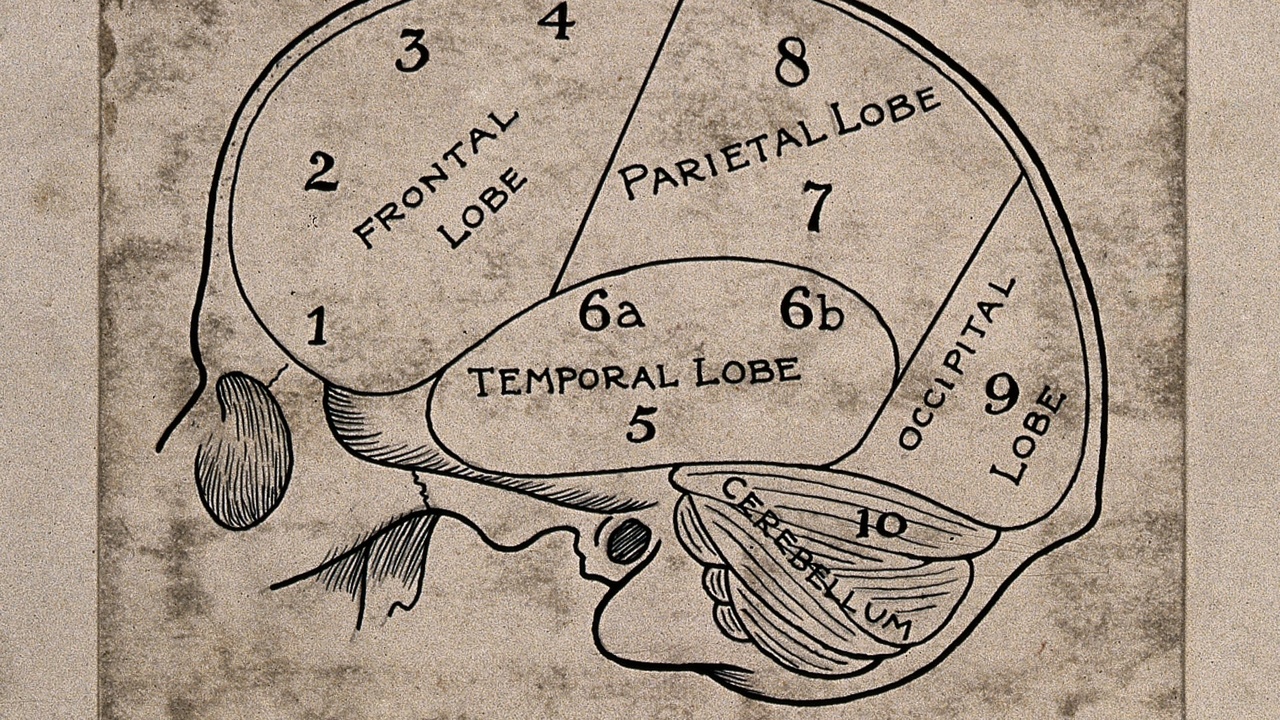
This category contains the fields that build the basic map and principles of brain structure and function. They give us the vocabulary—cells, layers, circuits—and the experiments that test how those parts produce behavior and cognition. Foundational work ranges from high-resolution atlases to cognitive studies that link activity patterns to perception and decision-making.
These subfields feed data and hypotheses into clinical work and computational modeling: anatomical atlases guide surgeons, electrophysiology informs epilepsy care, and cognitive imaging shapes rehabilitation strategies. The human brain contains on the order of 86 billion neurons, and large collaborative projects like the Human Connectome Project (launched in 2009) and resources such as the Allen Brain Atlas or the BigBrain 3D model have accelerated progress by making detailed maps widely available.
1. Neuroanatomy
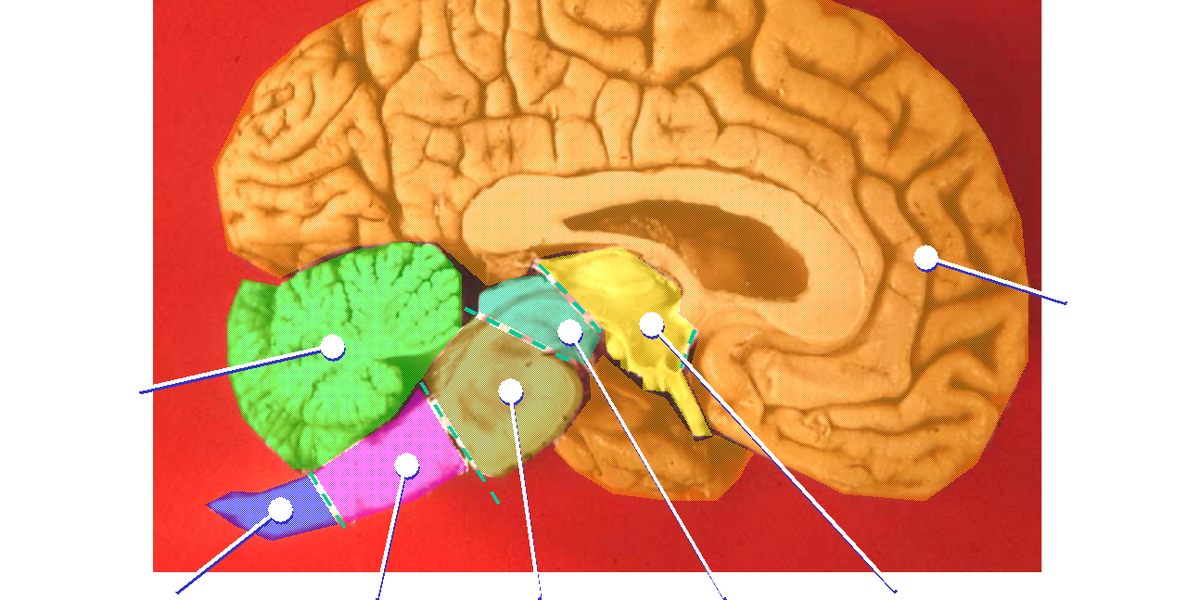
Neuroanatomy maps the brain’s physical structure from cells to circuits, showing where different cell types, pathways, and regions sit and how they connect.
Modern estimates put the human brain at roughly 86 billion neurons, and high-resolution projects such as the Allen Brain Atlas and the BigBrain model provide micron-scale and 3D maps researchers use daily.
Those maps have clear real-world impact: MRI-based atlases guide deep brain stimulation placement and stereotactic neurosurgery, and anatomical templates inform targeted drug delivery and the development of region-specific therapies used in clinical trials.
2. Neurophysiology
Neurophysiology studies the electrical and chemical signaling neurons use to communicate, from ion channels to network oscillations.
Action potentials last on the order of ~1 millisecond, and neuronal firing rates vary from below 1 Hz to several hundred Hz depending on cell type and state. Hans Berger recorded the first human EEG in 1924, opening noninvasive windows into brain activity that complement single-cell techniques like patch-clamp recording.
Clinical applications are direct: EEG is central to epilepsy monitoring and guides resective surgery, intraoperative neurophysiological monitoring reduces surgical risk, and ICU brain monitoring helps detect seizures or ischemia in critically ill patients.
3. Cognitive Neuroscience
Cognitive neuroscience connects perception, memory, language, and decision-making to brain activity using noninvasive and lesion-based methods.
Tools like fMRI, PET, TMS, and careful lesion studies reveal how activity patterns relate to cognitive tasks—fMRI BOLD contrasts often highlight regions that activate during memory encoding, language production, or attention shifts. Large efforts such as the Human Connectome Project (2009) have mapped networks that underlie these functions.
Practical outcomes include better stroke rehabilitation plans, diagnostics for language deficits, and even commercial applications such as neuromarketing services (for example, Nielsen Neuro) that use brain measures to study attention and preference.
Clinical & Translational Neuroscience
This group of fields translates basic discoveries into diagnostics, treatments, and practice that affect public health. Translational neuroscience shortens the path from lab to bedside by validating targets, running clinical trials, and shepherding devices and drugs through regulatory review.
The global burden is large and growing—dementia affected roughly 55 million people worldwide as of 2020—so advances in diagnosis and therapy have outsized human and economic impact. Organizations such as WHO, NIH, and the FDA play key roles in surveillance, funding, and approval of interventions and devices.
Below are clinical-focused branches that take mechanistic knowledge into care: diagnosing disorders, developing treatments, and building tools clinicians use every day.
4. Clinical Neurology
Clinical neurology diagnoses and treats disorders such as stroke, epilepsy, and neurodegenerative disease, applying evidence from basic science to patient care.
Dementia affected about 55 million people worldwide in 2020, and in the United States roughly 6–7 million people are living with Alzheimer’s disease (2023 estimates). Acute stroke care has evolved dramatically: intravenous tPA and mechanical thrombectomy devices now restore blood flow and reduce disability when delivered rapidly.
Other advances include epilepsy monitoring that leads to resective or neuromodulatory surgery, and Parkinson’s therapies such as levodopa and deep brain stimulation systems (example: Medtronic DBS) that emerged and scaled in the late 20th and early 21st centuries.
5. Neuropsychiatry
Neuropsychiatry sits at the intersection of neuroscience and mental health, treating conditions like depression, schizophrenia, and bipolar disorder with brain-informed approaches.
More than 280 million people worldwide live with depression according to WHO estimates, so translating neurotransmitter and circuit findings into treatments has wide impact. Pharmacology informed by neurotransmitter research remains central, while neuromodulation is gaining traction—repetitive transcranial magnetic stimulation (rTMS) received FDA clearance for depression in 2008.
Emerging options include ketamine for treatment-resistant depression and commercial rTMS systems (example: BrainsWay). Clinics now combine pharmacology, psychotherapy, and device-based interventions to personalize care.
6. Neuroimaging & Diagnostic Neuroscience
This branch develops and applies imaging and diagnostic tools—MRI, fMRI, PET, CT, and EEG—to detect disease, map function, and monitor therapy response.
Clinical translation reached new milestones in the 2010s when several amyloid PET tracers (for example, florbetapir/Amyvid) received FDA clearance for clinical use, enabling in vivo detection of Alzheimer pathology. High-field MRI and advanced sequences now support presurgical mapping, while rapid CT and MRI protocols are standard in acute stroke triage.
Applications include earlier diagnosis of Alzheimer’s disease, precise tumor localization, and longitudinal monitoring of treatment effects in trials—work often coordinated with NIH-funded studies and peer-reviewed research to demonstrate clinical utility.
Computational, Systems & Neuroengineering
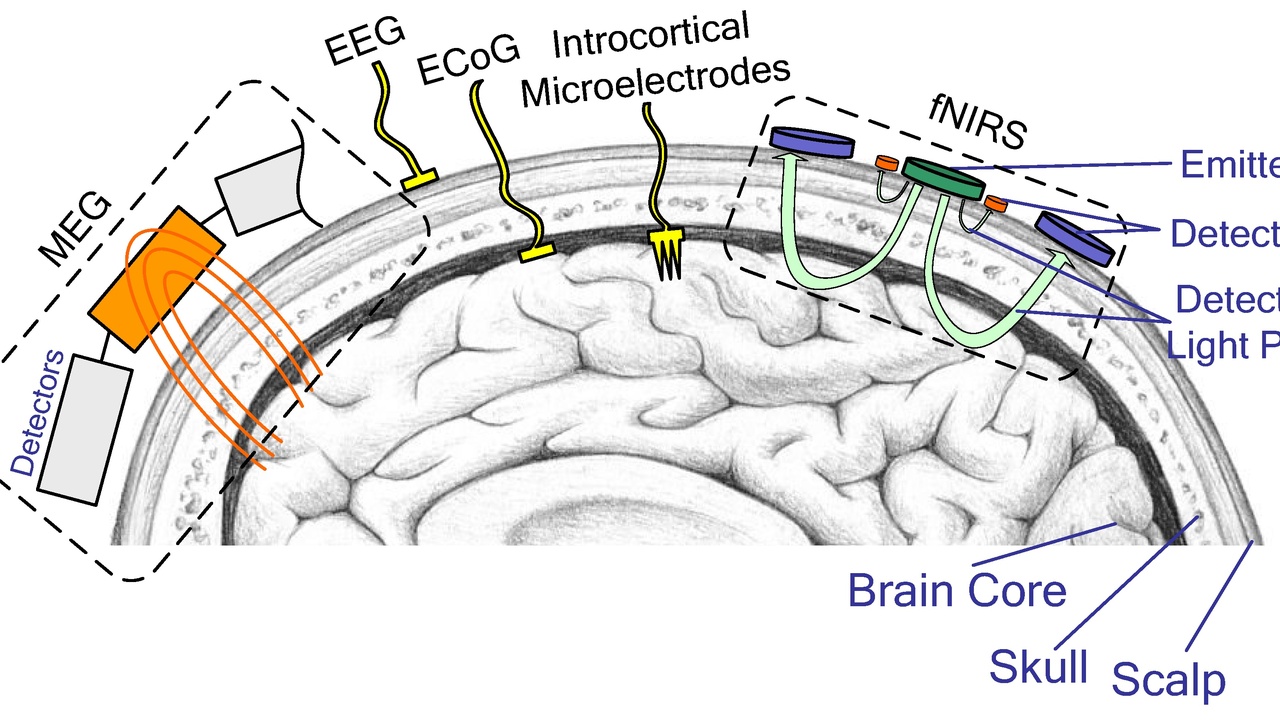
These branches build models, algorithms, and devices inspired by or interacting with the nervous system. They test theories by implementing them and then use neural data to improve algorithms and hardware.
Computational approaches are both explanatory and practical: mathematical models clarify learning rules and network dynamics, while neuroengineering produces brain–computer interfaces (BCIs) and prosthetics that restore function. Projects such as BrainGate demonstrations and the Human Connectome Project have bridged theory and application, and as devices move toward clinical use they raise ethical and regulatory questions about safety, privacy, and access.
7. Systems Neuroscience
Systems neuroscience studies circuits and networks that support perception, movement, and behavior, scaling from microcircuits to whole-brain networks.
Connectivity mapping efforts such as the Human Connectome Project inform how regions talk to one another and how network dysfunction produces symptoms. Those insights guided early neuroprosthetic concepts and improvements in sensory prostheses.
Practical results include cochlear implants—now widely adopted to restore hearing—and retinal prostheses such as the Argus II that illustrate how circuit-level knowledge can be harnessed to restore a sense. Systems work also informs rehabilitation after spinal cord injury by targeting network reorganization.
8. Computational Neuroscience & Neuroengineering
This combined branch builds mathematical models, algorithms, and devices that read, interpret, or write neural signals to enable communication and control.
Milestone demonstrations such as BrainGate showed that people with paralysis could control cursors and robotic limbs using neural signals in human trials starting in the 2000s and 2010s, and hardware like the Utah array made high-resolution recording possible. Commercial and research companies—Neuralink, Blackrock Neurotech, and Synchron—are advancing implantable and minimally invasive approaches, while consumer EEG headsets (example: Emotiv) provide lower-resolution but accessible interfaces.
Applications include BCIs for communication, motor neuroprosthetics, and machine-learning models inspired by neural computation. At the same time, these devices prompt crucial ethical and regulatory work around informed consent, data privacy, and long-term safety.
Summary
- Neuroscience is plural: multiple specialized fields—from neuroanatomy to neuroengineering—work in parallel to map structure, measure signals, and translate findings into care and technology.
- Basic science matters: detailed resources such as the Allen Brain Atlas and the ~86 billion-neuron estimate provide the foundation that enables precise surgery, diagnostics, and device design.
- Translation reaches millions: clinical branches address major public-health burdens (for example, ~55 million people with dementia in 2020) through drugs, devices (DBS), and imaging advances (amyloid PET).
- Engineering converts knowledge into capability—examples range from BrainGate BCI demonstrations to cochlear implants—yet these advances demand parallel ethical, regulatory, and access work.
- Want to stay informed? Follow reputable sources, support research funding, and look for clinical evidence when new treatments or devices are promoted; these branches of neuroscience will keep reshaping medicine and technology for decades to come.