From university labs to farm fields and protected reserves, life science topics shape how we study living systems and solve real-world problems. This list is designed for quick scanning whether you’re exploring career options, planning a syllabus, or mapping research interests.
There are 59 Life Science Topics, ranging from Agriculture to Zoology. Each entry is organized by Category,Scope,Examples / where studied to make it easy to compare focus areas, typical research settings, and representative examples — you’ll find below.
How can I use this list to narrow down a field of study?
Scan the Category column to spot broad areas that match your interests (e.g., ecology vs. molecular biology), then check Scope for the scale and methods used; Examples / where studied shows typical labs, ecosystems, or industries where that topic is active to help you choose practical next steps.
Are topics on the list distinct or likely to overlap in research and careers?
Many topics overlap—techniques, organisms, and goals often cross categories—so use the Scope and Examples / where studied to identify interdisciplinary opportunities and see which combinations of topics fit your goals.
Life Science Topics
| Topic | Category | Scope | Examples / where studied |
|---|---|---|---|
| Biochemistry | Molecular & Cellular | Molecules and chemical reactions | Metabolism, drug development, food science |
| Cell Biology | Molecular & Cellular | Cells, organelles, and their functions | Cancer research, developmental studies, immunology |
| Molecular Biology | Molecular & Cellular | DNA, RNA, proteins, and their interactions | Genetics, disease diagnosis, biotechnology |
| DNA | Molecular & Cellular | The molecule of heredity | Genetics, forensics, ancestry testing |
| Proteins | Molecular & Cellular | Molecular machines and structures | Enzymes, antibodies, muscle fibers, nutrition |
| Enzymes | Molecular & Cellular | Biological catalysts for chemical reactions | Digestion, metabolism, industrial processes |
| Cellular Respiration | Molecular & Cellular | Cellular energy production | Metabolism, exercise physiology, disease |
| Photosynthesis | Molecular & Cellular | Converting light energy into chemical energy | Plants, algae, some bacteria, climate science |
| Genetics | Genetics | Heredity and variation of inherited traits | Inherited diseases, agriculture, evolution |
| Gene Expression | Genetics | The process of turning genes ‘on’ and ‘off’ | Development, disease, cellular function |
| Mutation | Genetics | Changes in the DNA sequence | Evolution, genetic disorders, cancer research |
| Genomics | Genetics | An organism’s complete set of DNA | Personalized medicine, evolutionary biology, agriculture |
| Epigenetics | Genetics | Modifications to DNA that don’t change the sequence | Aging, cancer, development, inheritance |
| Inheritance | Genetics | Passing of traits from parents to offspring | Family genetics, plant breeding, pedigree analysis |
| Physiology | Physiology | Functions and mechanisms of a living system | Medicine, sports science, animal studies |
| Neuroscience | Physiology | The nervous system and the brain | Psychology, medicine, artificial intelligence |
| Immunology | Physiology | The immune system and its functions | Vaccines, allergies, autoimmune diseases |
| Endocrinology | Physiology | Hormones and the glands that produce them | Diabetes, thyroid disorders, reproductive health |
| Homeostasis | Physiology | Maintaining a stable internal environment | Body temperature, blood sugar levels, hydration |
| Metabolism | Physiology | Chemical reactions that sustain life | Nutrition, weight management, metabolic disorders |
| Developmental Biology | Organismal | Growth and development of an organism | Embryology, stem cell research, regeneration |
| Anatomy | Organismal | Structure of living things | Medicine, surgery, physical therapy, art |
| Zoology | Organismal | The study of the animal kingdom | Wildlife conservation, veterinary medicine, ecology |
| Botany | Organismal | The scientific study of plants | Agriculture, forestry, pharmacology, climate science |
| Microbiology | Organismal | Study of microscopic organisms | Infectious diseases, food production, bioremediation |
| Virology | Organismal | The study of viruses | Vaccine development, epidemiology, genetic engineering |
| Mycology | Organismal | The scientific study of fungi | Medicine (antibiotics), food (mushrooms, yeast), ecology |
| Marine Biology | Organismal | Study of life in the ocean | Ocean conservation, fisheries management, climate change |
| Ethology | Organismal | The scientific study of animal behavior | Wildlife management, animal training, psychology |
| Taxonomy | Organismal | Classification and naming of organisms | Biodiversity studies, conservation, evolutionary biology |
| Paleontology | Organismal | The study of the history of life on Earth | Fossils, museums, evolutionary history |
| Evolution | Ecology & Evolution | Change in heritable traits over generations | All biology, medicine, conservation |
| Natural Selection | Ecology & Evolution | Mechanism for evolutionary change | Antibiotic resistance, adaptation, species diversity |
| Ecology | Ecology & Evolution | Interactions between organisms and their environment | Conservation, resource management, climate change |
| Ecosystem Science | Ecology & Evolution | Interactions between living and non-living components | Forests, coral reefs, wetlands, climate modeling |
| Biodiversity | Ecology & Evolution | The variety of life on Earth | Conservation, ecosystem stability, drug discovery |
| Conservation Biology | Ecology & Evolution | Protection and management of biodiversity | Endangered species, habitat restoration, national parks |
| Population Dynamics | Ecology & Evolution | Changes in population size and structure | Wildlife management, epidemiology, conservation |
| Symbiosis | Ecology & Evolution | Close and long-term interaction between two species | Coral reefs, lichens, gut microbiome |
| Medicine | Applied/Clinical | Diagnosis, treatment, and prevention of disease | Hospitals, clinics, public health |
| Pharmacology | Applied/Clinical | Study of drugs and their effects on the body | Drug development, pharmacy, toxicology |
| Biotechnology | Applied/Clinical | Using biological systems for technological purposes | Genetic engineering, drug manufacturing, biofuels |
| Agriculture | Applied/Clinical | Cultivating plants and livestock | Farming, food production, crop science |
| Bioinformatics | Applied/Clinical | Using computation to analyze biological data | Genomics, drug discovery, personalized medicine |
| Epidemiology | Applied/Clinical | Patterns, causes, and effects of health conditions | Public health, disease outbreak investigation |
| Food Science | Applied/Clinical | The study of the physical and chemical nature of food | Food safety, nutrition, product development |
| Forensic Science | Applied/Clinical | Application of science to criminal and civil laws | Crime scene investigation, DNA analysis, toxicology |
| Genetic Engineering | Applied/Clinical | Direct manipulation of an organism’s genes | GMO crops, gene therapy, insulin production |
| Pathology | Applied/Clinical | The study of the causes and effects of disease | Disease diagnosis, cancer research, autopsies |
| Microscopy | Methods/Tools | Using microscopes to view small objects | Cell biology, pathology, materials science |
| DNA Sequencing | Methods/Tools | Determining the precise order of nucleotides in DNA | Genomics, forensics, disease diagnostics |
| PCR | Methods/Tools | Amplifying small segments of DNA | Forensics, genetic testing, infectious disease diagnosis |
| CRISPR-Cas9 | Methods/Tools | A tool for precise gene editing | Gene therapy, agricultural biotechnology, research |
| Model Organisms | Methods/Tools | Non-human species studied to understand biology | Mice, fruit flies, yeast, zebrafish in labs |
| Cell Culture | Methods/Tools | Growing cells outside of their natural environment | Drug testing, vaccine production, stem cell research |
| Synthetic Biology | Emerging | Designing and constructing new biological parts | Biofuels, custom medicines, biosensors |
| Systems Biology | Emerging | Holistic study of complex biological systems | Drug development, personalized medicine, modeling |
| Microbiome Research | Emerging | Study of microorganisms in a particular environment | Human gut health, immunology, ecology |
| Astrobiology | Emerging | The study of life in the universe | Search for extraterrestrial life, Mars rovers |
Images and Descriptions
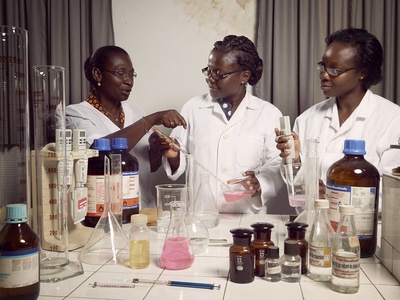
Biochemistry
The study of chemical processes within living organisms. It’s the chemistry of life, explaining how cells get energy, build components, and communicate.
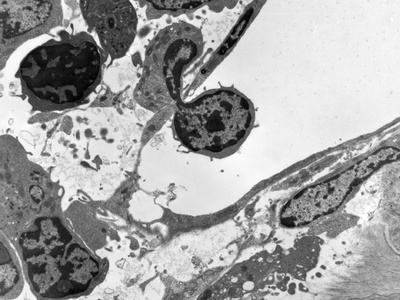
Cell Biology
The study of cells, their structure, and their function. This field explores the fundamental unit of life to understand how organisms are built and maintained.
Molecular Biology
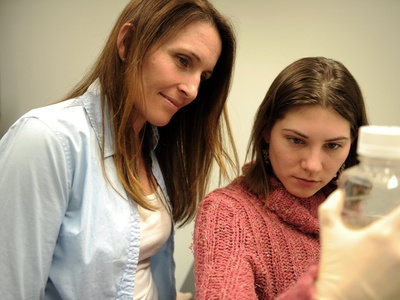
The study of biology at the molecular level, focusing on the interactions between DNA, RNA, and proteins. It’s central to understanding how genetic information is used.
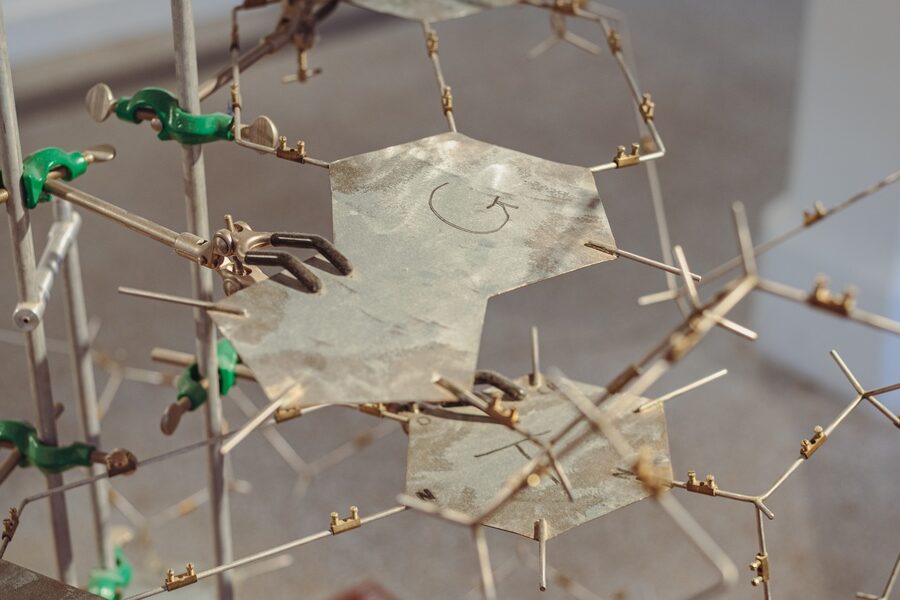
DNA
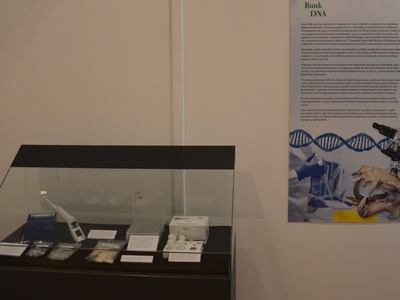
Deoxyribonucleic acid is the molecule carrying the genetic instructions for the development, functioning, growth, and reproduction of all known organisms and many viruses.
Proteins
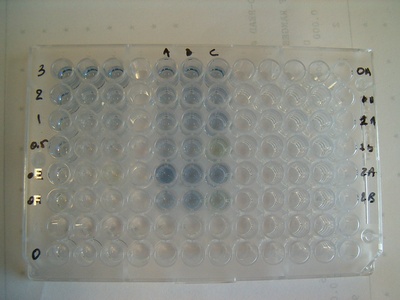
Large, complex molecules that do most of the work in cells. They are required for the structure, function, and regulation of the body’s tissues and organs.
Enzymes
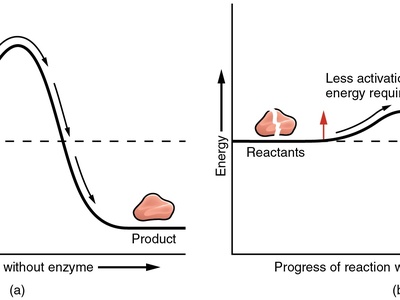
Proteins that act as biological catalysts, speeding up chemical reactions in cells. They are essential for digestion, energy production, and countless other processes.
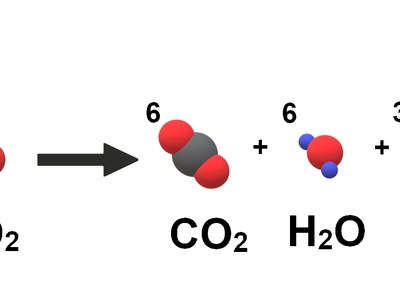
Cellular Respiration
The process by which cells convert nutrients like glucose into usable energy in the form of ATP. It’s how your body powers everything it does.
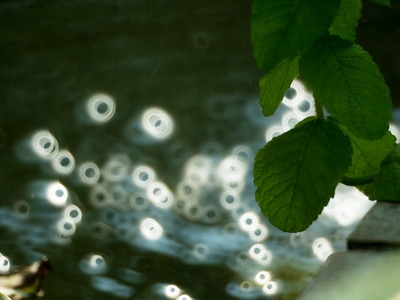
Photosynthesis
The process used by plants, algae, and certain bacteria to turn light energy into chemical energy, creating food and releasing oxygen as a byproduct.
Genetics
The study of genes, genetic variation, and heredity in organisms. It explores how traits are passed from one generation to the next.
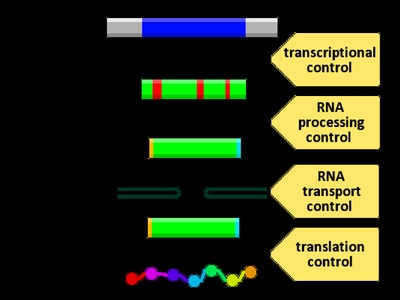
Gene Expression
The process by which information from a gene is used to create a functional product, such as a protein. It determines a cell’s function and characteristics.
Mutation
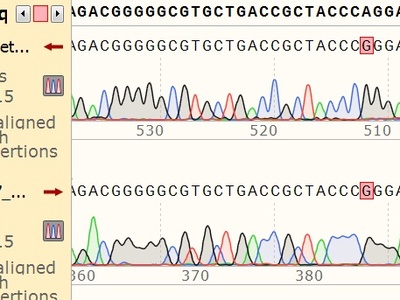
A change in the DNA sequence of an organism. Mutations are the ultimate source of genetic variation, driving evolution but also causing disease.
Genomics
The study of an organism’s entire set of DNA, or genome. It helps us understand the genetic basis of diseases and the relationships between species.
Epigenetics
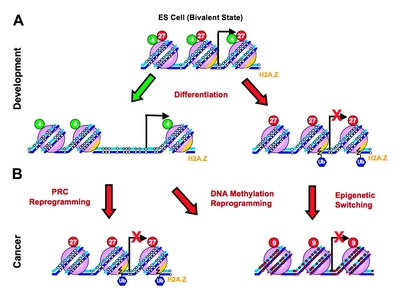
The study of heritable changes in gene expression that do not involve changes to the underlying DNA sequence. Think of it as the software that runs the DNA hardware.
Inheritance
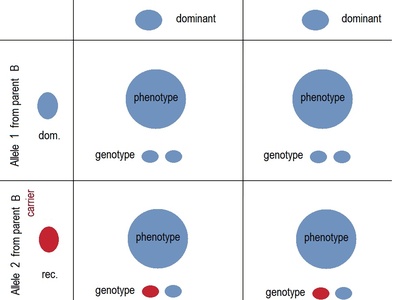
The process by which genetic information is passed on from parent to child. It’s why we resemble our families and is the basis of heredity.
Physiology
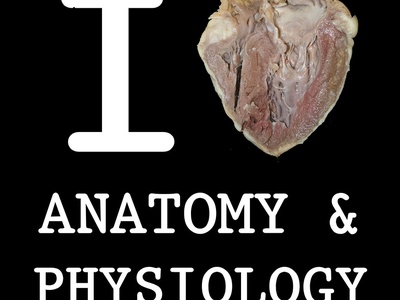
The scientific study of how the bodies of living things work. It explores the functions of organs, systems, and cells and how they work together to maintain life.
Neuroscience
The scientific study of the nervous system, including the brain, spinal cord, and nerves. It seeks to understand how we think, feel, and behave.

Immunology
The study of the immune system, the body’s defense network against infection and disease. It’s crucial for understanding vaccines, allergies, and autoimmune disorders.

Endocrinology
The study of the endocrine system, which regulates mood, growth, metabolism, and reproduction through hormones. It is key to understanding and treating hormonal imbalances.

Homeostasis
The ability of an organism to maintain a stable, constant internal condition despite changes in its external environment. It’s the body’s essential balancing act.

Metabolism
The set of life-sustaining chemical reactions in organisms. It involves converting food into energy and building blocks for cells.
Developmental Biology
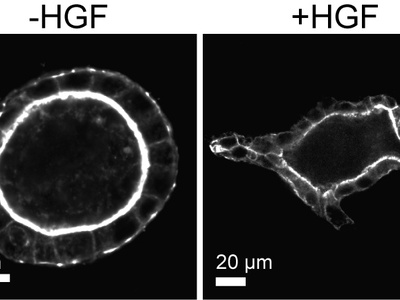
The study of the process by which an organism grows and develops from a single cell into a complex being. It helps explain how bodies are built and repaired.
Anatomy
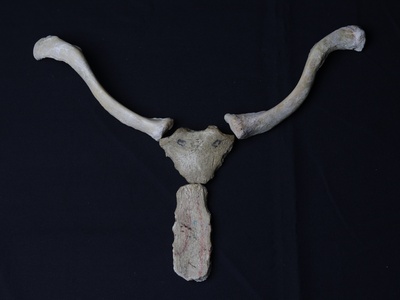
The study of the structure of organisms and their parts. It provides the fundamental map of the body that is essential for all medical fields.

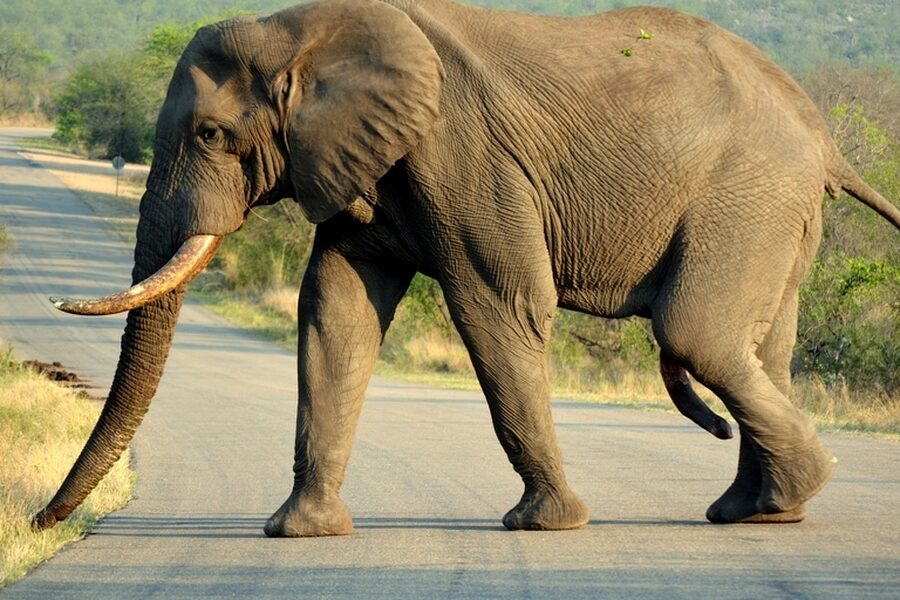
Zoology
The branch of biology that studies the animal kingdom, including their structure, behavior, classification, and distribution.
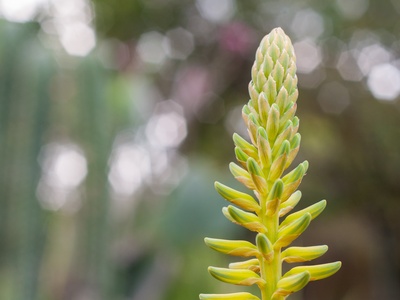
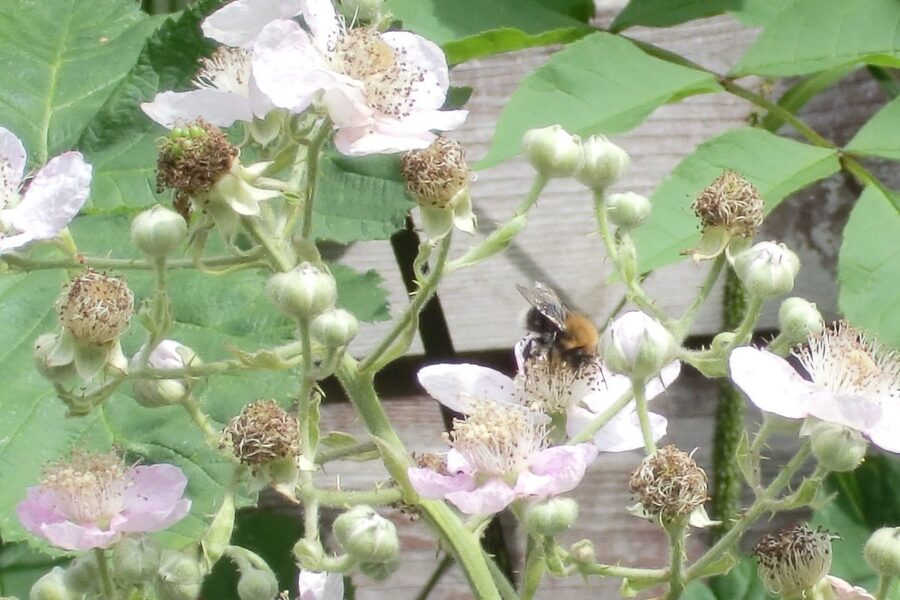
Botany
The scientific study of plant life. It covers everything from tiny algae to giant redwood trees and is vital for agriculture, medicine, and environmental science.
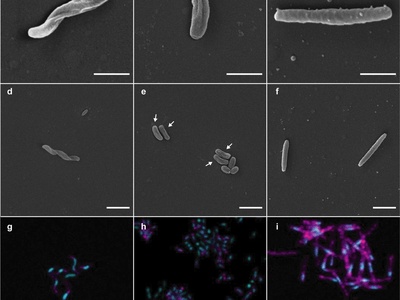
Microbiology
The study of microorganisms such as bacteria, viruses, fungi, and protozoa. This field is critical for understanding disease, producing food like yogurt, and cleaning up pollution.
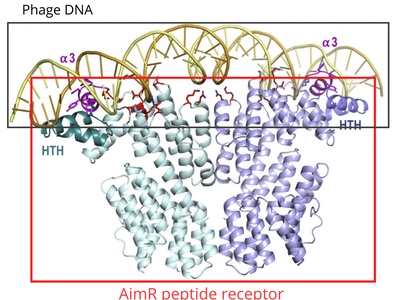
Virology
The branch of microbiology focused on viruses and viral diseases. Virologists work to understand, prevent, and treat viral infections like the flu and COVID-19.
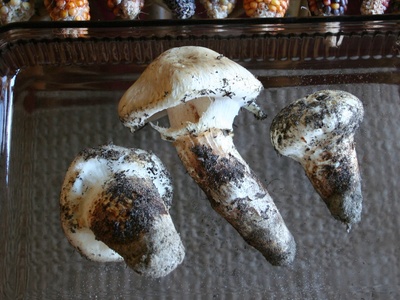
Mycology
The study of fungi, including yeasts, molds, and mushrooms. Fungi are essential decomposers, sources of medicine like penicillin, and key players in our ecosystems.
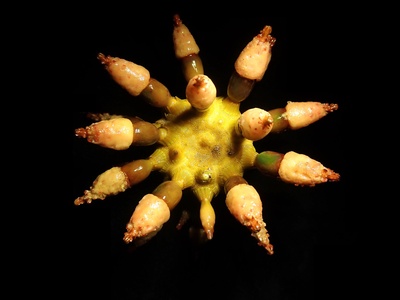
Marine Biology
The scientific study of organisms in the ocean or other marine or brackish bodies of water. It explores the vast and diverse life forms in marine ecosystems.
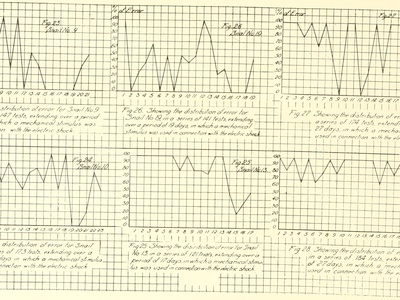
Ethology
The scientific and objective study of animal behavior, usually with a focus on behavior under natural conditions and viewing behavior as an evolutionary adaptive trait.
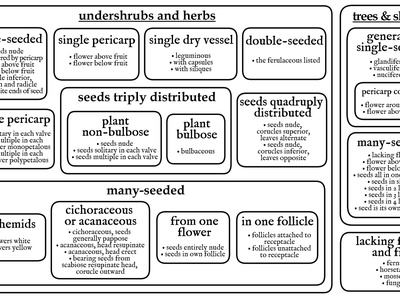
Taxonomy
The science of naming, defining, and classifying groups of biological organisms based on shared characteristics. It creates the “family tree” for all of life.
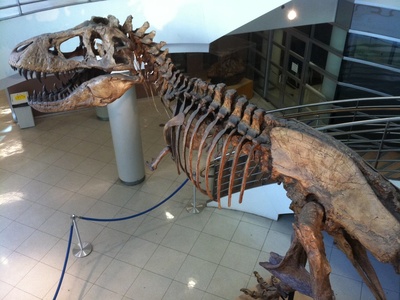
Paleontology
The study of life before the Holocene Epoch, based on fossils. Paleontologists uncover the history of life on Earth, from dinosaurs to early humans.
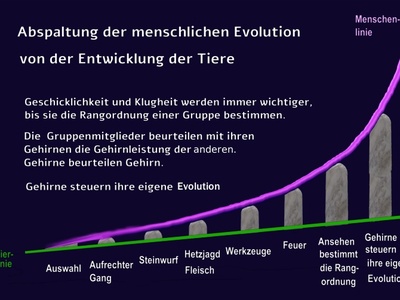
Evolution
The process by which different kinds of living organisms are thought to have developed and diversified from earlier forms during the history of the earth. It is the unifying principle of biology.
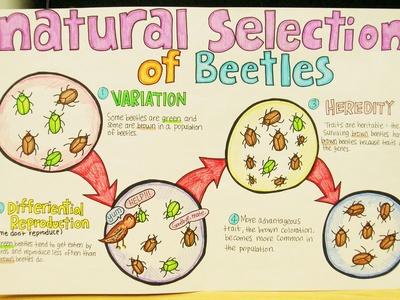
Natural Selection
The process whereby organisms better adapted to their environment tend to survive and produce more offspring. It’s the primary driving force of evolution.
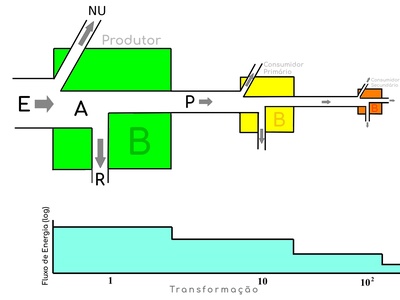
Ecology
The study of how organisms interact with one another and with their physical environment. It helps us understand the delicate balance of nature.
Ecosystem Science
The study of ecosystems as a whole, including the flow of energy and nutrients between living organisms and their non-living environment.

Biodiversity
The variety of life in the world or in a particular habitat or ecosystem. High biodiversity is crucial for ecosystem health and provides many benefits to humans.
Conservation Biology
The science of protecting and managing Earth’s biodiversity. Its goal is to protect species, their habitats, and ecosystems from extinction and erosion.
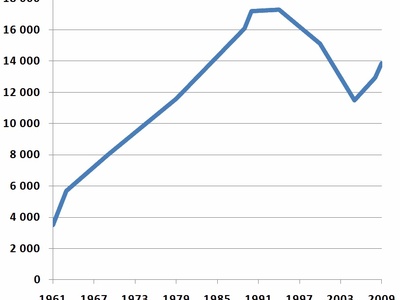
Population Dynamics
The study of how and why populations change in size and structure over time. It is used to manage wildlife, control pests, and understand disease spread.
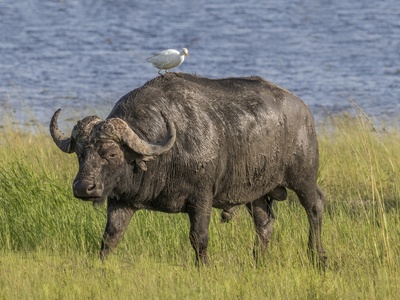
Symbiosis
A long-term interaction between two different biological species. These relationships can be mutualistic (both benefit), commensalistic, or parasitic.
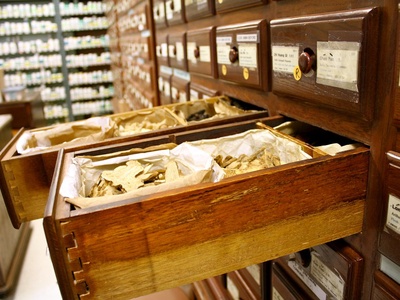
Medicine
The science and practice of caring for a patient, managing the diagnosis, prognosis, prevention, treatment, or palliation of their injury or disease.
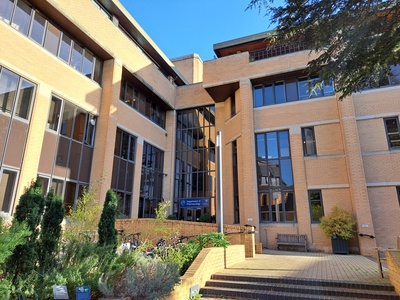
Pharmacology
The science of how drugs work and how the body responds to them. It is the foundation of developing new medicines to treat diseases.
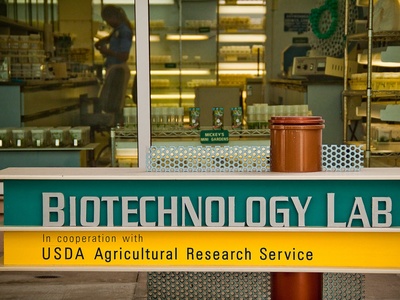
Biotechnology
The use of living organisms or their products to create or modify products for specific uses, from making beer and cheese to developing life-saving drugs.

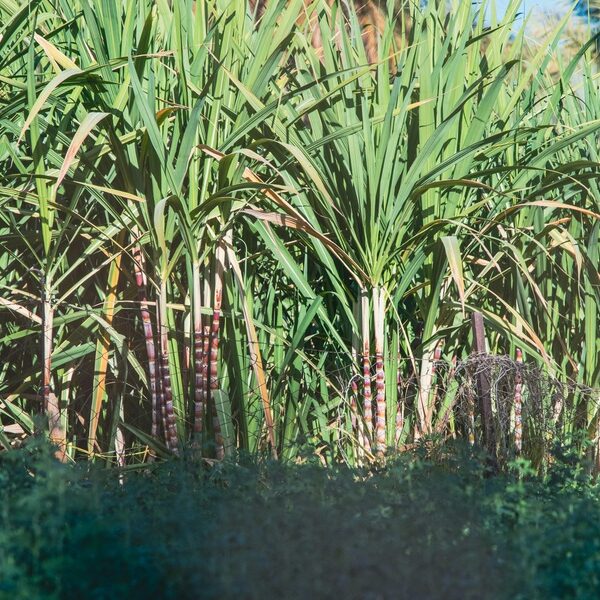
Agriculture
The science and art of cultivating plants and livestock. It is the foundation of our food supply and a major area of applied biological research.
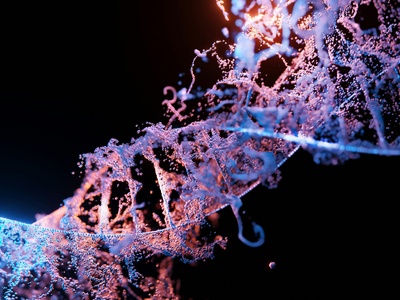
Bioinformatics
An interdisciplinary field that develops methods and software tools for understanding biological data, especially large and complex data sets like genomes.
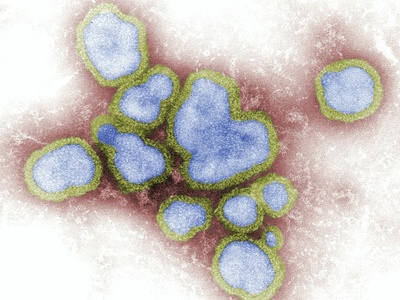
Epidemiology
The study of how often diseases occur in different groups of people and why. It is the cornerstone of public health, informing policy and evidence-based practice.
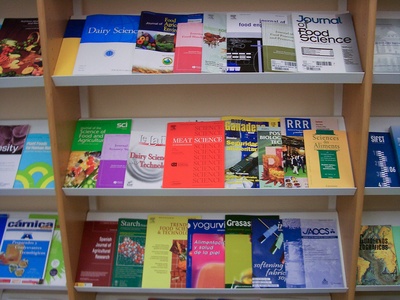
Food Science
The study of the physical, biological, and chemical makeup of food, and the concepts underlying food processing. It ensures our food is safe, nutritious, and appealing.
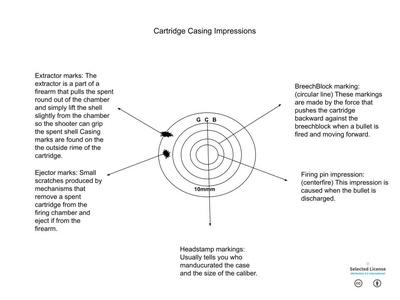
Forensic Science
The application of scientific principles and techniques to matters of criminal and civil law. A key tool is DNA fingerprinting to identify individuals.
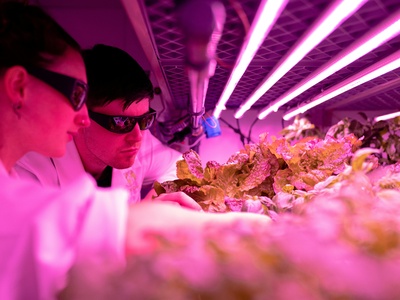
Genetic Engineering
The direct modification of an organism’s genetic material (DNA). It is used in agriculture to improve crops and in medicine to produce drugs and treat genetic diseases.
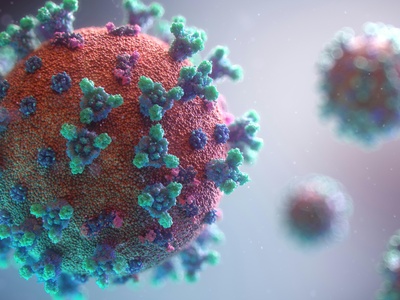
Pathology
The medical specialty concerned with the cause, origin, and nature of disease. Pathologists analyze tissues and fluids to diagnose illness and guide treatment.
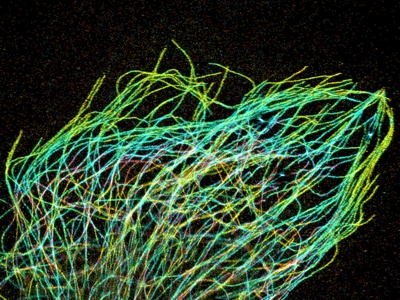
Microscopy
The technical field of using microscopes to view objects and areas of objects that cannot be seen with the naked eye. It is fundamental to seeing the cellular world.
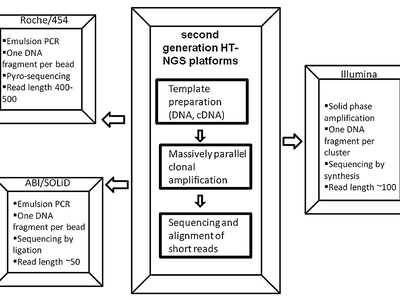
DNA Sequencing
The process of determining the exact order of the A, C, G, and T bases in a piece of DNA. It allows us to read the genetic blueprint of any organism.
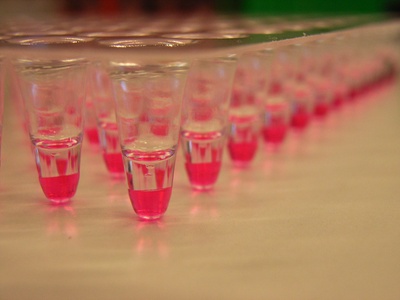
PCR
Polymerase Chain Reaction is a technique used to make millions of copies of a specific DNA segment. It’s like a photocopier for DNA, essential in labs worldwide.
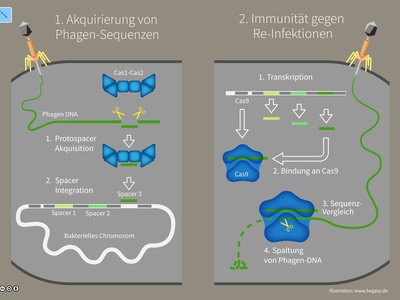
CRISPR-Cas9
A powerful and precise gene-editing technology that allows scientists to change an organism’s DNA. It has revolutionary potential for treating genetic diseases.
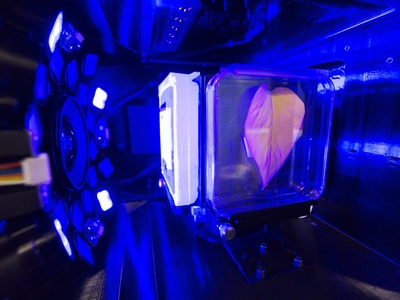
Model Organisms
A species that is extensively studied to understand particular biological phenomena, with the expectation that discoveries will provide insight into other organisms.
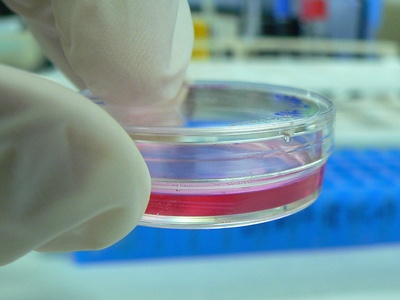
Cell Culture
The process by which cells are grown under controlled conditions, generally outside their natural environment. It is a cornerstone of modern biological research.
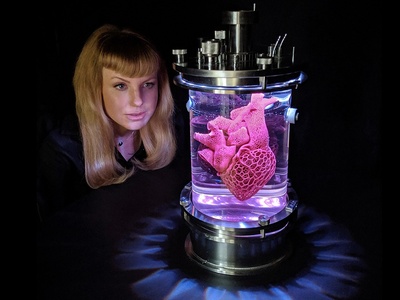
Synthetic Biology
A field of science that involves redesigning organisms for useful purposes by engineering them to have new abilities. It’s like genetic engineering on a grand scale.
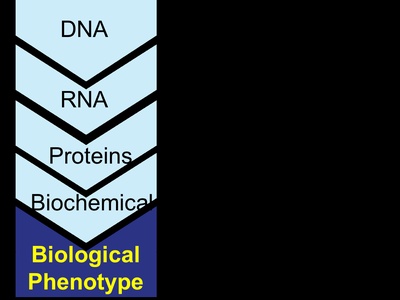
Systems Biology
An approach that studies the complex interactions within biological systems, aiming to understand the system as a whole rather than just its individual parts.
Microbiome Research
The study of the communities of microbes (like bacteria and fungi) that live on and in other organisms, such as the human gut. It’s transforming our view of health.

Astrobiology
An interdisciplinary field that studies the origin, evolution, distribution, and future of life in the universe. It tackles questions like “Are we alone?”.