In 1968, computer scientist Ivan Sutherland built the first head-mounted display — what he called the “Sword of Damocles” — a crude ancestor of today’s augmented reality systems.
Since that mechanical prototype, overlays that blend digital information with the physical world have moved from lab curiosities to practical tools. The advantages of augmented reality now show up in how technicians fix aircraft, how students study anatomy, how surgeons plan operations, and how people try furniture before they buy it.
Augmented reality delivers tangible advantages across business, education, healthcare, and everyday life by overlaying useful digital information onto the physical world to improve decisions, speed learning, and boost user experiences. Read on for eight concrete benefits, grouped into four practical categories, with real examples and quick takeaways you can act on.
Business and Productivity Benefits
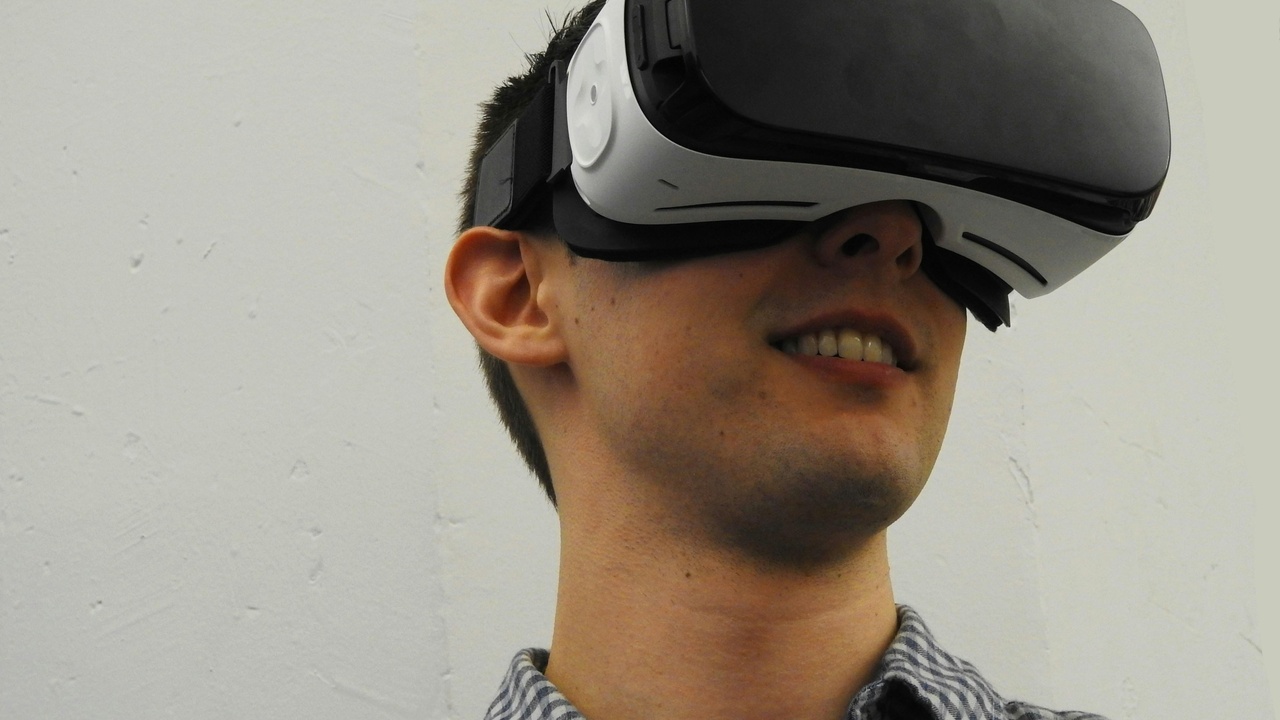
Companies are adopting AR tools where the payoff is clear: faster hands-on work, fewer mistakes, and better collaboration across locations. Manufacturers, field-service firms, and logistics teams use heads-up overlays and live annotations to shorten workflows and cut rework. Early adopters run targeted pilots on the shop floor or in service teams, then scale the most successful flows.
Real deployments pair AR hardware (mixed-reality headsets or mobile devices) with enterprise software that embeds step-by-step instructions, checklists, and remote assistance. The result: less downtime, fewer callouts to specialists, and measurable productivity gains that justify further rollout.
1. Increased worker productivity and fewer errors
AR speeds hands-on tasks by showing the right information exactly where work happens, which reduces cognitive load and mistakes. Case studies report reduced task times and lower error rates; in internal pilots Boeing found notable gains when technicians used head-up AR to route and install wiring harnesses.
Field service teams use devices like the Microsoft HoloLens to receive live, annotated views from remote experts so a specialist can point to a valve or cable in the technician’s view. That real-time guidance shortens repair cycles and lowers repeat visits.
2. Lower training costs and faster onboarding
AR accelerates onboarding by delivering immersive, hands-on instruction without needing dedicated physical trainers or duplicated equipment. Trainees practice procedures with virtual overlays on real machines or simulated environments, cutting classroom time.
Enterprise platforms such as PTC Vuforia, Scope AR, and Upskill have been used to shorten ramp-up times and reduce trainer travel. Retail and consumer examples—like IKEA Place for visualizing products—also show how virtual previews can replace costly physical mock-ups.
Education and Skills Development
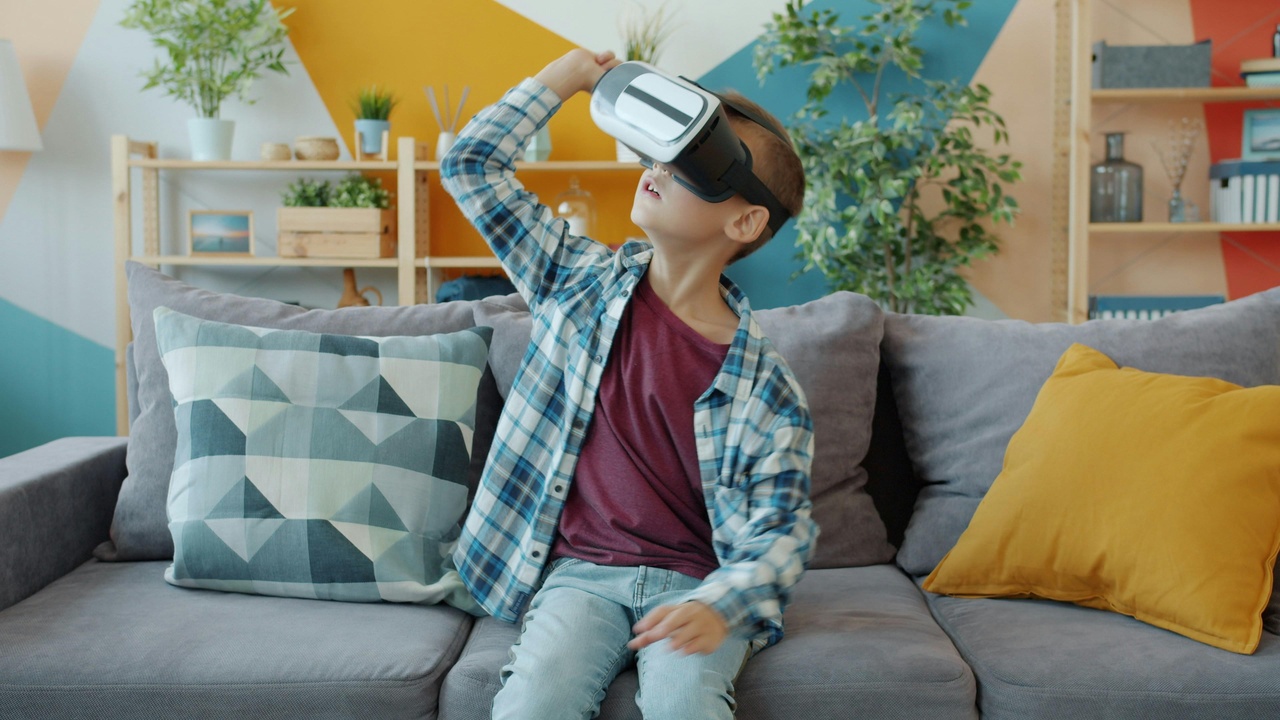
AR turns abstract concepts into interactive, spatial experiences that aid comprehension and retention. It works well in STEM subjects, vocational programs, museums, and soft-skills training by letting learners manipulate 3D models and rehearse tasks in context. Classroom pilots and public exhibits report higher engagement and better recall when learners interact with layered digital content.
Tools that once required lab equipment can be virtualized, expanding access while keeping costs down. That makes AR valuable to schools, universities, and corporate training programs aiming for measurable learning outcomes.
3. Better learning outcomes and engagement
Interactive 3D models let students explore systems from any angle, which improves comprehension and retention compared with static diagrams. Classroom pilots and museum apps report higher attention and improved test performance after AR lessons.
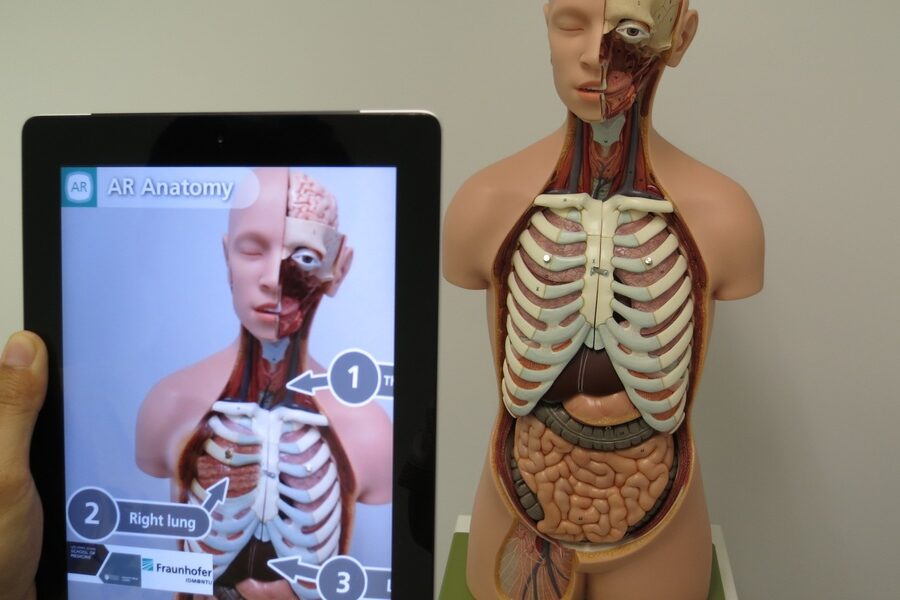
Google Expeditions (introduced in the mid-2010s) and anatomy AR apps used in medical modules are concrete examples: learners can walk around a virtual heart or place molecules into space, making complex topics tangible and easier to recall.
4. Safer, repeatable skills practice for vocational training
AR enables trainees to rehearse procedures repeatedly without risking equipment or safety. Simulated overlays guide each step, and performance data help instructors identify weaknesses before a trainee attempts a real-world task.
Examples include AR welding guides, aircraft maintenance practice, and medical procedure rehearsals. Several university and hospital programs have adopted headset-based simulators so learners can practice complex tasks before working on live assets.
Healthcare and Medical Advantages

In medicine, AR supplements clinicians’ vision with imaging, annotations, and decision support at the point of care. That improves planning, speeds procedures, and can lead to better patient outcomes. Trials and pilot programs across hospitals have shown concrete benefits in diagnostics, intraoperative guidance, and rehabilitation.
Practical tools range from vein visualization devices to mixed-reality headsets used in surgical planning. Trials with head-mounted displays occurred throughout 2016–2019, and the HoloLens 2 (released in 2019) accelerated clinical experimentation.
5. Improved diagnostics and surgical guidance
AR overlays can merge CT or MRI data with the surgeon’s view so imaging aligns with real anatomy during an operation. That added context improves placement accuracy and situational awareness.
Devices like AccuVein project vein maps on patients to aid cannulation, and HoloLens-assisted planning and intraoperative overlays were trialed by surgical teams between about 2016 and 2019. Reported outcomes include shorter procedure times and fewer placement errors in select pilots.
6. Rehabilitation, therapy, and patient education
AR makes rehab exercises engaging and measurable, which raises adherence and speeds recovery. Clinicians can overlay movement targets, give visual feedback, and track progress over time.
Clinic pilots using AR for stroke rehab and physical therapy report higher participation and clearer progress metrics. Patient-facing AR anatomy apps also help patients understand procedures and recovery steps, improving consent conversations and follow-through.
Consumer and Everyday Benefits
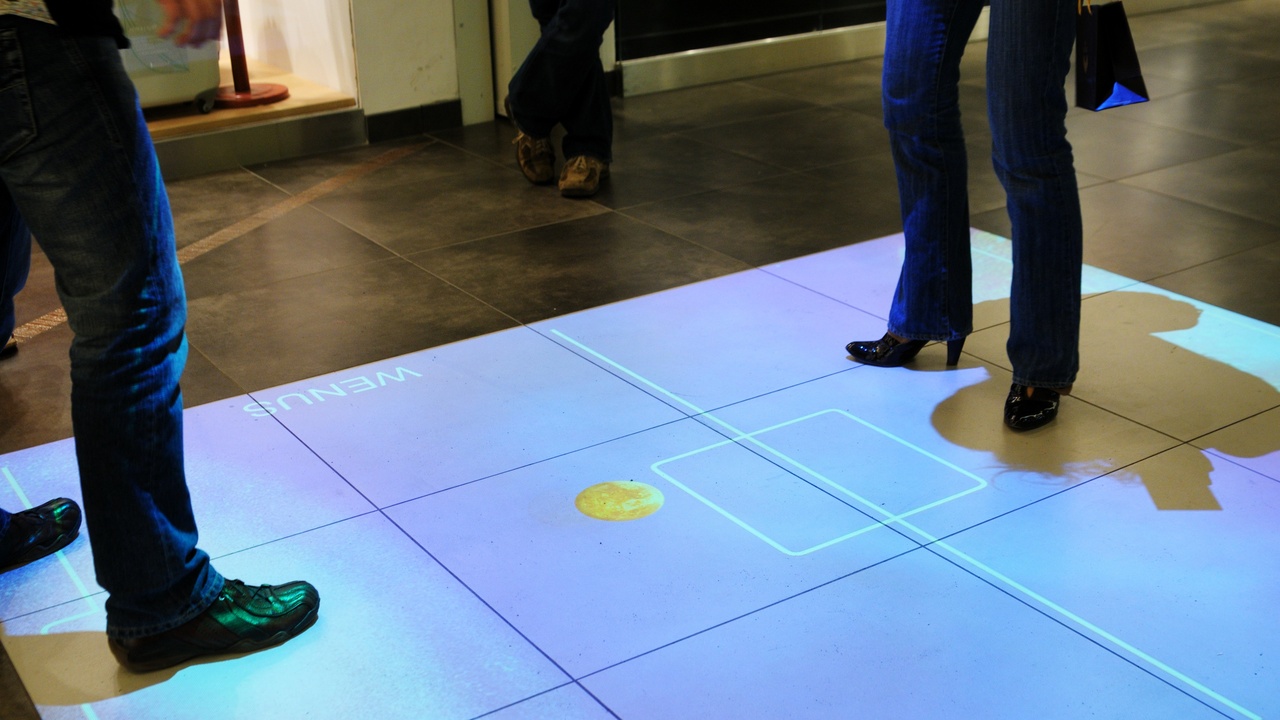
AR has reached mainstream consumers through games, shopping tools, and social filters. These everyday uses show how overlays can reduce friction—letting people preview purchases, find their way in a large building, or add playful digital layers to shared photos.
Wide adoption examples—Pokémon GO in 2016 and IKEA Place in 2017—proved that AR can deliver measurable user engagement and practical value when the experience is simple and useful.
7. Better shopping and product visualization
AR reduces purchase uncertainty by letting shoppers preview items in context. Retail pilots report improved conversion and lower returns when customers can see how a sofa fits in their living room or try on glasses virtually.
IKEA Place (2017) for furniture visualization and virtual try-on tools used by eyewear and cosmetics brands help buyers make faster, more confident decisions—saving time for customers and lowering return rates for retailers.
8. Improved navigation, accessibility, and everyday convenience
AR overlays improve wayfinding by placing directions or labels directly on the environment. Airports and museums have piloted AR wayfinding, while apps can overlay translations, product details, or contextual cues on demand.
Popular consumer hits like Pokémon GO (2016) and social AR filters helped normalize the technology, but the real upside for daily life is practical: smoother travel through complex spaces, faster discovery of points of interest, and accessibility features that read or label the world for users who are visually impaired.
Summary
- AR delivers measurable value across business, education, healthcare, and consumer settings—from faster wiring work at Boeing to IKEA Place helping people choose furniture.
- Organizational pilots report concrete gains: reduced task time and errors, shorter training cycles with platforms like PTC Vuforia and Scope AR, and improved surgical planning using HoloLens trials around 2016–2019.
- For learners and patients, AR boosts engagement and offers safer, repeatable practice; for shoppers and travelers, it reduces uncertainty and speeds decision-making.
- Consider a small, focused pilot—test one workflow or customer touchpoint to see whether the benefits of augmented reality map to your goals before broader investment.