Dominica doesn’t do “easy pretty island” the way some Caribbean destinations do. It’s the Nature Island, which means waterfalls, black-sand beaches, hot springs, and a landscape that looks like it was built for hikers, not sun loungers. The caves in Dominica fit that mood perfectly: a few are simple roadside stops, others require a proper hike, and some are only worth doing with a guide and decent shoes.
Quick take: which caves are worth your time?
If you only have room for a couple of cave stops, focus on Bat Cave for its eerie coastal setting and The Cave at Pointe Baptiste for a more relaxed, scenic visit near one of Dominica’s prettier northeast coast areas. More adventurous travelers should look at Emerald Pool Cave-adjacent nature spots and the island’s lava-tube and coastal cave areas that are best reached on guided excursions rather than random wandering.
The key thing to know: Dominica’s caves are usually less about polished tourist infrastructure and more about raw geology. Expect damp rock, uneven ground, bats in some chambers, and very little in the way of guardrails. That’s part of the appeal. Also part of the reason you shouldn’t show up in flip-flops and optimism.
Table of contents
- Why caves in Dominica are different
- Bat Cave
- Pointe Baptiste cave areas
- Trafalgar and inland cave excursions
- Best caves in Dominica by traveler type
- How to visit caves safely
- Best time to go
- Conclusion
Why caves in Dominica are different
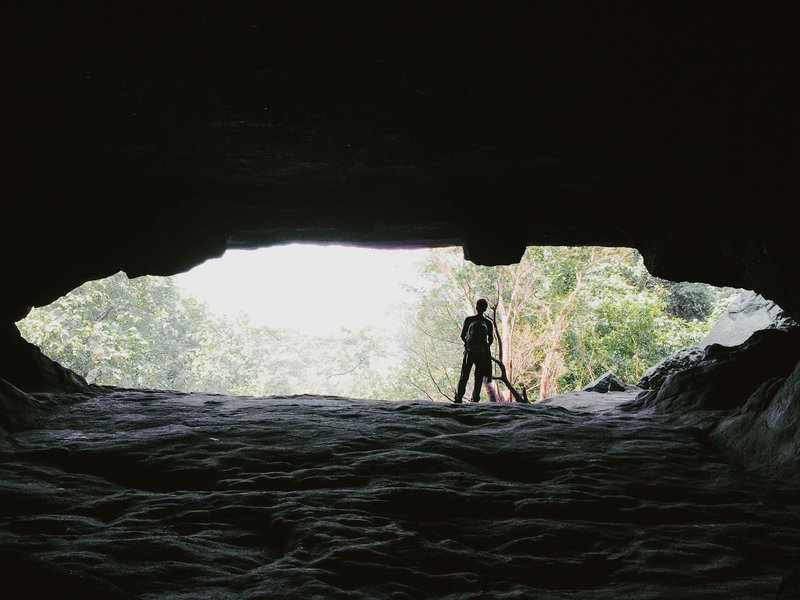
Dominica is volcanic, steep, and wet, which is why its cave landscapes feel so rugged compared with the limestone showpieces on some other Caribbean islands. You’re dealing with a place shaped by uplift, erosion, lava flows, and constant rainfall. The result is a mix of coastal caverns, cliffside openings, and darker inland pockets rather than long commercial show caves with lights and walkways.
That also means access varies a lot. A cave that looks easy on a map can turn into a muddy scramble after rain. The Dominica Tourism Office regularly emphasizes outdoor caution on the island’s trails and natural sites, and that advice applies doubly to caves. Some areas are fine for casual visitors. Others are better treated as guided adventure stops.
Bat Cave
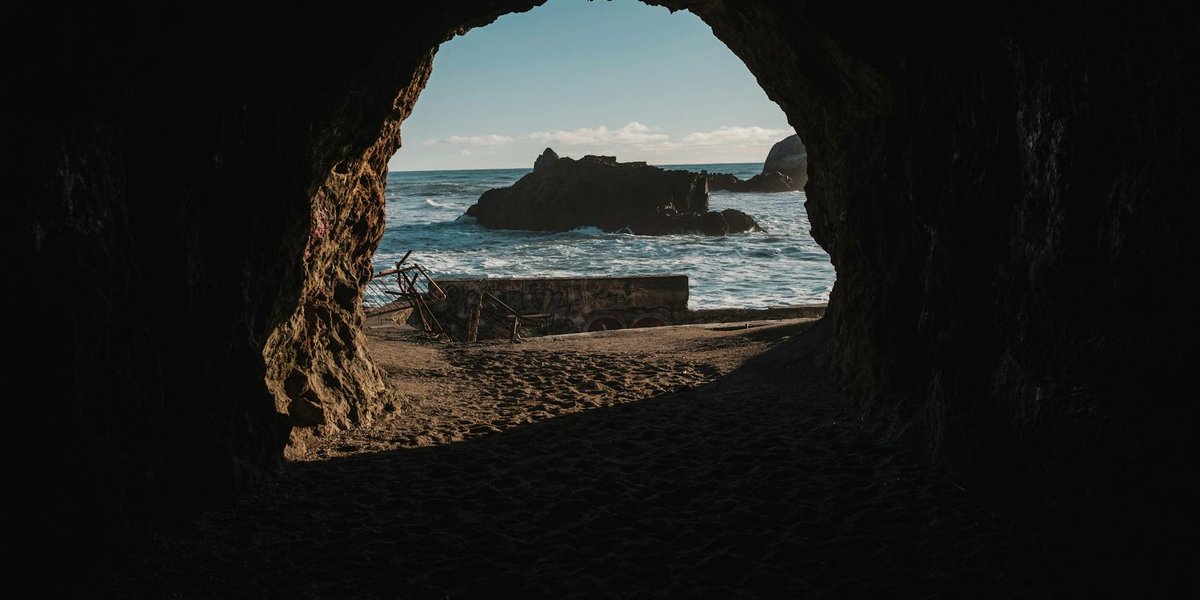
Bat Cave is one of the most talked-about cave features on the island because it’s dramatic without being overly complicated. The name tells you the main residents. It’s a coastal cave environment, and the appeal is partly visual — dark rock, surf sound, and the slightly theatrical feeling of standing where bats hang out all day and the sea does its thing nearby.
You’re not coming here for glossy interpretation panels. You’re coming for atmosphere.
It’s best for travelers who want a cave stop without turning the day into a full expedition. Still, you’ll want proper footwear and a calm sea. Coastal cave areas can be slippery and unpredictable, especially after rain or swell.
Pointe Baptiste cave areas
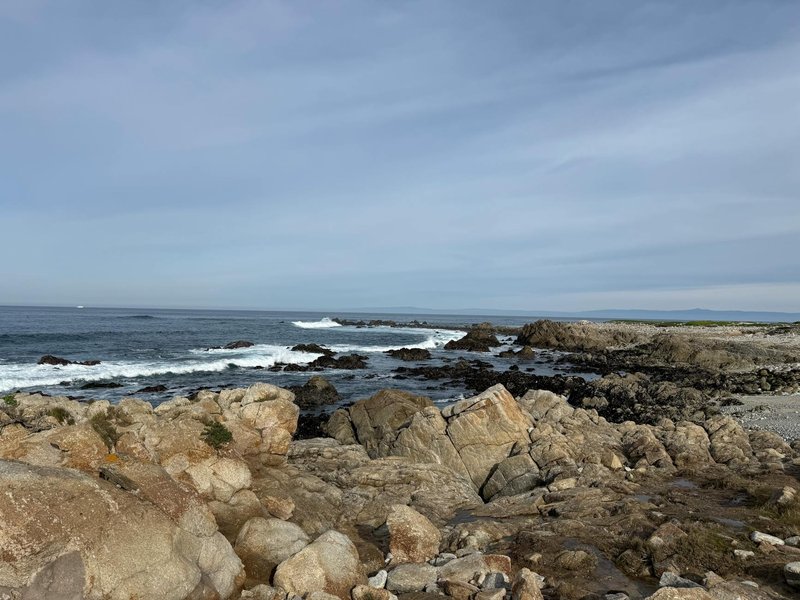
The Pointe Baptiste area in northeast Dominica is a better known scenic stop than a headline cave destination, but it’s exactly the sort of place where cave and coastline lovers tend to linger. The shore is rugged, the scenery is more open than enclosed, and the area works well as part of a wider north-coast outing.
This is the sort of visit where the cave element is one reason to stop, not the only reason. If you’re already exploring the northeast coast, it makes sense. If you’re racing around the island trying to max out landmarks, this may not be the first cave stop to prioritize.
The upside is that it’s comparatively accessible. The downside is that “accessible” still means “watch your footing and don’t assume the wet rock is your friend.”
Trafalgar and inland cave excursions
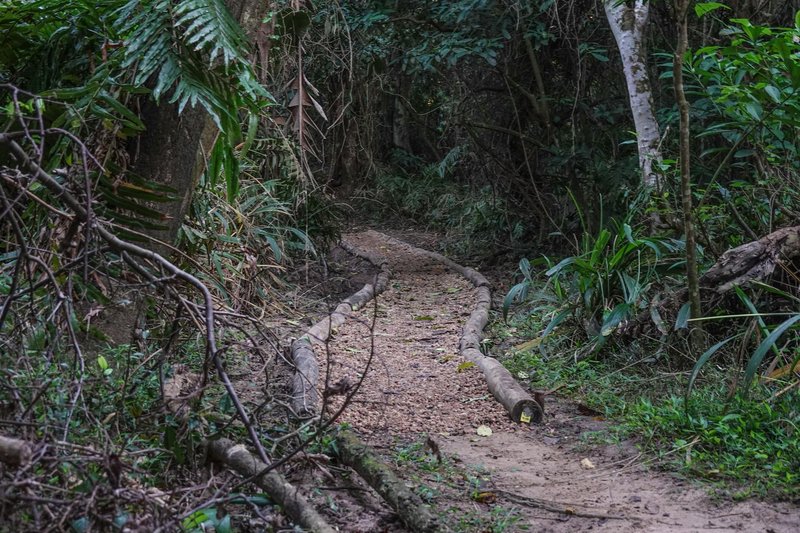
The inland side of Dominica is where things get more adventurous. Around Trafalgar and other central highland areas, cave-oriented outings often get bundled with waterfall hikes, river crossings, and forest trekking. That’s the smart way to do it. In Dominica, natural attractions often work better as clusters than as isolated stops.
If you book a local guide, ask whether the route includes cave sections, river edges, or lava-rock features. Guides on the island usually know which areas are safe after rainfall and which spots get slick fast. That matters more than any polished brochure photo ever will.
For reference, Dominica’s wilderness corridors and trails are part of what make the island special, and the IUCN notes the importance of protected natural landscapes in island ecosystems. In practice, that means the best cave visits here are usually the ones done with respect for the terrain, not rushed through like a checklist.
Best caves in Dominica by traveler type
Here’s the short version, because not everyone wants the same experience:
- For casual visitors: Bat Cave or coastal cave stops near Pointe Baptiste
- For photographers: Coastal caves with surf, especially in softer morning light
- For hikers: Cave-linked inland excursions with a guide
- For families with younger kids: Skip the rougher cave scrambles and choose easier scenic coast stops
- For adventure travelers: Anything tied to a guided trek or river-and-cave day
Dominica is not the place to fake your way through terrain. If a cave access point looks sketchy, it probably is.
How to visit caves safely
Bring grippy shoes, a flashlight or headlamp, water, and a phone in a dry bag. That’s the minimum. If the cave access involves cliffs, wet roots, or loose rock, add a guide and tell someone where you’re going.
A few common-sense rules save a lot of trouble:
- Don’t enter flooded or swollen cave areas after heavy rain
- Don’t touch bats or wildlife
- Watch for slippery algae on coastal rocks
- Skip cave entries if surf conditions are rough
- Go with someone who knows the area if the route isn’t clearly marked
For general cave safety, the National Park Service’s caving safety guidance is plainspoken and useful even if you’re not in the U.S. The principles are the same everywhere: get permission, know the route, and don’t assume a cave is harmless just because it’s pretty.
Best time to go
The drier months are the easier months for cave visits, especially for coastal and trail-linked sites. Dominica gets a lot of rain year-round, but heavy showers make rocky access routes much slicker and can raise water levels around entrances and stream crossings.
Morning is usually best. The light is better for photos, the heat is less punishing, and you’re less likely to be dealing with the day’s accumulated humidity, which in Dominica is a serious personality trait.
Conclusion
The best caves in Dominica aren’t polished tourist attractions. They’re rougher, darker, and more tied to the island’s volcanic landscape than to any engineered visitor experience. That’s exactly why they’re worth seeing. If you want the easiest cave-style stop, go coastal. If you want the most rewarding adventure, book a guide and fold the cave visit into a hike or nature excursion. Either way, come prepared.
Dominica rewards people who plan a little and pay attention. The caves are no different.