Aquatic biomes are the water-based environments where plants, animals, microbes, and chemistry all negotiate the terms of survival. They cover everything from shallow ponds and fast rivers to the open ocean and deep-sea vents. The big split is simple: freshwater has very little salt, marine water has a lot, and brackish systems sit awkwardly in between.
Table of Contents
- TL;DR
- What are aquatic biomes?
- Aquatic biome characteristics
- Freshwater biomes
- Marine biomes
- Brackish and transitional ecosystems
- Why aquatic biomes matter
- Human impact and conservation
TL;DR
Aquatic biomes are the major water environments on Earth. Freshwater biomes include lakes, rivers, wetlands, and ponds. Marine biomes include oceans, coral reefs, estuaries, and intertidal zones. Their differences mostly come down to salinity, depth, temperature, sunlight, oxygen, and nutrient availability.
What are aquatic biomes?
Aquatic biomes are large ecosystems defined by water. That sounds obvious, but the useful part is this: the water itself shapes everything else. Salt level, movement, depth, temperature, and how much light reaches below the surface decide which organisms can live there.
Scientists usually divide aquatic biomes into two major groups:
- Freshwater biomes
- Marine biomes
There’s also a third category people often forget: brackish or transitional environments, where freshwater and seawater mix. Estuaries are the famous example. They’re messy, nutrient-rich, and biologically important for a very good reason — lots of species use them as nurseries.
For a simple overview of how aquatic systems are classified, the EPA’s explanation of aquatic ecosystems is a useful starting point, and the National Oceanic and Atmospheric Administration has a clean summary of ocean basics.
Aquatic biome characteristics
Aquatic biomes are usually described by a few environmental factors:
Salinity
Salinity is the amount of dissolved salt in water.
- Freshwater: usually less than 0.5 parts per thousand
- Marine water: around 35 parts per thousand on average
- Brackish water: somewhere in between
That one number changes a lot. Fish, amphibians, algae, and aquatic plants all have to regulate water and salt balance, which is why a salmon can’t just wander into the ocean and act like nothing happened. It has to physiologically adjust.
Sunlight
Light matters because photosynthesis depends on it. In lakes and oceans alike, most photosynthesis happens near the surface where sunlight can reach. Deeper water gets darker fast. In the ocean, this creates the photic zone, where light is available, and the aphotic zone, where it isn’t.
Temperature
Water buffers temperature better than air, so aquatic environments often change more slowly than land environments. But “slowly” doesn’t mean “uniformly.” Shallow ponds can heat and cool quickly. Tropical coral reefs stay warm. Deep ocean water stays cold almost everywhere.
Oxygen
Aquatic organisms need dissolved oxygen, not the oxygen in the air above the water. Fast-moving streams usually carry more oxygen than warm, stagnant water. That’s why a trout stream and a swamp support very different life.
Nutrients
Nitrogen, phosphorus, and other nutrients can be scarce or abundant depending on the biome. Some waters are famously nutrient-poor, like open ocean gyres. Others, like estuaries and wetlands, are nutrient factories.
A strong ecology summary from Britannica’s aquatic biome overview is helpful if you want a broad-reference version of these categories.
Freshwater biomes
Freshwater biomes make up only a small fraction of Earth’s water, but they punch far above their weight ecologically.
Lakes and ponds
Lakes and ponds are standing water ecosystems, also called lentic systems. Their ecology often changes with depth and season. In many lakes, the upper layer warms in summer, while deeper water stays cooler and darker. During spring and fall turnover, the layers mix, redistributing oxygen and nutrients.
A shallow pond tends to have more plant growth than a deep lake because sunlight can reach the bottom more easily. That means more algae, more insects, and more small fish. More life, basically — and more competition.
Rivers and streams
Rivers and streams are flowing water systems, or lotic systems. Current is the headline feature here. It brings oxygen, transports sediments, and shapes the organisms that can attach to rocks or swim against the flow.
Headwater streams are often cool, clear, and oxygen-rich. Larger rivers slow down, warm up, and collect more sediment and nutrients as they move downstream. The ecology changes along that gradient. A mayfly nymph in a cold mountain stream is living in a very different world from a catfish in a muddy lowland river.
Wetlands
Wetlands are some of the most productive freshwater biomes on Earth. Marshes, swamps, and bogs all count. They store water, filter pollutants, and provide habitat for birds, fish, amphibians, and insects.
A more detailed catalog of freshwater biomes can be found in Freshwater Biomes: The Complete List.
They also do a lot of work quietly, which is why people drain them for development and then act surprised when flooding gets worse. The U.S. Fish & Wildlife Service has a solid explanation of why wetlands matter.
Marine biomes
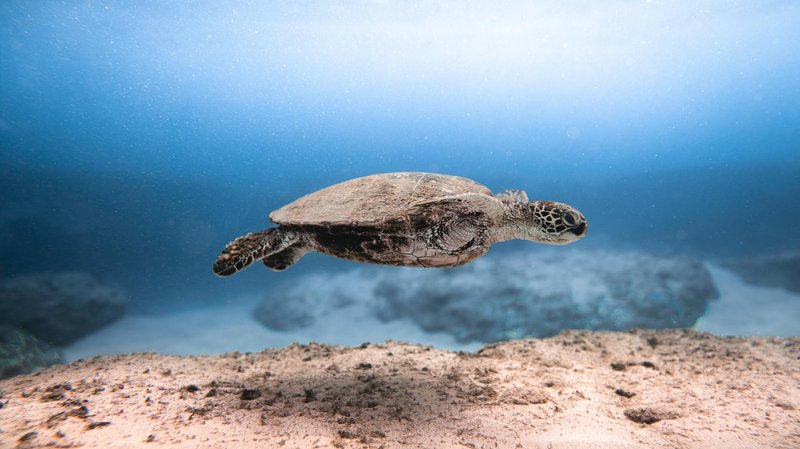
Marine biomes cover most of Earth’s surface and contain most of the planet’s water. They’re divided by depth, distance from shore, and how much sunlight reaches each zone.
Oceans
The open ocean is the biggest marine biome by far. It’s often nutrient-poor at the surface, especially in subtropical gyres where water circulation limits mixing. But that doesn’t mean it’s empty. Plankton form the base of the food web, feeding everything from small fish to whales.
The ocean is commonly described in layers:
- Epipelagic zone: sunlit surface water
- Mesopelagic zone: dim “twilight” layer
- Bathypelagic zone: deep, dark water
- Abyssal and hadal zones: the extreme deep sea
Pressure rises fast with depth. Temperature drops. Light disappears. Life gets weird in the fun science way — bioluminescence, giant mouths, slow metabolism, all that good deep-sea drama.
Coral reefs
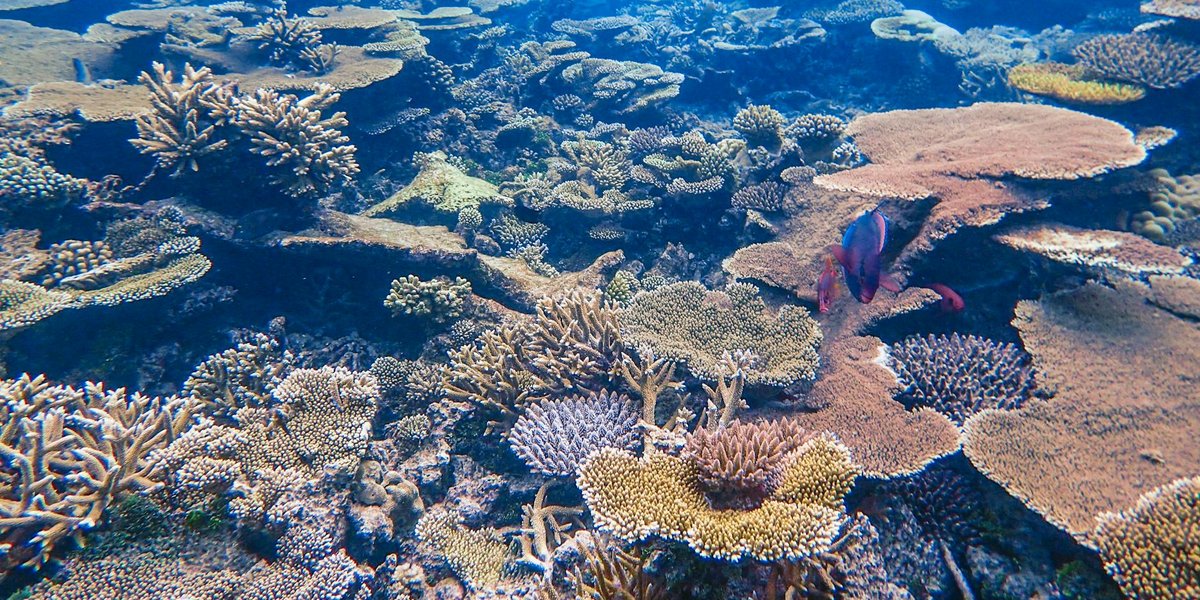
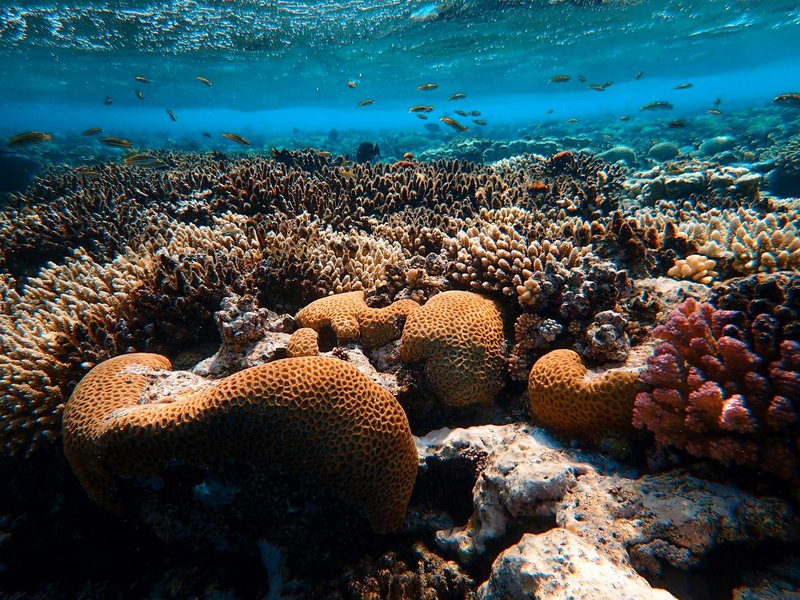
Coral reefs are marine biomes built by coral animals and the symbiotic algae living in their tissues. They’re found in warm, shallow, clear water because the algae need sunlight. That also means reefs are highly sensitive to pollution, warming, and acidification.
Reefs are often called the rainforests of the sea because they support dense biodiversity. That nickname is imperfect, but the point stands: reef ecosystems are crowded, complex, and full of specialized relationships.
For a science-based read on reef ecology, NOAA Coral Reef Conservation is one of the best public resources.
Intertidal zones
The intertidal zone is the stretch between high and low tide. Organisms here live with daily swings in exposure, wave impact, salinity, and temperature. Sea stars, barnacles, mussels, crabs, and seaweed all have different tricks for not drying out or getting smashed.
This biome is a survival stress test. If you can live there, you’re adaptable or stubborn. Often both.
Brackish and transitional ecosystems
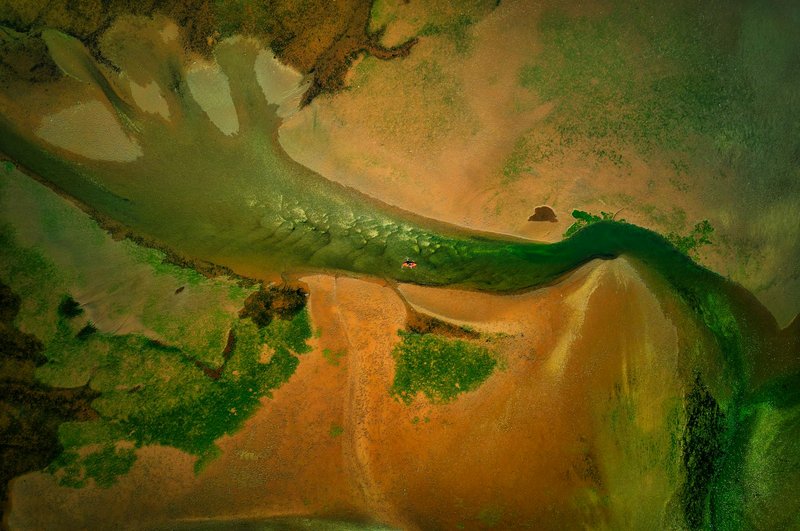
Estuaries are where rivers meet the sea. The water is brackish, which means salinity changes with tides, rainfall, and river flow. That instability sounds harsh, but estuaries are among the most productive ecosystems on Earth because they trap nutrients and organic matter.
Species here have to tolerate change. Juvenile fish often use estuaries as nurseries because the shallow water and high food supply give them a better shot at surviving early life. Salt marshes and mangrove forests also sit in this transitional zone and do a lot of ecological heavy lifting — shoreline stabilization, carbon storage, and habitat creation.
Why aquatic biomes matter
Aquatic biomes regulate climate, cycle nutrients, and support food webs that stretch far beyond the water itself. Plankton in the ocean produce a huge share of the oxygen in Earth’s atmosphere. Freshwater wetlands buffer floods and clean water naturally. Rivers move sediments and nutrients across landscapes. Estuaries connect land and sea.
That makes aquatic biomes central to biodiversity, agriculture, fisheries, drinking water, and coastal protection. They’re not side ecosystems. They’re infrastructure.
Human impact and conservation
Aquatic biomes are under pressure from pollution, overfishing, habitat destruction, warming, ocean acidification, invasive species, and altered water flow from dams and irrigation.
Some of the biggest problems are very ordinary:
- fertilizer runoff that fuels algal blooms
- sewage and industrial waste that degrade water quality
- coastal development that destroys wetlands and reefs
- warming waters that shift species ranges and stress coral
The World Wildlife Fund’s freshwater facts and the IPCC’s climate reports both make the same basic point in different language: these systems are changing faster than many species can adapt.
Conservation usually works best when it protects whole systems instead of just one species. That means watershed management for rivers, wetland restoration for freshwater habitats, marine protected areas for oceans, and cleaner agriculture and wastewater practices everywhere in between.
Aquatic biomes are easy to take for granted because water looks like water. But a trout stream, a mangrove estuary, and the deep Pacific are not interchangeable. Their chemistry, structure, and living communities are different enough to feel like separate worlds. That’s the point of the category. Aquatic biomes are the places where biology gets written by water, and water does not give out the same rules twice.