Table of contents
- TL;DR
- What is astrophysics?
- The main branches of astrophysics
- How the branches overlap
- Why these branches matter
- Summary
TL;DR
Astrophysics is the branch of science that uses physics to understand objects and events in space. The main branches are stellar astrophysics, planetary astrophysics, galactic astrophysics, extragalactic astrophysics, cosmology, and high-energy astrophysics. Each one focuses on a different scale, from planets and stars to the structure of the entire universe.
A useful way to think about astrophysics is as a set of zoom levels. Some researchers study how stars form and die. Others look at galaxies, black holes, or the earliest moments after the Big Bang. The borders between these fields are blurry in real life, because the universe does not care about our categories.
What is astrophysics?
Astrophysics applies the laws of physics to the sky. That sounds simple, but it covers a lot: how stars shine, why galaxies rotate, how planets form, what black holes do, and how the universe changes over time.
It sits inside astronomy, but with a stronger emphasis on physical explanation rather than just cataloging objects. Astronomers can tell you what is out there. Astrophysicists want to know why it behaves that way.
The main branches of astrophysics
1. Stellar astrophysics
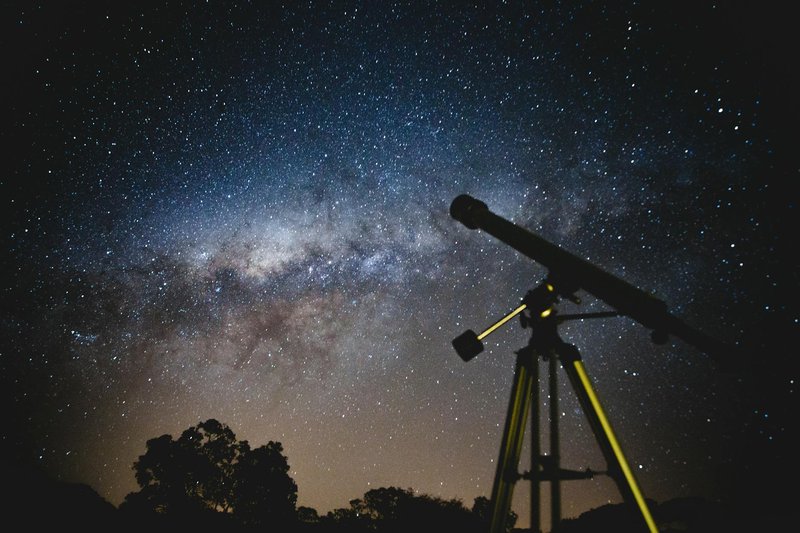
Stellar astrophysics studies stars: how they form, how they live, and how they die. This branch covers everything from cold molecular clouds collapsing into baby stars to the violent endings of massive stars as supernovae.
A lot of the field is about balance. A star survives because gravity tries to crush it inward while pressure from nuclear fusion pushes back outward. That tug-of-war shapes nearly everything about a star’s life. For background on stellar structure and evolution, NASA’s overview of stars is a solid starting point.
Why it matters: stars make the heavy elements that build planets, oceans, and people. If you understand stars, you understand the factory that made the material universe around you.
2. Planetary astrophysics
Planetary astrophysics looks at planets, moons, rings, and the dusty leftovers that form planetary systems. This branch asks how planets are born in disks around young stars, why some become rocky worlds and others become gas giants, and what drives the climates and atmospheres of these bodies.
This field overlaps heavily with planetary science, but astrophysics brings in the bigger-picture physics of formation and system architecture. It also connects to exoplanet research, where astronomers study planets orbiting other stars using methods like transit dips and radial velocity shifts. The NASA Exoplanet Archive is one of the best public databases for that work.
Why it matters: this is where you start asking how common worlds like Earth really are, and what kinds of planetary systems the universe tends to build.
3. Galactic astrophysics
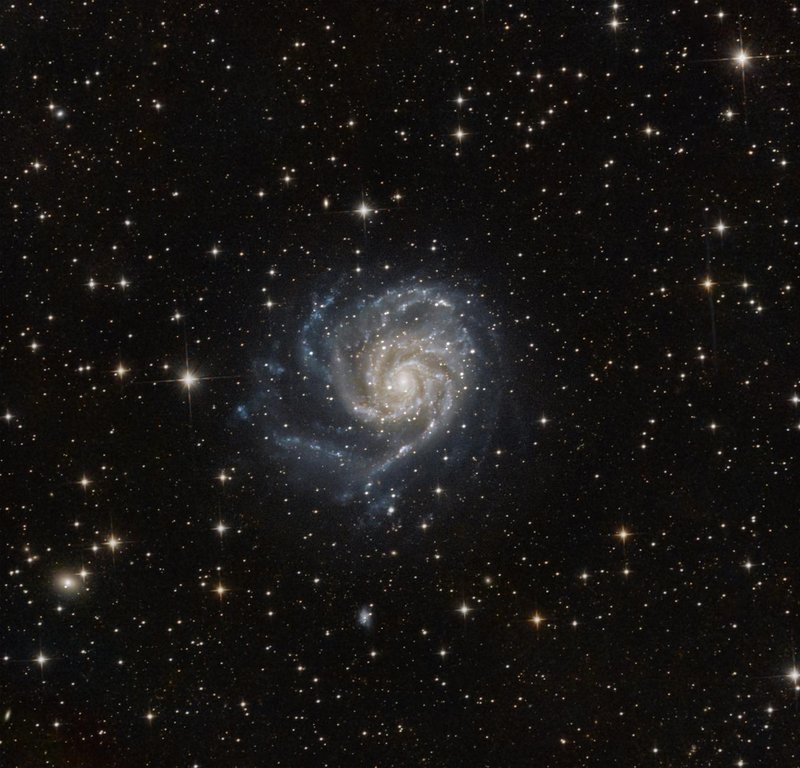
Galactic astrophysics studies the Milky Way and other galaxies as physical systems. It looks at how galaxies form, how they rotate, how stars are distributed inside them, and how gas and dark matter shape their structure.
A classic problem here is the rotation curve of galaxies. Outer stars move as if there’s more mass than we can see, which is one of the clues that led to dark matter research. NASA’s dark matter evidence summary gives a good, plain-language introduction to that puzzle.
Why it matters: galaxies are the neighborhoods where stars live. If you want to understand how stars, gas, and black holes interact on large scales, this is the branch to watch.
4. Extragalactic astrophysics
Extragalactic astrophysics studies everything beyond the Milky Way. That includes other galaxies, galaxy clusters, active galactic nuclei, quasars, and the large-scale web of matter that links them together.
This is where things get truly oversized. Researchers study galaxy collisions, supermassive black holes feeding at the centers of galaxies, and the way galaxies evolve across billions of years. Because distant objects take time for their light to reach us, extragalactic astronomy is also a kind of time machine. The farther away you look, the younger the universe looks.
Why it matters: this branch shows how cosmic structures grow from small fluctuations into the enormous galaxy networks we see today.
5. Cosmology
Cosmology is the branch of astrophysics that studies the universe as a whole: its origin, expansion, contents, and long-term fate. It asks questions like: How did the universe begin? How fast is it expanding? What is it made of? Where did the first galaxies come from?
This field depends on observations of the cosmic microwave background, supernovae, galaxy surveys, and gravitational effects on large scales. The Planck mission results remain central to modern cosmology, especially for measurements of the early universe.
Why it matters: cosmology gives the big storyline. It connects the earliest fraction of a second after the Big Bang to the universe we can map today.
6. High-energy astrophysics
High-energy astrophysics studies the most violent and energetic events in space. That includes supernova explosions, neutron stars, pulsars, black holes, gamma-ray bursts, and jets moving close to the speed of light.
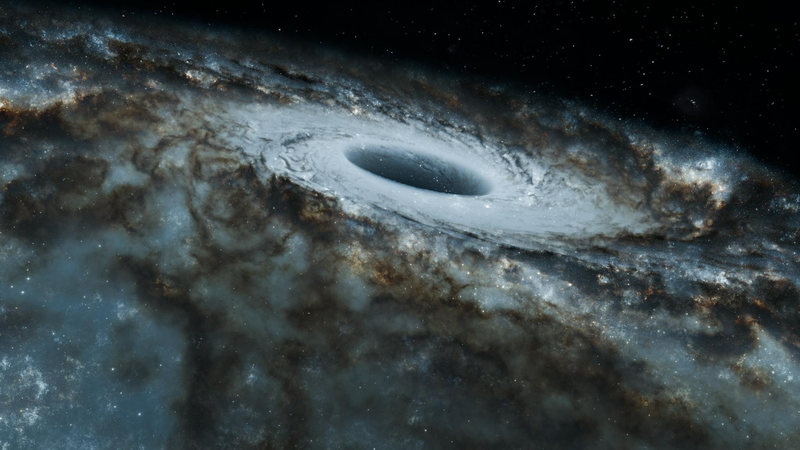
This branch often uses X-ray and gamma-ray observations because the hottest and most extreme environments emit in those parts of the spectrum. A black hole itself may be invisible, but the gas falling into it can shine brilliantly before disappearing. The Chandra X-ray Observatory is a major tool for this kind of research.
Why it matters: extreme objects are where physics gets stress-tested. If a theory works near a black hole or inside a supernova remnant, it has earned its keep.
7. Heliospheric and solar astrophysics
Solar astrophysics focuses on the Sun, while heliophysics studies the Sun’s influence throughout the solar system. These areas examine sunspots, solar flares, the solar wind, and the magnetic activity that drives space weather.
This branch is easy to underestimate until a flare disrupts satellites or power grids. NASA and NOAA both track space weather because solar storms can affect communications, navigation systems, and astronaut safety. NOAA’s Space Weather Prediction Center is the official U.S. source for current conditions.
Why it matters: the Sun is the nearest star and the one that directly shapes our technological environment.
How the branches overlap
The branches of astrophysics are not neat little boxes. They share data, tools, and questions all the time.
A supernova, for example, belongs to stellar astrophysics, but it also matters for galactic astrophysics because it enriches a galaxy with heavy elements. A distant quasar belongs to extragalactic astrophysics, but the black hole physics behind it connects to high-energy astrophysics. Cosmology uses galaxy surveys, supernovae, and the cosmic microwave background, so it depends on multiple branches at once.
That overlap is not a bug. It is the field working properly. The universe does not separate itself into departments, and researchers spend plenty of time following the evidence wherever it goes.
Why these branches matter
The branches of astrophysics help scientists organize an enormous subject without turning it into mush. Each branch answers a different kind of question, but together they explain how the universe is built from small things and large ones.
Stellar astrophysics tells you where the elements come from. Planetary astrophysics tells you how worlds form. Galactic and extragalactic astrophysics show how structure scales up. Cosmology asks where it all began and where it might be headed. High-energy astrophysics covers the most extreme corners of the whole mess.
That’s the real value of the taxonomy. It’s not just a list of labels. It’s a map.
Summary
The main branches of astrophysics are stellar, planetary, galactic, extragalactic, cosmological, high-energy, and solar/heliospheric. Each one studies the universe at a different scale, from the atmosphere of an exoplanet to the shape of the cosmos itself.
If you want the simplest way to remember them, think in layers: planets around stars, stars inside galaxies, galaxies in clusters, and the whole thing inside the expanding universe. The boundaries blur, but the structure helps. That is usually how science works: tidy names on top of a very messy reality.