In 1856, Alexander von Humboldt’s writings helped popularize the idea that forests are vital planetary systems — a notion that has only grown in scientific weight since.
Forests cover about 31% of the Earth’s land surface (FAO) and provide services that reach far beyond their borders.
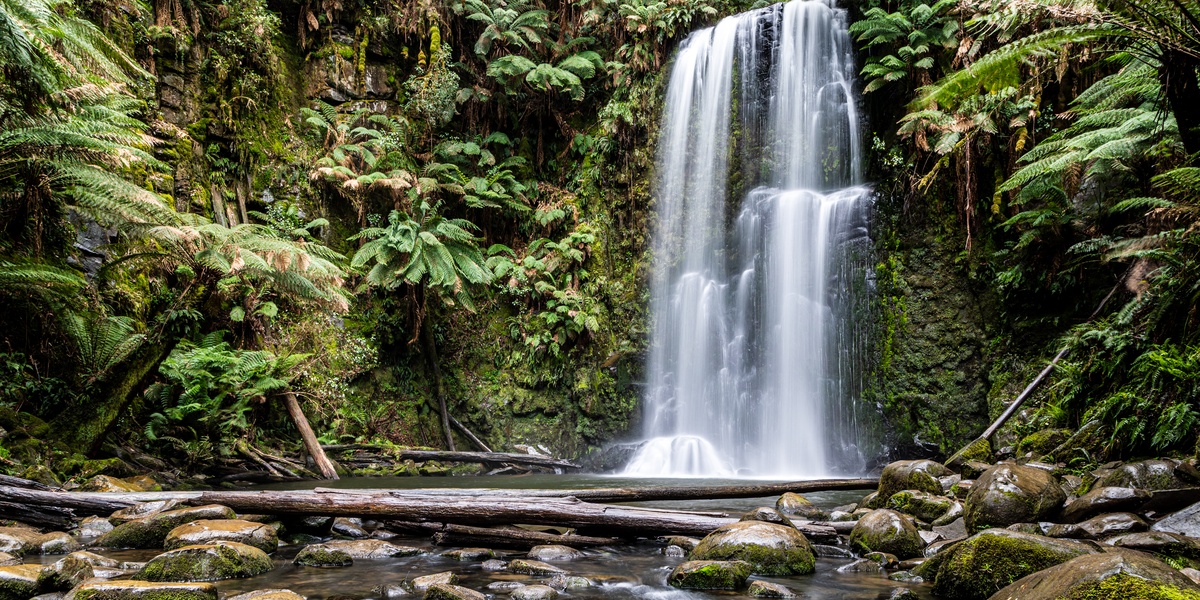
Forests are more than trees: they are climate regulators, biodiversity reservoirs, cultural touchstones, and economic engines — and these ten facts reveal why they matter now more than ever.
This article presents 10 well-supported facts organized into four themes — ecological services, biodiversity, human uses, and threats plus solutions — with concrete examples and references to authoritative sources.
Ecological Services of Forests
Forests perform essential ecological functions that sustain terrestrial life and influence global systems. They moderate climate through carbon storage, regulate the water cycle, and build and protect soils and nutrients. Together these services underpin agriculture, protect infrastructure, and shape regional climates (FAO, IPCC).
1. Forests cover about a third of Earth’s land and act as massive carbon stores
Globally, forests cover roughly 31% of the world’s land area (FAO) and store vast amounts of carbon in living biomass and soils. Estimates describe hundreds of billions of tonnes of carbon contained in forest ecosystems, with tropical, temperate, and boreal systems each holding important pools (IPCC; FAO). Because land-use change and deforestation account for roughly 10% of global greenhouse gas emissions, protecting these carbon reservoirs is central to national inventories, carbon markets, and climate policy.
2. Forests regulate the water cycle and reduce flood and drought extremes
Trees influence rainfall, evapotranspiration, groundwater recharge, and streamflow stability. Forest canopies and root systems slow runoff, reduce erosion, and help retain soil moisture, so intact catchments smooth out flood peaks and sustain dry-season flows. Cloud forests — such as Monteverde in Costa Rica — capture fog and supplement local water supplies, while forest buffers around reservoirs protect hydroelectric and drinking-water infrastructure.
3. Forests build soil and cycle nutrients essential for plant life
Leaf litter, woody debris, roots, and the organisms that decompose them create and maintain topsoil. Mycorrhizal fungi link roots and speed nutrient uptake, while detritivores recycle nitrogen, phosphorus, and other elements back into plant-available forms. These processes sustain long-term productivity, support agroforestry and terraced farming systems, and reduce erosion on steep slopes when forests are managed or restored.
Biodiversity and Wildlife
Forests are hotspots of terrestrial biodiversity, hosting a disproportionate share of species per unit area. Tropical forests in particular harbor the majority of land-dwelling species (estimates often range from about 50–80% of terrestrial species), and tree diversity worldwide exceeds 60,000 named species (GlobalTreeSearch, botanical assessments).
4. A single rainforest can hold thousands of species — forests are biodiversity hotspots
Tropical rainforests concentrate species in compact areas: studies estimate hundreds of billions of individual trees in the Amazon (on the order of 390 billion in some surveys) and tens of thousands of tree species across the tropics. High species density and endemism in places like Borneo, Madagascar, and the Congo Basin mean that losing forest there removes unique evolutionary lineages and undermines pollination, pest control, and other services.
5. Forests are sources of medicines and genetic resources we rely on
Many modern pharmaceuticals trace back to forest plants: vincristine and vinblastine from the rosy periwinkle of Madagascar are used in cancer therapy, and paclitaxel (Taxol) from the Pacific yew is another well-known example. Beyond drugs, tree genetics provide traits for crop improvement, pest resistance, and climate adaptation, so conserving genetic diversity preserves options for future medical and agricultural breakthroughs.
Human Uses, Culture, and the Economy
Among the many facts about forests, their role in livelihoods and culture is striking: they supply timber and fuel, provide non-timber foods and materials, and sustain cultural practices and recreation. Millions of people depend directly on forest resources for income and subsistence, and countless communities maintain spiritual and cultural ties to wooded landscapes (FAO; World Bank).
6. Forests supply timber and materials used in construction and fuel
Wood remains a primary building material and fuel source in many regions. Billions of people still rely on wood and charcoal for household energy, while roundwood and sawn timber support construction and manufacturing (FAO data on roundwood production). Sustainable forestry certification (FSC) and engineered products like cross-laminated timber are expanding the role of wood in low-carbon construction.
7. Non-timber forest products feed and support millions of people
Forests yield fruits, nuts, mushrooms, resins, fibers, and other goods that support diets and incomes. Commercial examples include cork from Quercus suber in Portugal, maple syrup production in eastern Canada, and specialty mushroom markets for truffles and chanterelles. For many rural households, wild foods and marketable non-timber products are vital safety nets.
8. Forests hold cultural, spiritual, and recreational value
Wooded places are central to cultural identity, spiritual practices, and recreation. Practices such as Japan’s shinrin-yoku (forest bathing) highlight wellbeing benefits, while sacred groves and indigenous-managed forests protect cultural heritage and traditional knowledge (UNESCO; local case studies). Nature-based tourism to national parks and reserves also generates substantial economic activity.
Threats, Climate Role, and Conservation
Forests face mounting pressures from conversion, degradation, fire, pests, and climate extremes, even as they remain essential for climate mitigation. The next two facts cover the measurable impacts of loss and the tools available to protect and restore tree cover.
9. Deforestation continues at significant rates and drives emissions and biodiversity loss
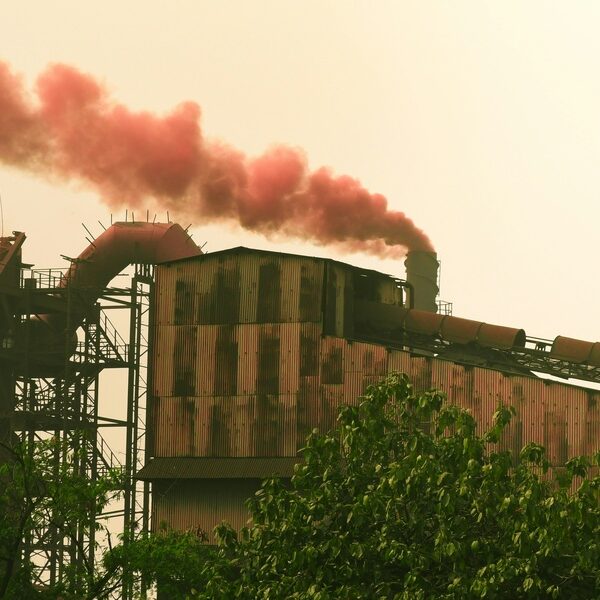
Deforestation and degradation remain urgent problems: FAO reported net forest area losses on the order of millions of hectares per year in recent assessments, and land-use change contributes roughly 10% of global greenhouse gas emissions. The main drivers are agricultural expansion (including cattle ranching and oil-palm plantations), industrial logging, fires, and infrastructure development. Regions such as the Amazon and parts of Southeast Asia have seen sharp recent upticks in clearance, with direct consequences for local livelihoods and global biodiversity (Global Forest Watch alerts).
10. Conservation and new technologies are creating pathways to protect and restore forests
Policy tools and technologies are scaling up to halt loss and boost restoration. REDD+ offers a framework for valuing forest carbon, while national reforestation targets (for example, large-scale planting programs in China) and protected areas expand coverage. Satellite monitoring (Landsat, Sentinel) and platforms like Global Forest Watch and Google Earth Engine enable near-real-time alerts, and community forestry and payments for ecosystem services create local incentives for stewardship. These approaches show promise, though success requires long-term finance, rights-based governance, and ecological restoration practices.
Summary
- Forests cover about 31% of Earth’s land and store enormous amounts of carbon, making them central to climate strategies (FAO, IPCC).
- They host a majority of terrestrial biodiversity and supply medicines, foods, and genetic resources that support health and agriculture.
- Millions depend on forests for timber, fuel, and non-timber products, while forests also provide strong cultural and recreational benefits.
- Deforestation drives emissions and species loss, but policy tools (REDD+), remote sensing (Global Forest Watch), and restoration programs offer scalable pathways to protect and recover tree cover.
- Facts about forests point to a simple choice: support forest-friendly products and policies, learn from authoritative sources like FAO and Global Forest Watch, and back community- and rights-based conservation to secure these benefits for the future.