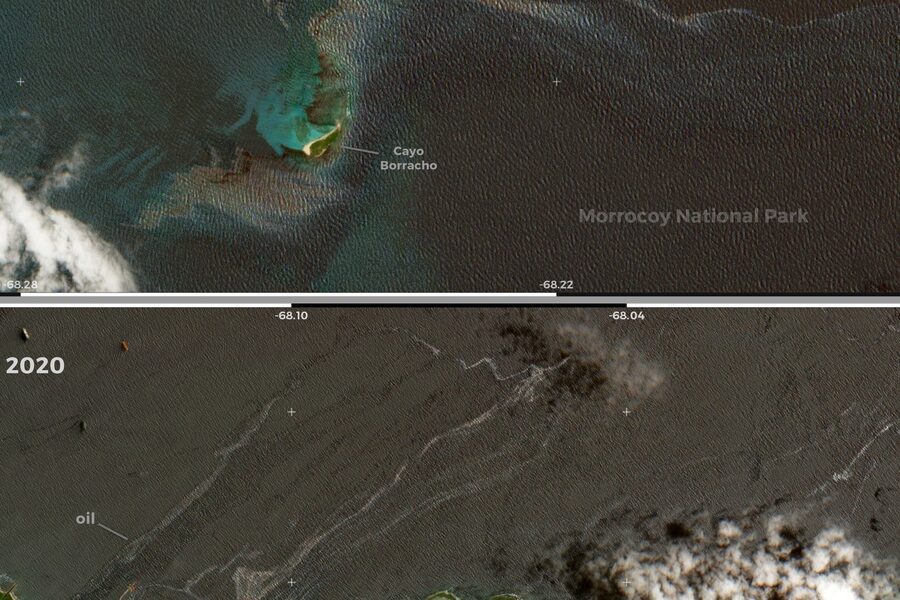
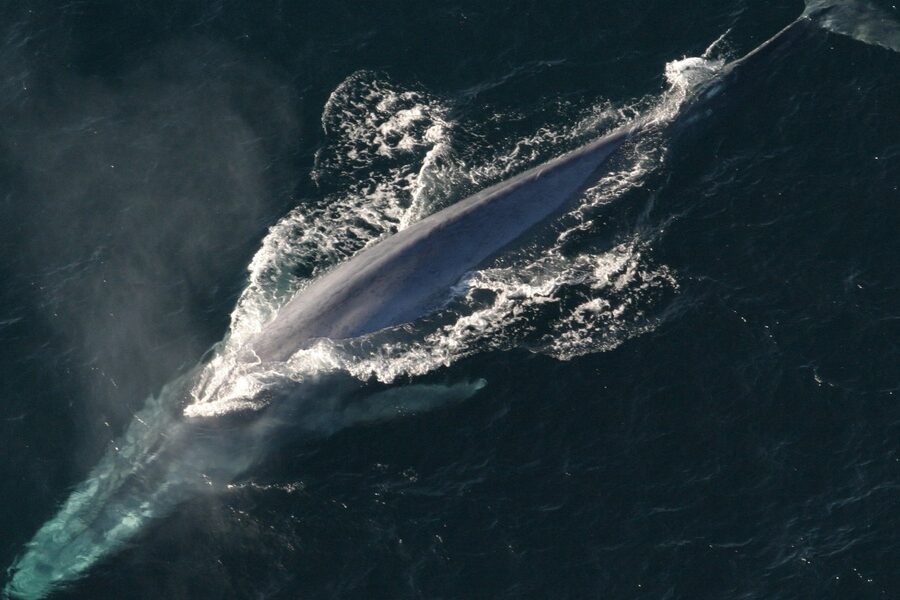
In 1872 the H.M.S. Challenger expedition set out on a four-year voyage that cataloged thousands of previously unknown species and mapped deep-sea environments, effectively launching modern oceanography. That voyage transformed a mystery into a field of systematic study—yet most people still rely on the sea without understanding how it supports modern life.
Understanding why marine biology is important helps explain what the oceans do for us: marine life drives roughly half of Earth’s oxygen production, provides food and medicines, supports jobs, and stabilizes climate systems; oceans also cover about 71% of Earth’s surface. The following ten reasons are grouped into ecosystems, human health, economy and culture, and climate and resilience to show how the study of marine life delivers concrete benefits and practical tools for stewardship.
Biodiversity and Ecosystem Health
Marine biology documents species, interactions, and the services ecosystems provide, from nutrient cycling to fisheries. High biodiversity increases resilience to shocks and directly supports human well‑being; authoritative inventories (NOAA, IUCN, UNESCO) guide where protections will have the greatest payoff.
1. Protecting Biodiversity and Species Survival
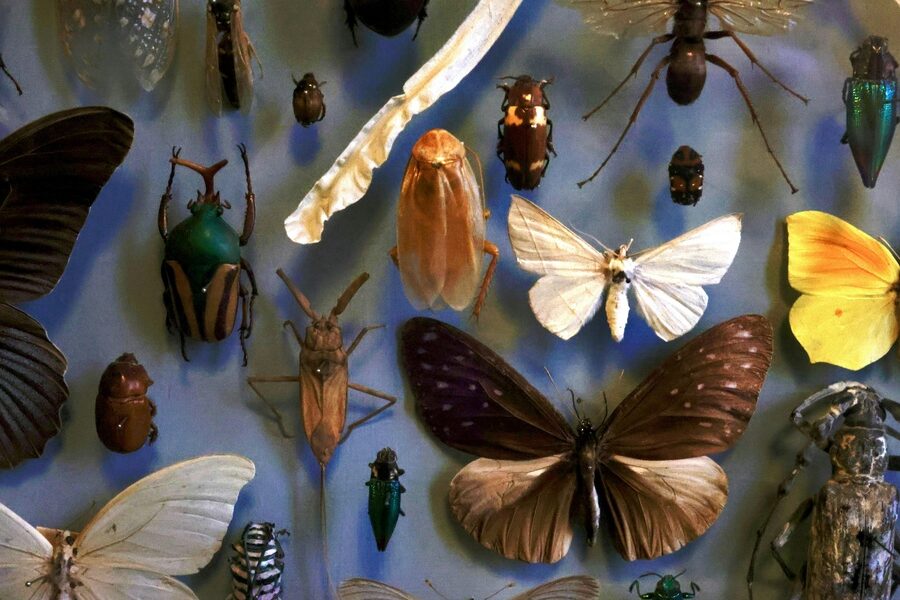
Marine biology catalogs and protects the planet’s sea life, with roughly 230,000 described marine species and many more undescribed species awaiting discovery (see IUCN and NOAA summaries). Species inventories and Red List assessments direct conservation priorities and fisheries limits.
That species-level knowledge underpins real actions: IUCN assessments inform policy, and targeted research on species like the vaquita (Phocoena sinus) has driven emergency protection and anti‑bycatch efforts. Coral restoration projects on the Great Barrier Reef use species-specific methods—selecting resilient strains and symbionts—to rebuild reef structure and function.
Protecting biodiversity maintains the ecosystem services—food production, coastal protection, and genetic resources—that people rely on every day.
2. Maintaining Ecosystem Services: Oxygen, Food, and Water Quality
Marine organisms provide essential services: phytoplankton produce a large share of the planet’s oxygen, filter feeders and wetlands clean water, and coastal habitats support productive fisheries.
Phytoplankton photosynthesis drives seasonal oxygen and carbon cycles; NOAA and UNESCO note marine photosynthetic organisms contribute substantially to global oxygen and carbon fluxes. Filter feeders such as oysters and mussels improve water clarity, and restored oyster reefs have demonstrably increased local fisheries yields and reduced turbidity.
Healthy estuaries and mangroves also serve as nursery habitat for commercially important species, linking ecosystem health directly to livelihoods and food security.
3. Early-Warning Indicators of Ocean Health
Marine organisms act as sensitive indicators of environmental change: shifts in species composition, bleaching events, and algal blooms signal changes in temperature, chemistry, and nutrient loading.
Long-term monitoring programs—like NOAA’s time‑series studies and citizen science reef surveys—track trends that trigger management actions such as fishing closures or pollution controls. The 2016 global coral bleaching event, driven by record ocean temperatures during a strong El Niño, is a clear example of how biological observations revealed the scale of stress on ecosystems.
Early detection lets managers and communities respond before declines become irreversible.
Human Health and Medical Advances

Marine organisms are rich sources of novel compounds, and marine science also underpins the sustainable production of seafood that billions rely on. Research translates into approved drugs, improved aquaculture, and nutraceuticals that enhance human health.
4. Source of New Medicines and Biotechnologies
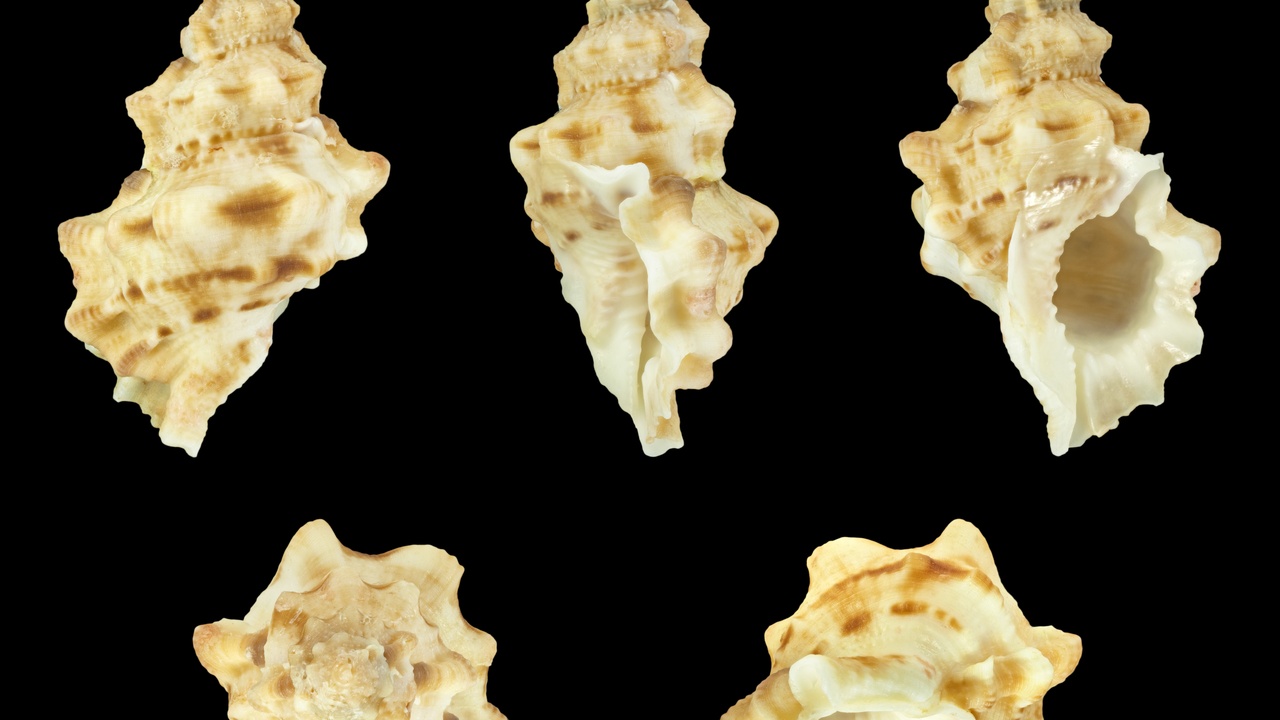
Marine biodiversity yields chemical compounds used in approved medicines and experimental therapies. Ziconotide (Prialt), derived from cone‑snail venom, treats severe chronic pain, and trabectedin (Yondelis), originally isolated from sea squirts, is used in cancer treatment.
Academic labs and biotech firms screen sponges, algae, and marine microbes for antibiotics, anticancer agents, and enzymes used in molecular biology. Advances in genomics and metagenomics accelerate discovery by identifying biosynthetic genes in uncultured organisms.
Growing marine biotech investment reflects the sector’s potential to deliver novel therapeutics and research tools for human health.
5. Nutrition and Food Security for Billions
Roughly 3 billion people depend on marine and coastal biodiversity for at least some of their dietary protein and livelihoods, according to FAO and United Nations reporting. Fisheries and aquaculture provide essential protein and micronutrients in many low‑income regions.
Marine biology improves stock assessments, selective breeding, and hatchery techniques that boost aquaculture yields while reducing pressure on wild populations. Examples include selective breeding programs for salmon and improved hatchery practices for shrimp that increase efficiency and reduce disease risk.
Those advances protect small‑scale coastal livelihoods—FAO estimates ~59.6 million people are directly engaged in primary fisheries production—while helping maintain global seafood supplies.
Economic, Social, and Cultural Value

The ocean underpins national economies, local cultures, and recreation. Marine science informs sustainable use, supports trade and tourism, and helps preserve cultural relationships with the sea.
6. Supporting Coastal Economies and Jobs
Healthy marine ecosystems sustain fisheries, tourism, and global trade—more than 80% of the world’s trade by volume moves by sea. Fisheries and aquaculture employ tens of millions, and stable catches depend on sound biological science.
Marine biology supports catch limits, stock rebuilding plans, and value‑added supply chains that keep coastal economies resilient. Alaska’s commercial fisheries, for example, create significant dockside and processing jobs, while reef tourism in the Maldives sustains island communities.
Local livelihoods depend on both sustainable management and the scientific data that guide it.
7. Driving Sustainable Industries and Innovation
Marine research catalyzes new industries: offshore wind developers like Ørsted rely on ecological studies for siting, startups explore algal bioplastics and biofuels, and blue biotech firms commercialize marine-derived products.
Applications include algae-based feeds that reduce reliance on wild fish, algal bioplastics pilots, and tidal‑energy test projects. Investment trends show growing interest in the blue economy, but ecological knowledge is essential to minimize trade‑offs and guide sustainable deployment.
8. Cultural and Recreational Importance
The ocean shapes cultural identities and provides recreation that supports mental and physical health. Traditional fishing practices among Indigenous peoples, reef-based rituals, and coastal festivals reflect deep social ties to marine environments.
Recreational diving, boating, and coastal tourism also sustain local economies—places like Bonaire and the Maldives depend heavily on dive tourism. Marine biology helps balance access with protection, enabling culturally sensitive management and community-managed marine areas.
Climate Regulation and Resilience

Marine systems sequester carbon, buffer storms, and supply the data that underpin climate models. Protecting and restoring coastal habitats yields both climate mitigation and adaptation benefits, informed by marine biological research.
9. Carbon Sequestration and Climate Mitigation
Blue carbon ecosystems—mangroves, seagrasses, and salt marshes—store large amounts of carbon per hectare, often exceeding many terrestrial forests in per‑area carbon density. The ocean also absorbs roughly 25–30% of anthropogenic CO2, according to IPCC and UNEP assessments.
Marine biologists quantify sequestration potential so policymakers can include coastal habitat protection in climate strategies. Mangrove restoration projects across the Philippines and Indonesia both sequester carbon and reduce coastal erosion, delivering measurable co‑benefits.
Such nature‑based solutions are cost‑effective complements to emissions reductions when guided by reliable ecological data.
10. Informing Climate Adaptation and Policy
Marine biology provides empirical evidence for coastal resilience planning and international policy. Long-term ocean monitoring informs sea-level rise projections and ecosystem vulnerability assessments used in adaptation planning.
Initiatives like the UN Decade of Ocean Science for Sustainable Development and IPCC reports depend on marine biological data. For example, reef health assessments have influenced coastal setback lines and the choice between seawalls and living shorelines, while fish stock models guide seasonal closures as species distributions shift.
Sustained funding for monitoring and integration of marine science into national adaptation plans is essential to make these policies effective.
Summary
- Marine life underpins services we often take for granted—oxygen production, food, and coastal protection—so conserving biodiversity preserves the systems that sustain societies.
- Organisms from cone snails to marine microbes have produced approved medicines and biotech tools, showing the ocean’s direct value to human health.
- Blue carbon ecosystems (mangroves, seagrasses, salt marshes) sequester substantial carbon and offer cost‑effective mitigation and adaptation co‑benefits when restored and protected.
- Support for marine research, marine protected areas, and sustainable seafood choices translates scientific knowledge into jobs, cultural resilience, and stronger climate policy—practical steps anyone can back.