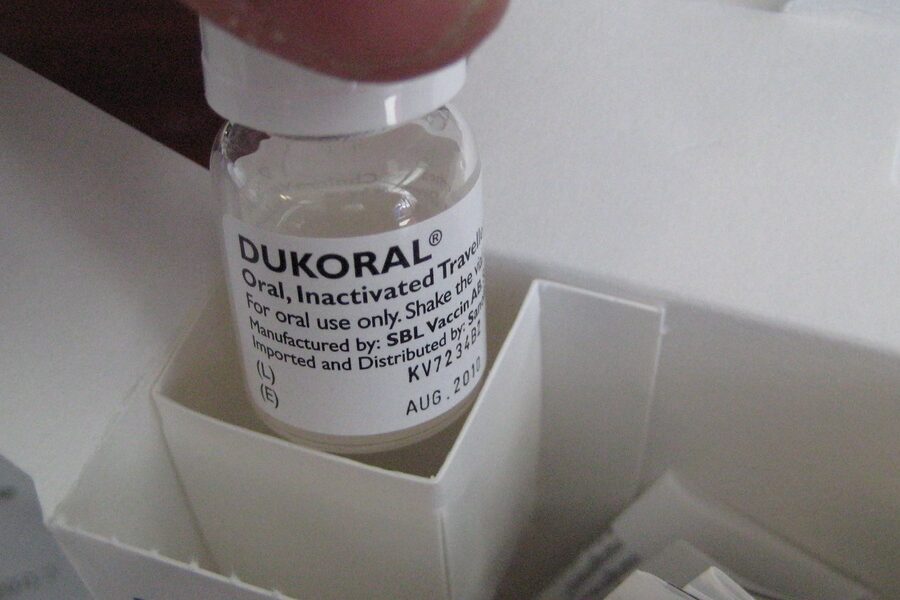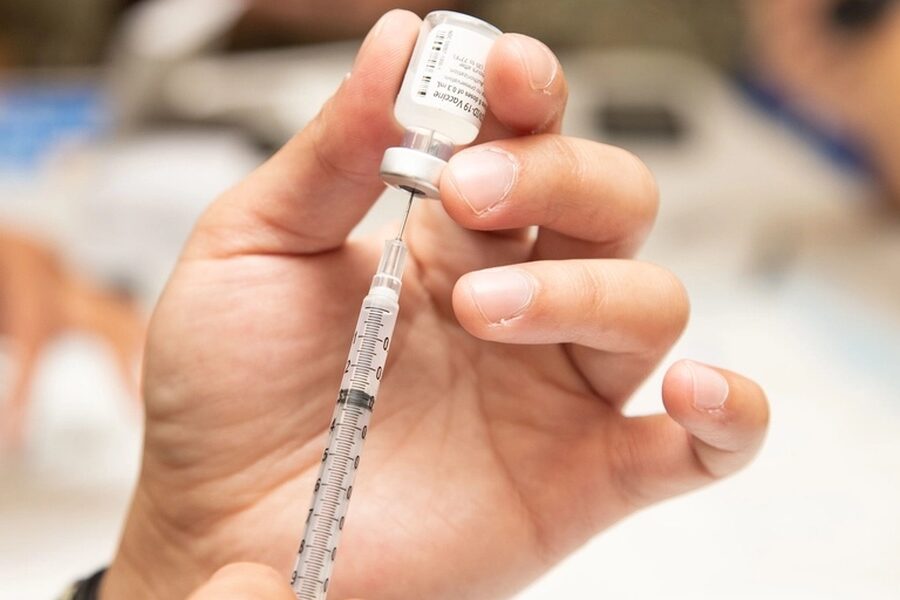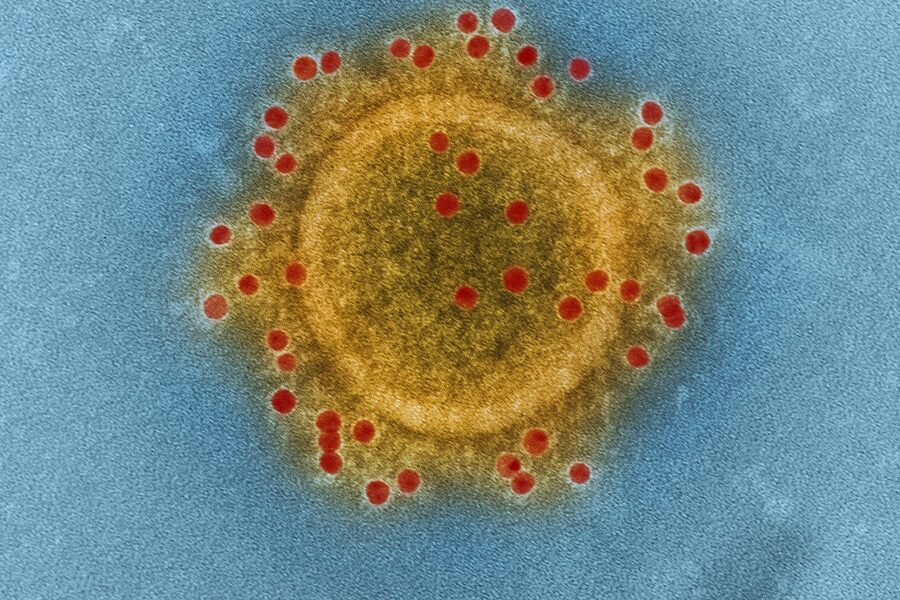
In 1980 the World Health Organization declared smallpox eradicated — a milestone that required both clinical science (vaccines and virology) and public health systems (mass vaccination campaigns, surveillance, and policy). That victory shows how lab discoveries and community-level action must align to change health at scale.
Understanding the differences between health science and public health helps students choosing degrees, clinicians engaging communities, researchers designing studies, and employers hiring for health roles. Below are seven concrete differences grouped into three categories: scope; methods, data and training; and goals, policy and careers.
Scope and Focus

At root, the two fields ask different questions: who is the subject of care and which problems are prioritized. One looks at patients; the other looks at populations.
1. Unit of analysis: individual patient care versus population-level focus
Health science typically concentrates on diagnosing and treating individual patients, using clinical research to improve outcomes for specific people. Think of a physician choosing the optimal drug or a surgeon refining a technique; success is measured by patient recovery, symptom reduction, or survival.
Public health, by contrast, tracks population measures such as incidence, prevalence, vaccination coverage and equity. Programs are judged by effects across communities — lower disease rates, higher immunization coverage, or reduced disparities. Historical examples make the difference clear: the 1954 polio vaccine trials (Salk) led to clinical adoption, while mass immunization campaigns and surveillance drove wide population impact; smallpox eradication (1980) combined both approaches to end a global disease.
2. Immediate objectives: curing or managing disease versus preventing and promoting health
Clinicians and bench scientists often prioritize curing, managing, or understanding disease in individual patients — developing drugs, devices, or surgical procedures that change a single person’s prognosis. Clinical trials test safety and efficacy for treatment decisions used in bedside care.
Public health emphasizes prevention, population-level risk reduction, and health promotion. For example, vaccination programs prevent an estimated 2–3 million deaths annually (WHO). Public health designs campaigns, policies, and systems to reduce transmission, shift behaviors, and protect entire communities.
Outbreak responses illustrate the complementarity: in 2020–2021 vaccines were developed in laboratories (health science) while public health agencies planned prioritization, logistics and mandates for distribution. One side makes the intervention; the other shapes how it reaches people and reduces harm at scale.
Methods, Data and Training

The methods and tools are a clear divider: bench and clinical research use laboratory assays and trials, while public health relies on surveillance, surveys, field studies and policy analysis to understand population trends and design interventions.
3. Methods: laboratory and clinical research versus epidemiology and surveillance
Health science commonly uses laboratory experiments, mechanistic studies, physiology and randomized controlled trials (Phase I–III) to generate evidence that changes individual care. Phase III trials alone can enroll hundreds to thousands of participants and take years with substantial funding.
Public health relies on epidemiology, continuous surveillance and community-based research to detect patterns and guide action. Systems like the CDC’s Behavioral Risk Factor Surveillance System (BRFSS) collect roughly 400,000 adult interviews annually to monitor risk factors and guide programs. Those methods run on different timelines: trials are episodic and resource-heavy; surveillance is ongoing and designed to inform programmatic decisions.
4. Data types and tools: biomarkers, imaging and EHRs versus surveys, GIS and population registries
Clinical research often depends on high-resolution, patient-specific data: biomarkers, imaging (MRI, CT), genomic assays, PCR tests and electronic health records (EHRs) that support precision care decisions. Those data guide individualized therapies and diagnostic pathways.
Public health emphasizes surveys, vital statistics, registries and geographic information systems (GIS) to map trends and target interventions. During the 2014–2016 West Africa Ebola outbreak (≈28,000 reported cases), mapping and surveillance were essential for directing resources and interrupting transmission. Tools differ because the questions differ: one asks what’s happening inside a patient; the other asks where and why disease clusters in communities.
5. Education and credentials: degrees, certifications, and career paths
Typical health science credentials include a BS/MS in biomedical sciences, MD or DO for clinicians, PharmD for pharmacists, and PhD for bench scientists. Training emphasizes lab rotations, clinical clerkships and research apprenticeships that build technical and clinical skills.
Public health careers commonly center on the MPH or DrPH and specialized master’s programs. Curricula focus on epidemiology, biostatistics, health policy, program planning and field practica. An MPH practicum in a local health department is a common bridge from classroom to community practice.
Career outcomes reflect those differences: bench scientist, clinical researcher or practicing physician versus epidemiologist, health department manager, policy analyst or program director. Dual degrees (MD/MPH or PhD/MPH) are increasingly popular for those who want to span both worlds.
Goals, Policy Influence and Career Intersection

Outputs from each field translate into different kinds of impact: clinical discoveries feed regulatory approvals and treatment guidelines, while public health evidence drives policies, programs and population-level guidelines from institutions like CDC and WHO.
6. Policy and scale: clinical findings versus public health guidelines
Health science discoveries such as a new drug move through regulatory pathways (for example, FDA approval) and change individual care through clinical practice guidelines. Funders like the NIH underwrite much of the early-stage research that leads to those trials and approvals.
Public health findings often become guidelines, laws or programs that affect entire populations. Research on tobacco harms produced evidence that supported warning labels, advertising restrictions and smoke-free laws—policy changes that shifted population behavior and reduced disease. Agencies such as CDC and WHO synthesize evidence to recommend vaccination schedules, surveillance priorities and emergency responses that operate at national and global scale.
7. Career overlap and collaboration: when clinicians, researchers and public health professionals work together
Despite distinct aims, collaboration is common and often essential. The COVID-19 pandemic (2020–2021) provides a recent example: Pfizer‑BioNTech and Moderna developed mRNA vaccines in the lab, clinical trialists tested safety and efficacy, and public health agencies coordinated prioritization, distribution and surveillance.
Roles in such efforts are varied: clinician‑researchers run trials, epidemiologists advise on prioritization, public health managers set up mass clinics and data teams monitor uptake. Professionals with dual credentials (MD/MPH, PhD/MPH) frequently act as bridges, translating bench findings into population programs and policy.
Summary
- Unit of analysis differs: health science centers on individual diagnosis and treatment; public health targets population metrics like incidence and coverage.
- Methods and data diverge: clinical work uses biomarkers, imaging and trials; public health uses surveys, surveillance and GIS to guide programs.
- Education and careers vary but overlap: MDs, PhDs and bench scientists versus MPH-trained epidemiologists and program managers—dual degrees create bridge roles.
- Policy translation follows different pathways: FDA approvals for therapies and CDC/WHO guidelines for population programs; both are needed to change health outcomes (smallpox eradication is a model).
- Consider your goals: choose the field that matches your interest in individual care or population impact, or pursue interdisciplinary training (MD/MPH or PhD/MPH) to work across both.