In 1842 Sir Richard Owen coined the name ‘Dinosauria’—a single sentence that launched 180 years of public fascination and, along the way, a stable of enduring but incorrect images of these animals.
Those early images stuck. They shaped museum halls, school lessons, and blockbuster films. Over time, new fossils and methods exposed many errors—yet a few tidy misconceptions persist in classrooms and on-screen.
Popular dinosaur misconceptions matter because they influence how people think about evolution, extinction, and Earth’s deep past. Paleontologists now name hundreds more species than in Owen’s day; fossil finds and techniques like bone histology rewrite stories once told as fact.
This piece dismantles seven persistent myths with dates, fossil evidence, and cultural context (hello, Jurassic Park, 1993). It’ll list seven common misconceptions and show what the science really says.
First up: how dinosaurs actually looked.
How Dinosaurs Looked: Visual Myths and Truths
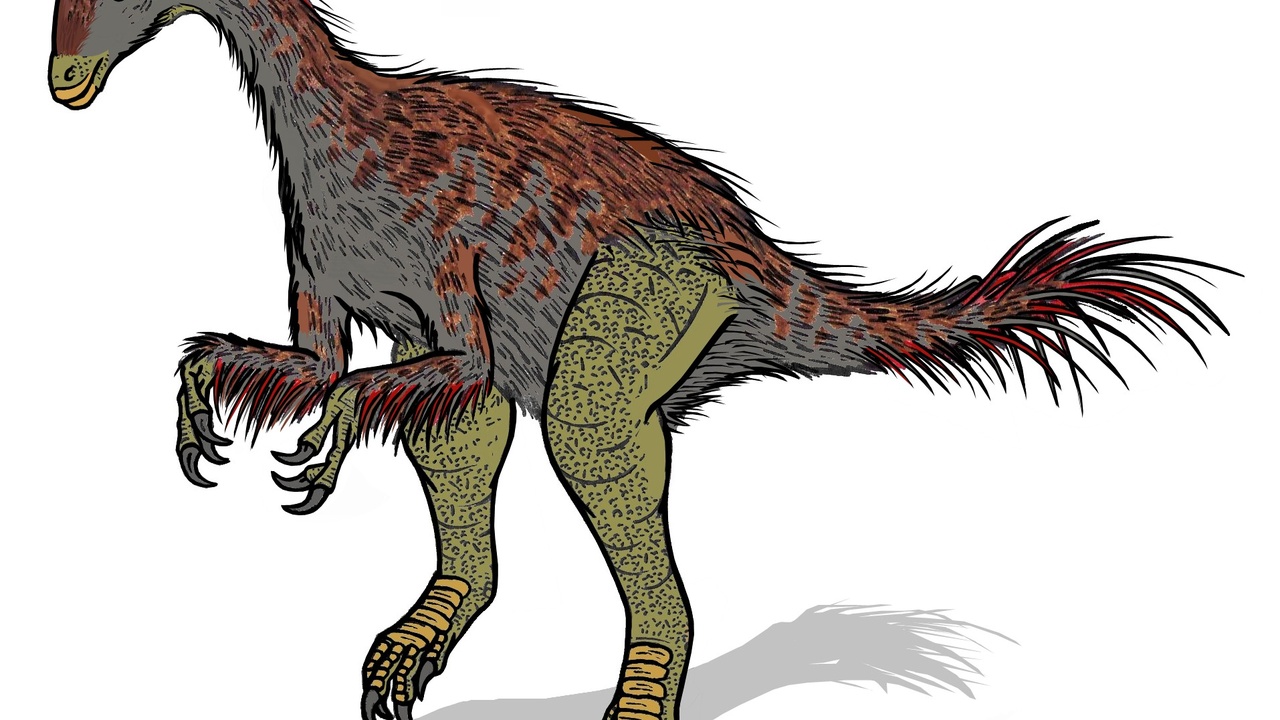
Reconstructions of dinosaur appearance have shifted sharply since the 19th century. Beginning in the 1990s, spectacular fossil beds in Liaoning, China forced a rethink: the 1996 description of Sinosauropteryx made feathers undeniable. Museums and media gradually updated mounts, models, and art to reflect these finds.
1. Not all dinosaurs were scaly—many had feathers
Myth: Every dinosaur was a scaly, reptile-like creature. Reality: many theropods had feathers or filamentous coverings.
Fossils from Liaoning, especially Sinosauropteryx (described in 1996), showed filamentous integument. Later finds, including Yutyrannus in 2012, demonstrated that even large tyrannosauroids could bear substantial feathers. Today paleontologists point to dozens of species with feather evidence.
Archaeopteryx (about 150 million years old) remains a key early link between birds and non-avian theropods. As paleontologist Xing Xu has observed, “feathers were widespread” among many theropods, not a unique trait of birds.
The practical effect is clear: museum mounts, children’s books, and some films now show feathered dinosaurs. Artists still debate color and pattern, but the blunt scaly stereotype is mostly retired.
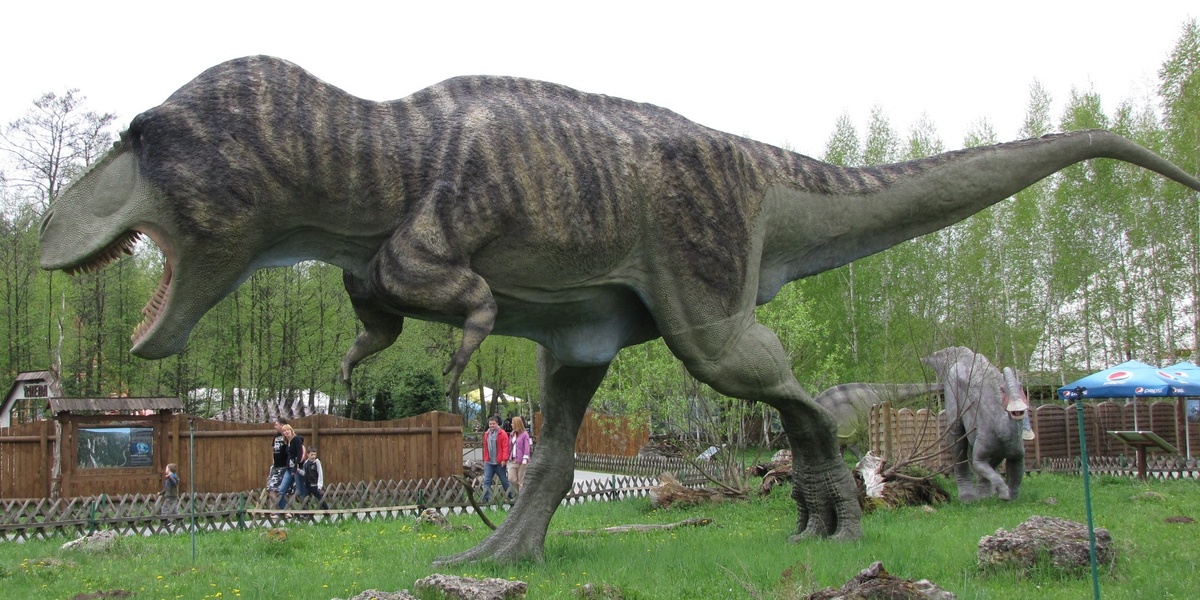
2. T. rex didn’t drag its tail and may have been more agile than thought
Myth: Tyrannosaurus rex was a slow, tail-dragging giant. Reality: biomechanics and trackways support a horizontal, balanced posture.
T. rex measured up to about 12 meters long in well-known specimens, with a massive skull and powerful hindlimbs. Studies of center-of-mass, muscle attachment, and footprint data show the tail functioned as an effective counterbalance, holding the body off the ground.
Museum mounts were revised through the mid-20th century as paleontologists abandoned the upright, tail-drag pose. That change altered how visitors perceive predation and locomotion—T. rex could turn faster and step more dynamically than early reconstructions implied.
3. Velociraptors in movies were two meters longer than the real thing
Myth: The raptors in Jurassic Park are the size and savage pack-hunters seen on screen. Reality: Velociraptor mongoliensis was roughly 1.8 meters long, lightly built, and feathered.
Hollywood borrowed traits from the larger Deinonychus when designing its raptors, and left off feathers for a sleeker look. The real Velociraptor weighed far less than the film monsters and likely looked quite birdlike.
Paleontologists corrected public images over the past three decades, and museum displays now usually show raptors with feathers and accurate proportions. But the 1993 film left a deep imprint on popular imagination.
Behavior and Biology: Myths about How Dinosaurs Lived
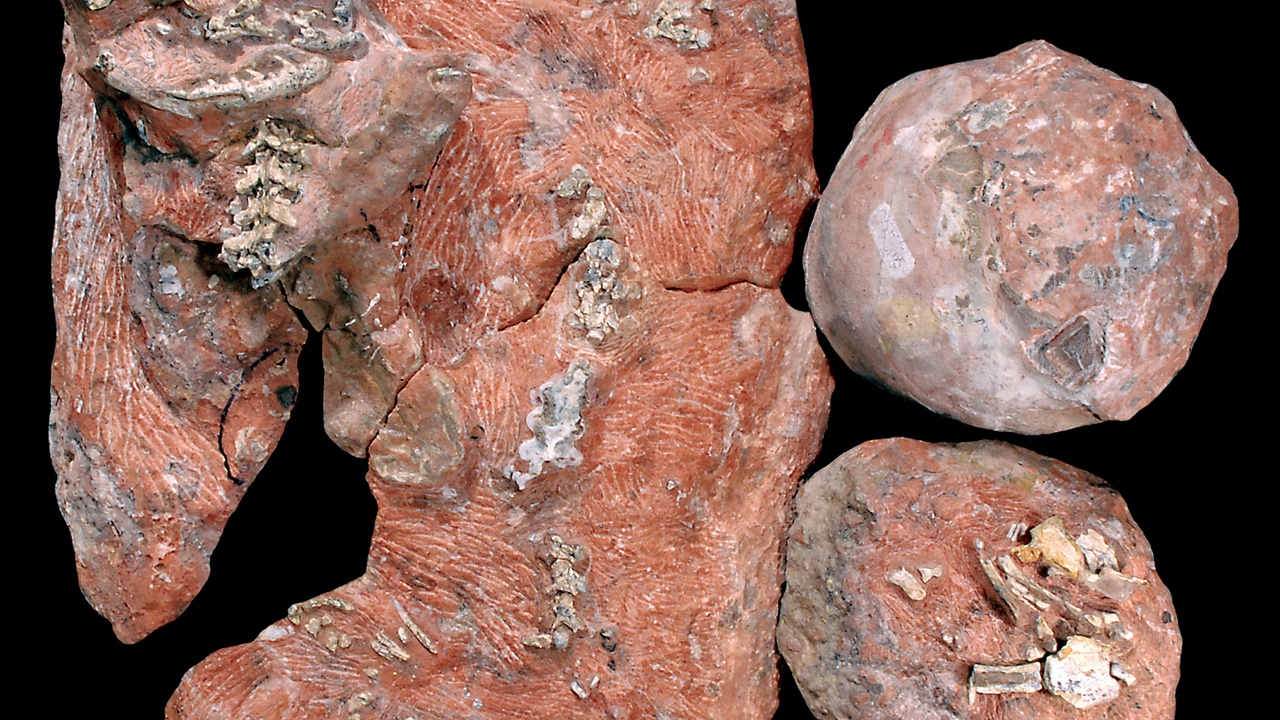
Fossils can record behavior—nesting sites, trackways, and bone growth reveal life histories—but gaps invite speculation. Maiasaura nesting colonies discovered in Montana in the 1970s gave the first strong evidence for parental care, while isotope and histology techniques now illuminate growth and metabolism.
4. Dinosaurs were not simply cold-blooded reptiles
Myth: All dinosaurs were ectothermic like modern lizards. Reality: metabolic biology varied, and many dinosaurs show signs of elevated growth and activity.
Bone histology reveals fast growth rates in numerous dinosaurs, sometimes comparable to modern birds and mammals. Predator–prey ratios and the presence of insulating feathers also argue against a simple ‘cold-blooded’ model.
Some researchers describe certain dinosaurs as mesothermic—intermediate metabolic strategies between ectothermy and endothermy. The point is not a single label but diversity: metabolism likely differed by clade, size, and ecology.
Interpreting metabolism changes how we reconstruct activity levels, thermoregulation, and geographic ranges for many species.
5. Some dinosaurs cared for their young—nesting and herd evidence exists
Myth: Dinosaurs left their eggs and abandoned their young. Reality: multiple lines of evidence show parental care in several species.
Maiasaura nesting colonies, found in Montana in the 1970s, included dozens of nests and skeletons of juveniles at various growth stages. That pattern indicates repeated use of nesting sites and parental provisioning.
Trackways and bonebeds also reveal herd behavior in many herbivores, and juvenile growth series suggest parental feeding or protection in at least some clades. Parenting strategies, like metabolism, varied across dinosaur groups.
Extinction and Time: Myths about When and Why Dinosaurs Disappeared
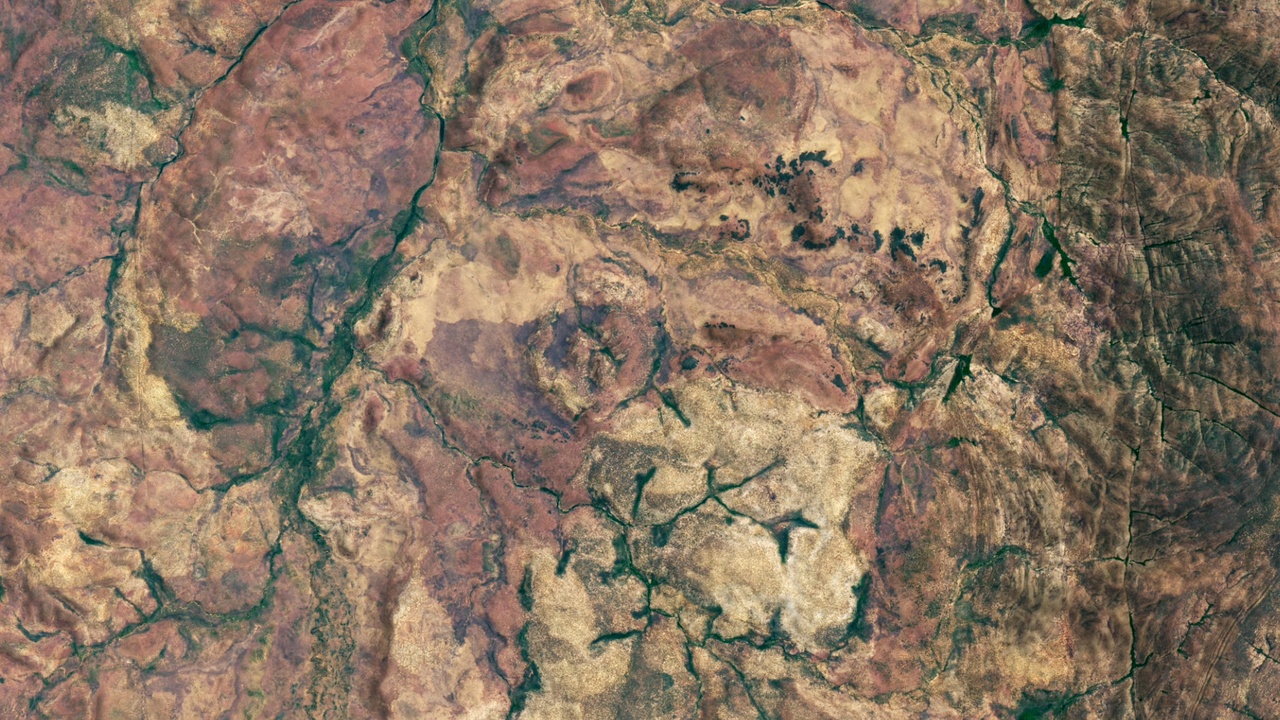
Misunderstanding deep time spawns myths about coexistence and cause. The mass extinction at the K–Pg boundary occurred about 66 million years ago. Scientists debated causes for decades; today the Chicxulub impact and major volcanism (Deccan Traps) are central pieces of the puzzle.
6. Humans and dinosaurs did not coexist
Myth: People lived alongside dinosaurs. Reality: non-avian dinosaurs died out roughly 66 million years ago, while anatomically modern humans appeared about 300,000 years ago.
The gap is vast: tens of millions of years separate the last non-avian dinosaurs and Homo sapiens. Misunderstandings persist because of fantasy art, some popular media, and misleading museum displays outside mainstream science.
To be clear: birds are living dinosaurs, so humans and bird descendants do share the modern world. But non-avian dinosaurs and people never met in time.
7. The end-Cretaceous extinction had multiple causes, not a single ‘smoking gun’
Myth: One event—an asteroid—single-handedly wiped out the dinosaurs. Reality: the Chicxulub impact around 66 million years ago played a major role, but large-scale volcanism and longer-term environmental stress also mattered.
The Chicxulub crater ties directly to the K–Pg boundary and shows global effects: atmospheric dust, wildfires, and climate disruption. At the same time, the Deccan Traps in India represent massive eruptions spanning hundreds of thousands of years and likely stressed ecosystems before and after the impact.
Most researchers now favor a nuanced view: the impact delivered an acute shock on top of preexisting pressures, producing cascading extinctions and shaping recovery patterns.
Summary
Fossils plus modern methods have replaced many old ideas. New discoveries since the 1990s—feathered theropods from Liaoning, refined growth studies, and precise dating—have rewritten how we picture appearance, behavior, and the end of the age of dinosaurs.
To keep up with shifting myths about dinosaurs, visit a natural history museum, read a recent popular-science book, or follow updates from reputable institutions like the Natural History Museum or the Smithsonian.
- Feathers appear in many theropods, changing reconstructions of color, texture, and display behavior.
- Body posture and biomechanics replaced tail-dragging images for big predators like T. rex.
- Evidence for parental care and herding shows complex social behavior in numerous dinosaur groups.
- The K–Pg event involved the Chicxulub impact plus prolonged environmental stress from volcanism and climate change.