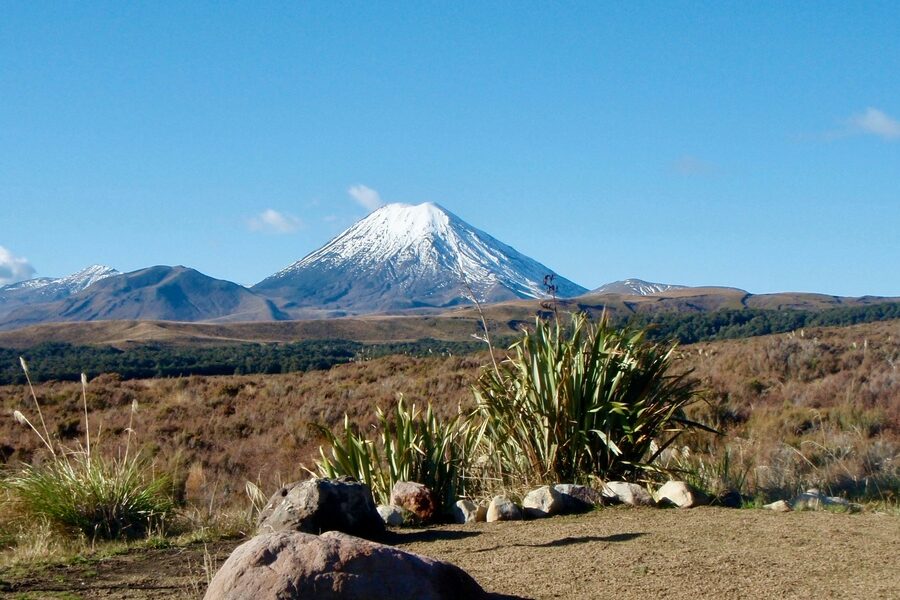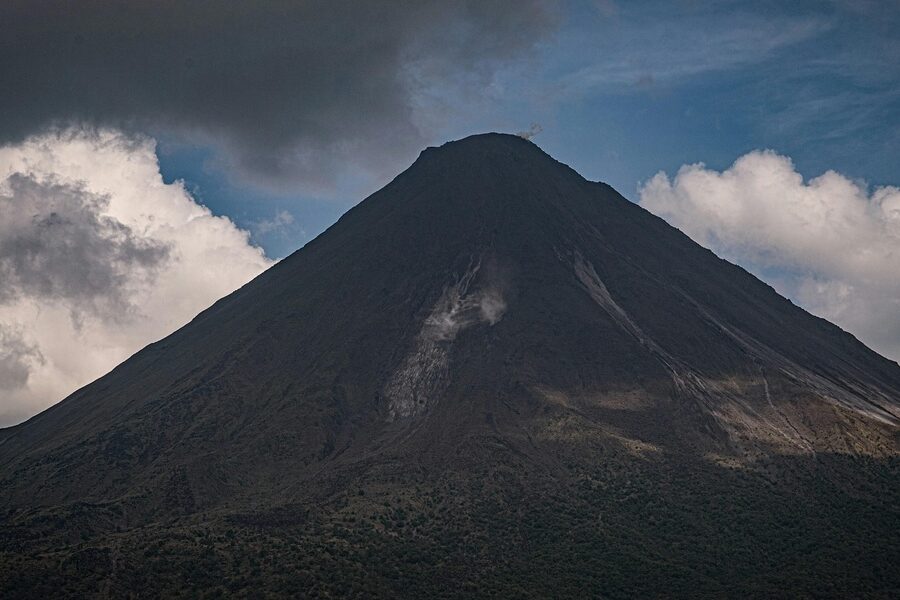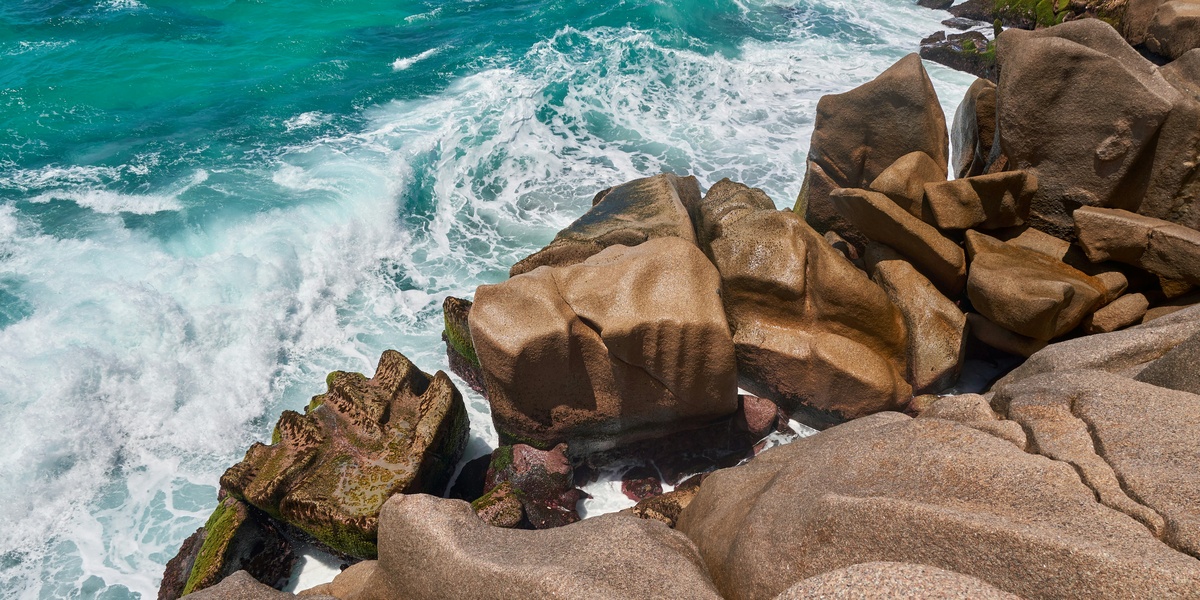
The Seychelles archipelago, made up of granite and coral islands in the western Indian Ocean, has a distinctive geological makeup that shapes its soils, beaches, and rock outcrops. That geology gives rise to a range of identifiable minerals important to scientists, collectors, and local land use.
There are 17 Minerals in Seychelles, ranging from Albite to Zircon. For each mineral, entries are organized by Formula,Occurrence,Uses or relevance so you can quickly see chemical composition, where it occurs on the islands, and its practical or scientific importance — you’ll find below.
Which minerals on the islands are most commonly encountered and why?
Granite-related minerals such as albite, quartz and other feldspars are the most widespread because they form the bedrock of many inner islands; heavy minerals like zircon show up in coastal placers and are notable for dating and industrial uses. Many listed minerals are of scientific or collector interest rather than large-scale commercial targets.
How reliable is the occurrence information and should I use it for exploration?
The list compiles published surveys, museum records and field notes, so it reflects reported occurrences but is not exhaustive; small or private occurrences may be missing. For exploration or commercial decisions, consult detailed geological maps and local authorities for permits and the latest data.
Minerals in Seychelles
| Name | Formula | Occurrence | Uses or relevance |
|---|---|---|---|
| Quartz | SiO2 | Mahé, Praslin, La Digue – common in granite outcrops and stream/placer sands | Local geological marker; used in jewelry and education |
| Microcline | KAlSi3O8 | Inner granite islands (Mahé, Praslin) – primary K‑feldspar in granites | Indicator of continental crust; ornamental use locally |
| Albite | NaAlSi3O8 | Granitic outcrops on inner islands; alters to clay in soils | Common plagioclase in granites; soil mineral source |
| Muscovite | KAl2(AlSi3O10)(OH)2 | Granitic outcrops and weathered soils on inner islands | Educational/identification use; soil mineral |
| Biotite | K(Mg,Fe)3AlSi3O10(OH)2 | Inner island granites (Mahé, Praslin) – mafic mica in plutons | Petrogenetic indicator; common rock-forming mineral |
| Hornblende | Ca2(Mg,Fe)5Si8O22(OH)2 (approx.) | Granitic and associated metamorphic exposures on inner islands | Records magmatic/metamorphic conditions locally |
| Zircon | ZrSiO4 | Accessory in granite outcrops and beach/stream placers | Geochronology; tiny gem crystals for study |
| Apatite | Ca5(PO4)3(F,Cl,OH) | Accessory in granite pegmatites and outcrops on inner islands | Phosphate source; indicates crystallization environment |
| Magnetite | Fe3O4 | Occasional in granitic veins and heavy mineral concentrates on beaches | Iron ore; magnetic mineral for prospecting |
| Ilmenite | FeTiO3 | Beach and coastal placers on inner and outer islands | Heavy-mineral sand component; titanium ore locally |
| Rutile | TiO2 | Detected in coastal placers and heavy-sand assemblages | Titanium ore; gemstone variety occasionally found |
| Monazite | (Ce,La,Th)PO4 | Reported in some coastal heavy-mineral sands/placers | Source of rare earths and thorium; caution for collectors |
| Aragonite | CaCO3 (orthorhombic) | Coral reefs and beach sands across outer and inner islands (reef-derived) | Main component of coral/shell sand; beach-building mineral |
| Calcite | CaCO3 (rhombohedral) | Coralline islands, lagoon sediments, and carbonate beach deposits | Limestone and shell component; reef geology significance |
| Hematite | Fe2O3 | Weathering zones of granites and iron-rich placer grains on beaches | Iron oxide pigment; weathering indicator |
| Goethite | FeO(OH) | Lateritic soils and weathered granite profiles on inner islands | Soil iron oxide; gives yellow-brown coloration |
| Pyrite | FeS2 | Minor occurrences in veins, altered zones, and placer grains | Indicator of hydrothermal activity; collector interest |
Images and Descriptions
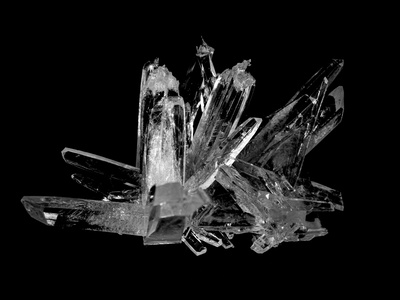
Quartz
Quartz is abundant in Seychelles’ granitic islands, forming clear to milky crystals in outcrops and weathered sands. It’s a key constituent of the granite bedrock and local pebble deposits, useful for geology teaching and basic lapidary interest.

Microcline
Microcline is the potassium feldspar that gives Seychelles granites their texture and color. Found in coarse-grained granite outcrops, it weathers to sand and is important for understanding the islands’ ancient continental origins.
Albite
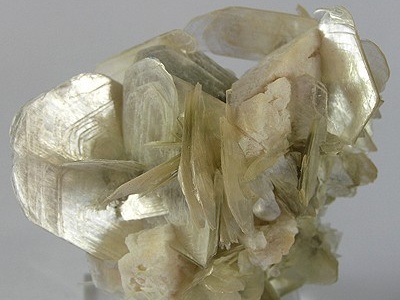
Albite is a sodium-rich plagioclase feldspar in Seychelles granites. It appears in fresh rock and decomposes into clays in soils, helping produce the islands’ weathered profiles and contributing to sand composition.
Muscovite
Muscovite mica occurs as shiny, silvery plates in Seychelles granites and weathered rock. Its flaky crystals are easy to spot and are commonly found in soil and stream sediments derived from granite.
Biotite
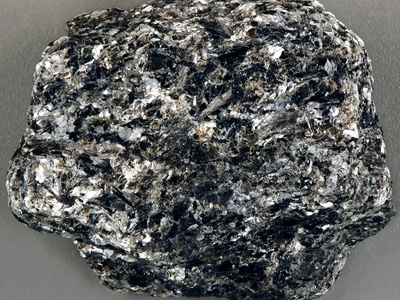
Biotite gives a dark, flaky appearance in Seychelles granites. It records the magmatic history of the islands’ continental crust and weathers to iron-rich soils and clays.
Hornblende
Hornblende is a dark amphibole in Seychelles granites and altered zones. It reflects the original magma chemistry and hydrothermal processes, appearing in outcrops and coarse rock fragments.
Zircon
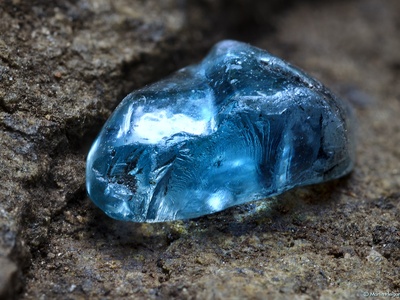
Zircon occurs as accessory crystals in Seychelles granites and in heavy-mineral sand concentrates. Minute but durable, zircons are invaluable for dating the islands’ ancient rocks and are sought by geologists.
Apatite
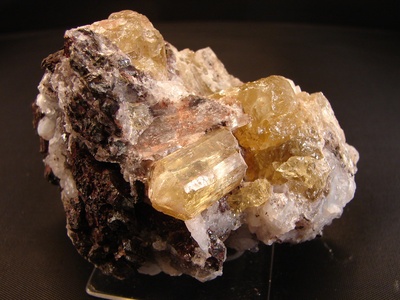
Apatite appears as small prismatic crystals in Seychelles granites and pegmatites. It’s an indicator mineral for the rock’s chemistry and occasionally collected by enthusiasts.
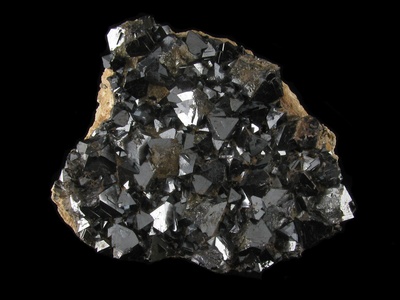
Magnetite
Magnetite is an iron oxide found in some Seychelles granites and in concentrated heavy sands. Its magnetic nature makes it easy to spot in placers and helps map mineral distributions.
Ilmenite
Ilmenite is a common heavy mineral in Seychelles beach sands, especially in placers. It’s an important titanium-bearing mineral and a familiar black, dense grain to geotourists and sand samplers.
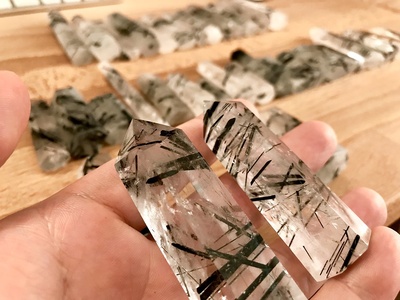
Rutile
Rutile occurs as reddish-brown needlelike grains in some Seychelles beach sands. As a dense placer mineral it accompanies ilmenite and zircon and can interest collectors and researchers.
Monazite
Monazite is a rare-earth phosphate found in minor amounts in heavy mineral sands around Seychelles beaches. It’s notable for containing rare earths and low-level radioactivity, so collectors should handle with awareness.
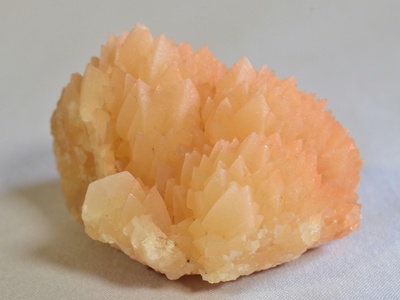
Aragonite
Aragonite is the reef-derived form of calcium carbonate that makes up much of Seychelles’ white sands and coral rubble. It’s central to beach formation and highlights the islands’ biological-geological link.
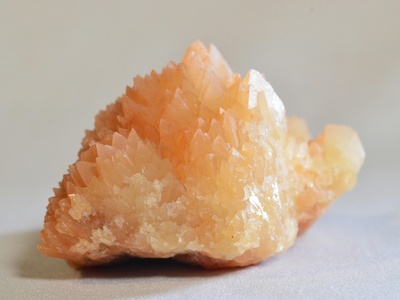
Calcite
Calcite occurs in shell fragments and reef-related sediments in Seychelles, forming parts of coralline islands and sediments. It complements aragonite in beaches and lagoonal deposits, important for coastal geomorphology.
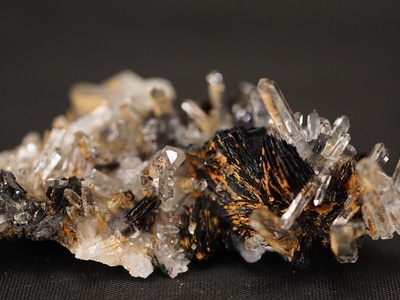
Hematite
Hematite shows up as reddish grains in weathered granite and as heavy-mineral fragments on some beaches. It’s a common weathering product and helps interpret soil and sediment chemistry.
Goethite
Goethite is a widespread iron-oxide hydroxide in Seychelles’ weathered soils. It forms from oxidation of iron-bearing minerals and colors soils and rock coatings with yellow-brown hues.
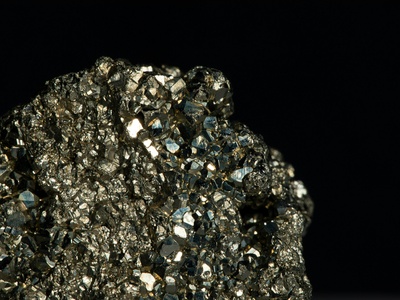
Pyrite
Pyrite appears sparingly in altered granitic veins and as tiny grains in sediments. Its metallic luster and sulfur smell when altered make it a curiosity for field collectors and geology students.