When Google Glass hit headlines in 2013 it promised hands-free info at a glance — and it provoked a privacy and safety backlash almost immediately. That kerfuffle mattered because AR is no longer an oddity: helmeted workers use Microsoft HoloLens 2 in warehouses, smartphone AR runs on millions of devices, and Niantic’s Pokémon Go showed in 2016 how quickly location-based AR can spread (≈65 million downloads in its first month). Augmented reality offers useful overlays, but it also introduces real trade-offs. This piece lays out eight specific disadvantages, grouped into three buckets — user-safety, technical/operational, and social/ethical/legal — so you can weigh the risks alongside the benefits.
User Experience and Safety Concerns
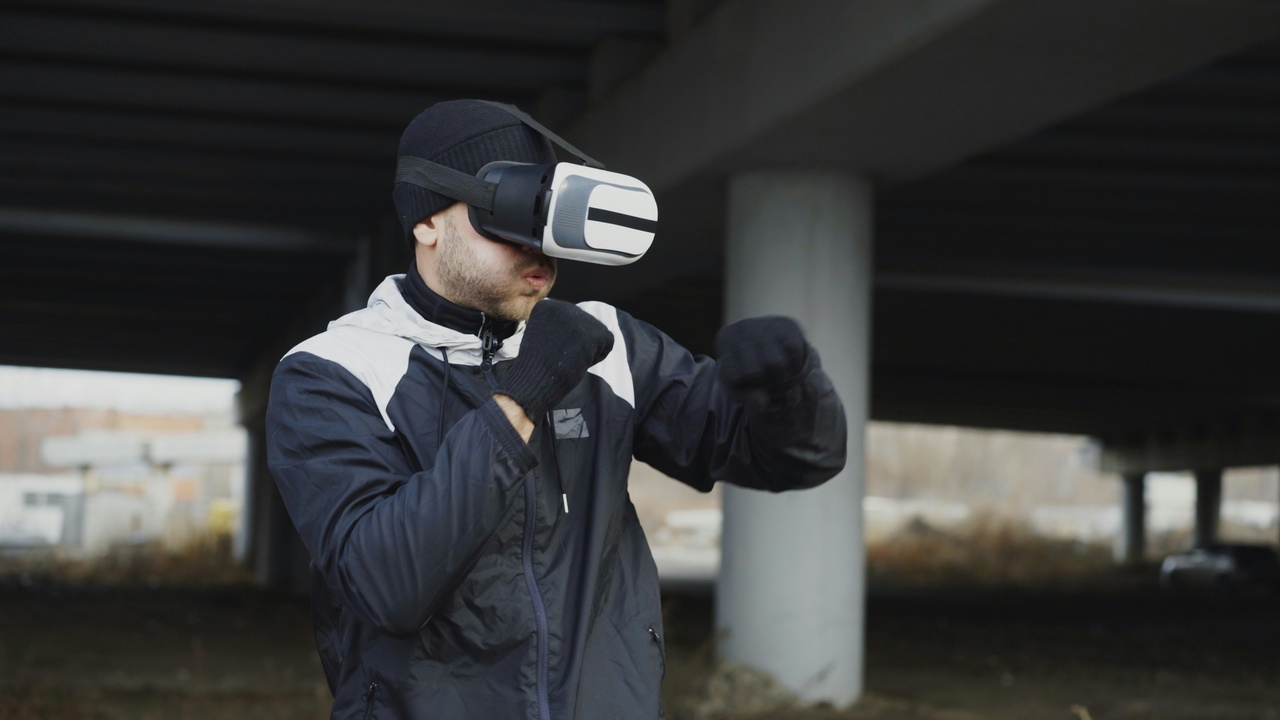
Safety and daily usability are immediate barriers to AR adoption. From people tripping while following on-screen prompts to workers becoming overloaded by persistent overlays, these problems appear in both consumer and workplace settings. Headset weight, limited battery life, and motion sickness make many AR sessions short and fragmentary rather than continuous.
1. Physical Safety Risks and Accidents
AR can distract users or obscure hazards, producing accidents. The 2016 Pokémon Go launch generated numerous reports of distracted walking and vehicle incidents documented in mainstream news and some police reports.
In industrial settings, head-up overlays can cover warning lights or moving parts if designers don’t enforce safe opacity and placement. That creates new liability for employers when a hands-free AR workflow replaces direct vision.
Mitigations are practical: geofencing sensitive zones, safety-mode defaults that dim overlays near hazards, and mandatory training. Regulatory guidance and documented procedures help too, but they require deliberate design and enforcement.
2. Motion Sickness, Eye Strain, and Cognitive Overload
Many users report cyber-sickness, blurred vision, headaches, or fatigue after prolonged AR use. Research on simulator sickness and device manufacturers often recommend short sessions; typical guidance ranges from 20 to 60 minutes per session depending on device and task.
Persistent overlays also increase cognitive load. When multiple labels, directions, and alerts compete for attention, situational awareness drops and decision quality suffers. That’s a real problem in high-stakes environments like surgical training or logistics.
The result: shorter productive sessions, more breaks, and higher error rates unless interfaces are simplified and time-limited by design.
3. Ergonomic and Hardware Comfort Problems
Many AR headsets remain heavy, hot, or awkward to wear for long periods. For example, Microsoft’s HoloLens 2 weighs about 566 g and targets enterprises with a retail reference around $3,500, which highlights both physical and cost barriers.
Battery life compounds the issue: most untethered consumer and pro headsets run roughly 2–4 hours on a single charge. That forces shifts, charging downtime, or tethered operation that reduces mobility.
Workplaces face extra costs to manage comfort: rotating shifts, break schedules, and compatibility checks with personal protective equipment. Lighter consumer glasses can help, but they often sacrifice sensing or processing power.
Technical and Operational Challenges

Many operational failures trace to immature hardware, brittle software, and network dependence. Tracking, latency, and integration problems make AR unreliable outside controlled demos, and that undermines trust in both consumer and enterprise deployments.
4. Tracking Errors, Latency, and Poor Alignment
AR depends on accurate alignment between virtual content and the physical world. When SLAM (simultaneous localization and mapping) struggles—say, in low-light or featureless environments—digital overlays drift or jitter.
Network latency also matters. Shared AR sessions or cloud-assisted rendering can introduce delays that misalign content. In precision work—surgery or industrial assembly—even small errors can be dangerous. Vendors and papers commonly cite sub-20 ms display latency as an ideal target for real-time overlays.
Designers should include fallback modes: switch to manual guidance, display confidence indicators, or require visual verification when precision drops below safe thresholds.
5. Interoperability, Fragmentation, and Vendor Lock-In
The AR ecosystem is fragmented. Apple’s ARKit and Google’s ARCore offer powerful mobile tooling, but enterprise SDKs and proprietary headset platforms often diverge in APIs, capabilities, and supported sensors.
That fragmentation raises migration costs. Companies investing in a single vendor’s hardware or a bespoke spatial-mapping format can face expensive reworks when platforms evolve.
Mitigation includes adopting open formats, building modular middleware, and writing content that degrades gracefully across devices. Procurement must weigh long-term portability, not only short-term features.
6. High Development, Deployment, and Maintenance Costs
Creating reliable AR experiences requires specialized skills: 3D artists, spatial UX designers, SLAM engineers, and robust QA across lighting and device types. Those skills cost money and time.
Pilot projects for enterprises commonly run from about $50k to $250k depending on scope, assets, and integration needs. That estimate covers custom 3D content, spatial mapping infrastructure, and security work.
Ongoing maintenance adds subscription fees, platform upgrades, and security patches. Smaller organizations often choose simpler mobile AR to avoid the upfront burden, but that limits the use cases they can pursue.
Social, Ethical, and Legal Concerns
Social and legal questions shape long-term public acceptance. Privacy, algorithmic bias, and fuzzy liability rules can cause reputational damage and legal exposure, slowing deployments and inviting regulation.
7. Privacy, Surveillance, and Data Collection Risks
AR devices continuously sense environments and people, producing streams of video, audio, and spatial maps. Those datasets can include private interiors, bystanders’ faces, and movement patterns—information that’s sensitive by design.
Google Glass’s 2013 privacy backlash illustrated public unease: some venues banned the device because patrons feared covert recording. Today, spatial maps and biometric overlays add complexity that laws like GDPR touch on but don’t entirely resolve.
Mitigations include on-device processing, end-to-end encryption, clear consent flows, and options to opt out of spatial mapping. Developers should also audit third-party SDKs, which may collect telemetry and user data.
8. Social Harms, Bias, and Unequal Access
AR can amplify social harms. Facial-recognition overlays inherit dataset biases; academic studies have shown higher error rates on darker skin tones in several popular recognition systems. That raises both fairness and safety questions.
Augmented content can be used to harass or shame people in public, for example through persistent filters or geo-tagged defamatory overlays. High device prices and infrastructure needs also concentrate benefits among wealthier firms and users.
Policy and design responses include inclusive training datasets, public-interest audits, affordability programs or subsidies, and procurement rules favoring accessibility and auditability.
Summary
- Safety first: physical risks, motion sickness, and ergonomic limits make many AR sessions short and introduce liability—designs should default to safe modes and session limits.
- Technical limits: tracking, latency, and fragmentation mean AR often fails outside controlled conditions; expect ongoing development costs and fallback modes.
- Privacy and social risk: always-on sensors create sensitive datasets and bias risks; favor on-device processing, clear consent, and audits.
- Cost and access: enterprise-grade hardware (HoloLens 2 ~566 g, ~$3,500) and pilot budgets ($50k–$250k) restrict adoption and can widen digital divides.
- Practical next steps: require safety-first defaults, prefer open standards and modular architectures, and test sensible limits (one-hour sessions; disable always-on cameras where possible).