Kiribati sits atop a vast stretch of Pacific seabed whose geology tells a different story than its tiny islands: beneath clear waters lie metal-rich deposits that researchers and governments watch closely. From cobalt and manganese-bearing formations to deeper nodules on abyssal plains, the range of seabed materials reflects both scientific interest and practical challenges.
There are 4 Minerals in Kiribati, ranging from Ferromanganese crusts to Polymetallic nodules. For each entry you’ll find below the data organized as Location,Status,Estimated reserves (t), which makes it easier to compare where deposits are, how proven they are, and the scale involved — you’ll find below.
How accurate are the estimated reserves listed for these seabed minerals?
Reserve figures are typically preliminary and based on survey sampling, remote sensing, and limited drilling; “Estimated reserves (t)” gives a best current approximation but can change with more detailed exploration, methodology differences, and reassessments of economic viability.
What legal and environmental factors influence mining these minerals near Kiribati?
Mining interest is shaped by international law (UNCLOS), any national claims, and strict environmental review requirements; potential impacts on marine ecosystems and local communities mean projects face lengthy permitting, stakeholder consultation, and scientific study before moving forward.
Minerals in Kiribati
| Name | Location | Status | Estimated reserves (t) |
|---|---|---|---|
| Phosphate rock | Banaba (Ocean Island) | historic | unknown |
| Polymetallic nodules | Kiribati EEZ (deep seabed) | potential | unknown |
| Ferromanganese crusts | Seamounts in Kiribati EEZ | potential | unknown |
| Limestone (reef/coral) | Various islands (local use) | active | unknown |
Images and Descriptions
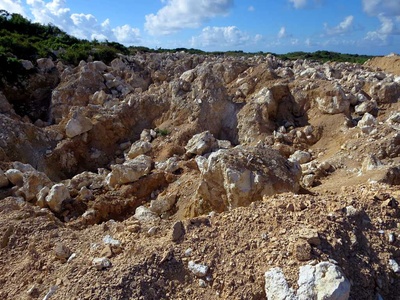
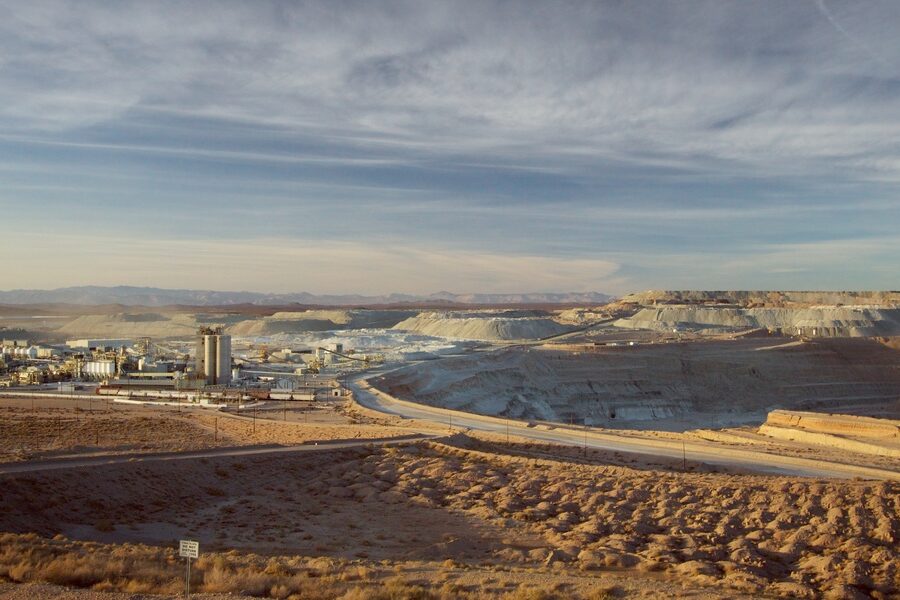
Phosphate rock
Phosphate rock mined from Banaba (Ocean Island) from the late 19th century through the mid-20th century. Large-scale extraction supplied fertilizer markets, leaving most deposits exhausted and causing severe ecological damage and displacement of islanders.

Polymetallic nodules
Polymetallic nodules are potato-sized lumps rich in manganese, nickel, copper and cobalt found on the deep seabed. Surveys suggest potential occurrences within parts of Kiribati’s EEZ but no commercial mining exists; technical and environmental challenges remain.
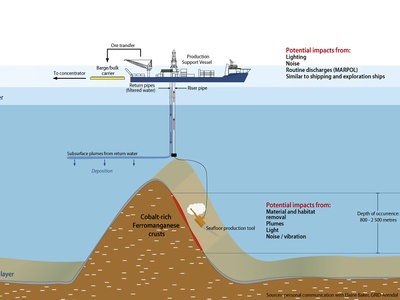
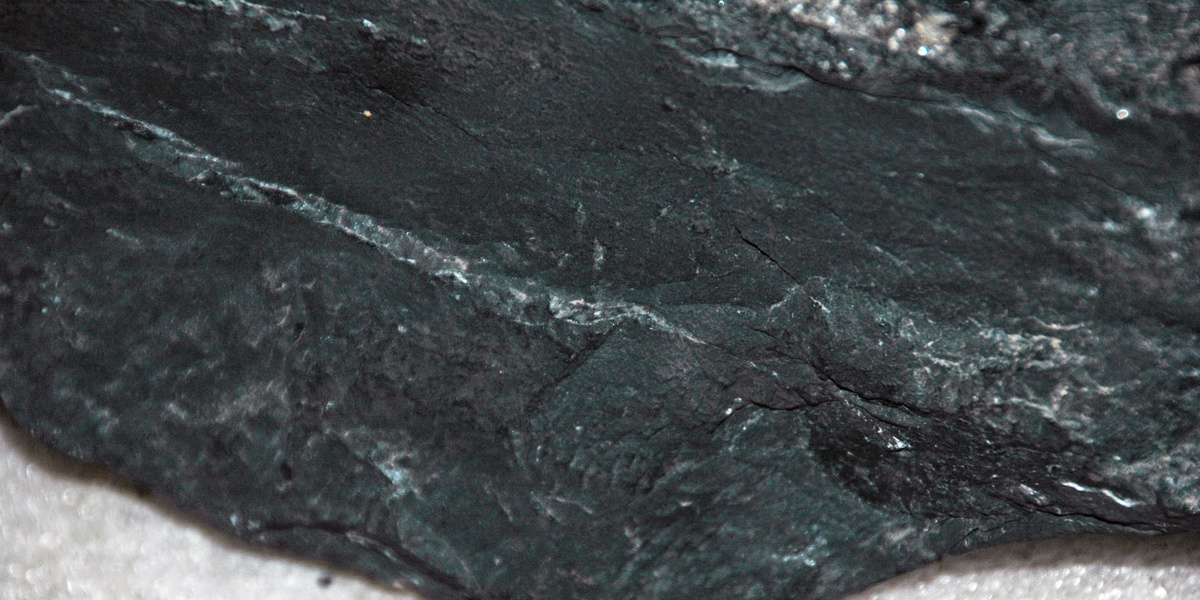
Ferromanganese crusts
Cobalt-rich ferromanganese crusts coat seamounts and contain cobalt, nickel, platinum-group elements and rare earths. Geological studies indicate crusts on some seamounts inside Kiribati’s EEZ; these are a potential resource but remain unexploited and environmentally sensitive.
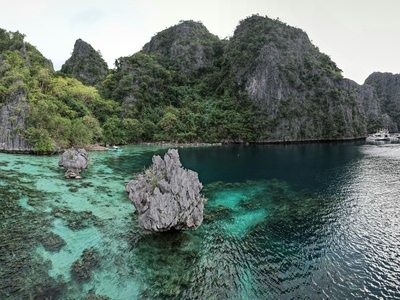
Limestone (reef/coral)
Reef-derived limestone and coral rock are widespread on Kiribati’s islands and used locally for construction, road fill, and aggregates. These carbonate materials are actively quarried for local infrastructure but are not significant export commodities.