On April 1, 1960, the TIROS-1 satellite sent back the first television images of Earth’s weather, transforming how forecasters and scientists observed storms from space and kick-starting the era of operational satellite meteorology.
But the ways we use those images and the questions we ask with them differ: this article explains the differences between meteorology and atmospheric science, why that distinction matters for safety (forecasts and warnings), policy (air quality and climate decisions), and careers (operational forecasters versus research scientists), and then walks through seven concrete differences with dates, numbers, organizations, and real-world examples.
Scope and Time Scales
Meteorology and atmospheric science share subject matter—the air above us—but they typically ask different questions and operate on different time horizons. Meteorology concentrates on diagnosing and predicting weather events that affect people and infrastructure over minutes to days: nowcasts, 1–3 day forecasts, and the familiar 7–10 day outlooks used by broadcasters and emergency managers. Atmospheric science includes those weather-focused studies but extends to processes that unfold over seasons, decades, or geological epochs, and into subfields such as atmospheric chemistry, boundary-layer physics, and planetary atmospheres.
The history of operational observation helps show the contrast: TIROS-1 (April 1, 1960) jump-started routine satellite monitoring that feeds operational weather centers, while multi-decade programs and assessments—such as the Intergovernmental Panel on Climate Change (IPCC) assessments produced roughly every 6–7 years—track long-term trends. That difference in horizon drives who uses the information: commuters and airline dispatchers rely on 0–10 day model output, whereas city planners and policy makers act on multi-decade climate projections and long-term air-quality records.
1. Primary focus: operational weather forecasting vs. broad atmospheric research
At its core, meteorology is about predicting and communicating short-term weather: forecasters at the National Weather Service (NWS) generate watches, warnings, and public forecasts on tight timetables to protect life and property. Atmospheric science is broader, encompassing the physical and chemical processes of the atmosphere, long-term monitoring, and comparative studies of other planets’ atmospheres performed in university departments and research centers.
In practice that means the NWS and private operational firms prioritize rapid, reliable products—hurricane track forecasts and aviation briefings—while university groups and agencies like NASA publish process-level studies such as long-term ozone-trend analyses or the chemistry behind particulate formation. A concrete example: NWS operational forecasts for an approaching hurricane differ in purpose and cadence from a university team’s multi-year study of stratospheric ozone trends.
2. Time scales: minutes–days for weather versus seasons–decades and beyond for atmospheric science
Meteorological products are organized around forecast windows: nowcasts (minutes to a few hours), short-range forecasts (1–3 days), and medium-range products (7–10 days) that are updated frequently. Operational numerical weather prediction (NWP) systems support those windows with frequent assimilation cycles and model runs.
Atmospheric science commonly addresses longer horizons: seasonal predictions, decadal climate projections, paleoclimate reconstructions, and comparative planetary studies. Long-term monitoring—like atmospheric CO2 observations (around ~420 ppm in 2023)—and periodic syntheses such as IPCC reports drive policy and research priorities on timescales far beyond routine forecasting.
Methods, Tools, and Data
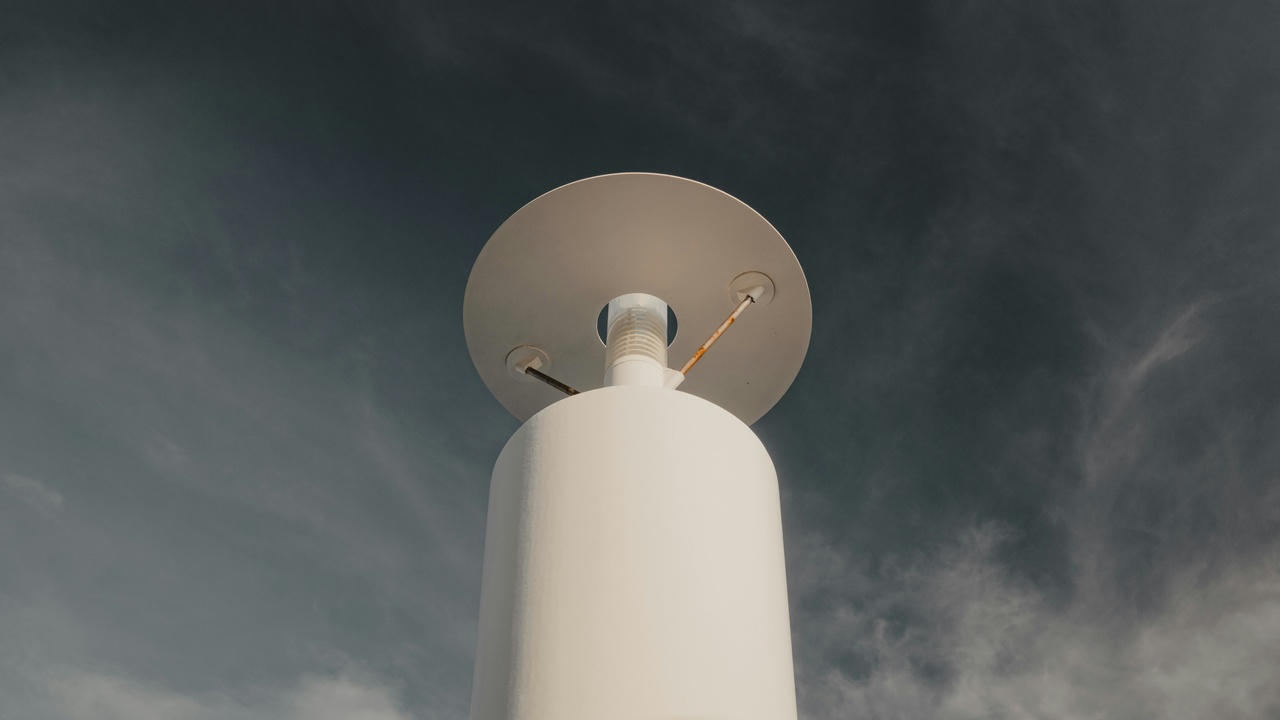
Many of the same instruments support both meteorology and atmospheric science, but how they are used differs. Operational networks emphasize continuous coverage, low latency, and standardized formats so forecasts can be produced in real time. Research programs supplement those networks with targeted campaigns, laboratory experiments, and specialized sensors to probe mechanisms and test hypotheses.
That operational versus research split shapes data cadence, quality control, and permissible latency—factors that determine which datasets feed a forecast model versus a process-study paper.
3. Instruments and observations: operational networks vs. targeted research campaigns
Operational observation systems include the NEXRAD radar network (about 160 sites across the contiguous U.S.), geostationary satellites (GOES series), polar-orbiting satellites, and twice-daily global radiosonde launches (typically at 00Z and 12Z) that feed real-time models. These systems prioritize reliability and rapid delivery.
Research efforts add high-resolution lidar, instrumented aircraft sorties, tracer-release experiments, and laboratory studies to measure processes that networks cannot resolve. NASA and university consortia routinely mount field campaigns (airborne and ground-based) to collect the high-quality, high-detail data needed for process understanding and model development.
4. Modeling and analysis: short-range NWP vs. process and climate modeling
Operational models such as the European Centre for Medium-Range Weather Forecasts (ECMWF) and the U.S. Global Forecast System (GFS) run on strict schedules—many operational centers rerun major suites every 6–12 hours—and focus on data assimilation, timeliness, and ensemble forecasting for the next 0–10 days. Resolution in operational models varies by purpose, from convection-permitting ~1 km runs for severe storms up to >100 km in global long-range suites.
Atmospheric scientists use a broader modeling toolbox: process models for boundary-layer or cloud microphysics research, chemistry-transport models to simulate pollutants, and global climate models (GCMs) used in CMIP multi-model ensembles for decadal to centennial projections. Research runs emphasize sensitivity experiments, longer integrations, and diagnostics rather than strict operational cadence.
Applications, Careers, and Interdisciplinary Connections
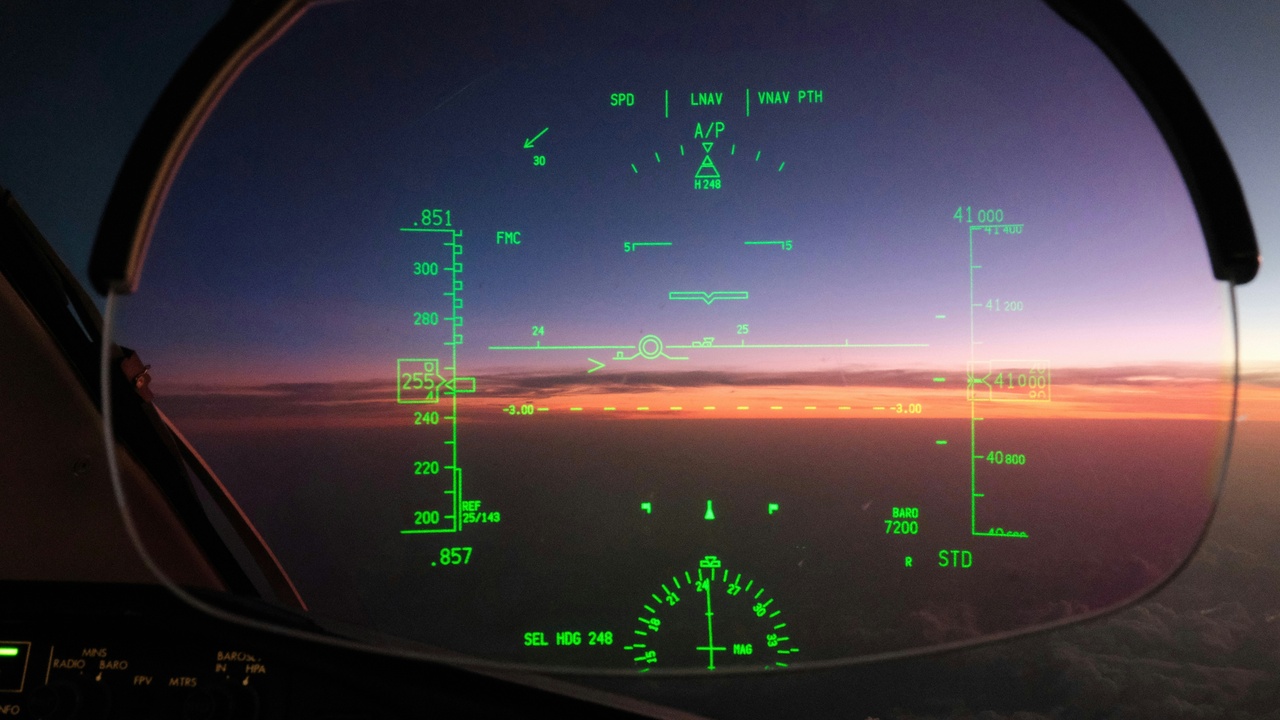
The differences above show up clearly in jobs, stakeholders, and cross-disciplinary work. Meteorology supplies time-sensitive services for aviation, emergency management, utilities, and media, while atmospheric science provides the evidence base for air-quality standards, climate mitigation and adaptation policy, and space missions studying other planets.
Training, employers, and daily routines reflect these roles: operational positions demand quick decision making and clear communication; research careers require hypothesis-driven investigation, grant writing, and often graduate-level education.
5. Career pathways: operational forecasters vs. research scientists and engineers
Common meteorology careers include NWS forecasters, broadcast meteorologists, private-sector forecasting analysts, and aviation weather specialists working for airlines or airports. These roles often emphasize applied training, certifications, and on-shift operational experience.
Atmospheric science careers include academic researchers, atmospheric chemists, climate modelers, remote-sensing scientists, and planetary atmosphere researchers employed by universities, NASA centers, EPA, and research institutes. Research positions commonly require a master’s or Ph.D. and focus on long-term projects, publications, and collaborations.
6. Societal impact: warnings, aviation, and agriculture versus air quality, climate policy, and planetary exploration
Meteorological products deliver immediate societal benefit: hurricane watches and warnings, convective outlooks, and aviation advisories enable operational decisions that reduce harm. For example, improvements in forecasting and communication since Hurricane Katrina (2005) have contributed to more effective evacuations and emergency response planning in subsequent storms.
Atmospheric science drives longer-term protections and planning: air-quality regulations rest on atmospheric chemistry studies, and IPCC assessments inform national climate strategies. Planetary atmosphere research—such as MAVEN at Mars—advances scientific knowledge that supports mission design and comparative planetology.
7. Interdisciplinary breadth: hydrology and agriculture links vs. chemistry, physics, and planetary science
Meteorology frequently partners with hydrology, agriculture, and emergency management to deliver applied products—seasonal precipitation outlooks guide crop scheduling and reservoir operations. Atmospheric science spans broader disciplines: atmospheric chemistry (highlighted by the 1995 Nobel Prize for ozone chemistry), radiation physics, and engineering, plus planetary studies of Mars and Titan using missions like Viking, Curiosity (and its instruments), and MAVEN.
Those interdisciplinary ties produce different outputs: actionable, short-term guidance for operational sectors on one hand, and fundamental discoveries and policy-relevant assessments on the other.
Summary
- Scope & time scales: meteorology targets minutes-to-days forecasts; atmospheric science spans seasons to geological timeframes.
- Tools & data: operational networks (NEXRAD ~160 sites, twice-daily radiosondes) prioritize low latency; research campaigns provide high-resolution, specialized measurements.
- Applications & careers: meteorology supports immediate decisions (NWS forecasters, aviation meteorologists); atmospheric science supports long-term policy and discovery (climate modelers, atmospheric chemists at universities and NASA).
- Interdisciplinary reach: the differences between meteorology and atmospheric science show up in partnerships—hydrology and agriculture for forecasting, and chemistry, physics, and planetary science for research—guiding how information is produced and used.