Angola sits on Africa’s southwest coast with a mix of Atlantic coastline, inland highlands and rich mineral zones that shape local economies and communities. The country’s transport links and export history have developed around a handful of key commodities that support jobs and public revenue.
There are 8 Natural Resources of Angola, ranging from Crude oil to Timber. For each resource, you’ll find below a compact table organized by Category, Main provinces, Size / production (unit) so you can quickly see where each resource is concentrated and its production scale — you’ll find below.
Which resource has the biggest impact on Angola’s economy today?
Crude oil drives the bulk of export revenue and government income, with production concentrated in offshore fields and the Cabinda enclave; diamonds, gas and timber also contribute regionally, while agricultural and mineral resources support local livelihoods and diversification efforts.
How should I read the Category, Main provinces, Size / production (unit) columns to compare resources?
Use Category to group similar resources (energy, metals, forestry), Main provinces to see geographic distribution, and Size / production (unit) to compare scale — together these columns show where resources are produced, how large those outputs are, and which provinces are most important for each resource.
Natural Resources of Angola
| Resource | Category | Main provinces | Size / production (unit) |
|---|---|---|---|
| Crude oil | Oil | Cabinda,Zaire,Luanda,Kwanza Sul,Benguela | 8,000,000,000 barrels (reserves); ~400,000,000 barrels/year production |
| Natural gas | Natural gas | Offshore Kwanza,Cabinda,Lower Congo basins | 10,000,000,000,000 cubic feet (~280 bcm reserves); ~2,000,000,000 m3/year production |
| Diamonds | Diamond | Lunda Norte,Lunda Sul,Moxico,Malanje | ~8,000,000 carats/year (production) |
| Iron ore | Metal | Huíla (Cassinga),Benguela,Bié | ~1,500,000,000 tonnes (estimated reserves at Cassinga) |
| Timber | Timber | Cabinda,Uíge,Zaire,Moxico,Cuando Cubango | ~1,500,000 cubic metres/year (roundwood production) |
| Marine fisheries | Fish | Benguela coast (Benguela,Namibe,Cabinda,Luanda) | ~500,000 tonnes/year (capture fisheries) |
| Renewable freshwater resources | Water | Cuanza,Cuango,Cunene,Cuito basins (national) | ~226 km3/year (renewable internal freshwater resources) |
| Limestone (cement raw material) | Mineral | Cuanza Norte,Malanje,Luanda,Uíge | ~3,000,000 tonnes/year (limestone and cement raw material production) |
Images and Descriptions

Crude oil
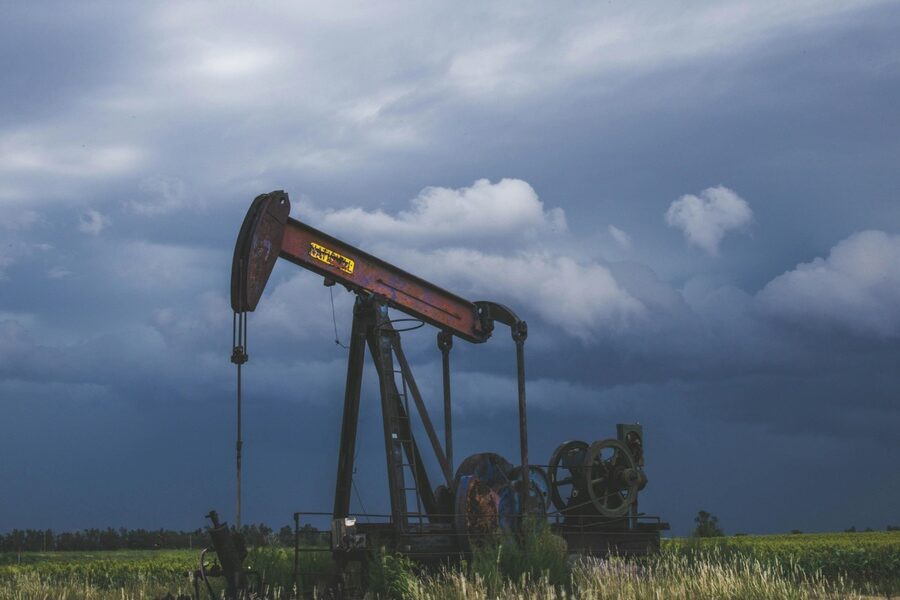
Angola is Africa’s second‑largest oil producer with large offshore fields in Cabinda and the Kwanza Basin. Oil drives most export earnings and government revenue, produced by majors (e.g., Sonangol, Chevron, Total) from deepwater and shallow offshore blocks.
Natural gas
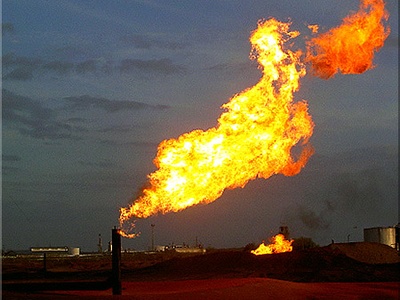
Mostly associated gas from offshore oil fields, with growing projects (Angola LNG, stranded-gas initiatives). Gas reserves are sizable but much has been flared historically; development focuses on LNG, domestic power and petrochemicals.

Diamonds
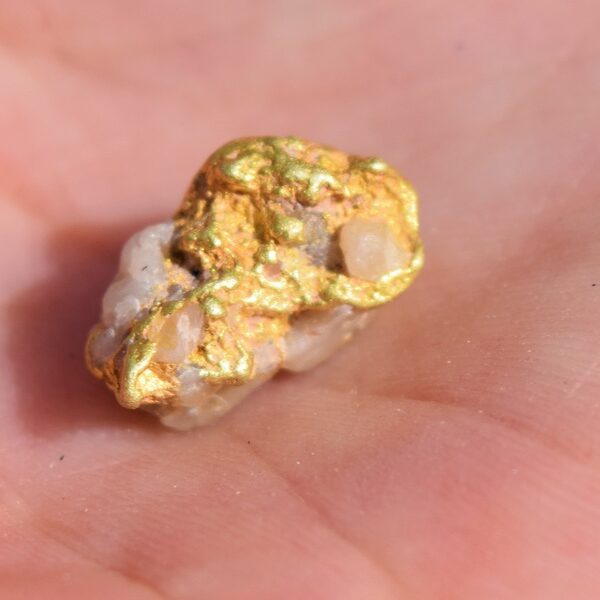
Angola is a top global diamond producer by value and carats, with kimberlite pipes and alluvial deposits in the Lundas. Production is a mix of large concessionaires and artisanal miners; diamonds are vital for export diversification.
Iron ore
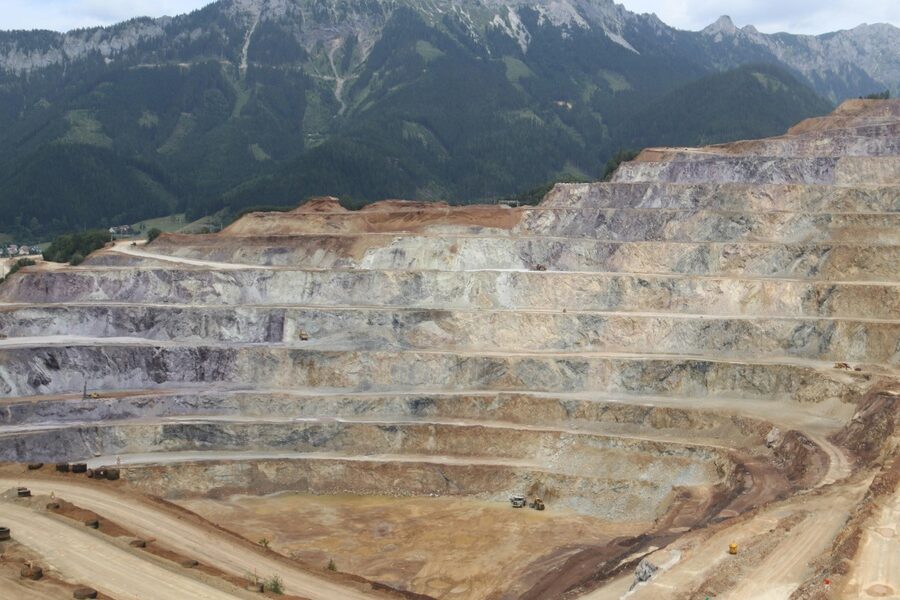
Cassinga in Huíla hosts one of Angola’s largest iron deposits, historically mined and still of strategic interest. Iron ore reserves could support large mining projects and steelmaking supply if developed with transport infrastructure.
Timber
Angola’s northern and eastern provinces have extensive tropical and miombo woodlands. Timber supplies sawnwood and fuelwood; sustainable management and legal reforms are key to balancing industry growth and forest conservation.

Marine fisheries
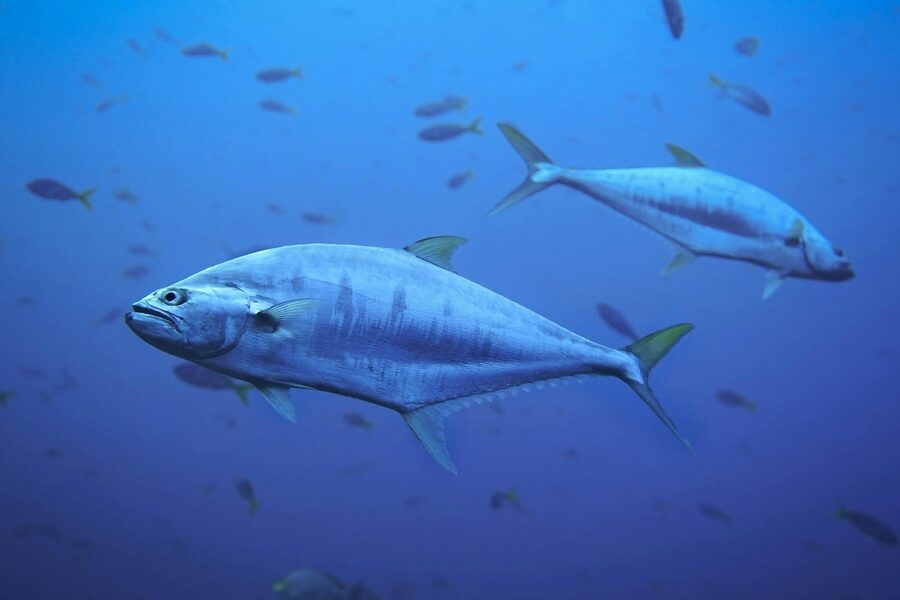
The productive Benguela Current supports important industrial and artisanal fisheries (sardine, horse mackerel, demersals). Fisheries provide local food security and jobs, though stocks face pressure from overfishing and governance gaps.
Renewable freshwater resources
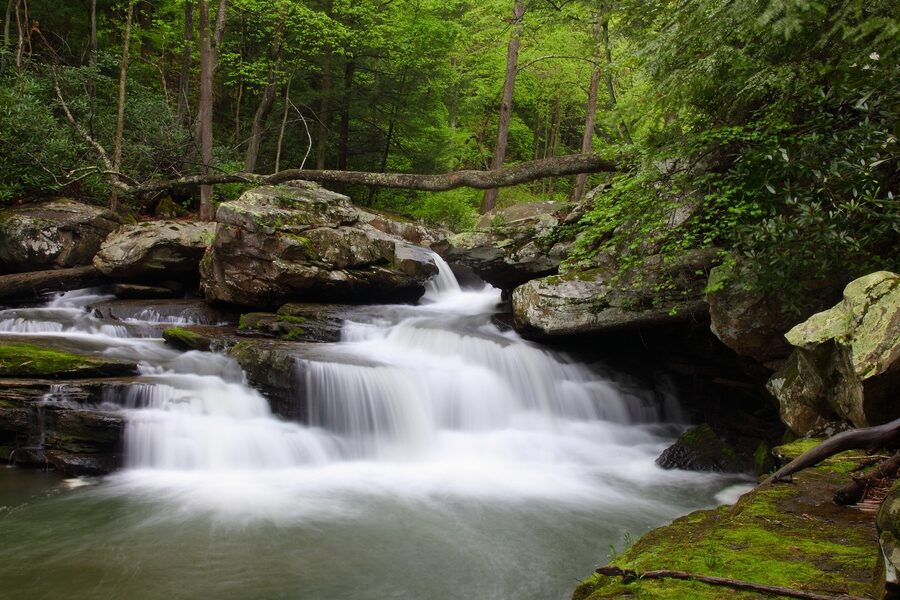
Angola has abundant river systems and significant freshwater runoff supporting agriculture, urban supply and hydropower potential. Major basins include the Cuanza and Cunene; infrastructure and management determine practical water availability.
Limestone (cement raw material)
Widespread limestone deposits feed a growing domestic cement industry supplying construction booms. Reserves are large and dispersed; limestone mining supports infrastructure development but requires environmental and transport planning.