Forests influence weather, water cycles and local cultures across the globe, from mountain slopes and river valleys to coastal plains. Spotting the differences between forest types makes it easier to plan fieldwork, conservation actions, or even a nature trip.
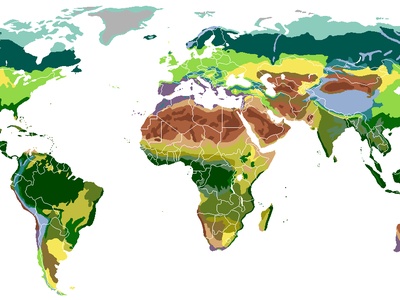
There are 13 Forest Biomes, ranging from Boreal forest (Taiga) to Tropical seasonal/dry forest. For each, you’ll find below Climate (temp °C; rain mm),Typical locations,Typical flora/fauna so you can quickly compare temperature and rainfall ranges, common regions, and characteristic species—you’ll find below.
How do climate and rainfall define different forest biomes?
Temperature ranges and annual precipitation largely set the boundaries: colder, drier conditions favor boreal forests with conifers, while warm, wet climates support tropical rainforests with high tree diversity. Seasonal patterns (dry vs. wet seasons) and elevation also shift vegetation types within similar temperature zones.
Can one area include more than one forest biome?
Yes—ecotones and elevation gradients can produce sharp transitions, so a mountainside might host temperate forests at lower slopes and montane or boreal types higher up; human land use can also fragment or mix biome characteristics.
Forest Biomes
| Name | Climate (temp °C; rain mm) | Typical locations | Typical flora/fauna |
|---|---|---|---|
| Tropical rainforest | 20–30°C; 2,000–4,000 mm | South America, Africa, Southeast Asia; Brazil, D.R. Congo | Tall evergreen trees and epiphytes; huge plant and animal diversity including primates and big cats |
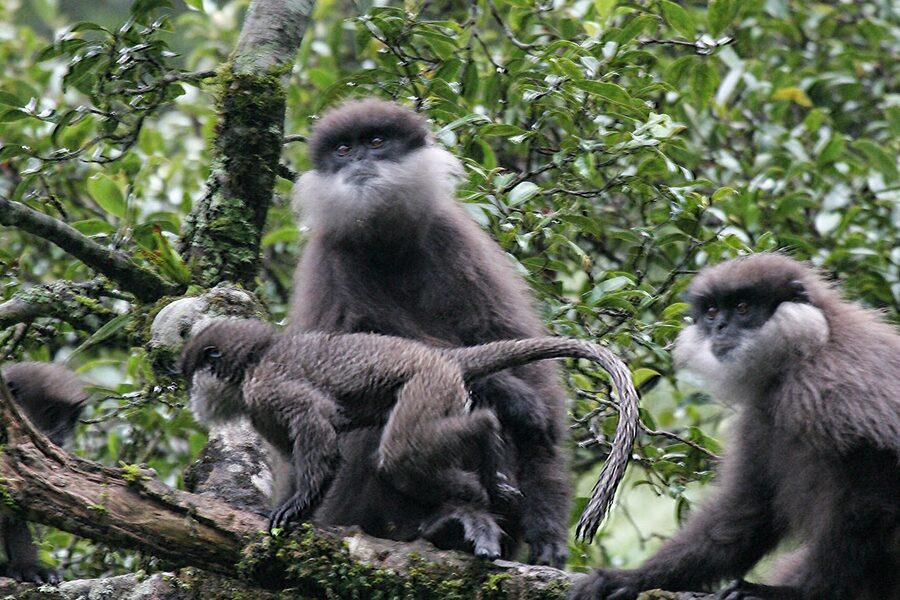
| Tropical seasonal/dry forest | 20–30°C; 700–2,000 mm | Central America, India, Madagascar; Mexico, India | Deciduous trees and shrubs; monkeys, deer, seasonal birds, reptiles, insects |
| Mangrove forest | 20–30°C; 1,000–3,000 mm | Tropical and subtropical coasts worldwide; Bangladesh, Indonesia | Salt-tolerant trees and shrubs, prop roots; fish, crabs, birds, reptiles |
| Temperate deciduous forest | 5–15°C; 600–1,500 mm | Eastern North America, Europe, East Asia; USA, Germany, China | Broadleaf deciduous trees, understory shrubs and herbs; deer, small mammals, birds |
| Temperate rainforest | 5–15°C; 1,500–5,000 mm | Pacific Northwest, southern Chile, New Zealand; USA (Pacific NW), Chile | Towering conifers, ferns, mosses, lichens; bears, salmon, owls, diverse invertebrates |
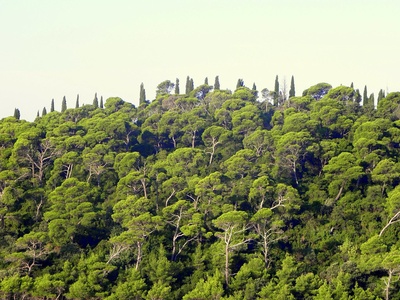
| Mediterranean forest | 10–20°C; 250–900 mm | Mediterranean Basin, California, Chile, South Africa, Australia; Spain, California | Sclerophyll evergreen trees and shrubs; reptiles, birds, small mammals, pollinators |
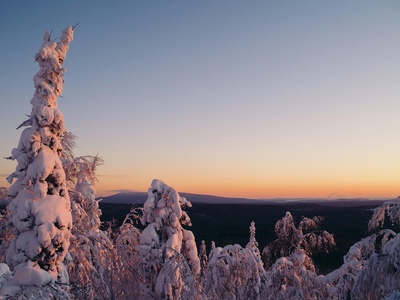
| Boreal forest (Taiga) | -5–5°C; 200–800 mm | Northern North America and Eurasia; Canada, Russia | Coniferous trees, mosses, lichens; moose, bears, wolves, migratory birds |
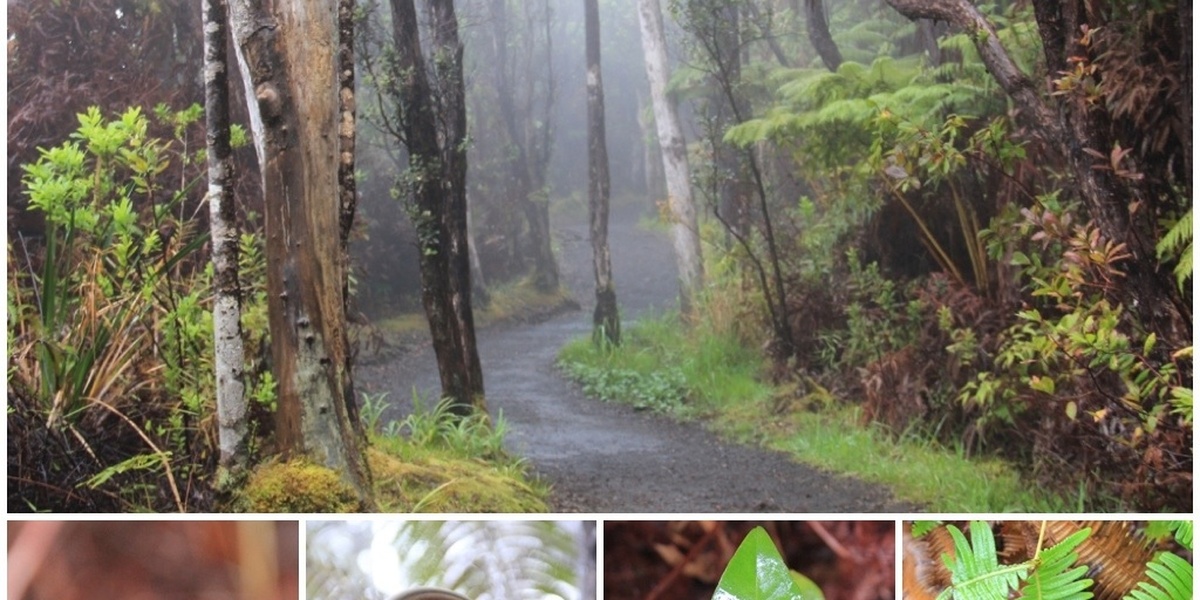
| Montane cloud forest | 8–18°C; 1,000–3,000 mm | Tropical mountain ranges worldwide; Andes, Costa Rica, Philippines | Mossy stunted trees, epiphytes, orchids; frogs, mountain birds, small mammals |
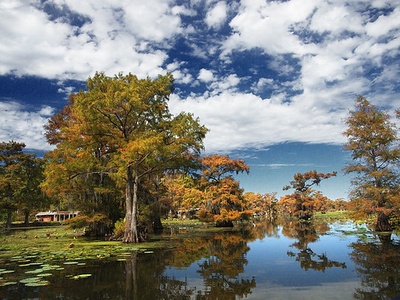
| Flooded/swamp forest | 24–28°C; 1,500–3,000 mm | Amazon Basin, Congo Basin, Southeast Asia; Brazil, Indonesia | Flood-tolerant trees and palms; fish, crocodilians, aquatic birds, monkeys |
| Temperate coniferous forest | -5–15°C; 400–1,500 mm | Interior western North America, northern Eurasia; USA (Rockies), Sweden | Conifers (pine, fir, spruce), shrubs; deer, elk, bears, small mammals, birds |
| Subtropical moist forest | 15–25°C; 1,000–2,500 mm | Warm temperate to subtropical regions worldwide; southeastern USA, southern China | Evergreen broadleaf trees, lianas, epiphytes; diverse birds, reptiles, mammals |
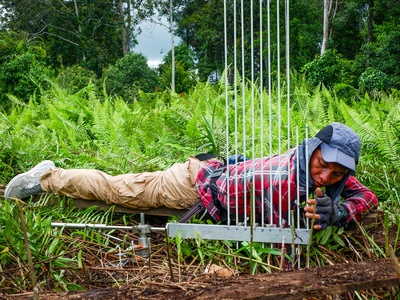
| Tropical peat swamp forest | 24–28°C; 2,000–3,500 mm | Southeast Asia and parts of Amazon; Indonesia, Malaysia | Peat-forming trees and palms, stunted forests; orangutans, specialized birds, insects |
| Temperate broadleaf and mixed forest | 5–18°C; 600–2,000 mm | Eastern Asia, Eastern North America, Europe; China, USA | Mixture of deciduous and evergreen trees, diverse understory; deer, boar, birds, small mammals |
Images and Descriptions
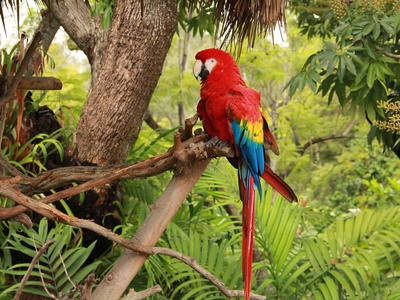
Tropical rainforest
Dense, multi-layered evergreen forests with extraordinary biodiversity and complex ecological interactions. They store carbon, regulate climate and host countless species, including many endemics. Major threats are logging, agriculture conversion and climate-driven droughts, making conservation urgent.

Tropical seasonal/dry forest
Seasonal forests dominated by deciduous trees that shed leaves during dry months and support rich wildlife adapted to drought. Found where rainfall is strongly seasonal. Threats include conversion to farmland, fire and fragmentation; many areas are biodiversity hotspots deserving protection.
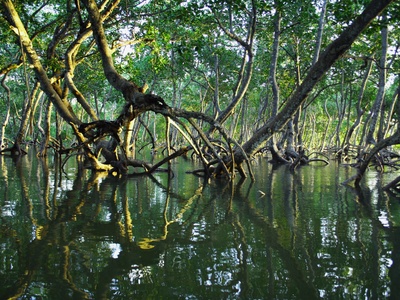
Mangrove forest
Coastal intertidal forests of salt-tolerant trees and shrubs that buffer storm surge, trap sediments and support nursery habitats for fish. They store large amounts of carbon in soils. Threatened by coastal development, aquaculture and rising sea levels.
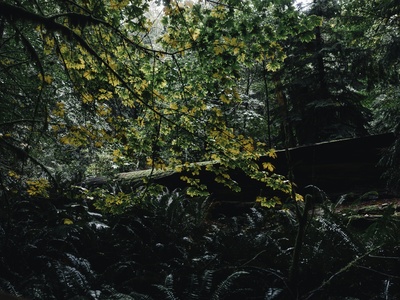
Temperate deciduous forest
Seasonally changing forests characterized by broadleaf trees that drop leaves in winter and diverse understories. They provide habitat for mammals and birds and are important for recreation and timber. Threats include land conversion, invasive species and climate shifts.
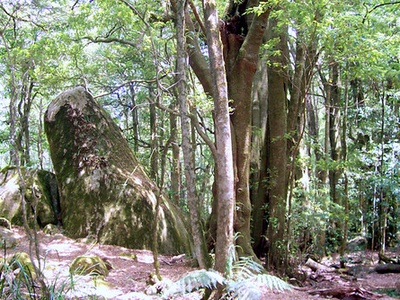
Temperate rainforest
Cool, wet coastal forests with towering conifers, abundant mosses and lichens that create lush, shaded environments. These forests store large carbon stocks and support unique species. Logging, road building and climate change are primary conservation concerns.
Mediterranean forest
Wooded systems adapted to hot, dry summers and mild, wet winters with drought-tolerant evergreen trees and shrubs. They host high plant endemism and face intense fire regimes and land-use pressure from agriculture and urban expansion.
Boreal forest (Taiga)
Vast northern conifer-dominated forests with cold winters and short growing seasons. Soils are peat-rich and carbon-dense; wildlife includes large mammals and migratory birds. Climate warming and industrial logging increase fire frequency and permafrost thaw, altering ecosystem function.
Montane cloud forest
High-elevation tropical forests frequently enveloped in mist, supporting moss-covered trees, abundant epiphytes and many endemic species. They regulate water supplies and are sensitive to climate change and land clearing, making them conservation priorities.
Flooded/swamp forest
Forests adapted to seasonal or permanent inundation with specialized trees and palms. They support fisheries, birds and aquatic mammals and play roles in nutrient cycling. Draining for agriculture and logging are major threats to these productive wet forests.
Temperate coniferous forest
Dominated by cone-bearing trees adapted to cooler climates and variable moisture, these forests form extensive tracts for timber and wildlife habitat. They can be fire-adapted; management, logging and disease outbreaks are major conservation challenges.
Subtropical moist forest
Evergreen broadleaf forests in warm temperate to subtropical regions with high humidity and rich biodiversity. They form transition zones between tropical and temperate biomes and face threats from agriculture, urbanization and invasive species.
Tropical peat swamp forest
Waterlogged tropical forests over thick peat deposits that sequester vast carbon stores. Vegetation is specialized and includes stunted trees and palms; drainage and fires for plantation development release large greenhouse gas emissions.
Temperate broadleaf and mixed forest
Forests combining deciduous broadleaf and evergreen conifers, producing varied structure and seasonal dynamics. They support diverse wildlife, are economically important and are impacted by fragmentation, invasive species and changing climate patterns.