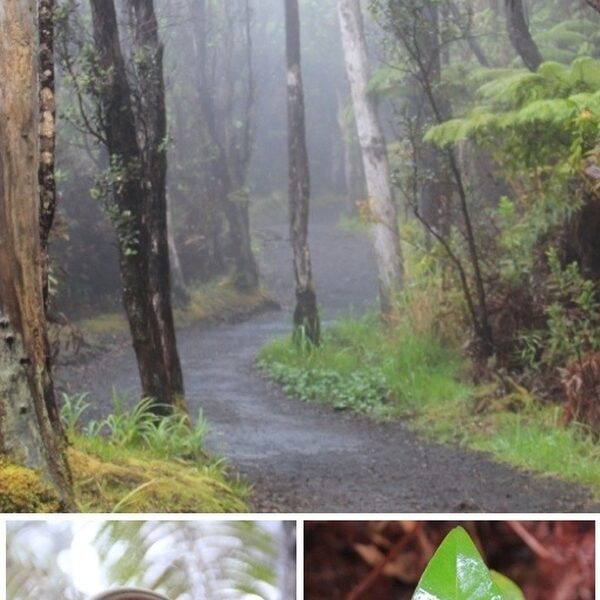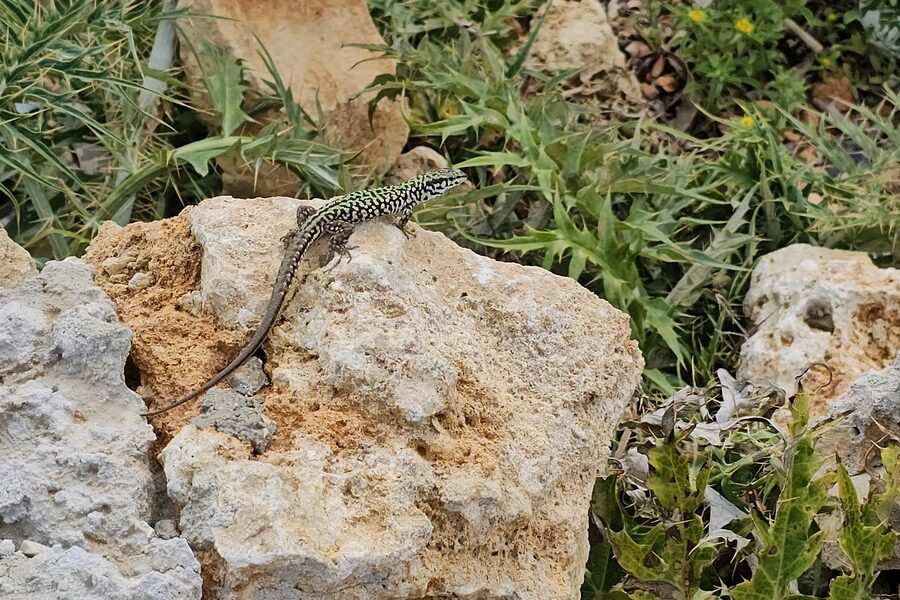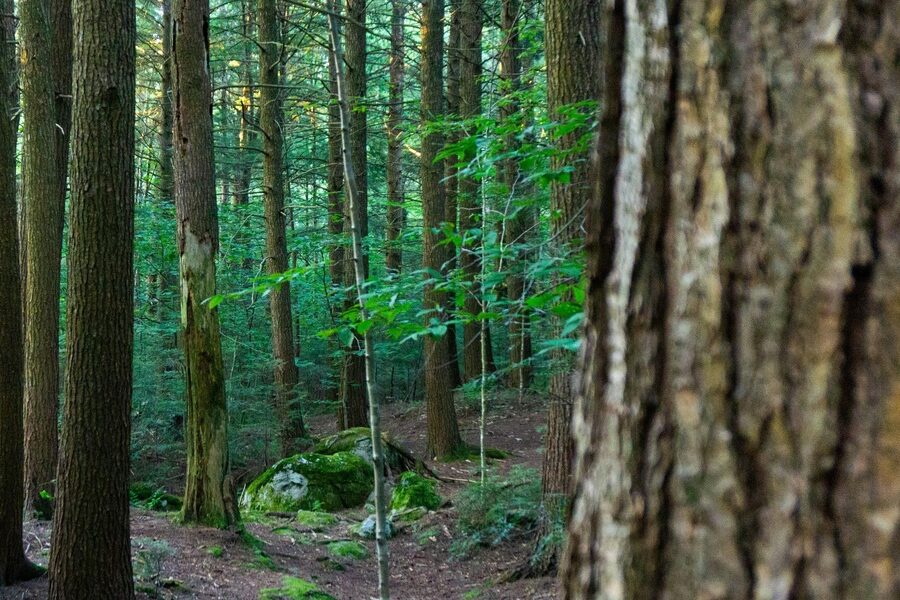
From the Mojave’s salt pools to Hawaii’s volcanic slopes, the United States contains pockets of life you won’t find anywhere else. Islands, sinkholes, deserts and mountain enclaves have isolated populations long enough for distinct species to evolve.
There are 27 Endemic Species of the United States, ranging from Devil’s Hole pupfish to ʻIʻiwi. Each entry lists Scientific name,Endemic range,Conservation status to make it easy to compare where they occur and their risk — you’ll find below.
What exactly counts as an endemic species in the United States?
An endemic species is one native to and restricted within a defined area; in the U.S. that can mean a single spring, island, mountain range or state. Isolation, geological history and habitat specificity drive endemism, and such species often need targeted local conservation because their entire global population is confined to small areas.
How can I learn more or help protect these species?
Start with state wildlife agencies, local conservation groups and recovery plans for specific species; many also welcome citizen-science sightings. Supporting habitat protection, responsible recreation, and donations or volunteer time with organizations working on the ground are practical ways to help.
Endemic Species of the United States
| Common name | Scientific name | Endemic range | Conservation status |
|---|---|---|---|
| Nene | Branta sandvicensis | Hawaiian Islands | Vulnerable (IUCN) |
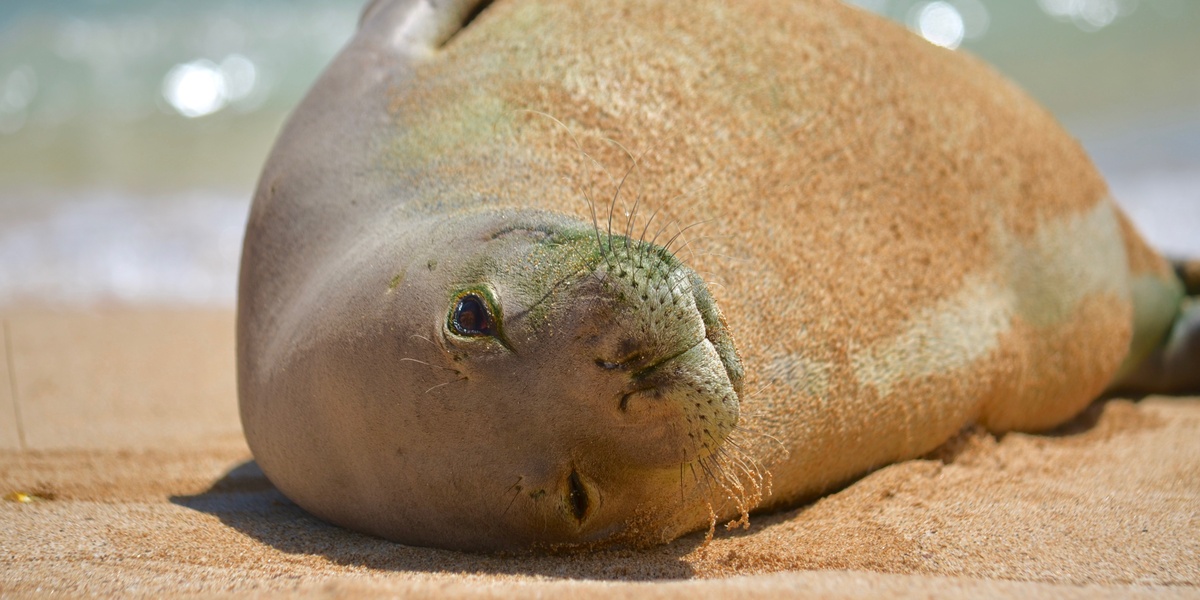
| Hawaiian monk seal | Neomonachus schauinslandi | Northwestern and Main Hawaiian Islands | Endangered (IUCN) |
| Hawaiian hoary bat | Lasiurus semotus | Hawaiian Islands | Endangered (USFWS) |
| Laysan duck | Anas laysanensis | Laysan and nearby Northwestern Hawaiian Islands | Critically Endangered (IUCN) |
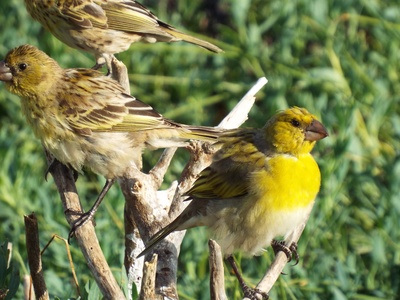
| Laysan finch | Telespiza cantans | Laysan and Northwestern Hawaiian Islands | Vulnerable (IUCN) |
| Maui parrotbill (Kia’i) | Pseudonestor xanthophrys | Maui (Hawaiian Islands) | Critically Endangered (IUCN) |
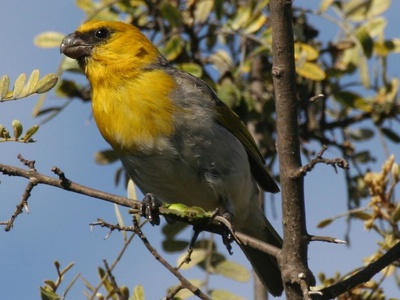
| Palila | Loxioides bailleui | Island of Hawaiʻi (Mauna Kea area) | Critically Endangered (IUCN) |
| ʻAkikiki | Oreomystis bairdi | Kauaʻi (Alakaʻi Plateau) | Critically Endangered (IUCN) |
| Hawaiian crow (ʻAlalā) | Corvus hawaiiensis | Island of Hawaiʻi (captive populations; formerly wild) | Extinct in the Wild (IUCN) |
| ʻIʻiwi | Drepanis coccinea | Hawaiian Islands | Vulnerable (IUCN) |
| Kauaʻi ʻōʻō | Moho braccatus | Kauaʻi (formerly) | Extinct (IUCN) |
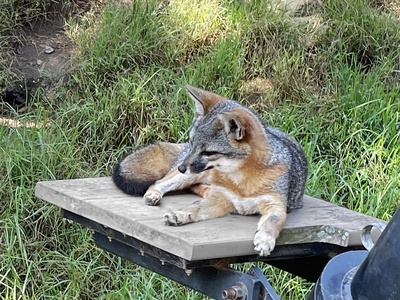
| Island fox | Urocyon littoralis | Channel Islands, California | Near Threatened (IUCN) |
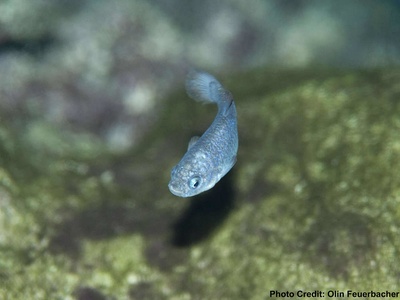
| Devil’s Hole pupfish | Cyprinodon diabolis | Devil’s Hole (Nevada) | Critically Endangered (IUCN) |
| Key deer | Odocoileus virginianus clavium | Lower Florida Keys | Endangered (USFWS) |
| Florida panther | Puma concolor coryi | Southern Florida | Endangered (USFWS) |
| Lower Keys marsh rabbit | Sylvilagus palustris hefneri | Lower Florida Keys | Endangered (USFWS) |
| Florida bonneted bat | Eumops floridanus | South Florida | Endangered (USFWS) |
| Puerto Rican parrot | Amazona vittata | Puerto Rico | Critically Endangered (IUCN/USFWS) |
| Puerto Rican boa | Chilabothrus inornatus | Puerto Rico (main island and adjacent islets) | Near Threatened (IUCN) |
| Mona ground iguana | Cyclura stejnegeri | Isla de Mona (Puerto Rico) | Critically Endangered (IUCN) |
| Puerto Rican crested toad | Peltophryne lemur | Puerto Rico | Endangered (IUCN) |
| Guam rail | Gallirallus owstoni | Guam | Extinct in the Wild / Endangered (IUCN) |
| Rota bridled white-eye | Zosterops rotensis | Rota (Northern Mariana Islands) | Critically Endangered (IUCN) |
| Mariana crow | Corvus kubaryi | Rota and nearby Northern Mariana Islands | Critically Endangered (IUCN) |
| Palos Verdes blue butterfly | Glaucopsyche lygdamus palosverdesensis | Palos Verdes Peninsula, California | Endangered (USFWS) |
| Sierra Nevada bighorn sheep | Ovis canadensis sierrae | Sierra Nevada, California | Endangered (USFWS) |
| Mount Graham red squirrel | Tamiasciurus hudsonicus grahamensis | Mount Graham, Arizona | Endangered (USFWS) |
Images and Descriptions
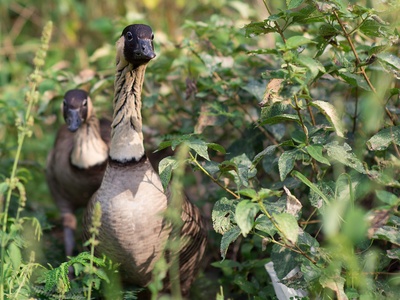
Nene
The Hawaiian goose is Hawaii’s state bird, found only on the Hawaiian Islands. Its unique evolution in island habitats and recovery from near-extinction make it an emblem of Hawaiian conservation and endemic island biodiversity.
Hawaiian monk seal
A rare marine seal native only to the Hawaiian archipelago, the Hawaiian monk seal is one of the world’s most endangered pinnipeds, threatened by habitat loss, entanglement and limited range on isolated Hawaiian shores and atolls.

Hawaiian hoary bat
A small insectivorous bat unique to Hawaii, the Hawaiian hoary bat is the only native land mammal of the islands. It faces threats from habitat loss and wind turbines and is important for nocturnal insect control and island ecosystem balance.
Laysan duck
This small dabbling duck survives only on a few tiny Hawaiian islands after catastrophic declines. The Laysan duck is notable for its restricted atoll habitat and intensive conservation translocations to prevent extinction.
Laysan finch
A seed- and insect-eating songbird confined to a few northwestern Hawaiian atolls, the Laysan finch evolved in isolation and is notable for resilience on degraded atoll habitat but remains vulnerable to introduced predators and storms.
Maui parrotbill (Kia’i)
A thick-billed honeycreeper found only on Maui, this striking parrotbill uses its powerful bill to pry insects from trees. Its tiny range and habitat loss make it one of Hawaii’s most endangered forest birds.
Palila
A seed-eating honeycreeper specialized on mamane forest on Hawaiʻi Island, the Palila is restricted to high-elevation dry forest and exemplifies how specialized feeding ecology and habitat loss create extreme endemism.
ʻAkikiki
A small, rare Kauaʻi forest bird found only in high-elevation Kauaʻi rainforest. The ʻakikiki’s tiny range and sensitivity to avian disease and habitat degradation make it a conservation priority in Hawaii.
Hawaiian crow (ʻAlalā)
Once native to Hawaii’s forests, the ʻalalā survives in captivity after extirpation in the wild. This intelligent corvid’s story highlights both cultural importance and the challenges of restoring highly threatened island species.
ʻIʻiwi
A bright red, curved-billed honeycreeper endemic to Hawaiian forests, the ʻiʻiwi feeds on nectar and pollinates native flowers. Disease and habitat loss have reduced its range, making it a recognizable symbol of Hawaiian biodiversity.
Kauaʻi ʻōʻō
The Kauaʻi ʻōʻō was a unique honeycreeper extinct since the late 20th century. Its loss, endemic to Kauaʻi, underscores how island species with tiny ranges can vanish from habitat destruction and introduced threats.
Island fox
A small fox native only to California’s Channel Islands, the island fox evolved into several island-specific forms. Conservation efforts have recovered many populations, making it a conservation success story among U.S. island endemics.
Devil’s Hole pupfish
Restricted to a single groundwater-fed limestone cavern, this tiny fish exists in one oasis in Nevada’s Mojave Desert. Its extreme micro-endemism and tiny population make it an iconic species for groundwater and cave conservation.
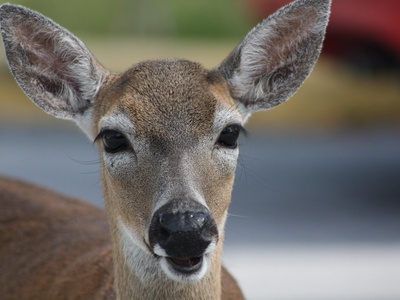
Key deer
A diminutive subspecies of white-tailed deer found only on the Lower Florida Keys, the Key deer is adapted to island life and vulnerable to habitat loss, vehicle collisions and limited range on the U.S.-only island chain.
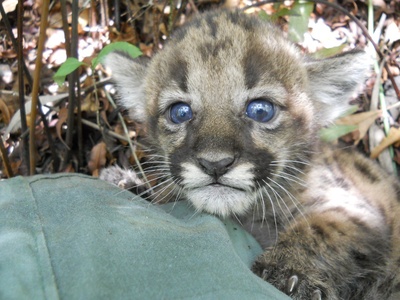
Florida panther
This critically important subspecies of puma persists only in southern Florida. As a top predator, it’s vital for ecosystem balance but faces habitat fragmentation and genetic bottlenecks in its restricted U.S. range.
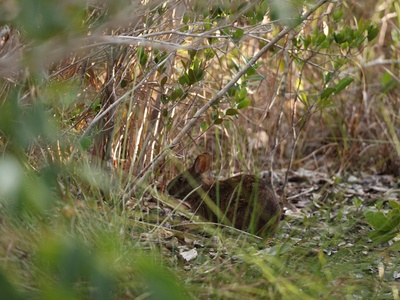
Lower Keys marsh rabbit
A wetland-dependent rabbit subspecies found only in the Lower Keys, it’s threatened by sea-level rise, development and habitat loss, representing how small coastal endemics face climate and human pressures.
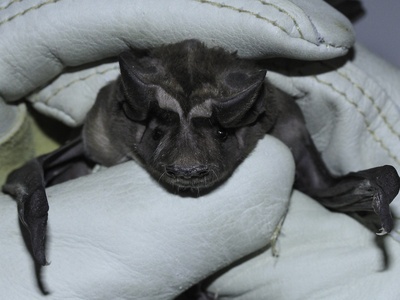
Florida bonneted bat
A large free-tailed bat known only from south Florida, this species is distinctive for its limited U.S. distribution, dependence on native roosting habitat, and conservation concern from roost loss and low population numbers.
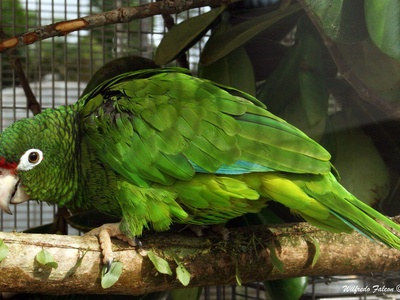
Puerto Rican parrot
A rare, highly endangered parrot species endemic to Puerto Rico, it is the only native parrot in the U.S. territory. Intensive captive-breeding and reintroduction efforts aim to recover wild populations after severe declines.
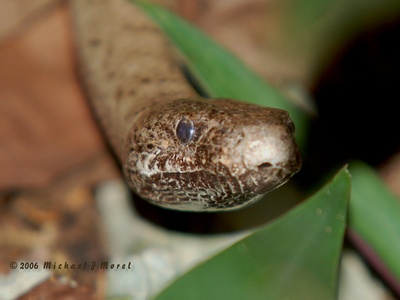
Puerto Rican boa
A large, nonvenomous constrictor native only to Puerto Rico, this boa is important to island ecosystems. Habitat loss and persecution have reduced numbers, but it remains a distinctive endemic snake of the territory.
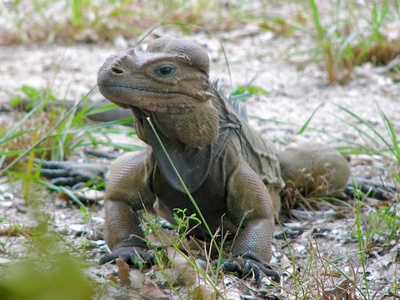
Mona ground iguana
A herbivorous iguana confined to Isla de Mona, its entire wild population is restricted to this Puerto Rican island. The species highlights island endemism, vulnerability to disturbance, and the need for strict protection of tiny ranges.
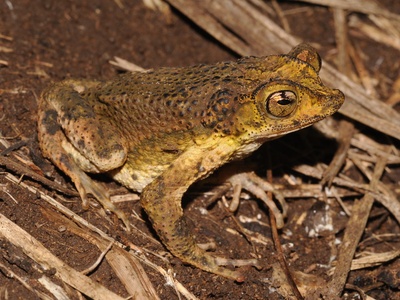
Puerto Rican crested toad
A small toad found only in Puerto Rico and nearby islets, it breeds in seasonal pools and has faced severe declines. Conservation breeding and habitat protection are central to conserving this territory-only amphibian.
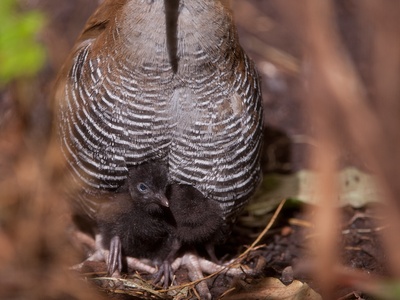
Guam rail
A flightless rail once common on Guam, it was extirpated from the wild by invasive predators but survives in captive and reintroduced populations on predator-free islets. The rail is emblematic of Guam’s unique, threatened fauna.
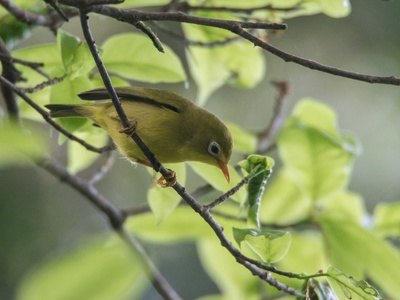
Rota bridled white-eye
A tiny, island-restricted songbird found only on Rota in the Northern Mariana Islands (U.S. territory). Its tiny range and vulnerability to habitat loss and invasive species make it a high-priority endemic species.
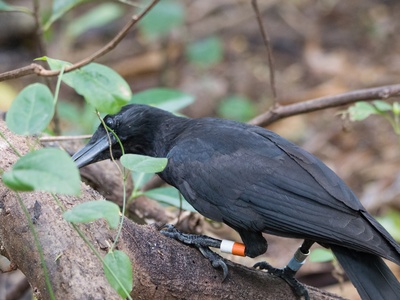
Mariana crow
A dark corvid endemic to parts of the Northern Mariana Islands, the Mariana crow faces severe decline from habitat loss and introduced predators; its limited U.S. territory range makes it a conservation flagship for island ecosystems.
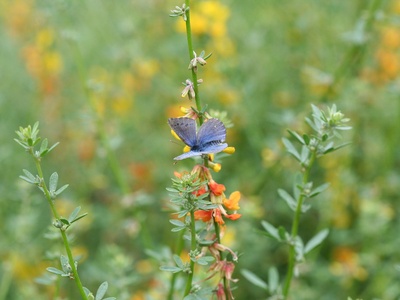
Palos Verdes blue butterfly
A tiny, strikingly colored butterfly found only on the Palos Verdes Peninsula. This subspecies’ survival depends on remnant coastal scrub habitat and targeted conservation of host plants and restoration areas.
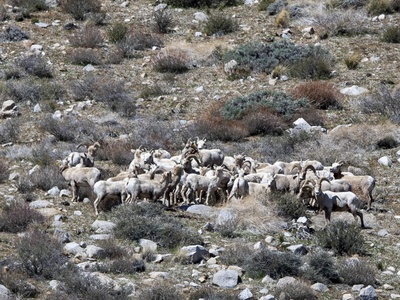
Sierra Nevada bighorn sheep
A distinct bighorn subspecies adapted to high-elevation Sierra Nevada peaks, it is found only in this U.S. mountain range. Intensive recovery work addresses disease, predation and habitat pressures to protect this iconic endemic ungulate.
Mount Graham red squirrel
A small tree squirrel subspecies found exclusively on Mount Graham in southeastern Arizona, it occupies the world’s southernmost spruce-fir forest pocket and is threatened by habitat loss, fire and limited range.