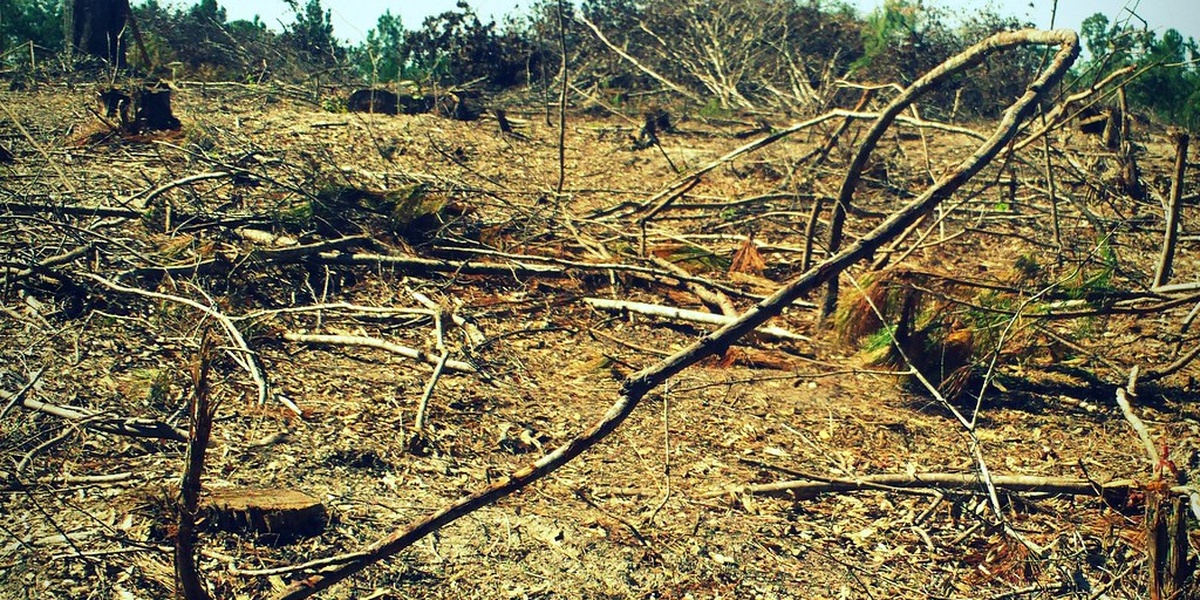
Global forest area has changed dramatically. FAO reports a net loss of roughly 4.7 million hectares of forest per year during 2010–2020 — but millions of hectares are also being planted or restored annually.
Deforestation is the purposeful or unintended removal of forest cover; afforestation is the deliberate establishment of trees where there wasn’t recent tree cover. Understanding the differences between deforestation and afforestation clarifies why one action often causes rapid harm while the other can take decades to deliver benefits.
The distinction matters for climate, biodiversity, and livelihoods: clearing forests releases stored carbon and fragments habitat, while planting trees can capture carbon and provide services only when done well. Below are eight specific differences, grouped into ecological, socioeconomic, and practical/measurement categories, with examples and evidence to guide choices.
Ecological differences
1. Immediate ecological effect: loss versus gain of native habitat
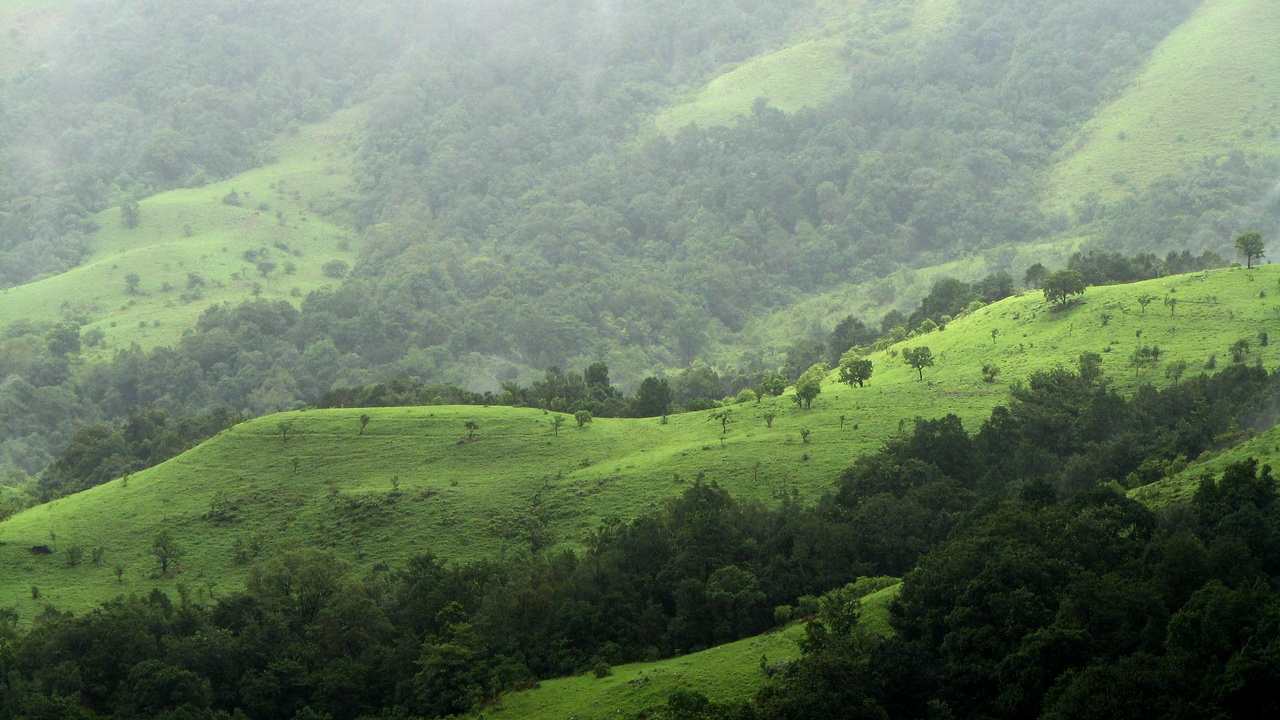
When intact forest is cleared, native habitat and ecological connectivity are lost almost immediately; many specialist species can’t survive fragmentation. Planting trees increases canopy cover but often creates simplified habitat (for example, monoculture eucalyptus or pine plantations) that supports fewer native species than original forest.
Amazonian clearing for cattle and soy shows sharp local declines in endemic birds and mammals after conversion, while large-scale plantation conversions in other regions replace diverse forests with a few fast-growing species. Restoration focused on mixed native species (as in some Bonn Challenge commitments) has better outcomes for biodiversity than single-species plantings.
2. Carbon dynamics: immediate emissions versus long-term sequestration
Clearing trees releases biomass carbon rapidly and can expose soil carbon, causing a pulse of greenhouse gases; by contrast, afforestation draws down carbon gradually over years to decades. Tropical forests often store on the order of 100–200 tonnes of carbon per hectare aboveground (IPCC, FAO estimates), so conversion yields substantial near-term emissions.
Newly planted forests typically sequester carbon at rates of a few tonnes of carbon per hectare per year depending on species and climate. That time lag matters: avoiding deforestation delivers near-immediate climate benefits, while planting needs long-term commitments and accounting rules (see IPCC and FAO guidance) to be credible.
3. Water and soil impacts: altered runoff and erosion risks
Removing forest cover usually increases surface runoff, raises peak flows, and accelerates erosion and downstream sedimentation; one well-documented consequence is higher river turbidity and more frequent landslides after slope clearing. For example, hillside clearing in tropical watersheds commonly multiplies sediment loads several-fold.
Thoughtful tree planting—especially riparian buffers and deep-rooted native species—reduces erosion and stabilizes banks. But dense plantations of certain species can lower local water tables or change evapotranspiration, so species choice and density matter for hydrology and soil health.
Socioeconomic and policy differences
4. Drivers and incentives: economic demand versus policy or restoration goals
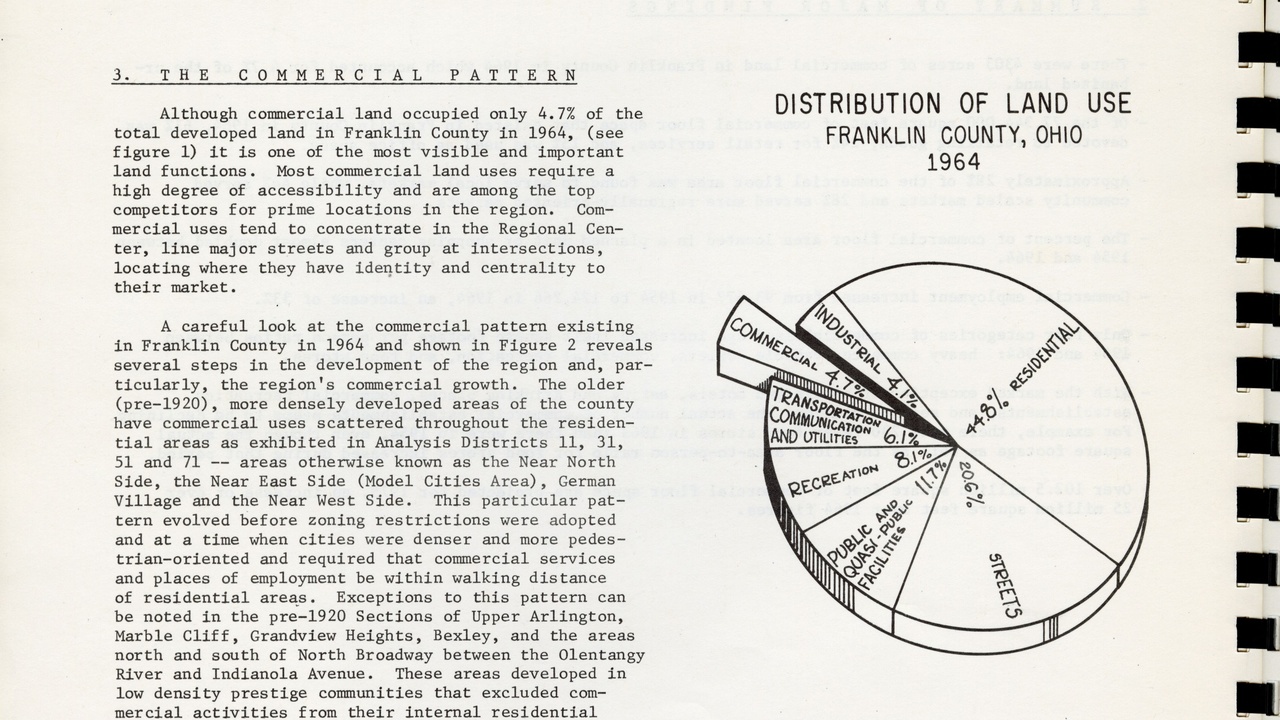
Most deforestation is driven by near-term economic incentives—agricultural expansion (soy, palm, cattle), logging, and mining. Commodity demand explains large shares of clearing in South America and Southeast Asia, where international markets push land conversion.
Afforestation is frequently motivated by policy targets, restoration pledges, or carbon finance (national tree-planting programs, the Bonn Challenge, and voluntary offset schemes). How incentives are designed determines who benefits and whether planting displaces other land uses or improves livelihoods.
5. Economic impacts: immediate revenue versus delayed returns
Clearing land can generate quick income from crop harvests or timber sales, which is why farmers and firms often choose conversion. By contrast, establishing trees typically requires upfront costs—seedlings, labor, fencing—and returns come later, sometimes many years after planting.
Planting costs often range from roughly $500–$2,000 per hectare depending on terrain and species, while a plantation or agroforest may not provide commercial returns for a decade or more. Restoration projects can create local jobs and ecosystem-service benefits that are harder to monetize, so finance and transitional support matter for communities.
6. Legal and governance differences: enforcement, tenure, and scale
Weak enforcement and unclear land tenure are major enablers of illegal or informal clearing. Where property rights are insecure, short-term extraction of value from forests is more likely, and regulation struggles to stop it.
Afforestation efforts are often implemented through project-level interventions, government programs, or international mechanisms like REDD+ and reforestation pledges. Secure tenure, community forestry arrangements, and transparent governance improve both the equity and durability of planting programs.
Practical, measurement, and long-term differences
7. Timescale and reversibility: immediate loss versus gradual recovery
Deforestation can cause rapid and sometimes effectively irreversible changes, especially in old-growth systems where the loss of soil structure, seed banks, and keystone species creates tipping points. Old-growth features—complex canopy layers, large trees, specialized species—may take decades to centuries to return.
Afforestation and restoration require long time horizons and sustained management to approach original ecosystem functions. Large-scale restoration initiatives often plan in multi-decade phases, and some functions (for example, late-successional biodiversity or large carbon stocks) emerge only slowly.
8. Measurement and verification: different indicators and technologies
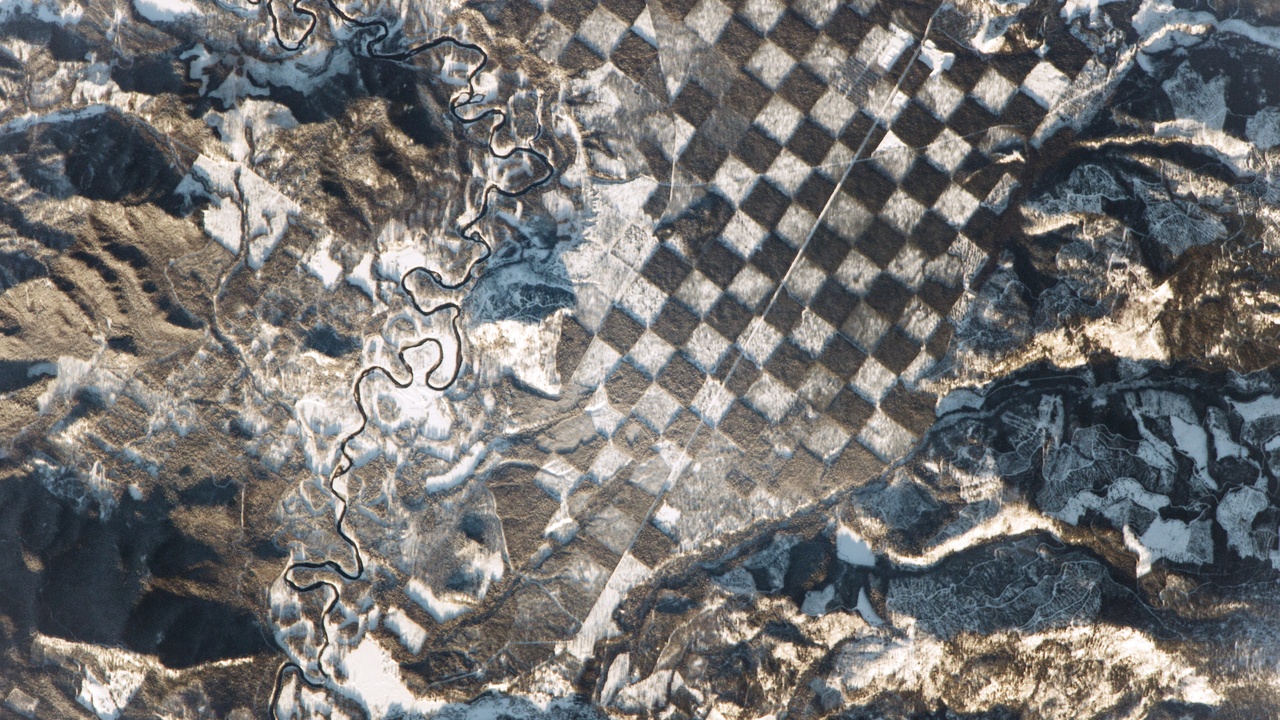
Loss of tree cover is detected quickly with satellite systems (Landsat and Sentinel time series, summarized by Global Forest Watch), enabling near-real-time alerts for clearing events. These remote tools report hectares of tree-cover loss with high frequency.
By contrast, proving afforestation success needs multiple metrics: hectares planted, survival rates (projects commonly target 70%+ survival after three years), species diversity, canopy closure, and carbon stock increases measured over time. LiDAR, repeat satellite imagery, and ground plots are often combined to verify that planted forests provide the intended ecological and climate benefits.
Summary
- Deforestation produces rapid habitat loss and carbon emissions; planting trees can increase cover but typically sequesters carbon slowly and may not restore native complexity without careful species selection and management.
- Economic drivers differ: market demand for commodities usually fuels clearing, while afforestation is most often driven by policy, restoration targets, or carbon finance—so incentive design shapes winners and losers.
- Governance and tenure matter: weak enforcement and unclear rights tend to accelerate illegal clearing, whereas secure tenure and community programs improve the odds of durable, equitable restoration (examples include REDD+ and Bonn Challenge commitments).
- Measurement is asymmetric: satellites (Landsat, Sentinel) detect loss quickly, but verifying afforestation needs survival and diversity metrics, field plots, and tools like LiDAR to confirm long-term carbon and biodiversity gains.
- Choose actions that prioritize ending harmful clearance and support high-quality, native-focused restoration with transparent monitoring and community engagement.