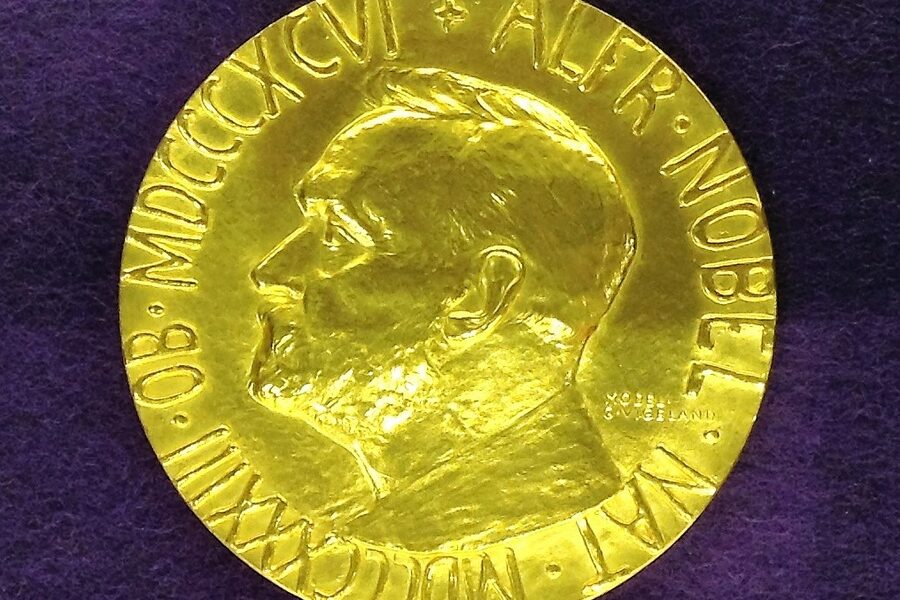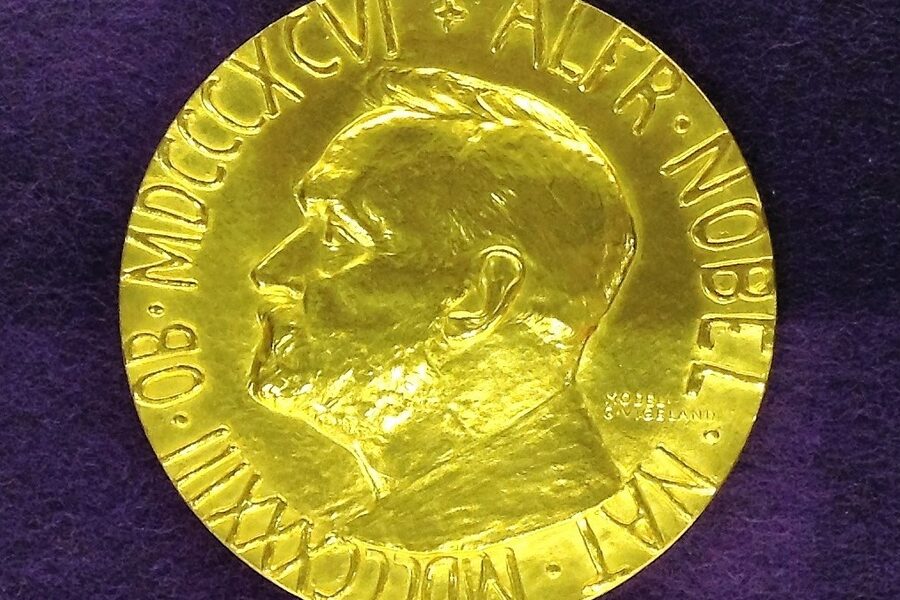
On the global stage of 1970, Nobel decisions reflected political tensions and scientific strides, highlighting voices and discoveries that shaped public life and knowledge.
There are 9 1970 Nobel Prize Winners, ranging from Aleksandr Solzhenitsyn to Ulf von Euler. For each laureate, the entries use the columns Category, Country, Citation (<=15 words), and Description (30-50 words); you'll find below.
1970 Nobel Prize Winners
| Laureate | Category | Country | Citation (<=15 words) | Description (30-50 words) |
|---|---|---|---|---|
| Hannes Alfvén | Physics | Sweden | for fundamental work in magnetohydrodynamics and plasma physics | Swedish physicist Hannes Alfvén pioneered magnetohydrodynamics, explaining plasma behavior in space and laboratory contexts. His theoretical and observational insights laid foundations for astrophysical plasma physics, influencing solar wind, cosmic rays, and controlled fusion research. |
| Louis Néel | Physics | France | for fundamental work on antiferromagnetism and ferrimagnetism | French physicist Louis Néel developed theories of antiferromagnetism and ferrimagnetism, explaining magnetic ordering in materials. His work enabled advances in magnetic materials, sensors and memory devices, and influenced solid-state physics and technology. |
| Luis F. Leloir | Chemistry | Argentina | for discovery of sugar nucleotides and role in carbohydrate biosynthesis | Argentine biochemist Luis F. Leloir discovered sugar nucleotides and clarified how cells synthesize carbohydrates. His findings revealed key metabolic pathways, improving understanding of glycogen and sugar metabolism, impacting biochemistry and medical research on metabolic diseases. |
| Bernard Katz | Physiology or Medicine | United Kingdom | for discoveries on neurotransmitter release and synaptic transmission mechanisms | British physiologist Bernard Katz elucidated how nerve cells store and release neurotransmitters at synapses, measuring quantal release. His experiments clarified chemical communication between neurons, forming a cornerstone of modern neurophysiology and pharmacology. |
| Ulf von Euler | Physiology or Medicine | Sweden | for discoveries concerning catecholamines and neuronal transmitters | Swedish physiologist Ulf von Euler identified key chemical transmitters, including noradrenaline, and explored their roles in nerve signal transmission and vascular regulation. His biochemical work clarified how sympathetic nervous system signals are carried and regulated. |
| Julius Axelrod | Physiology or Medicine | United States | for discoveries concerning mechanisms of neurotransmitter inactivation | American biochemist Julius Axelrod discovered biochemical pathways that inactivate neurotransmitters, such as reuptake and enzymatic breakdown. His work revealed how signaling is terminated in the nervous system, influencing psychiatry and drug development. |
| Aleksandr Solzhenitsyn | Literature | Soviet Union | for the ethical force with which he pursued indispensable Russian literary traditions | Russian novelist Aleksandr Solzhenitsyn exposed Soviet-era repression through powerful, moral storytelling, notably in The Gulag Archipelago and One Day in the Life of Ivan Denisovich. His literature combined historical testimony with ethical critique, sparking international debate on freedom and human rights. |
| Norman Borlaug | Peace | United States | for contributions to increasing world food supply through high‑yield crops | American agronomist Norman Borlaug led the “Green Revolution,” developing high-yield, disease-resistant wheat varieties and improved farming practices. His work dramatically increased crop yields worldwide, credited with preventing famine and reshaping global agriculture and food security. |
| Paul Samuelson | Economic Sciences | United States | for raising the level of scientific analysis in economic theory | American economist Paul Samuelson developed mathematical tools and models that modernized economics, integrating rigorous theory with empirical analysis. His influential textbook educated generations and helped shape contemporary macroeconomics, welfare economics, and public policy analysis. |
Images and Descriptions

Hannes Alfvén
Swedish physicist Hannes Alfvén pioneered magnetohydrodynamics, explaining plasma behavior in space and laboratory contexts. His theoretical and observational insights laid foundations for astrophysical plasma physics, influencing solar wind, cosmic rays, and controlled fusion research.
Louis Néel
French physicist Louis Néel developed theories of antiferromagnetism and ferrimagnetism, explaining magnetic ordering in materials. His work enabled advances in magnetic materials, sensors and memory devices, and influenced solid-state physics and technology.
Luis F. Leloir
Argentine biochemist Luis F. Leloir discovered sugar nucleotides and clarified how cells synthesize carbohydrates. His findings revealed key metabolic pathways, improving understanding of glycogen and sugar metabolism, impacting biochemistry and medical research on metabolic diseases.
Bernard Katz
British physiologist Bernard Katz elucidated how nerve cells store and release neurotransmitters at synapses, measuring quantal release. His experiments clarified chemical communication between neurons, forming a cornerstone of modern neurophysiology and pharmacology.
Ulf von Euler
Swedish physiologist Ulf von Euler identified key chemical transmitters, including noradrenaline, and explored their roles in nerve signal transmission and vascular regulation. His biochemical work clarified how sympathetic nervous system signals are carried and regulated.
Julius Axelrod
American biochemist Julius Axelrod discovered biochemical pathways that inactivate neurotransmitters, such as reuptake and enzymatic breakdown. His work revealed how signaling is terminated in the nervous system, influencing psychiatry and drug development.
Aleksandr Solzhenitsyn
Russian novelist Aleksandr Solzhenitsyn exposed Soviet-era repression through powerful, moral storytelling, notably in The Gulag Archipelago and One Day in the Life of Ivan Denisovich. His literature combined historical testimony with ethical critique, sparking international debate on freedom and human rights.
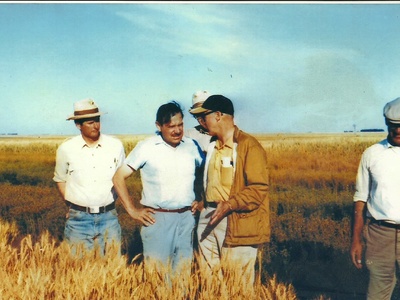
Norman Borlaug
American agronomist Norman Borlaug led the “Green Revolution,” developing high-yield, disease-resistant wheat varieties and improved farming practices. His work dramatically increased crop yields worldwide, credited with preventing famine and reshaping global agriculture and food security.
Paul Samuelson
American economist Paul Samuelson developed mathematical tools and models that modernized economics, integrating rigorous theory with empirical analysis. His influential textbook educated generations and helped shape contemporary macroeconomics, welfare economics, and public policy analysis.