Austria’s mix of Alps, river valleys and cultivated plains supports a varied set of natural assets that influence local livelihoods and national policies. From timber and freshwater to arable fields and mineral deposits, these resources are woven into regional identities and land use patterns.
There are 14 Natural Resources of Austria, ranging from Agricultural land,Vineyards. For each entry I use the columns Category,Region(s) found,Main stat (units) so you can compare type, location and scale easily — you’ll find below.
Which resources contribute most to local livelihoods in Austria?
Forestry, hydropower, and agriculture (including vineyards) are primary drivers of rural employment and regional income; tourism also relies on clean water and forested landscapes. The importance varies by region — alpine areas depend more on timber and hydro, while lowland regions focus on crops and vineyards — all of which are reflected in the Category,Region(s) found,Main stat (units) entries.
How reliable and current is the information in the list?
The list compiles commonly reported national and regional figures, but recency varies by resource; check the source note for each item and consult Austria’s statistical office or relevant ministries for the latest measurements and units.
Natural Resources of Austria
| Name | Category | Region(s) found | Main stat (units) |
|---|---|---|---|
| Forests | forest | Nationwide; concentrated in Tyrol, Carinthia, Styria, Salzburg, Upper Austria | 39,400 km2 (47% of land) |
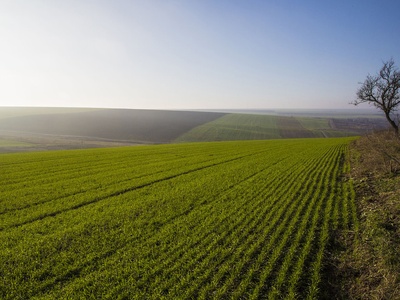
| Agricultural land | land | Mainly Lower Austria, Upper Austria, Styria, Burgenland | 31,900 km2 (38% of land) |
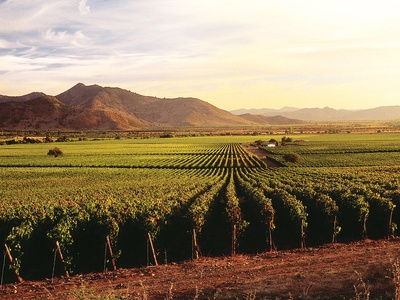
| Vineyards | land | Lower Austria, Burgenland, Styria | 50,000 ha (500 km2) |
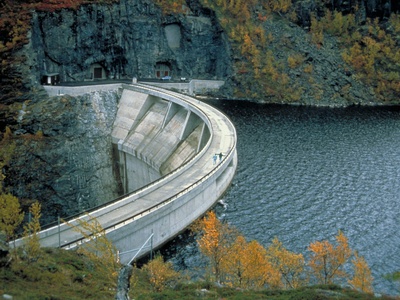
| Hydropower (water energy) | energy | Alpine states: Tyrol, Salzburg, Vorarlberg, Carinthia, Upper Austria | ≈60% of electricity generation; 15,000 MW installed |
| Danube (river resource) | water | Upper Austria, Lower Austria, Vienna | 350 km length within Austria |
| Neusiedler See (lake) | water | Burgenland (border with Hungary) | 240 km2 (Austrian surface) |
| Renewable freshwater resources | water | Nationwide (mountain runoff and rivers) | 193,000,000,000 m3/year (renewable internal resources) |
| Hohe Tauern National Park (protected biodiversity) | biodiversity | Tyrol, Salzburg, Carinthia | 1,856 km2 (park area) |
| Kalkalpen National Park (protected biodiversity) | biodiversity | Upper Austria, Styria | 214 km2 (park area) |
| Limestone & Dolomite (building materials) | minerals | Alpine and Northern Limestone Alps: Tyrol, Salzburg, Styria, Upper Austria | 30,000,000 tonnes/year (quarry output, approximate) |
| Sand & Gravel (aggregates) | minerals | River valleys and plains: Danube corridor, Lower Austria, Upper Austria | 8,000,000 tonnes/year (aggregate production, approximate) |
| Rock salt (halite) | minerals | Salzkammergut and Salzburg region (Altaussee, Hallstatt) | 1,500,000 tonnes/year (approximate production) |
| Natural gas (domestic) | energy | Vienna Basin, Lower Austria, Burgenland | 1,000,000,000 m3/year (domestic production, approximate) |
| Crude oil (domestic) | energy | Vienna Basin (Lower Austria) | 400,000 tonnes/year (domestic production, approximate) |
Images and Descriptions
Forests
Austria’s forests cover nearly half the country and supply timber, biodiversity corridors and recreation. Alpine and mixed stands support a large wood-processing sector and are crucial for carbon storage and erosion control.
Agricultural land
Farmland ranges from lowland arable fields to mountain pastures. Agriculture supports food production, cultural landscapes (meadows and pastures) and regional economies, with dairy, grains and fodder dominating.
Vineyards
Vineyards are a distinctive agricultural resource concentrated in eastern regions. Austria’s wine sector is export-oriented, supports rural tourism, and helps preserve gentle hillside landscapes and biodiversity.
Hydropower (water energy)
Hydropower is Austria’s dominant electricity source, using Alpine rivers and reservoirs for baseload and storage. It underpins energy security, industry competitiveness and seasonal balancing for renewables.
Danube (river resource)
The Danube is a major freshwater, transport and ecological corridor. It provides irrigation, hydropower, commercial navigation and tourism while supporting important floodplain habitats and cross‑border water management.
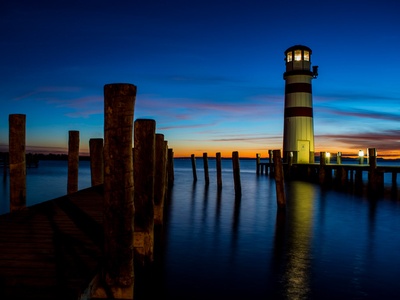
Neusiedler See (lake)
This shallow steppe lake and reed belt is ecologically rich, a UNESCO area, and a tourism magnet. It supports fisheries, birds and traditional grazing while requiring careful water management to balance ecology and recreation.
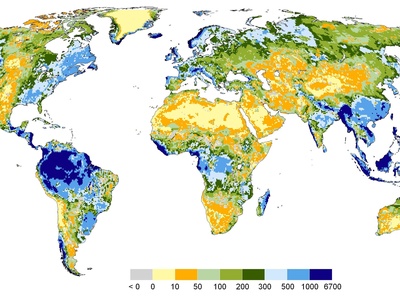
Renewable freshwater resources
High mountain precipitation and snowmelt give Austria abundant renewable freshwater per year, underpinning hydroelectricity, drinking water supplies, irrigation and rich freshwater biodiversity.

Hohe Tauern National Park (protected biodiversity)
Austria’s largest national park protects high-Alpine ecosystems, glaciers, and endemic species. It sustains tourism, scientific research and habitat connectivity across core Alpine zones and offers ecosystem services like water regulation.
Kalkalpen National Park (protected biodiversity)
Kalkalpen preserves primeval beech and mixed forests, karst landscapes and rich fauna. It protects old-growth timber resources, supports biodiversity research, and anchors regional conservation and eco-tourism.
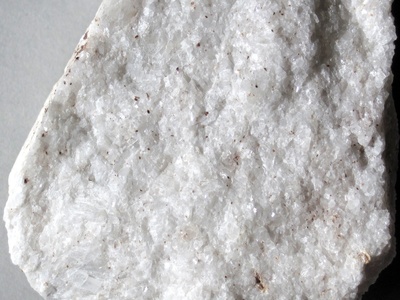
Limestone & Dolomite (building materials)
Widespread carbonate rocks are quarried for aggregates, cement and dimension stone. Limestone and dolomite are fundamental to construction, road-building and local industries across mountainous regions.
Sand & Gravel (aggregates)
Alluvial sand and gravel from river terraces and glacial deposits supply construction aggregate. They are economically vital but require careful river and landscape management to avoid ecological damage.
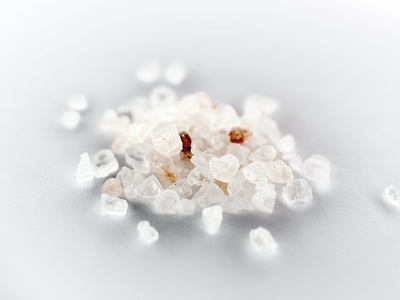
Rock salt (halite)
Historic salt deposits remain economically important for chemical use and road grit. Mines like Altaussee are significant local employers and cultural landmarks, with ongoing production and storage uses.
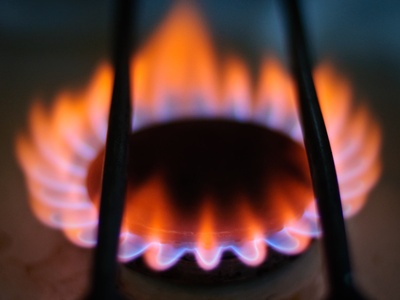
Natural gas (domestic)
Austria produces modest domestic gas mainly from the Vienna Basin. Local production supplies industry and balancing markets but covers only a small share of national consumption, so imports remain important.
Crude oil (domestic)
Small onshore oil fields supply local refining feedstock and petrochemical inputs. Domestic output is limited compared with consumption, so Austria relies on imports for most crude oil needs.