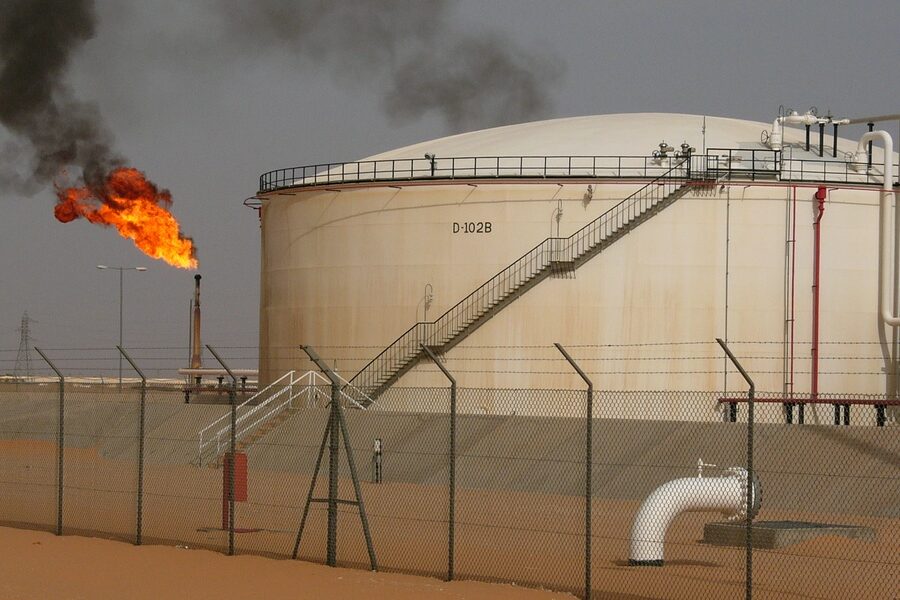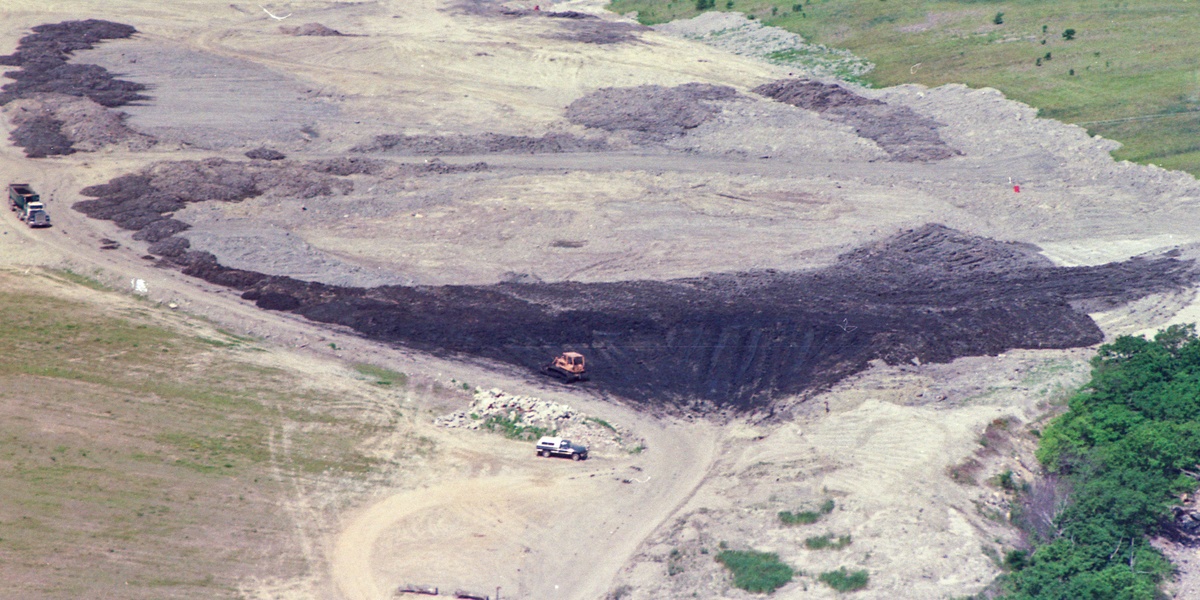
In 2019, municipal solid waste landfills were responsible for roughly 15% of U.S. methane emissions, according to the EPA greenhouse gas inventory. That single statistic makes landfills a surprising player in climate conversations: methane traps far more heat than the same mass of carbon dioxide over a century, so what happens at disposal sites matters for both local communities and national inventories.
Beyond climate, landfills touch engineering, economics, and public health. Proper design limits leachate and gas migration, captured gas can be a local energy source, and closures create decades of monitoring obligations. Conversely, poorly managed sites threaten groundwater and raise long-term costs for citizens and municipalities.
Below are eight clear, evidence-backed facts about landfills that mix surprising data, concrete examples, and practical implications. Read on for what scientists, regulators, and planners have learned about methane, liners, gas-to-energy projects, landfill mining, and the long tail of financial responsibility.
Environmental impacts and climate facts
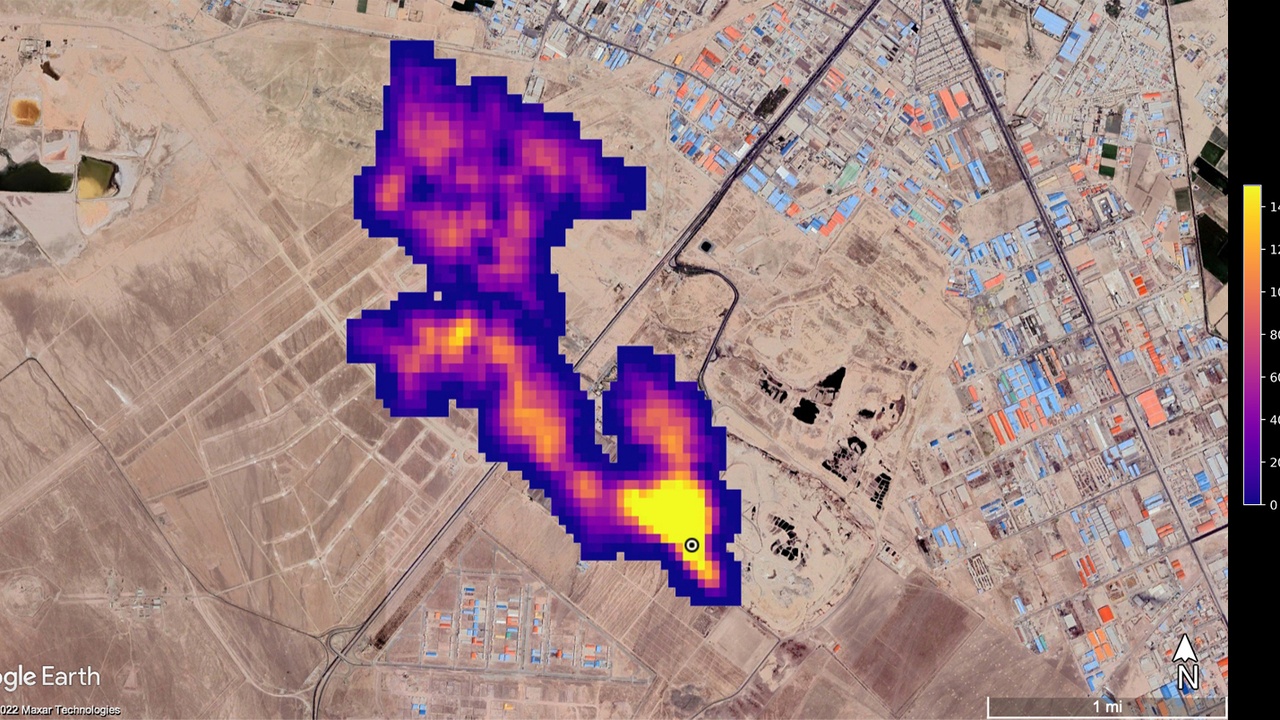
Landfills influence climate and local environments through two main pathways: methane emissions from decomposing organic waste and leachate that can carry contaminants into soil and groundwater. Together these pathways drive regulatory focus on gas capture, liners, and post-closure monitoring.
1. Landfills are a major source of methane, a potent greenhouse gas
Landfills rank among the top anthropogenic sources of methane in the United States. The EPA estimated that municipal solid waste landfills accounted for roughly 15% of U.S. methane emissions in 2019, making them a notable piece of national GHG inventories.
Methane’s global warming potential is far higher than carbon dioxide on a per-ton basis; the IPCC reports a 100-year GWP of about 28–36 times CO2. That potency explains why reducing landfill methane is a cost‑effective lever for near-term climate mitigation.
Policy and local programs reflect that reality: methane capture projects and state-level landfill regulations factor into emissions targets and community climate plans, and emissions from disposal sites are tracked in regional inventories used to guide mitigation investments.
2. Many landfills capture gas and turn it into usable energy
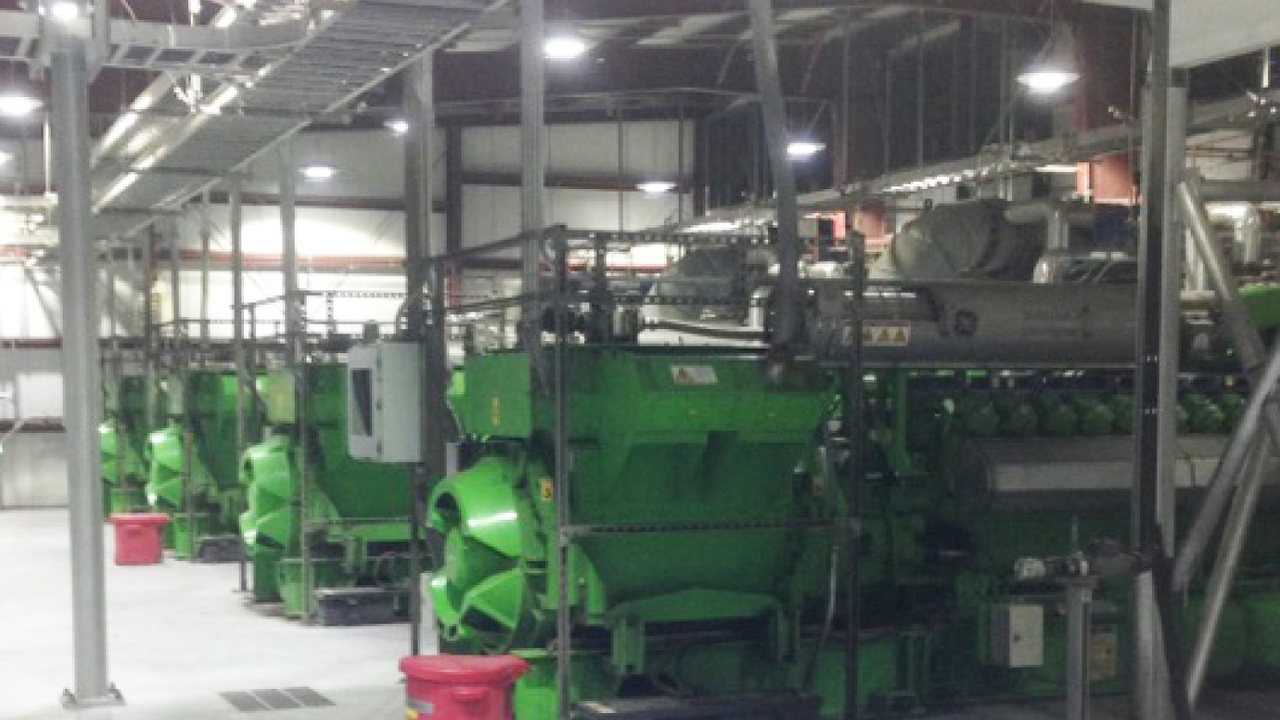
Captured landfill gas is regularly used to generate electricity and heat. In the United States there are over 500 landfill-gas-to-energy projects that either produce on‑site power, export electricity to the grid, or clean gas for pipeline injection or vehicle fuel.
Practically, gas is collected through a network of wells and pipes, sent to engines, turbines, or combined heat and power (CHP) units, and either used locally or sold. Cleaning equipment can upgrade the gas to pipeline quality or compress it for CNG vehicles.
These installations reduce methane emissions while creating revenue streams for operators and local jobs for maintenance and operations. Many municipal projects sell surplus electricity back to utilities, offsetting waste-management costs.
3. Landfill leachate can pollute groundwater without engineered protections
Leachate is the liquid that forms when water percolates through waste and dissolves soluble constituents; it can contain organics, nutrients, and heavy metals that threaten groundwater and surface water quality.
Modern sanitary landfills use multi-layer liners and leachate collection systems to intercept and treat that liquid. Federal rules under the Resource Conservation and Recovery Act (RCRA) of 1976 and subsequent Subtitle D guidance drove widespread adoption of engineered liners and monitoring in the late 20th century.
Contrast that with pre‑1970s open dumps, which had little or no containment. Today, liners, collection pipes, monitoring wells, and treatment plants are standard practice to reduce contamination risks and provide regulators with data for enforcement.
Engineering, design, and technological facts
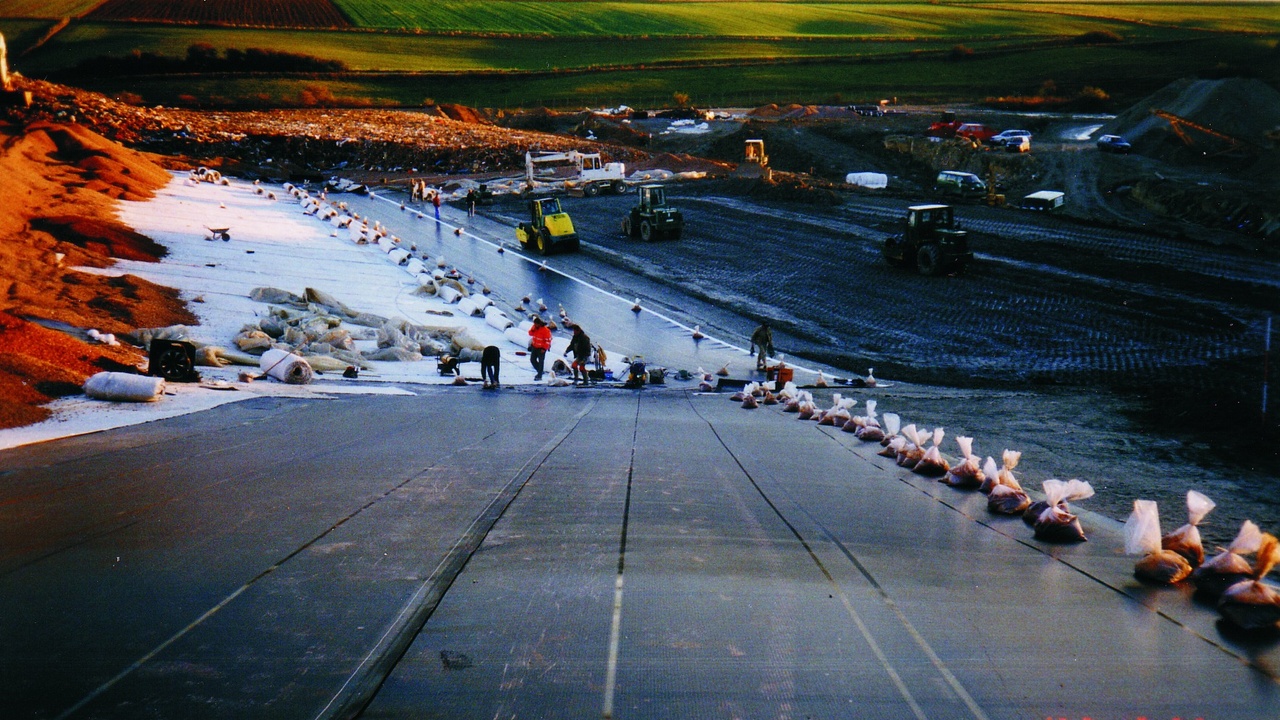
Design matters. Modern landfills combine liners, daily cover, gas collection, and monitoring to isolate waste and manage byproducts. Engineers build sites in cells and stage operations so containment is maintained throughout the facility’s life.
4. Modern landfills are multi-layer engineered systems, not just holes in the ground
Contemporary landfills commonly use multiple engineered layers to protect soil and water. Typical components include compacted clay, a synthetic high-density polyethylene (HDPE) liner, a leachate collection layer with perforated pipes, and an engineered final cover when a cell is closed.
Daily cover—often about 6 inches of soil or an approved alternative—reduces odors, discourages pests, and helps control dust and fires. Cells are constructed in phases so liners and collection systems are installed before waste is placed.
A standard cross-section for municipal solid waste landfills shows layered protection from the base liner up through daily cover—each element reduces infiltration and enhances long-term containment.
5. Some landfills operate as bioreactors to accelerate waste breakdown
Bioreactor landfills intentionally add moisture (and sometimes air control) to speed microbial decomposition of organic material. The goal is to accelerate stabilization so gas production and settlement occur on a shorter timescale.
Studies and pilot projects in the U.S. and Europe show bioreactors can shorten stabilization from decades to years in some cases and boost early gas yields, which improves the economics of gas-to-energy recovery. That said, results vary by waste mix, climate, and engineering.
Bioreactors bring trade-offs: increased leachate volumes require enhanced collection and treatment, and more intensive operational controls are necessary. Several well-documented pilots have helped refine best practices for recirculation and liquid addition.
6. Landfills require long-term monitoring and post-closure care—often for 30 years
Obligations at a landfill extend long after the last truck leaves. Under EPA standards, municipal solid waste landfills typically require about 30 years of post-closure monitoring and maintenance to ensure the final cover, leachate systems, and gas controls remain effective.
Post-closure care includes periodic inspections, groundwater and gas monitoring wells, leachate treatment, and repairs to final covers. These responsibilities affect budgets and influence what can be built on or near closed sites.
Large closed sites undergoing redevelopment—such as Fresh Kills on Staten Island—illustrate the need for long-term oversight even as former landfills are repurposed for parks, housing, or commercial use.
Resource recovery, economics, and social facts
Landfills are not just endpoints; they also hold resources and long-term obligations. Recoverable materials, energy from gas, and the costs of operation and monitoring all shape how communities decide where and how to manage waste.
These facts about landfills underscore the trade-offs local governments weigh when planning waste systems: short‑term disposal costs versus decades of care, and the potential value locked in buried materials and gas.
7. Landfills can be a source of recoverable materials — landfill mining is a growing niche
Buried waste often contains metals, plastics, and aggregates that can be recovered. Several pilot landfill‑mining projects in Europe and elsewhere have excavated and processed tens of thousands of tons of material, recovering scrap metal, glass, and reusable aggregate.
The economics are case specific: recovered commodity values must exceed excavation, processing, and environmental remediation costs. In some pilots, revenue from metals and reclaimed land helped offset a portion of project expenses, while recovered gas and recyclables improved viability.
Landfill mining also supports site remediation and redevelopment, but it demands careful planning for dust control, leachate handling, and worker safety. As commodity markets shift, more projects may become financially attractive.
8. Landfills carry long-term financial and social costs for owners and communities
Building and operating a landfill involves multi‑million‑dollar upfront costs for engineered liners, gas systems, and leachate treatment, plus closure expenses and decades of monitoring. Across countries, waste-management operating budgets run into the tens of billions annually when aggregated.
For municipalities, that means budget trade-offs: investing in diversion programs and gas capture can reduce long-term liabilities, but neglected sites can saddle taxpayers with remediation bills years later. Local opposition and environmental justice concerns often shape siting decisions.
Redevelopment can bring value—new parks, housing, or commercial space—but cleanup and ongoing monitoring (and community trust) require sustained funding and transparent planning. Jobs from remediation and renewable energy projects are real, but communities weigh them against perceived risks.
Summary
- Landfills are a notable source of methane (about 15% of U.S. landfill methane emissions in 2019) and capturing that gas can both cut emissions and provide local energy.
- Modern sites are engineered: HDPE and clay liners, leachate collection, gas wells, and about 6 inches of daily cover protect water and reduce nuisances.
- Some facilities use bioreactor approaches to speed decomposition, but faster breakdown increases leachate handling needs and requires careful management.
- Buried waste can contain valuable materials, and landfill mining pilots have recovered tens of thousands of tons, yet economic viability depends on prices and cleanup costs; meanwhile, construction, closure, and ~30 years of post‑closure care create long-term financial and social responsibilities.
- Takeaway: support sensible waste reduction, back local gas‑capture or reuse projects, and review municipal landfill plans—these steps reduce emissions, unlock value, and help ensure long-term safeguards are funded.