In the late 1800s, cytologists watching stained cells under increasingly powerful microscopes realized that cells didn’t just split randomly — they followed distinct, repeatable programs. That observation set the stage for distinguishing two fundamentally different division processes.
Those early observations matter because the way a cell divides shapes development, heredity, and medicine. Mitosis is the process by which most somatic cells duplicate their chromosomes and split once to produce two genetically similar daughter cells for growth and repair. Meiosis, by contrast, is the specialized two-division process in germ cells that reduces chromosome number and shuffles genetic material to make gametes.
This article lays out seven specific differences between mitosis and meiosis you can use to spot functional and practical contrasts — for example, mitosis yields 2 daughter cells while meiosis yields 4 — and why each process matters to health, evolution, and applied biology.
Cellular mechanics and stages
At the cellular level, the clearest contrasts come from how many times the cell divides, how chromosomes behave, and whether homologous chromosomes pair and recombine. Mitosis is a single-division cycle used by somatic cells; meiosis is a two-step reductional sequence that occurs only in germ cells. Those staging differences have straightforward outcomes: mitosis preserves genetic identity across daughter cells, while meiosis creates new allele combinations and halves ploidy.
Practically, that means tissues rely on mitosis for maintenance and rapid replacement, whereas sexual reproduction depends on meiosis to produce diverse gametes. Microscope images of metaphase and anaphase look similar at first glance, but the presence of paired homologs and chiasmata in meiosis I is a telltale mechanical difference.
1. Number of divisions and final cell count
Mitosis involves a single nuclear division that produces two daughter cells; those daughters are diploid (2n) in organisms that start diploid. Meiosis comprises two successive divisions—meiosis I and II—and yields four haploid (n) gametes from one precursor.
Biologically, that difference matters because mitosis supports growth and tissue repair while meiosis supplies the haploid gametes needed for sexual reproduction. For humans, a somatic cell with 46 chromosomes produces two 46‑chromosome daughters in mitosis, while meiosis reduces 46 → 23 chromosomes per gamete.
2. Homolog pairing, crossing over, and recombination
A sharp mechanistic distinction is that homologous chromosomes pair and exchange DNA during meiotic prophase I, but they do not pair or recombine in mitosis. In meiosis, synapsis brings homologs together and chiasmata mark crossover sites where segments are swapped.
Recombination is common: in humans most chromosome pairs experience roughly 1–3 crossovers per meiosis on average (textbook genetics; NIH summaries). Those exchanges reshuffle alleles between parental chromosomes and create new combinations of traits.
Geneticists exploit crossing over for mapping: recombination frequencies between markers are the basis of linkage maps used in human genetics and plant breeding to locate genes and combine desirable traits.
Genetic outcomes and diversity
The mechanical differences translate directly into genetic consequences: whether chromosome number is maintained or halved, how much new variation is generated, and what kinds of errors are likely. Understanding these contrasts clarifies why the differences between mitosis and meiosis matter for heredity, evolution, and clinical genetics.
3. Ploidy: diploid daughter cells vs haploid gametes
Mitosis preserves ploidy so daughter cells maintain the parental chromosome complement. Meiosis, by contrast, reduces ploidy by half so gametes carry one set of chromosomes.
Using humans as an example, mitosis gives two 46‑chromosome (diploid) cells, whereas meiosis produces gametes with 23 chromosomes. That reduction is essential so that fertilization restores the species’ diploid number across generations.
4. Genetic diversity: independent assortment and recombination
Meiosis creates genetic diversity through two combinatorial mechanisms: independent assortment of whole chromosomes and crossing over within chromosome pairs. Independent assortment alone produces 2^n possible combinations of maternal and paternal chromosomes in gametes.
In humans that math is 2^23, about 8.4 million possible chromosome‑set combinations just from independent assortment; recombination multiplies that number enormously by shuffling segments within each chromosome. That diversity fuels natural selection, underpins breeding programs, and matters to conservation genetics.
Plant and animal breeders deliberately design crosses to take advantage of assortment and recombination—for example, hybrid maize programs combine favorable alleles across many loci to produce high‑yield cultivars.
5. Error rates and consequences: aneuploidy and somatic mutations
Errors in the two division types have different downstream effects. Meiotic nondisjunction commonly produces aneuploid gametes, which can lead to conditions such as trisomy 21 (Down syndrome) when an aneuploid gamete is fertilized.
Down syndrome occurs in roughly 1 in 700 live births in many populations (CDC; NIH), and chromosomal abnormalities account for an estimated ~50% of early pregnancy losses. Clinicians use that knowledge in prenatal screening and preimplantation genetic testing to manage reproductive risk.
Mitosis errors, by contrast, produce somatic mutations and mosaicism that contribute to cancer and degenerative conditions. Mitotic mis‑segregation and subsequent selection in a tissue can accelerate tumor evolution.
Biological roles, medical relevance, and applications
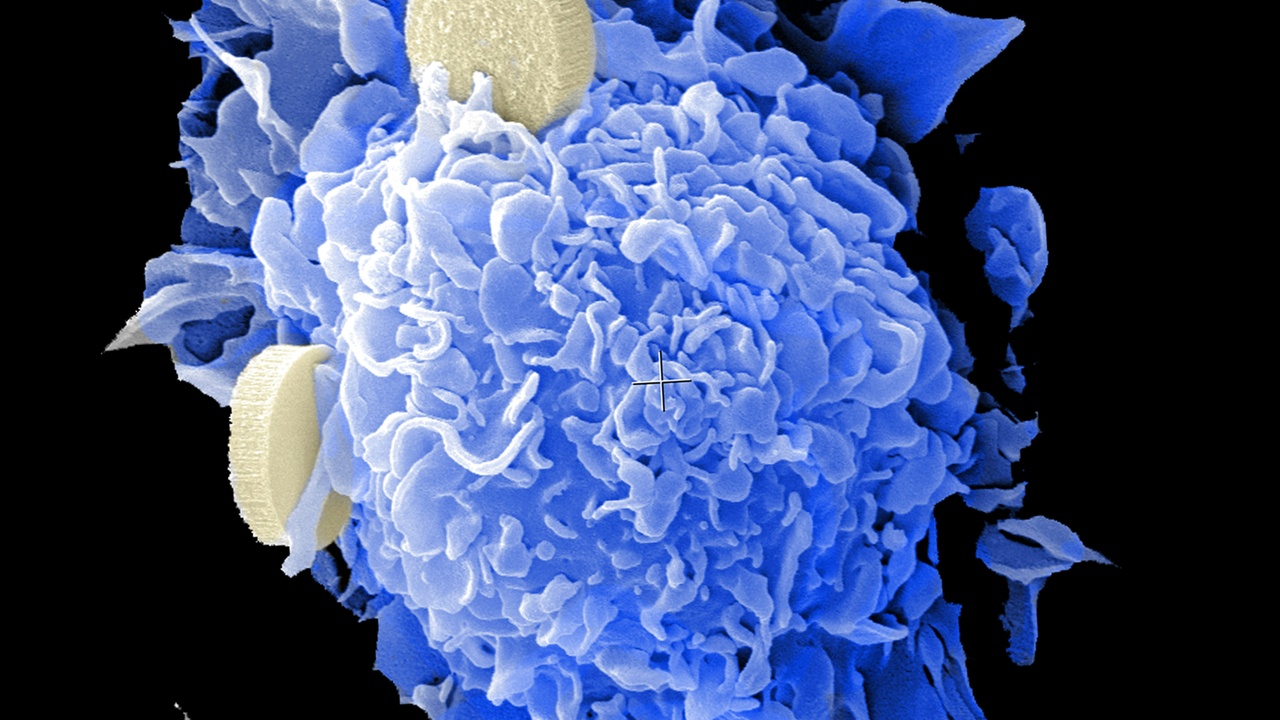
Beyond the cell, the division type determines biological function and informs medicine and biotechnology. Mitosis supports organismal growth and tissue upkeep; meiosis supplies the genetic variation and haploid gametes required for sexual reproduction and breeding.
Translational examples are abundant: drugs that disrupt mitosis are mainstays in oncology, assisted reproductive technologies depend on meiotic genetics, and agricultural breeding programs manipulate recombination and assortment to improve yields.
6. Physiological roles: growth and repair versus reproduction
Mitosis underlies everyday tissue maintenance and wound healing. For instance, human epidermal cells renew on a roughly 28‑day cycle through repeated mitotic divisions.
Meiosis is specialized for making gametes. Spermatogenesis in men takes about 64 days from spermatogonial stem cell to mature sperm, a timeframe that includes meiotic divisions and post‑meiotic maturation.
When mitosis goes wrong, healing and tissue function suffer; when meiosis fails, infertility or chromosomally abnormal conceptions may follow. Both processes are therefore central to reproductive health and regenerative medicine.
7. Medical and biotechnological applications informed by each division
Understanding mitosis and meiosis guides practical interventions. Many standard chemotherapy regimens include mitotic inhibitors: taxanes (e.g., paclitaxel) and vinca alkaloids disrupt the mitotic spindle to block rapidly dividing cancer cells.
Assisted reproductive technologies such as IVF and ICSI depend on an understanding of gamete formation and meiotic errors; preimplantation genetic testing (PGT) assesses embryo chromosomes to reduce aneuploidy risk. In agriculture, breeders harness controlled meiosis and recombination—classic hybrid maize programs are a well‑known example.
These applications show how knowledge of cell division informs therapies, diagnostics, and crop improvement—linking basic cell biology directly to societal outcomes.
Summary
- Mitosis preserves chromosome number and supports growth and tissue repair, while meiosis halves chromosome number to make gametes and create variation.
- The differences between mitosis and meiosis include number of divisions (one vs two), homolog pairing and crossing over (absent vs present), and final cell counts (2 diploid vs 4 haploid).
- Meiosis generates massive diversity (independent assortment yields 2^23 ≈ 8.4 million chromosome combinations in humans; recombination multiplies that), which matters for evolution and breeding.
- Medical implications differ: meiotic nondisjunction causes aneuploid conceptions (e.g., trisomy 21, ~1/700 births) and many miscarriages, while mitotic errors drive somatic mutation and cancer—hence applications from PGT and IVF to spindle‑targeting chemotherapies.
- Next time you read about genetic testing, cancer therapy, or crop breeding, notice how these two cell division types shape the outcome.