In 2014, GE announced it would 3D-print thousands of fuel nozzles for its LEAP jet engine, replacing an assembly of roughly 20 parts with a single printed component.
That example matters because it shows how choices about how we make things affect cost, speed, customization, and sustainability. Manufacturers weigh faster prototyping, on-demand customization, and potential material savings against tooling amortization, per-unit throughput, and well-established quality pathways. The practical stakes include lower inventory, shorter development cycles, and new product features that weren’t possible before.
This piece lays out ten concrete differences that explain why businesses in aerospace, medical, and consumer goods are rethinking manufacturing strategies: design freedom, economics at different scales, materials and mechanical behavior, and the evolving quality and environmental trade-offs that shape adoption.
Design and Customization
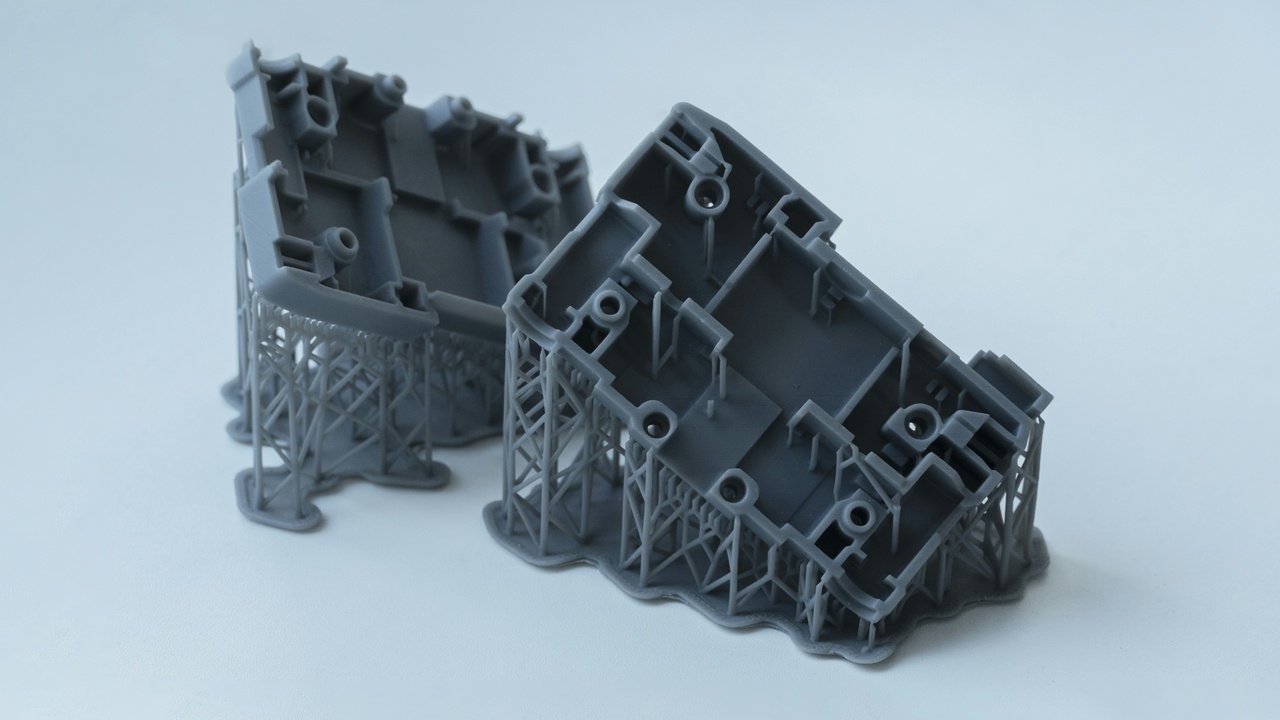
Additive and traditional approaches start from different design philosophies. Additive lets engineers create internal lattices, organic shapes, and consolidated assemblies that tooling-based methods generally avoid. Conventional manufacturing favors simple, repeatable geometries that minimize tooling cost and cycle time.
1. Design freedom and geometric complexity
3D printing enables internal lattices, conformal channels, and organic shapes that are impractical with casting, stamping, or conventional machining. Lattice infill reduces mass while keeping stiffness, and conformal cooling or fluid channels improve thermal performance in heat exchangers and molds.
Typical layer resolution for many industrial processes ranges from about 20–100 µm, allowing fine features and controlled porosity. Aerospace brackets and heat exchangers designed with generative design tools can cut weight by 30–50% compared with solid parts while maintaining strength.
For product engineers this means new opportunities to optimize parts for stiffness, thermal flow, or weight, often shortening time-to-market because fewer iterative tooling cycles are needed.
2. Part consolidation and assembly reduction
Additive can merge dozens of components into a single printed part, removing joints, fasteners, and seals that create failure points. GE’s LEAP fuel nozzle is a clear case: roughly 20 parts consolidated to one printed component, reducing assembly steps and inspection points.
Part consolidation often lowers assembly labor and inventory. In some hydraulic manifolds and structural brackets, manufacturers report weight reductions around 20–30% and fewer supplier touchpoints, which simplifies logistics and reduces lead times.
Less assembly also cuts cumulative tolerancing issues across interfaces, so supply chains become simpler to manage when consolidation is feasible.
3. Customization and short-run variants
Additive makes one-off and small-batch customization economically viable because there is little or no tooling to amortize. Dental crowns and hearing aids are common examples: millions of custom-fit parts have been produced using AM workflows.
By contrast, injection molding tooling often costs $5,000–$100,000+ per mold, so personalization requires high volumes to justify those upfront costs. Digital CAD-to-print workflows let teams produce personalized midsoles, braces, or jigs rapidly, enabling experiments with limited runs.
That speed and flexibility let companies test new variants without committing large capital to tooling.
Speed, Economics, and Production Scale
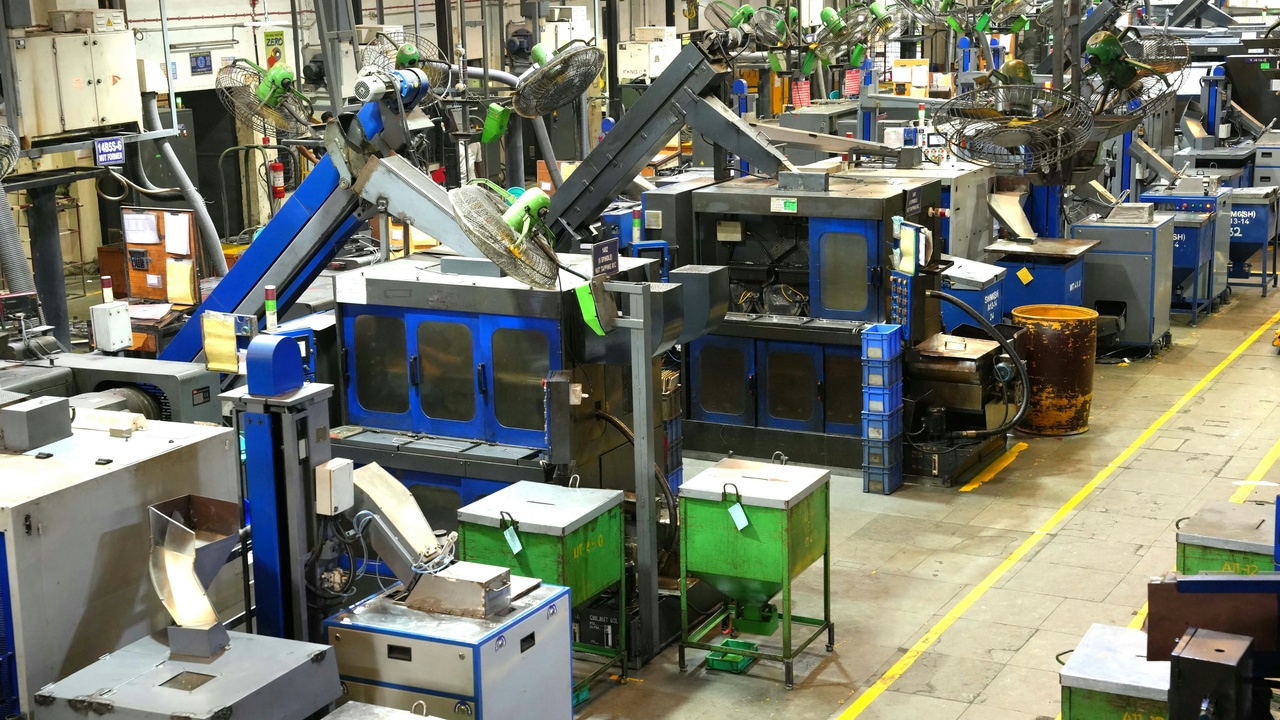
Cost and speed trade-offs change with volume. Additive often wins for prototypes and low-volume production because tooling is minimal. Traditional methods like injection molding and stamping become far cheaper per unit once tooling and setup are paid for, especially at high volumes.
4. Cost structure: low-volume vs high-volume economics
Key cost drivers are per-part material cost, machine time, and tooling amortization. Injection molds can cost from about $5,000 to over $100,000 depending on complexity, while AM typically has near-zero tooling cost but higher per-part machine time and material price.
For a simple plastic cap, injection molding often becomes cheaper after the low hundreds of units. For a complex lattice bracket, additive can be cheaper even at thousands of units because the mold and assembly steps are avoided.
So complexity flips the math: the more complex the geometry or the more consolidation you get, the more attractive additive becomes financially.
5. Lead time and iterative development
Additive shortens iteration cycles. Prototypes that once needed weeks for tooling can be printed in hours or days. Many product teams report reducing prototyping lead times from several weeks to 1–3 days for functional iterations.
That speed accelerates learning, market testing, and agile hardware development. Startups often print functional prototypes overnight, and engineering teams run weekly test cycles instead of monthly ones.
Faster iterations lower the cost of design mistakes and let companies shift risk from late-stage production fixes to early validation.
6. Economies of scale favor traditional manufacturing
Once tooling and process tuning are complete, injection molding and stamping deliver very low per-unit costs and very high throughput. High-speed presses can produce thousands to tens of thousands of parts per day on an automated line.
By comparison, an industrial AM cell typically produces tens to a few hundred parts per day depending on part size and printer build volume. Energy and labor per part often fall with scale for traditional methods.
That makes conventional manufacturing the better choice for large runs of identical parts where unit cost and throughput dominate.
Materials, Performance and Reliability
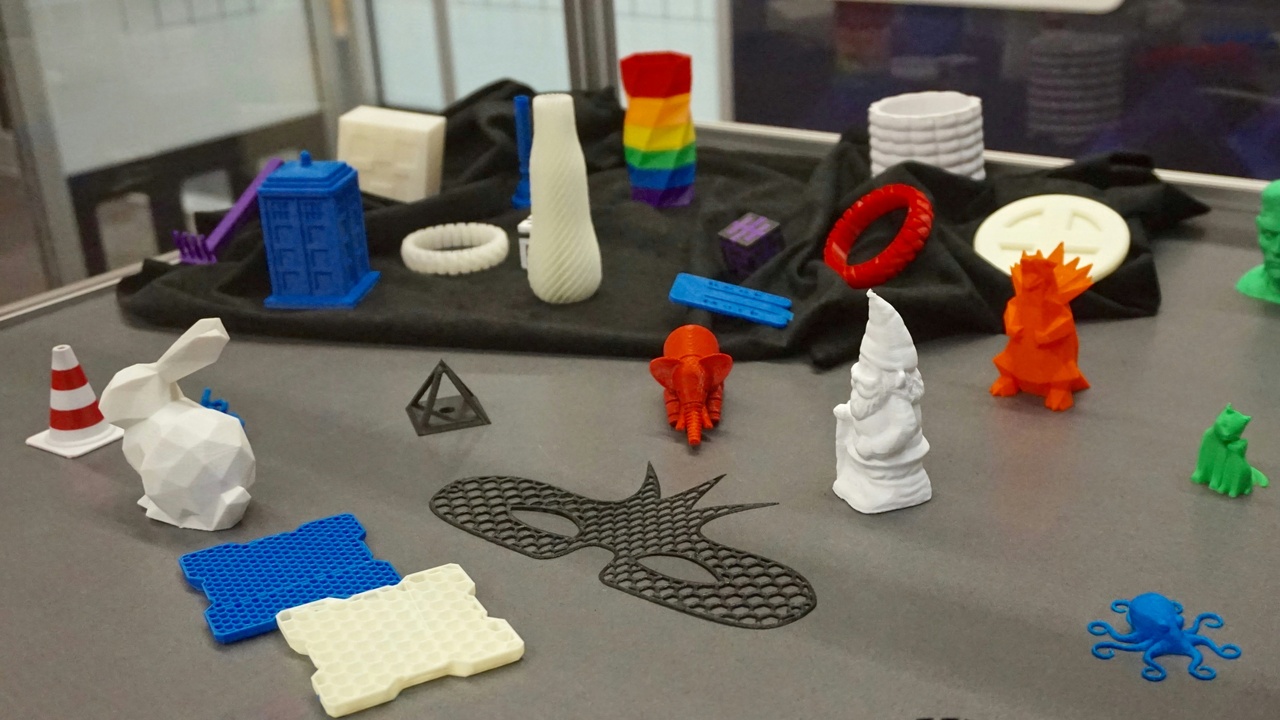
Material choice, mechanical behavior, and process repeatability differ between additive and traditional methods. AM’s materials library is growing fast but remains more specialized, and printed parts can show anisotropy or porosity that engineers must manage with process controls and post-processing.
7. Material choices and limitations
Traditional manufacturing benefits from decades of certified alloys, thermoplastics, and composites. Additive now supports metals like Ti6Al4V and various stainless steels, thermoplastics such as PA11 and PA12, and photopolymer elastomers, but certification and long-term data are still catching up.
Metal AM often requires post-build treatments such as HIP (hot isostatic pressing) and heat treatments to reduce residual porosity and reach aerospace or medical standards. Regulatory qualification is process-specific and can be lengthy.
Those constraints mean AM is attractive where its unique properties outweigh the added qualification work, or where rapid iterations justify the trade-offs.
8. Mechanical performance, anisotropy and tolerances
Printed parts often show anisotropy because strength can vary across layer boundaries. Some processes report strength variation or anisotropy on the order of about 20–30% unless process parameters and orientations are controlled.
Typical dimensional tolerances for many industrial AM processes are around ±0.1–0.3 mm, with tighter fits achieved by secondary CNC finishing. Post-processing—machining, surface finishing, heat treatment—helps close gaps with forged or machined parts.
For load-bearing or safety-critical components, companies often combine AM’s geometry benefits with traditional finishing steps to reach required tolerances and surface quality.
Quality, Regulation, and Sustainability
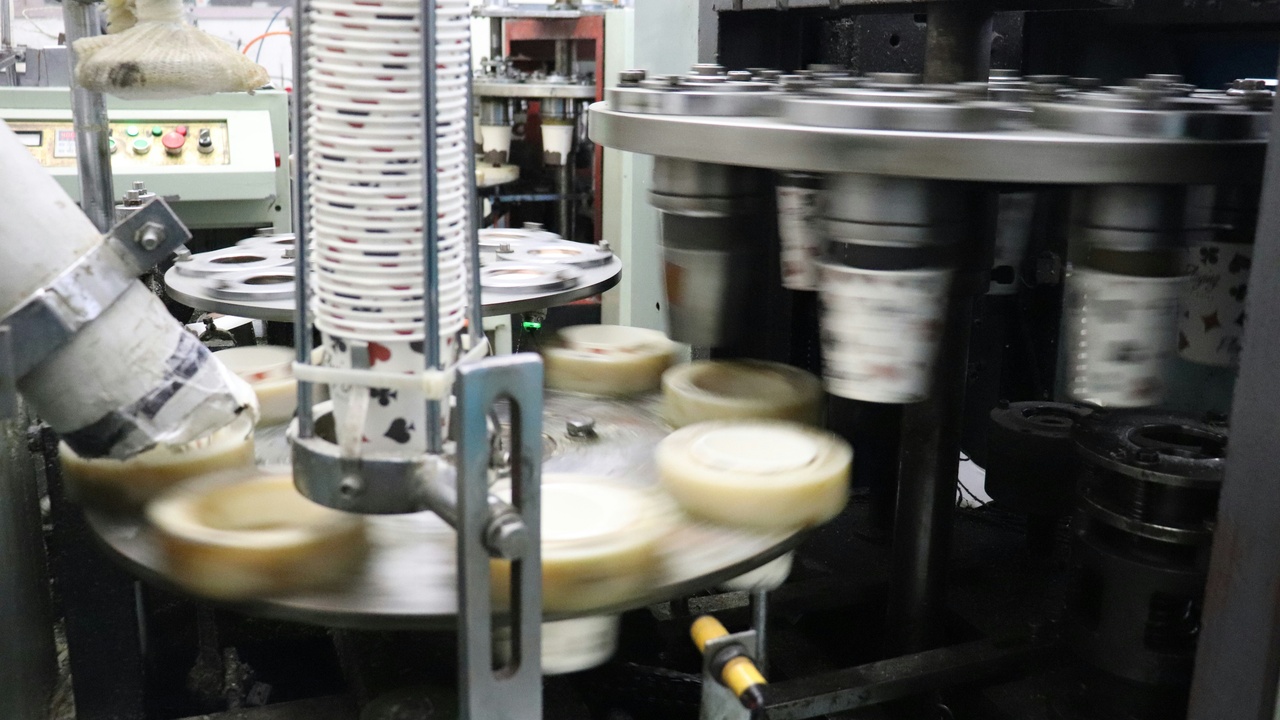
Quality systems, certification pathways, and environmental outcomes differ in important ways. Traditional manufacturing has mature QC, SPC, and long histories of certification, while additive requires new inspection methods and evolving regulatory guidance. Sustainability trade-offs depend on design, material, and process.
9. Surface finish, tolerances and post-processing needs
Molding and machining can produce smooth surfaces and tight tolerances directly from the process. Many AM parts require sanding, bead blasting, machining, or chemical smoothing to meet final specs, which adds time and cost.
For example, critical bores and mating surfaces on printed metal housings are often CNC-finished to ensure fit. Those post-processing steps must be planned into lead times and costing models.
So while AM opens up new geometries, finishing often reintroduces some traditional manufacturing steps for final assembly readiness.
10. Quality control, certification and sustainability trade-offs
Industries like aerospace and medical require strict traceability and qualification. The FDA issued technical guidance on additive manufacturing of medical devices in 2017, and aerospace bodies continue to define machine and material qualification processes.
Additive brings new inspection approaches: CT and X-ray for internal defects, in-situ sensors for layer monitoring, and tight powder reuse rules to control variability. Machine-to-machine variability and process drift are real qualification challenges.
On sustainability, AM can reduce material waste significantly for certain designs—sometimes cutting raw-material scrap by as much as 80–90% versus machining—but energy per part can be higher depending on the process and post-processing. That means lifecycle outcomes are case-by-case and should factor energy, material, part count, and logistics.
Summary
- Design freedom in additive enables complex internal geometry and part consolidation—GE’s 2014 nozzle example (≈20 parts → 1) remains a touchstone.
- Economics depend on volume: additive excels for prototyping and low-volume runs with near-zero tooling, while injection molding or stamping beat AM on per-unit cost and throughput once molds and dies are amortized.
- Materials and mechanical behavior differ: AM supports Ti6Al4V, PA11/PA12, and photopolymers but often needs HIP, heat treatment, or CNC finishing to meet critical specs; expect anisotropy and tolerances around ±0.1–0.3 mm without post-processing.
- Quality and certification require new workflows: FDA guidance (2017), CT inspection, and in-situ monitoring address AM’s traceability and defect-detection needs, while lifecycle trade-offs mean sustainability wins are design-specific.
- Try a small pilot before large shifts: test parts on service-bureau systems such as Formlabs, HP Multi Jet Fusion, or industrial metal printers to validate cost, lead time, and performance before changing a production line.