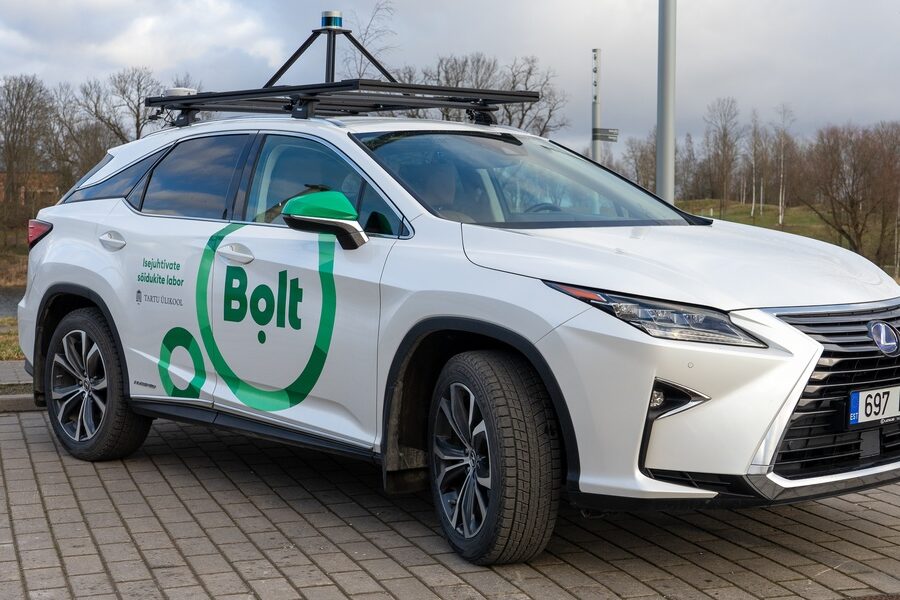
Road crashes kill about 1.35 million people globally each year, and a large share is attributed to human error — the very problem autonomous systems aim to reduce. Early driver‑assist features like ABS, electronic stability control and adaptive cruise control laid the groundwork. In the last decade we’ve moved from lane‑keeping pilots to robotaxi and autonomous‑truck trials in real cities and on highways.
The benefits of autonomous vehicles go beyond novelty: they can save lives, cut costs, shrink emissions, and change how cities and businesses move people and goods. That matters whether you commute, run a delivery fleet, care for an aging parent, or plan urban development.
Below are ten concrete advantages, grouped into four categories: Safety & Public Health; Economic & Mobility; Environmental & Urban Planning; and Technology & Accessibility. Each point draws on real pilots, agency findings, and measurable effects rather than hype.
Safety & Public Health
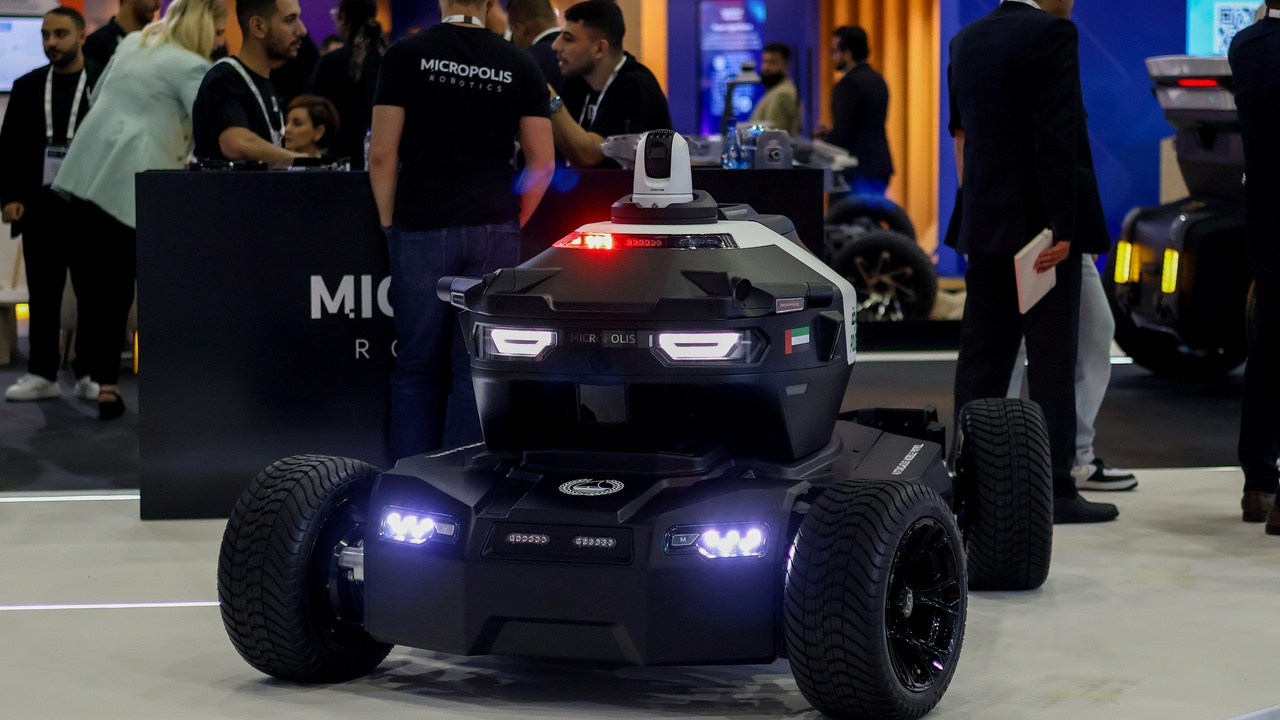
Removing human error is the core safety promise of autonomous mobility. Authorities such as the WHO and NHTSA point to driver behavior as the dominant cause of serious crashes, and current driver‑assist tech already reduces specific collision types. The three benefits below show how scaled self‑driving systems can improve public health.
1. Fewer crashes and fatalities
Autonomous control eliminates many common human mistakes: distraction, impairment, fatigue and simple misjudgment. NHTSA estimates that roughly 94% of serious crashes involve at least one form of human error, and WHO’s tally of about 1.35 million road deaths a year shows the scale of the problem.
Simulation studies and pilot‑study models often project large reductions in crashes when human error is removed or curtailed. Practical validation comes from companies logging millions of real miles to test edge cases — for example, Waymo has driven over 20 million miles on public roads to refine its stacks (and many more in simulation).
Fewer crashes mean fewer emergency‑room visits, lower medical and insurance costs, and thousands of lives saved annually as systems mature and scale.
2. Reduced injury severity and faster emergency response
Autonomous and advanced driver‑assist features brake earlier, follow safer trajectories and keep steadier speeds. Studies from IIHS and NHTSA show automatic emergency braking (AEB) and related systems can cut rear‑end collisions by roughly 40–50% in the models examined.
Lower‑speed and less violent impacts reduce hospitalizations and long‑term disability. Modern vehicles also support automatic crash notification that can alert EMS immediately, shortening response times and improving outcomes.
Mainstream examples include AEB and lane‑keeping features in many Volvo and Mercedes models, which illustrate how partial automation already reduces harm while fully autonomous systems promise broader effects.
3. Greater mobility for older adults and people with disabilities
Reliable autonomous mobility can restore independence for people who can no longer drive. Millions of older adults and mobility‑impaired individuals face shrinking access to health care, jobs and social life as driving becomes unsafe or impossible.
Pilot services — Waymo One in Phoenix, municipal autonomous‑shuttle pilots and first/last‑mile programs — already show practical improvements in access. Consistent, on‑demand service can reduce isolation and make routine trips feasible without a personal driver.
That effect matters for public health: better access to appointments, social activities and groceries helps maintain independence and reduces pressure on informal caregivers.
Economic & Mobility Advantages
Autonomy changes cost structures for individuals, fleets and cities. Labor for drivers, time lost to driving, and parking inefficiencies are large line items today. New mobility services, shared robotaxi fleets and automated freight can shave those costs and unlock new business models.
Below are three concrete economic and productivity gains already visible in pilots and early deployments.
4. Lower operating costs for fleets and shippers
Long‑haul trucking has significant labor costs: typical U.S. driver pay often ranges in the mid five figures, and fuel is another major expense. Automating parts of the drive or running driverless stretches can reduce both labor and per‑mile costs.
Platooning trials (Peloton and others) and autonomous‑truck pilots (TuSimple, plus OEM trials) have demonstrated fuel savings through reduced aerodynamic drag and tighter, coordinated driving. Analysts present aggregate opportunity in ranges of hundreds of billions of dollars as adoption scales — a framing, not a single forecast.
For fleets, optimized routing, less downtime and lower accident rates also translate into lower insurance and maintenance expense over time.
5. More productive travel time
If you don’t have to actively drive, travel time becomes usable for work, rest or childcare. The average U.S. one‑way commute was about 27 minutes in pre‑pandemic Census data, meaning many people spend hundreds of hours a year on the road.
AV taxis, microtransit and commuter shuttles could convert that dead time into productive or recuperative time for millions. Corporate pilots and commuter shuttle trials suggest clear benefits for knowledge workers and busy parents alike.
Even modest per‑commuter gains add up across urban labor markets, increasing effective productivity without adding work hours.
6. New industries, services, and skilled jobs
Autonomy creates demand for software engineers, sensor technicians, data labelers, fleet operators and maintenance specialists. Companies like Waymo, Cruise, Mobileye and NVIDIA are hiring in these areas, and autonomous delivery pilots (Starship, Nuro) have created local operational roles.
The shift is often one of skill composition rather than wholesale job loss: many manufacturing and service roles will evolve to include higher‑tech diagnostics, software maintenance and systems integration.
New services — robotaxis, subscription mobility, autonomous last‑mile logistics — add downstream jobs in operations, planning and customer support.
Environmental & Urban Planning Benefits
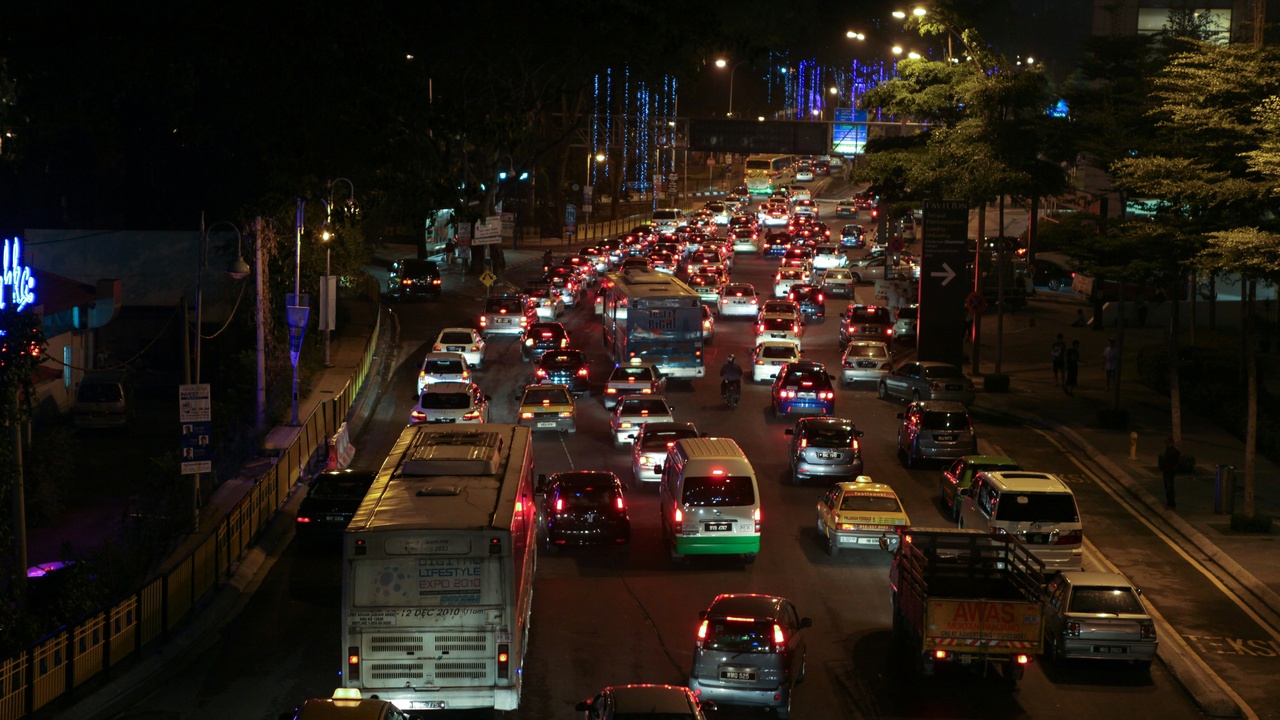
Autonomy can reduce emissions and reclaim urban land. Smoother traffic flow, platooning, fewer vehicles cruising for parking and fleet electrification all cut greenhouse gases and local pollution. The two benefits below illustrate net environmental and urban gains.
7. Lower emissions through smoother driving and platooning
Optimized speed profiles, fewer hard accelerations and coordinated platooning reduce fuel consumption. Trials have shown single‑digit to low‑double‑digit percentage fuel savings for trucks — for example, following vehicles in some platoon tests have seen up to about 10% improvement in fuel efficiency.
When autonomy pairs with electrification, those efficiency gains translate directly into lower tailpipe emissions or reduced electricity demand per mile. Companies running platooning pilots have reported measurable fuel savings, and automated routing can cut unnecessary miles driven.
At scale, these small per‑mile improvements compound across fleets to produce notable reductions in transport emissions.
8. Less congestion and smarter use of urban space
Coordinated AV fleets can smooth stop‑and‑go traffic and reduce cruising for parking, improving throughput and cutting local emissions. INRIX and similar studies estimate drivers in congested areas can spend roughly 17 hours per year searching for parking — time that adds emissions and stress.
Reduced inner‑city parking demand from shared autonomous fleets lets cities reclaim curb and lot space for housing, parks, bike lanes or transit amenities. That change can shrink vehicle miles traveled in dense neighborhoods and support more walkable streets.
Practical pilots and planning exercises already map parking‑to‑park conversions as a near‑term urban design opportunity as fleets mature.
Technological Progress & Accessibility
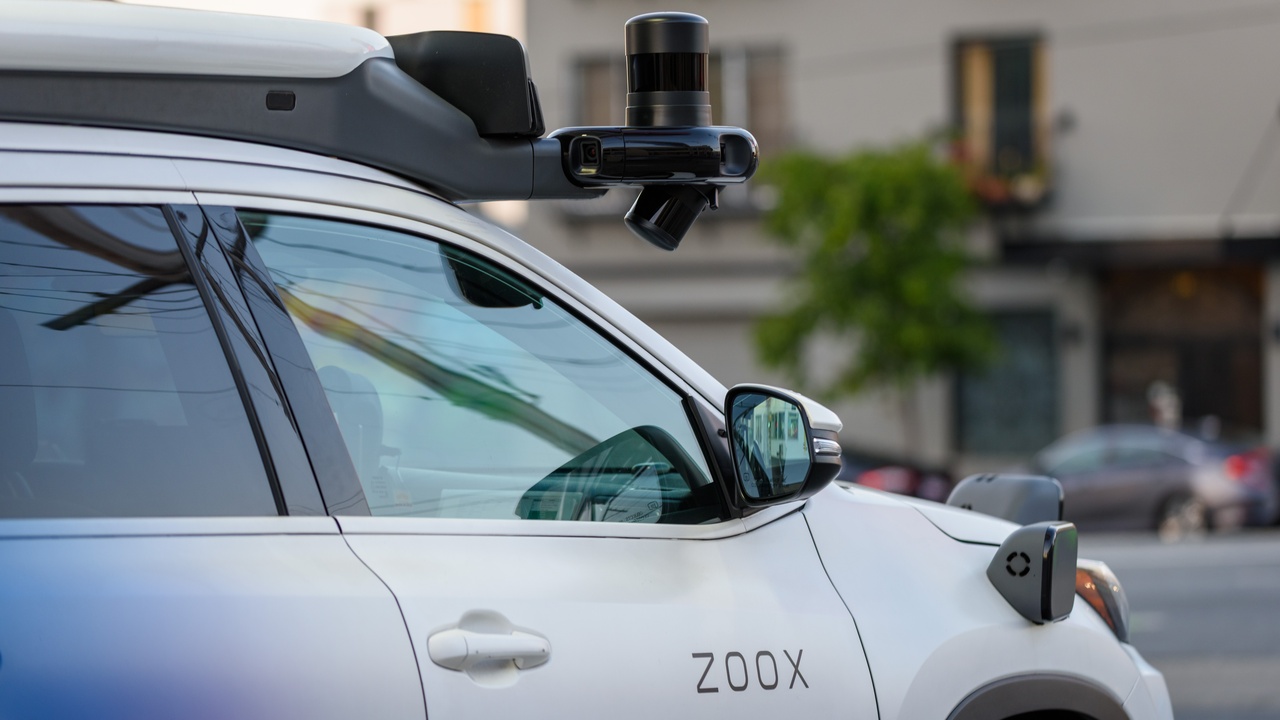
AV development pushes sensing, AI and connectivity forward. Those advances spill into other industries — robotics, precision agriculture, mapping and telecom — and help improve mobility equity when integrated with transit. Two benefits illustrate these spillovers and accessibility gains.
9. Faster advancement of sensors, AI, and connectivity
Demand from AV projects accelerates improvements and cost reductions in lidar, radar, perception AI, edge compute and V2X communications. Firms such as NVIDIA, Mobileye, Velodyne and Luminar are examples of companies scaling sensor and compute stacks for automotive use.
Those technology improvements have cross‑industry uses: better perception and more affordable sensors aid agricultural automation, warehouse robotics and high‑precision mapping. Large‑scale deployments also drive component reliability and economies of scale, lowering costs for broader markets.
10. Better integration with public transit and improved mobility equity
Autonomous shuttles and feeder services can plug gaps in fixed‑route transit, handling first/last‑mile trips and serving neighborhoods with sparse service. Navya and EasyMile have run pilots since the mid‑2010s that show practical feeder use in municipal settings.
That integration can lower costs for riders without personal vehicles, support seniors and disabled passengers with targeted services, and reduce transit deserts. Early municipal pilots often pair AV shuttles with timed connections to buses or trains to increase system reach rather than replace core routes.
Over time, coordinated AV feeders and on‑demand transit could make public networks more flexible and equitable.
Summary
- Human error drives most serious crashes (NHTSA ~94%); AVs and driver‑assist tech can significantly reduce injuries and deaths (WHO ~1.35M annual road deaths).
- Lower operating costs for fleets, fuel savings from platooning (Peloton, TuSimple trials), and new service models can unlock large economic value.
- Smoother driving and coordinated fleets cut emissions and free curb/parking space for housing, parks or bike lanes (INRIX parking‑search estimates illustrate the wasted time).
- Advances in sensors, AI and connectivity (NVIDIA, Mobileye, Velodyne/Luminar) plus shuttle pilots (Navya, EasyMile) expand access and improve mobility equity — a central part of the benefits of autonomous vehicles.